Guide To Cornstarch Vs Cpla: Materials, Standards & Best Practices | Bioleader® Guides
Actionable coverage of cornstarch vs cpla: eco-friendly, biodegradable, compostable materials, performance data, and compliance under EN13432 & ASTM D6400. Includes BPI/TÜV references and Food-Contact Tested guidance for safe deployment. Buyer-focused: manufacturer insights, bulk/wholesale buying playbooks, OEM/ODM customization tips, full size range selection.
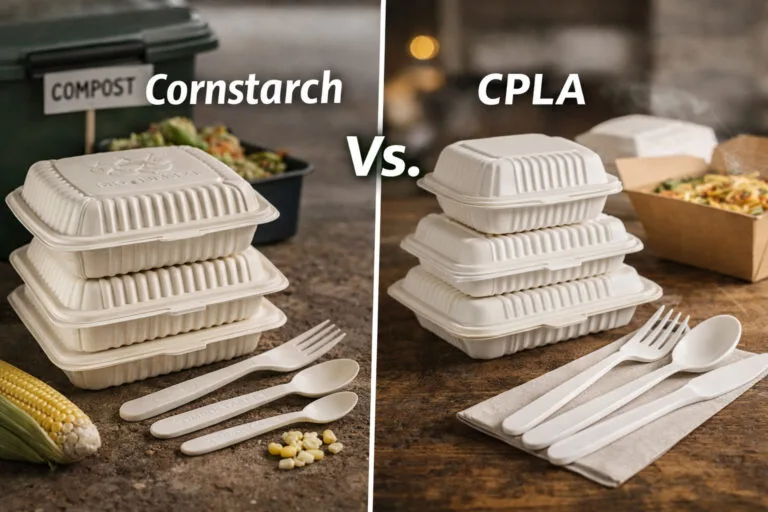
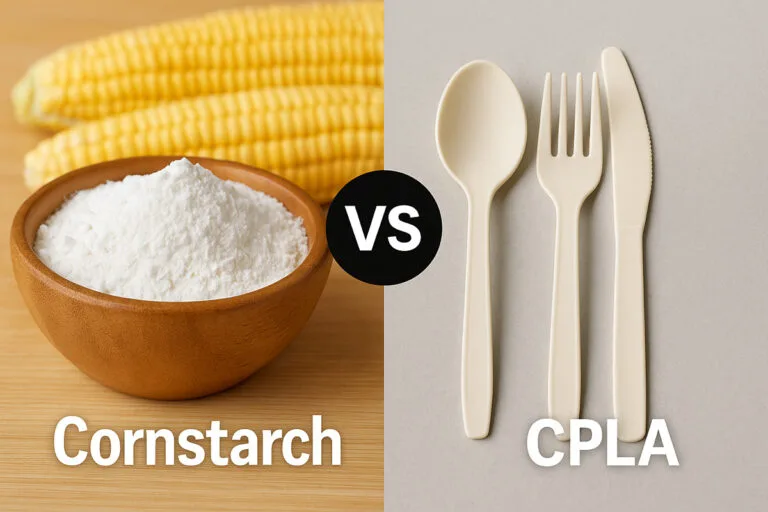
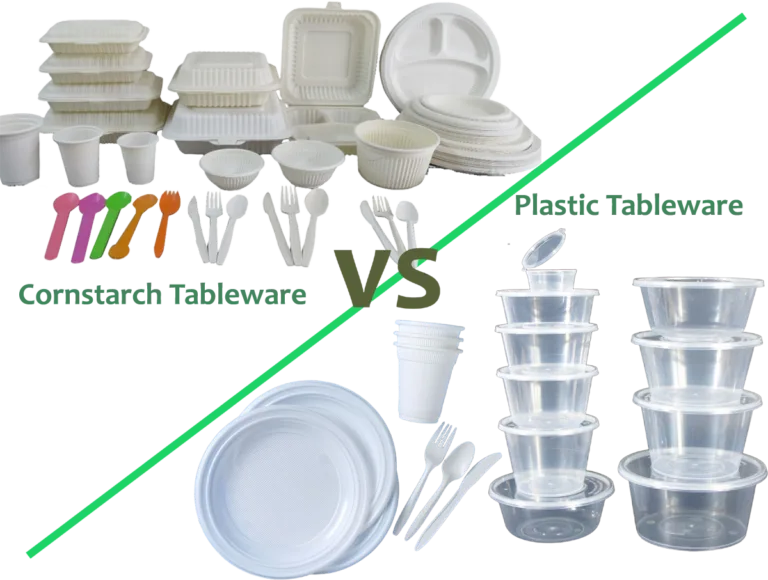
Quick Summary: Cornstarch packaging and CPLA are often marketed together as compostable alternatives, yet their decomposition behavior is fundamentally different. Cornstarch-based materials rely on direct biological degradation and can interact with a wider range of composting environments, while CPLA depends on heat-driven polymer hydrolysis and typically requires industrial composting systems. Choosing between them is not about which is “more eco-friendly,” but which aligns with real disposal conditions, regulations, and use cases.
cornstarch vs cpla — Quick Summary
Items displayed (articles): 12
Last updated: 2025-12-14
Includes test data, compliance guides, buyer FAQs, and real-world use cases.
FAQ of Bioleader's Eco-friendly Disposable Tableware
Can I customize these bowls with my brand logo?
Yes, we offer full customization options — cornstarch vs cpla. You can add your company’s logo or custom artwork to create unique and branded eco-friendly packaging.
Do you offer the bowls with logo customization?
Certainly! We provide complete branding of our paper takeaway bowls, which includes brand logos and selection designs on the bowls. For details, please get in touch with us.
FSC-certified Wood Paper Materials: Kraft Paper and White Cardboard Paper
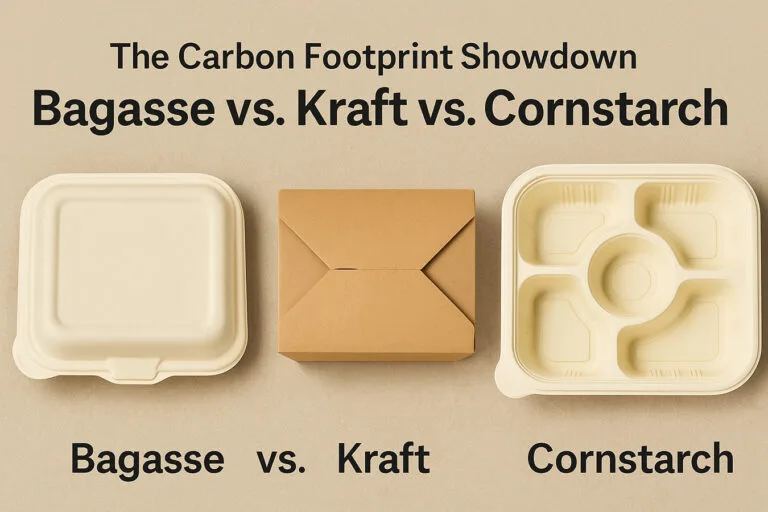
Our to go bowls with lids are made from two main types of materials: Kraft paper and white cardboard paper. Kraft paper is brown and more coarse than most papers and has high toughness and some water-resistant properties which make it good for holding medium-to-heavy and medium-hot food items , cornstarch vs cpla. Conversely, the white cardboard paper provides an aesthetic appeal even as it remains tough. Both of these materials can be recycled and are environmentally friendly – a fact that helps in the packaging design that conforms to the current green principles and yet maintains the needed standard.
Can cornstarch and CPLA products be microwaved?
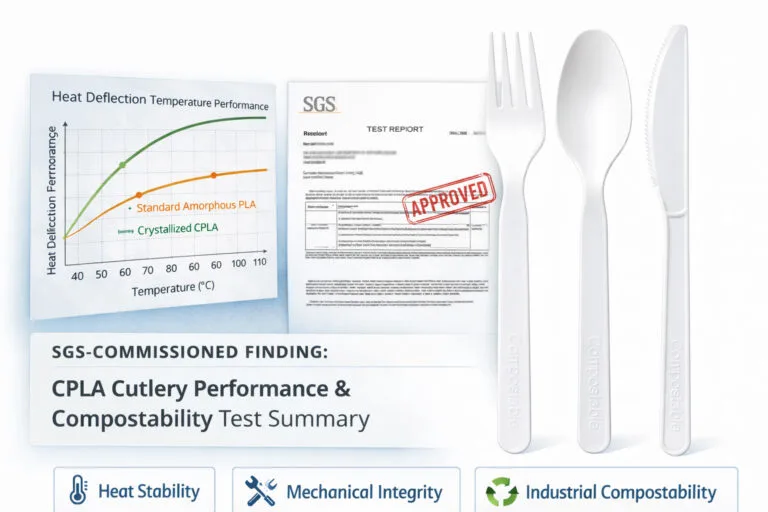
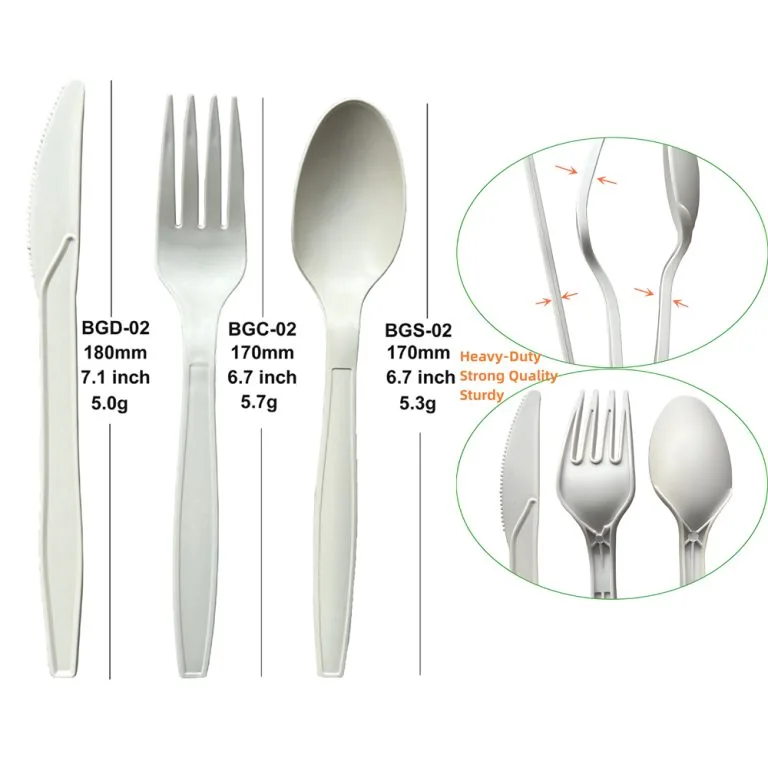
CPLA products are generally safe for limited microwave use due to their crystallized structure — cornstarch vs cpla. Cornstarch cutlery, on the other hand, is usually not microwave-safe unless specifically labeled.
Are both cornstarch and CPLA compostable?
Both materials are industrially compostable under high-heat composting conditions, typically breaking down within 90 to 180 days. However, they may not degrade effectively in home compost systems.