Guide To Clam Packaging: Materials, Standards & Best Practices | Bioleader® Insights

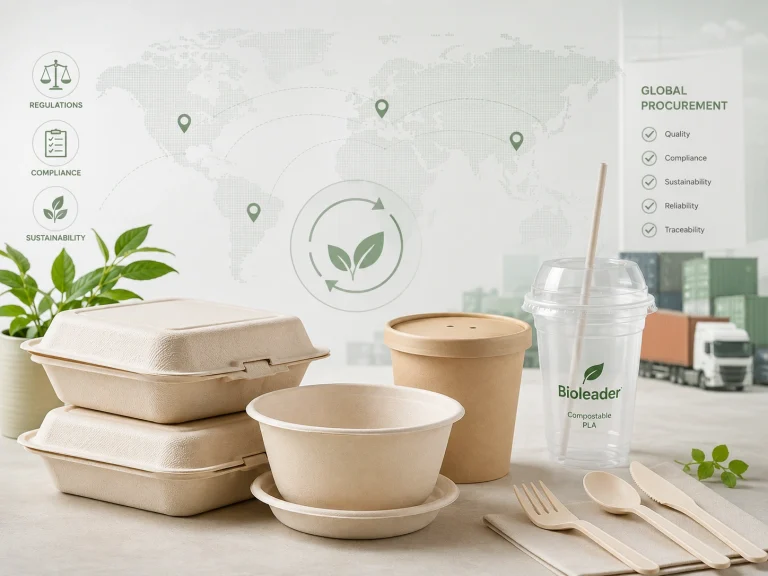
Actionable coverage of clam packaging: eco-friendly, biodegradable, compostable materials, performance data, and compliance under EN13432 & ASTM D6400. Includes BPI/TÜV references and Food-Contact Tested guidance for safe deployment. Buyer-focused: manufacturer insights, bulk/wholesale buying playbooks, OEM/ODM customization tips, full size range selection.
clam packaging — Quick Summary
  • Items displayed (articles): 12
  • Last updated: 2025-02-17
  • Includes test data, compliance guides, buyer FAQs, and real-world use cases.

Editor’s Picks: Top Clam Packaging Guides 2026

FAQ of Bioleader's Eco-friendly Disposable Tableware

Food Delivery

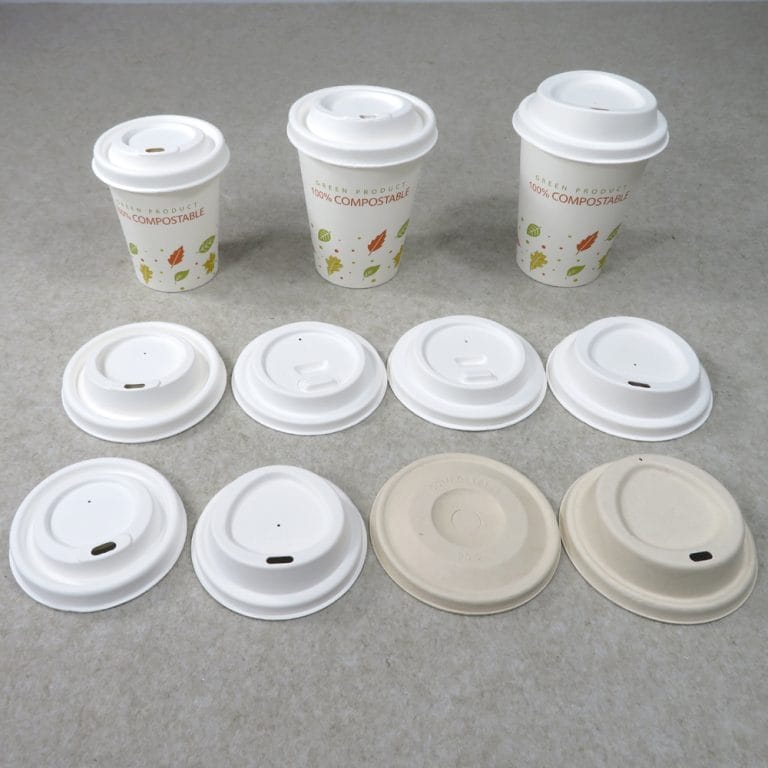
The matching lid helps protect food during short-distance transport. It is a dependable option for restaurants and cloud kitchens that need cleaner presentation and better takeaway functionality.

Institutional Foodservice

Schools, offices, hospitals, and canteens can use this bagasse tray for everyday meal distribution. It combines convenience, disposable efficiency, and better environmental positioning.

2. Are bagasse trays safe for hot and cold foods?

Yes. Bagasse trays are heat-resistant up to 120°C and freezer-safe, making them suitable for both hot meals and cold items. They are commonly used for takeout, school lunches, airline catering, and meal prep.

How to Implement Cornstarch Containers:

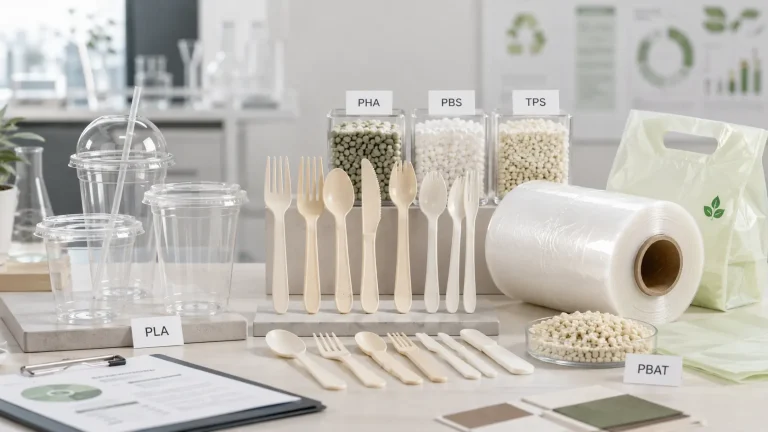
Tips: Provide instructions to customers about proper disposal, emphasizing that these containers should be composted where facilities exist. Techniques: When ordering cornstarch-based packaging, request a performance test if you plan to package very hot foods or liquids. This ensures the container will hold up , clam packaging. Best Practices: Brand them as compostable to distinguish from conventional plastics and encourage responsible consumer behavior — clam packaging.

How to Integrate Bagasse Containers:

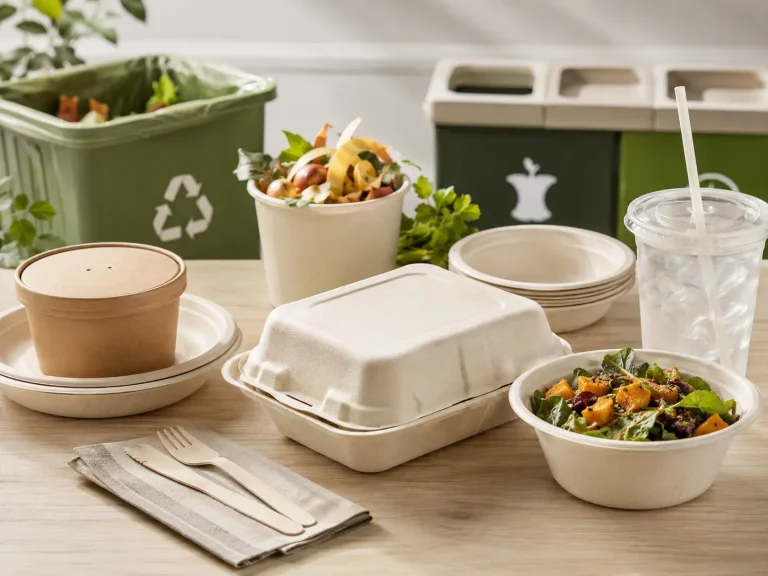
Tips: For best results, use bagasse containers for foods that are not extremely liquid or greasy. This helps maintain structural integrity. Techniques: Store these containers in a dry, cool environment to preserve their strength. Best Practices: Label the containers as compostable clamshell, and, if possible, partner with local composting facilities to encourage proper disposal , clam packaging.

Related Insights

🚀Ready to Go Green and Choose ?

Join the global movement toward zero-waste packaging.


Bioleader® offers:

  • 📦 Bulk order support & fast delivery

  • ✍️ Custom branding and OEM solutions

  • 🌍 Worldwide eco-packaging compliance

Get the Catalogue Products List  & Contact Us Now! 👉

Contact us Below

Click or drag files to this area to upload.You can upload up to 5 files.
The more details you share, the faster and more accurate our quotation will be.