Guide To Bioplastic Vs Traditional Plastic: Materials, Standards & Best Practices | Bioleader® Insights
Actionable coverage of bioplastic vs traditional plastic: eco-friendly, biodegradable, compostable materials, performance data, and compliance under EN13432 & ASTM D6400. Includes BPI/TÜV references and Food-Contact Tested guidance for safe deployment. Buyer-focused: manufacturer insights, bulk/wholesale buying playbooks, OEM/ODM customization tips, full size range selection.
bioplastic vs traditional plastic — Quick Summary
Items displayed (articles): 12
Last updated: 2025-02-20
Includes test data, compliance guides, buyer FAQs, and real-world use cases.
FAQ of Bioleader's Eco-friendly Disposable Tableware
Can individually wrapped plastic cutlery be customized?
Yes, many manufacturers offer custom wrapping designs and logo printing, helping businesses enhance their branding and provide a professional image to customers.
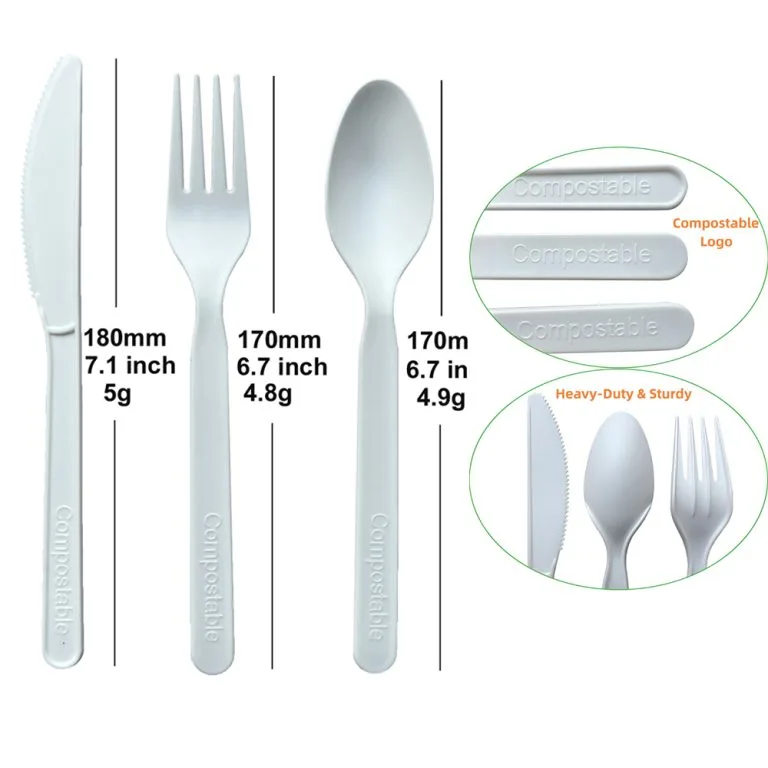
How are biodegradable spoons and forks produced?
These utensils are created through a meticulous production process, ensuring high quality and durability.
Are there trends toward more sustainable disposable tableware?
As the industry moves forward, so do the trends with it: disposable plates that don’t hurt the environment are already here , bioplastic vs traditional plastic.
Traditional Plastics
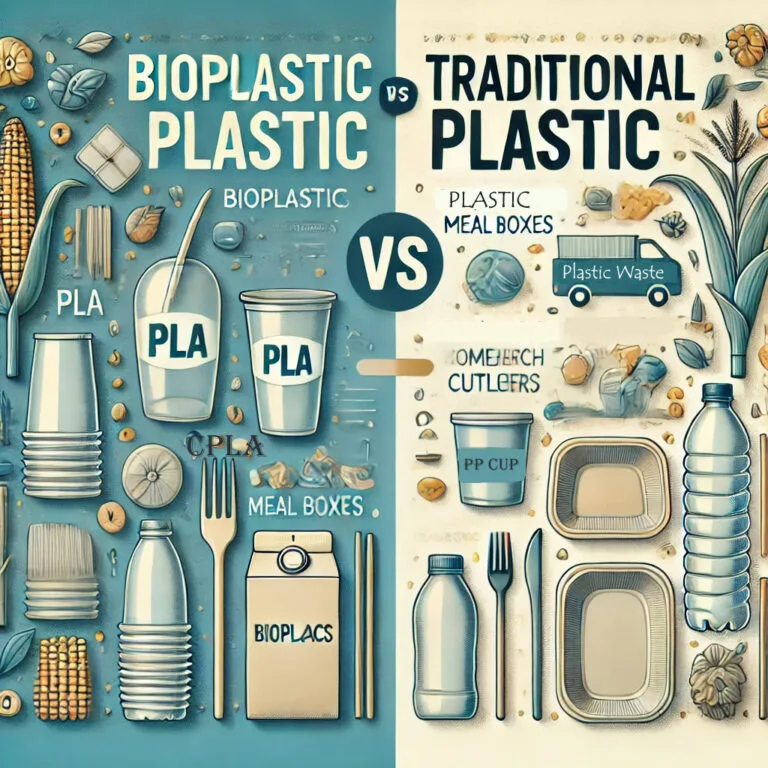
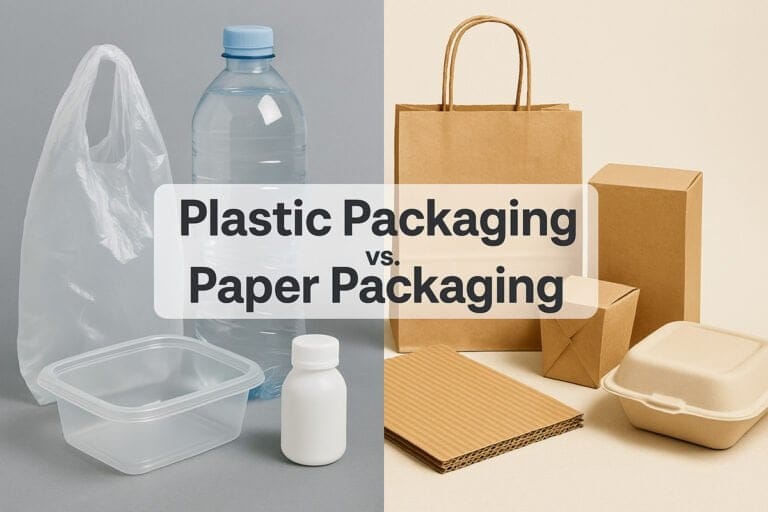
Traditional plastics are polymers primarily derived from petrochemicals — bioplastic vs traditional plastic. Polyethylene (PE), polypropylene (PP), polyvinyl chloride (PVC), polystyrene (PS), and polyethylene terephthalate (PET) are among the most commonly produced plastics worldwide — bioplastic vs traditional plastic. These materials owe their popularity to a set of unique properties: High Durability and Strength: Traditional plastics can endure substantial wear and tear, making them ideal for packaging, automotive components, and consumer goods. Versatility: Their chemical structure allows for a wide range of variations, enabling everything from rigid to flexible applications.
Environmental Footprint
Carbon Emissions: While the production of traditional plastics emits significant CO₂, bioplastics can sequester carbon during the feedstock growth phase. Nonetheless, the overall carbon balance depends heavily on farming practices, transportation, and the energy source used for production. Pollution and Waste: Traditional plastics persist in the environment for centuries. Bioplastics, especially those that are biodegradable or compostable, may degrade faster, though the conditions required for degradation (e.g., industrial composting facilities) are not always readily available.