Top Use Cases For Biodegradable Tableware Hs Code | Bioleader® Guides
Actionable coverage of biodegradable tableware hs code: eco-friendly, biodegradable, compostable materials, performance data, and compliance under EN13432 & ASTM D6400. Includes BPI/TÜV references and Food-Contact Tested guidance for safe deployment. Buyer-focused: manufacturer insights, bulk/wholesale buying playbooks, OEM/ODM customization tips, full size range selection.
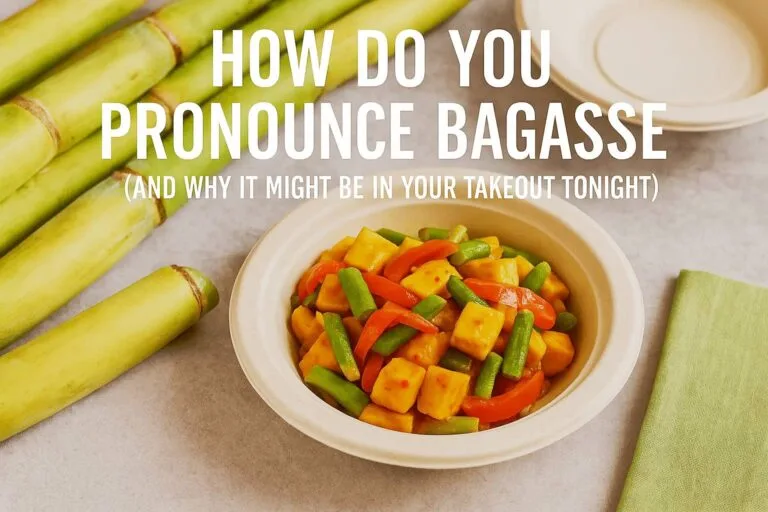
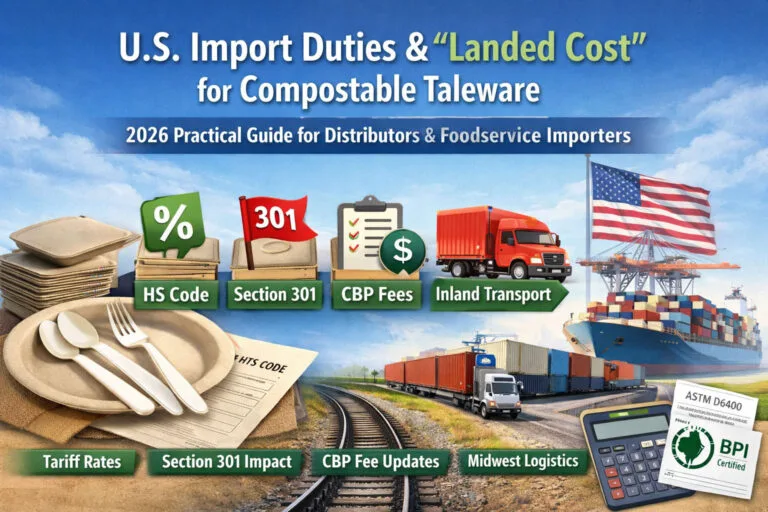
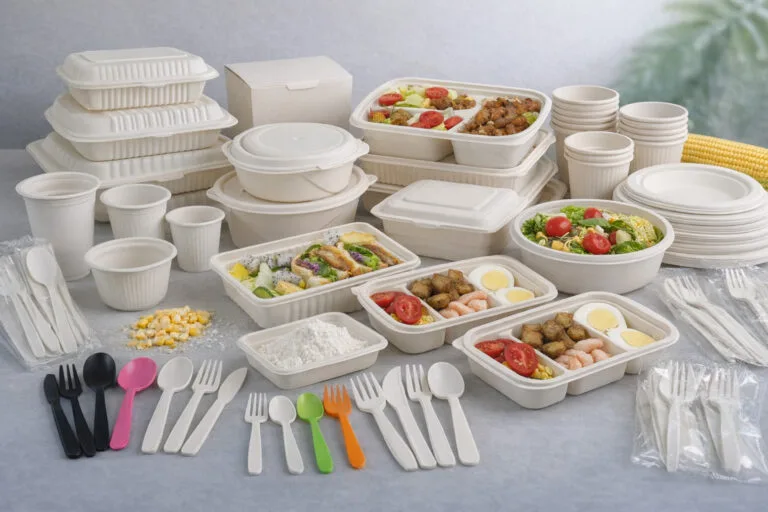
Quick Summary: Biodegradable tableware is classified by material and use, not by the “eco” label. Molded bagasse usually falls under HS 4823.70; non-molded paper cups/plates under HS 4823.61/4823.69; PLA/CPLA/cornstarch plastics under HS 3924.10; wood cutlery under HS 4419; palm/areca leaf plates are often treated separately in some jurisdictions. Apply GRI rules, document essential character, and align national 8–10 digit codes per market. Use evidence packs (material declarations, forming process, photos) and, for composite sets, classify under the component that gives the set its essential character.
FAQ of Bioleader's Eco-friendly Disposable Tableware
Do the containers comply with environmentally friendly customs?
Yes, our to go salad bowls are eco friendly because it is made of biodegradable materials such as kraft paper and white paper card board which is better than plastic.
Are the containers available with a logo impression on them?
Definitely! Print Gems. Our to go salad containers are available printed with your logo or artwork. This is a nice chance to make your business while safe packaging supplies are being delivered — biodegradable tableware hs code.
Is it possible to recycle them?
While your package design should be primarily for use single, to promote health oder, the package is strong enough for one or two times reuse with caution.
Q2. What’s the HS code for bagasse plates and bowls?
Typically 4823.70 for molded pulp/molded fiber articles used as tableware — biodegradable tableware hs code.
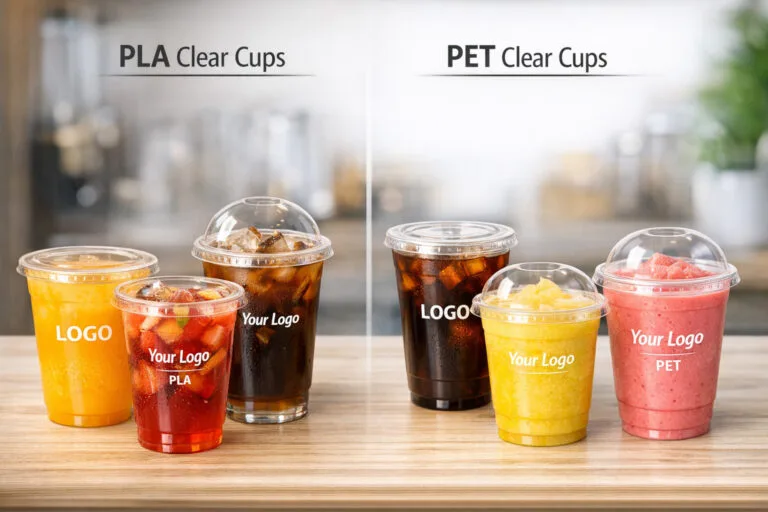
Q3. Do PLA cups and CPLA cutlery share the same heading?
Yes. They are usually in 3924.10 (tableware of plastics). Composition and use matter more than biobased content , biodegradable tableware hs code.