








Biodegradable Containers for Foodservice & Catering
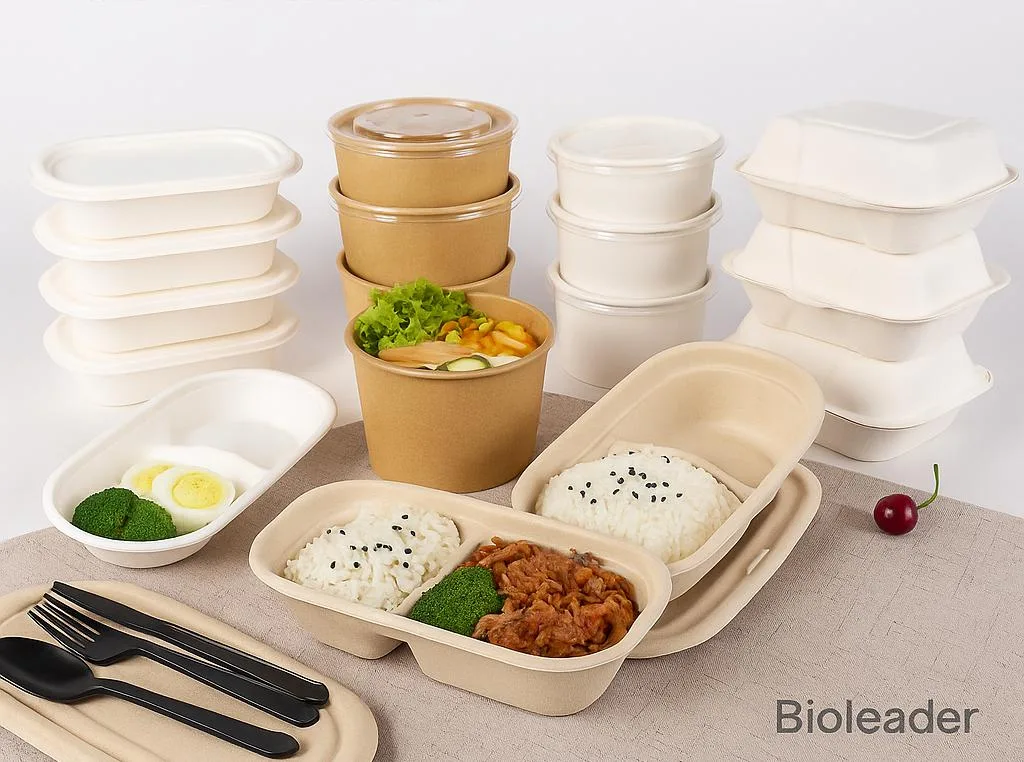
Biodegradable containers on this page represent a broad collection of foodservice packaging formats used across catering and institutional meal programs. This collection organizes core container categories to help buyers navigate by material, format, and application needs.
Browse Bioleader® Biodegradable Container Categories
Compostable Tableware Manufacturer for Foodservice & Takeaway | Bioleader®
Compostable tableware for foodservice: plates, bowls, containers, trays, and cutlery for bulk wholesale supply. PFAS-free options available for compliance-focused buyers.
Bagasse Food Containers for Catering & Foodservice | Bioleader® Manufacturer
Bagasse food containers for catering and foodservice operations. Designed for bulk meal programs, institutional dining, and large-scale foodservice supply.
Sugarcane Bagasse Food Containers | Molded Pulp Packaging Solutions
Sugarcane bagasse food containers made with molded pulp technology. Compare material structure, fiber performance, and manufacturing consistency in this Bioleader® collection.
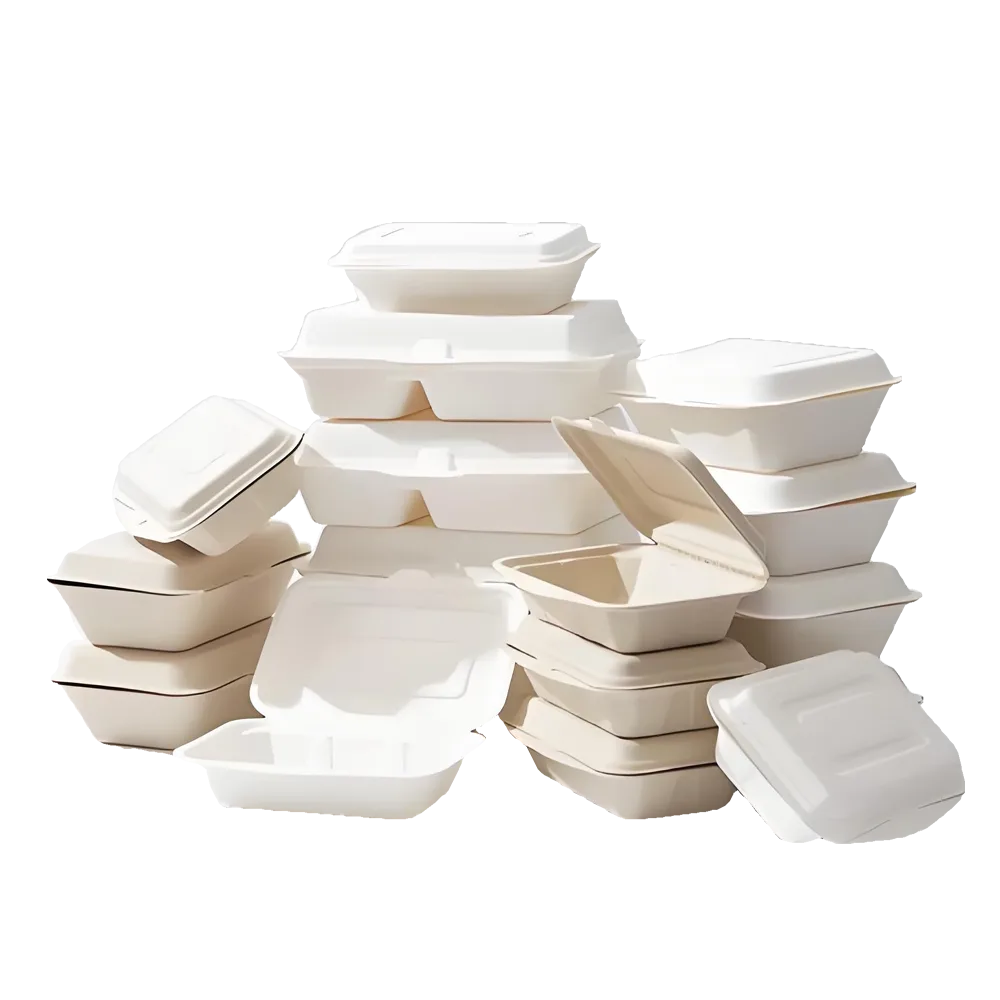
Compostable Bagasse Clamshell Containers for Takeout Packaging
Compostable bagasse clamshell containers for takeaway food. Browse 1–3 compartment clamshell styles, multiple sizes, and bulk wholesale options from Bioleader®.
Bagasse Clamshell Boxes 400–1800ml for Bento & Lunch Packaging
Biodegradable bagasse clamshell lunch boxes in 400ml–1800ml sizes. Ideal for bento meals, portion-controlled lunches, takeout catering and bulk wholesale supply.

Compostable Clamshell Containers for Restaurants & Takeaway
Bioleader’s Compostable clamshell containers for restaurants and takeaway. Offer durable, sustainable for bulk wholesale supply, repeat ordering, and foodservice operations.
Biodegradable Food Containers 400–1800ml for Eco-Conscious Brands
Biodegradable food containers in 400–1800ml sizes. Compare formats by fill volume, portion planning, and pack-out consistency with manufacturer support from Bioleader®.
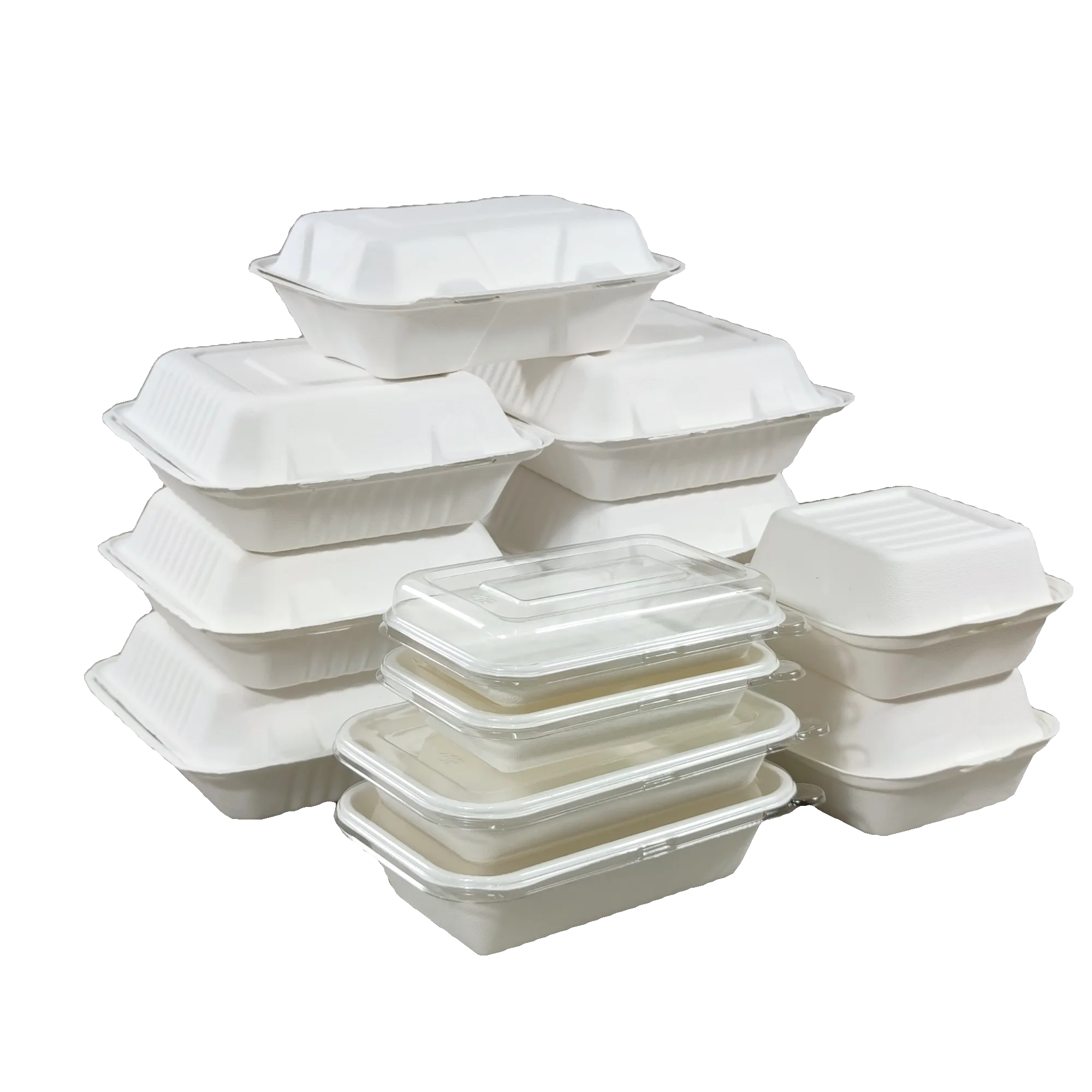
Biodegradable Food Containers with Lids for Takeout & Delivery
Biodegradable food containers with lids designed for spill-safe takeaway and delivery. Bulk wholesale solutions organized by lid systems, capacity, and supply consistency.
Biodegradable Takeaway Containers for Fast-Food Service
Biodegradable takeaway containers for fast-food service, featuring sugarcane bagasse options for high-volume, quick-service operations and one-stop bulk wholesale supply.
Sugarcane Pulp Tableware for Catering | Plates & Bowls
Sugarcane pulp plates and bowls designed for catering and large-volume foodservice use.

Sustainable Takeaway Packaging for Fast-Food & Delivery
Sustainable takeaway packaging solutions combining biodegradable materials with practical foodservice design.

Biodegradable Food Packaging Solutions | Compostable Packaging for Foodservice
Biodegradable and compostable food packaging solutions for foodservice, covering containers, tableware, and takeaway formats across multiple application scenarios.
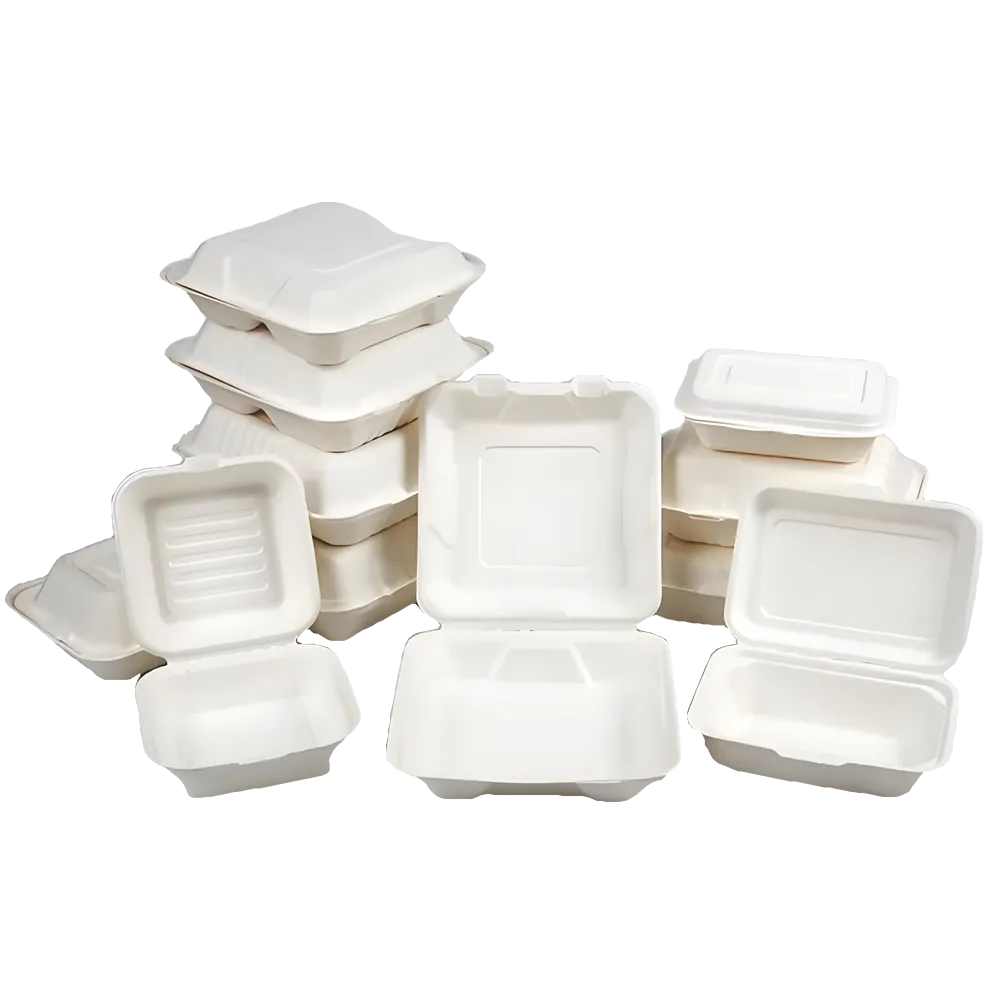
What Biodegradable Containers Mean in Foodservice
In foodservice and catering, “biodegradable containers” typically refers to packaging formats designed for food handling that are positioned as lower-impact alternatives to conventional plastic in applicable disposal systems. Buyers use this term as an umbrella category that may include multiple materials and formats across different meal programs.
Because requirements vary by menu type, holding time, and service model, the most effective way to evaluate biodegradable containers is to start with application needs, then match the material and container format.


Common Materials Used in Biodegradable Containers
Biodegradable container programs typically involve a mix of material families, each aligned to different operational needs:
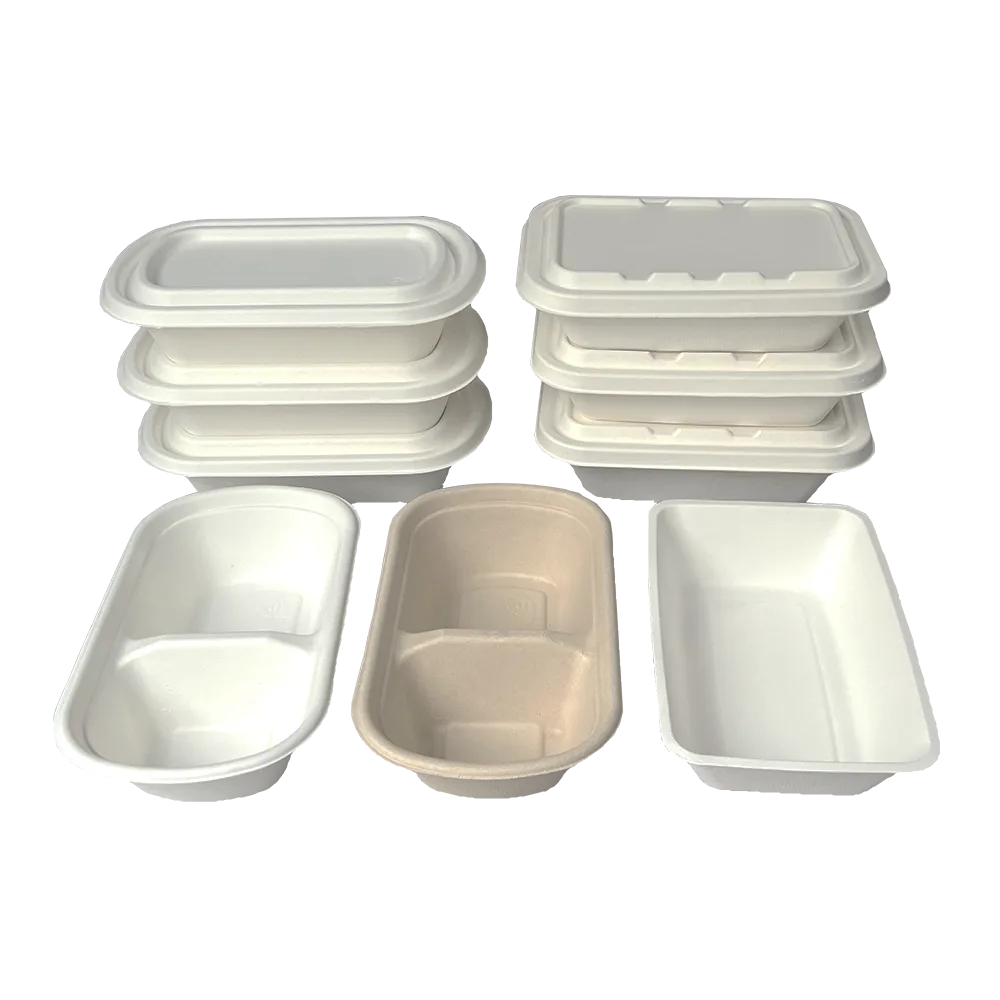
Sugarcane bagasse food containers / molded fiber: popular for rigid food containers in catering and counter service programs.
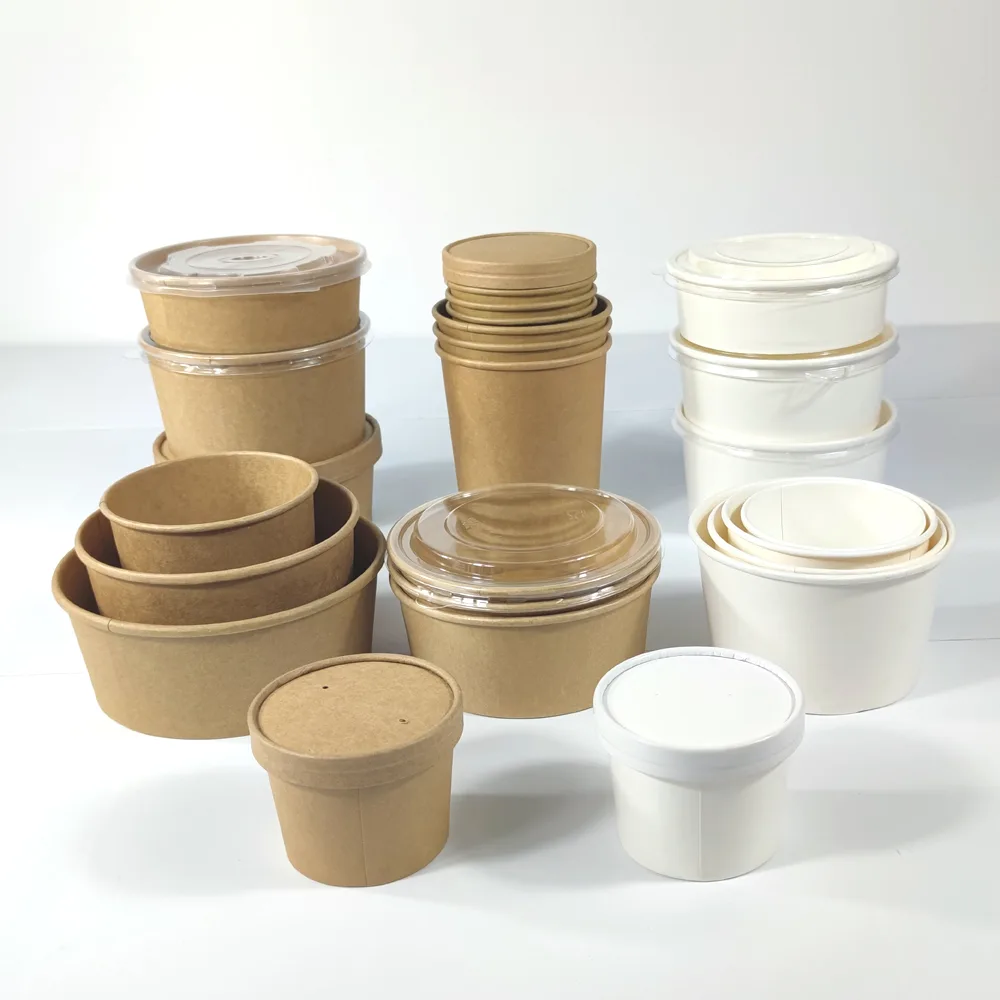
Paper Bowls & Container with lids / Paper-based structures: often used for bowls and boxes where lightweight construction and printability matter.
Cornstarch / Plant-based biopolymers: used in specific cold or specialty applications depending on program design.
For buyers, material selection should follow the service scenario, packing workflow, and destination market requirements.

Typical Formats Buyers Compare
Biodegradable containers are commonly evaluated by format because format determines packing speed and menu fit:
Clamshell containers for quick packing and combo meals
Food containers for standardized portions and meal sets
Bowls and trays for soups, sides, and open-top service
Container sets with lids when packing workflow requires sealed handling
Format-first selection improves consistency in high-volume programs and simplifies procurement.
Application Scenarios in Catering & Foodservice
Foodservice buyers typically map biodegradable container needs into a few operational scenarios:
Catering and institutional meal programs with standardized portions
Counter-based takeaway where speed and turnover drive packaging choice
Takeaway and delivery workflows where container sets and lids support packing consistency
These scenarios help define the right category to evaluate next.
FAQs About Biodegradable Containers
How should buyers start selecting biodegradable food containers?
Start with the foodservice application and packing workflow rather than the material name alone. Buyers should first define the menu, portion size, food temperature, holding or transport time, closure requirements, and service model, then compare suitable materials and container formats.
Are biodegradable containers made from one specific material?
No. Biodegradable food containers are an umbrella category that can include sugarcane bagasse molded fiber, paper-based structures, cornstarch-based materials, and other material systems. Availability and suitability depend on the product format, intended use, and destination market.
What container formats are commonly used in foodservice and catering?
Common formats include hinged clamshell boxes, portion containers, bowls, trays, compartment containers, and container-and-lid sets. The best format depends on the menu, portion structure, packing speed, stacking requirements, and whether the food will be served immediately, held, transported, or delivered.
Should buyers choose the material or the container format first?
In most foodservice projects, it is more practical to define the application and required container format first, then compare materials that can meet those requirements. Selecting by material alone can overlook important factors such as portion fit, closure design, packing workflow, temperature, and handling conditions.
Does biodegradable mean the same as compostable?
Not necessarily. “Biodegradable” is a broad term describing the potential for a material to break down through biological processes, while compostable claims normally refer to defined conditions and specific standards or certification criteria. Buyers requiring compostability should verify the documentation for the specific material or product and the requirements of the destination market.
What information should buyers provide for a biodegradable container quotation?
Buyers should provide the intended food or application, preferred container format, approximate size or capacity, compartment and lid requirements, quantity per item, destination market and delivery location, purchasing timeline, and any required food-contact, compostability, or other compliance documentation.