Biodegradable Food Containers Supplier: Quick Reference Guide | Bioleader® Guide

Actionable coverage of biodegradable food containers supplier: eco-friendly, biodegradable, compostable materials, performance data, and compliance under EN13432 & ASTM D6400. Includes BPI/TÜV references and Food-Contact Tested guidance for safe deployment. Buyer-focused: manufacturer insights, bulk/wholesale buying playbooks, OEM/ODM customization tips, full size range selection.

In an era marked by heightened environmental awareness, the understanding of biodegradable and non-biodegradable materials is crucial. Opting for biodegradable alternatives can significantly reduce environmental harm, mitigate pollution, and advance sustainable living practices. This guide offers comprehensive insights, empowering consumers and businesses to make informed decisions aligning with long-term ecological sustainability.

biodegradable food containers supplier — Quick Summary
  • Items displayed (articles): 12
  • Last updated: 2025-03-16
  • Includes test data, compliance guides, buyer FAQs, and real-world use cases.

Editor’s Picks: Top Biodegradable Food Containers Supplier Guides 2026

FAQ of Bioleader's Eco-friendly Disposable Tableware

What are the dimensions it comes in?

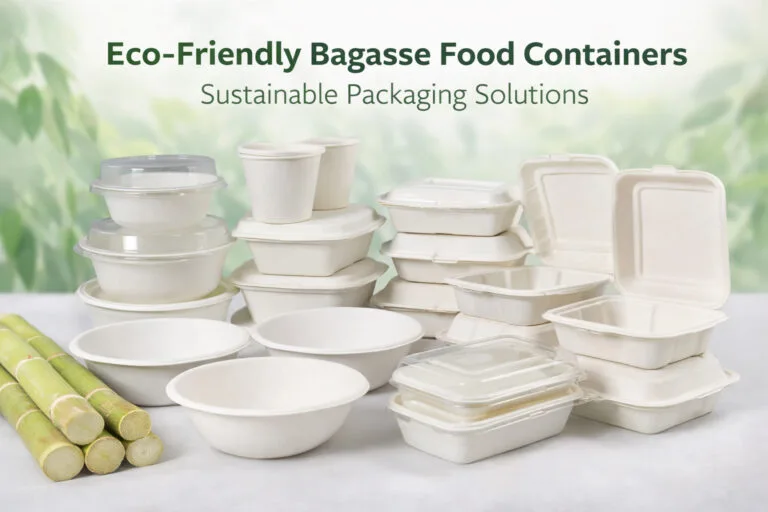
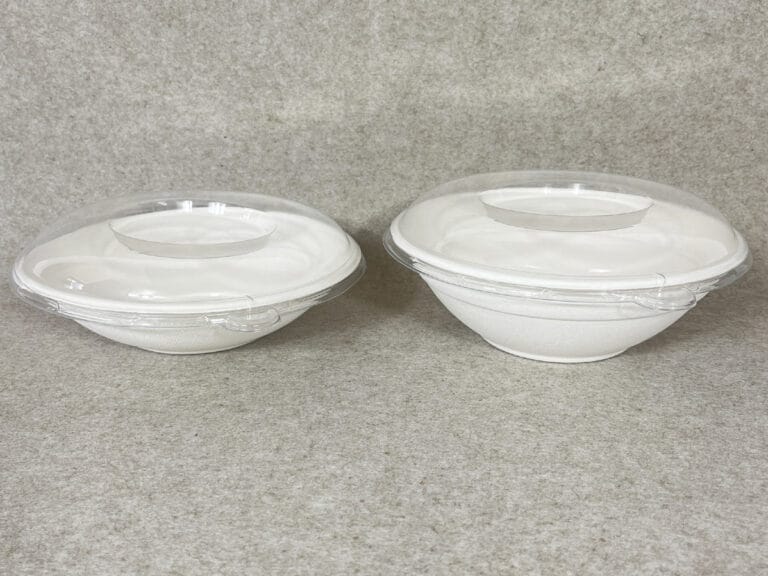
As for the to go bowls, these are available in different capacities of 500ml,750ml,1000ml,1090ml,1200ml,1300ml, and 1500ml. This implies that it serves a range of meals, that is, when it is served in a small salad one portion comes with it, and when it is served in larger portions many servings are included.

Can these bowls be used in a microwave?

Yes, our eco friendly disposable bowls are microwaveable, which allows users to heat food without the need of an extra bowl.

Do the lids fit in place as they are meant to?

Yes, the lids form a firm seal; there is no slippage nor escape of food once food is packed inside, even during transit , biodegradable food containers supplier.

Biodegradation Process

Biodeterioration: Initiated by environmental elements like ultraviolet radiation, moisture, and physical abrasion, breaking down material integrity. Biofragmentation: Microorganisms secrete enzymes, fragmenting complex materials into smaller, simpler molecules , biodegradable food containers supplier. Assimilation: Microbes uptake these fragmented molecules for energy and growth. Mineralization: Final transformation into fundamental natural elements like carbon dioxide and water.

Common Non-Biodegradable Materials

Plastics: Petroleum-based plastics persist for centuries, fragmenting into microplastics. Metals: Metals like aluminum and steel corrode slowly but do not biodegrade. Glass: Chemically inert, glass remains intact for thousands of years without degradation — biodegradable food containers supplier. Synthetic Fibers: Polyester, nylon, and acrylic remain indefinitely in ecosystems.

Related Insights

🚀Ready to Go Green and Choose ?

Join the global movement toward zero-waste packaging.


Bioleader® offers:

  • 📦 Bulk order support & fast delivery

  • ✍️ Custom branding and OEM solutions

  • 🌍 Worldwide eco-packaging compliance

Get the Catalogue Products List  & Contact Us Now! 👉

Contact us Below

Click or drag files to this area to upload.You can upload up to 5 files.
The more details you share, the faster and more accurate our quotation will be.