The 2025 Buyer’s Guide To Biodegradable Dinnerware | Bioleader® Guides

Actionable coverage of biodegradable dinnerware: eco-friendly, biodegradable, compostable materials, performance data, and compliance under EN13432 & ASTM D6400. Includes BPI/TÜV references and Food-Contact Tested guidance for safe deployment. Buyer-focused: manufacturer insights, bulk/wholesale buying playbooks, OEM/ODM customization tips, full size range selection.

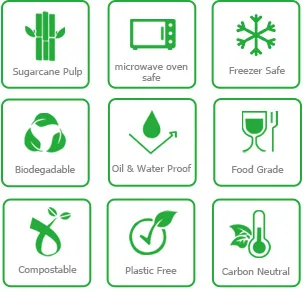
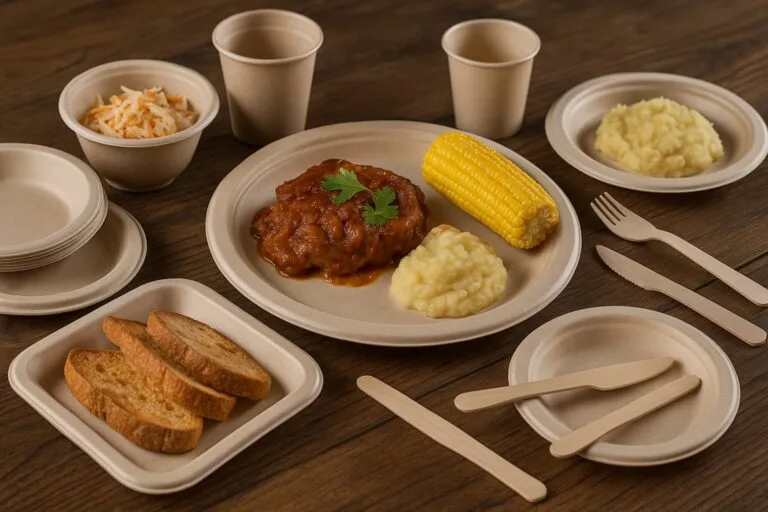
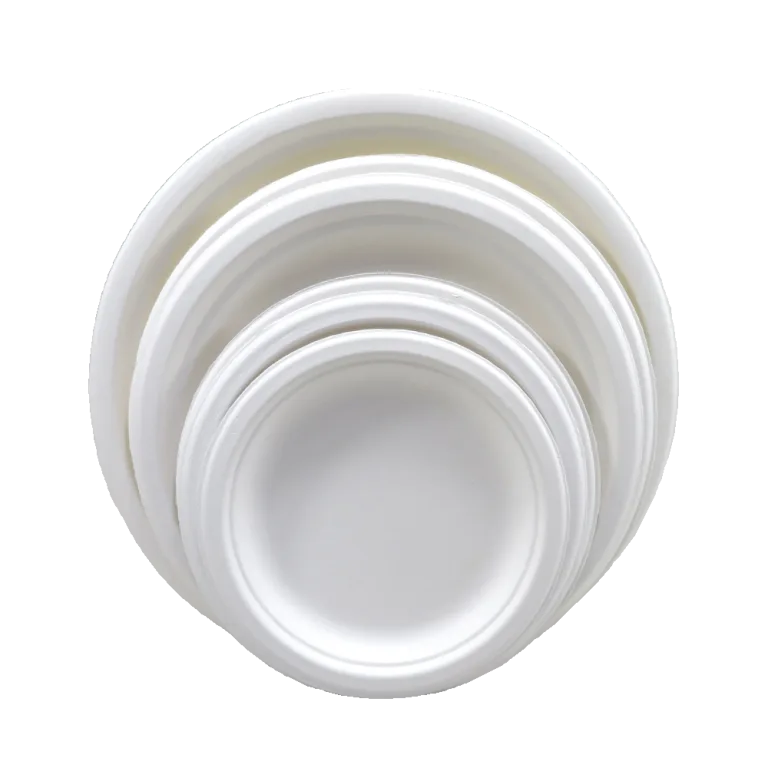
Key Insight: Among all compostable plates, bagasse plates show the highest heat resistance (up to 120°C), surpassing cornstarch plates and kraft paper plates. Bagasse’s natural fiber structure provides oil and water resistance without coatings, is PFAS-free, and meets EN13432 & ASTM D6400 compostability standards. Ideal for restaurants, takeaways, and sustainable food packaging.

biodegradable dinnerware — Quick Summary
  • Items displayed (articles): 12
  • Last updated: 2025-10-15
  • Includes test data, compliance guides, buyer FAQs, and real-world use cases.

Editor’s Picks: Top Biodegradable Dinnerware Guides 2026

FAQ of Bioleader's Eco-friendly Disposable Tableware

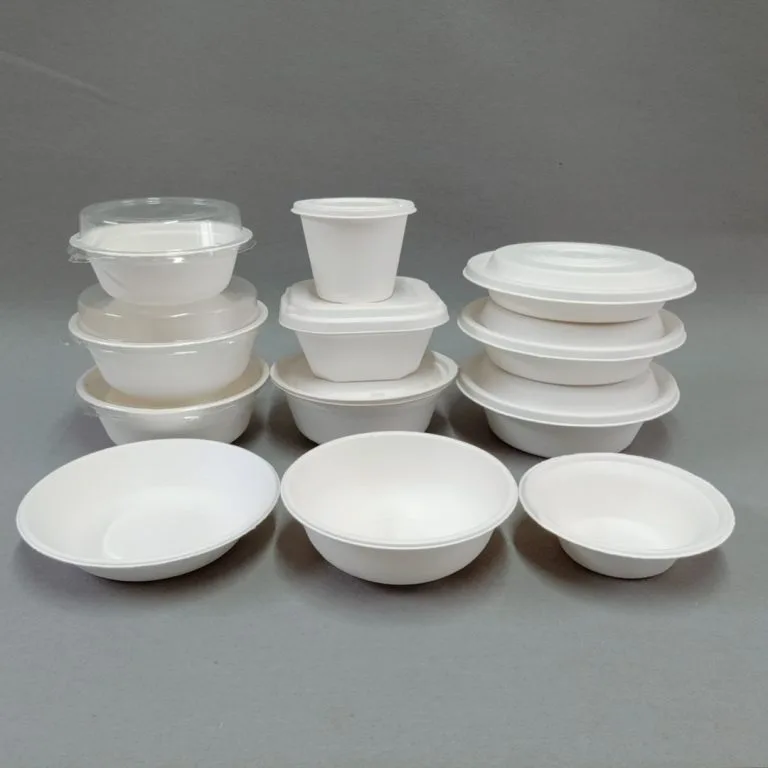
Can I customize these bowls with my brand logo?

Yes, we offer full customization options — biodegradable dinnerware. You can add your company’s logo or custom artwork to create unique and branded eco-friendly packaging.

Do the lids fit tightly?

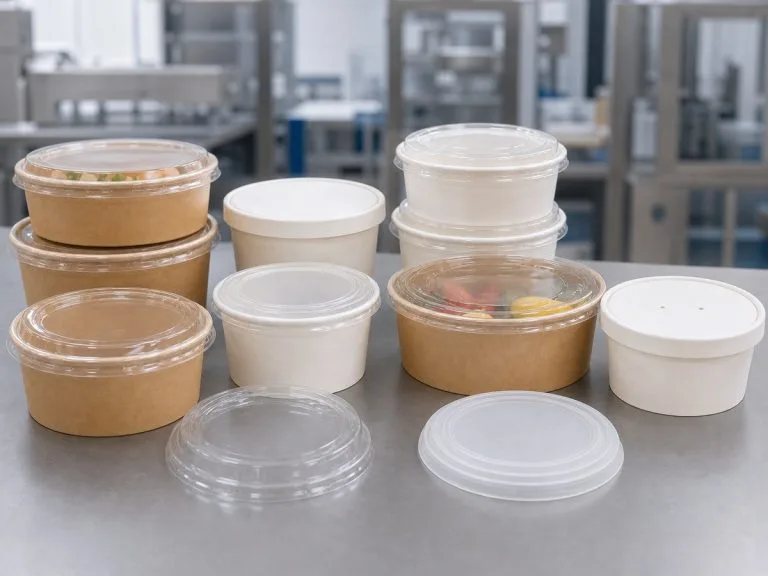
Yes, The lids can be placed firmly on the containers ensuring no spillage while carrying or dragging around.

How many sizes of the product can I get?

The compostable salad bowls are within the capacity range of 500 and 1500 ml (8 oz-48 oz), Availing variety for the mass.

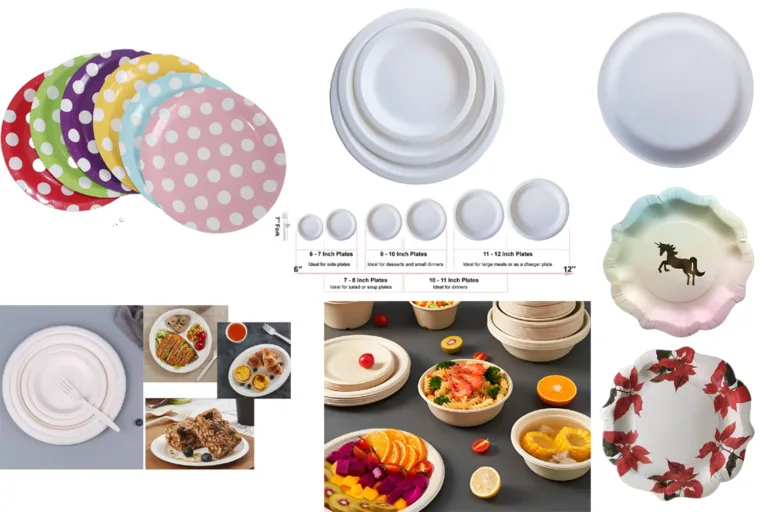
1. Standard Paper Plates

Material: Typically made from wood pulp (paperboard) and coated with a layer of wax or plastic to make them moisture-resistant — biodegradable dinnerware. Use: Common for everyday use at parties, picnics, or casual dining. Environmental Impact: Non-biodegradable when coated with plastic — biodegradable dinnerware. If coated with wax, they are more biodegradable but still not ideal for composting.

Expert Opinions and Data

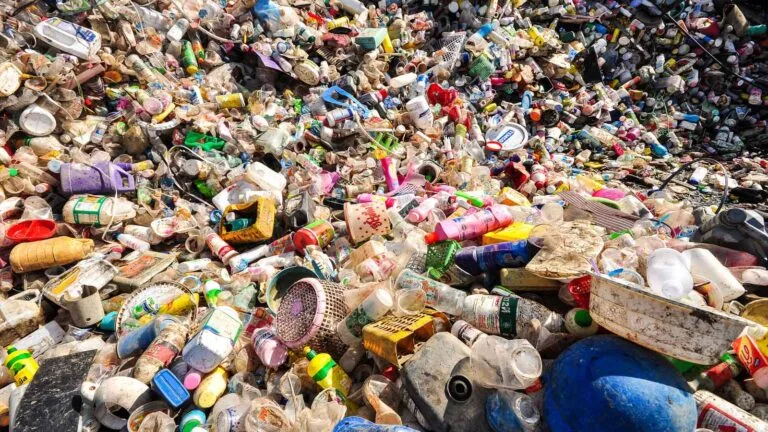
Environmental economists and sustainability experts consistently emphasize the urgency of reducing plastic waste. A report by the Natural Resources Defense Council (NRDC) reveals that over 80% of ocean debris is plastic, which further incentivizes the shift toward biodegradable alternatives. Additionally, leading research institutions such as the Scripps Institution of Oceanography have published studies questioning the real-world degradability of some bioplastics—an insight that underscores the need for clear product differentiation and rigorous quality standards.

Related Insights

🚀Ready to Go Green and Choose ?

Join the global movement toward zero-waste packaging.


Bioleader® offers:

  • 📦 Bulk order support & fast delivery

  • ✍️ Custom branding and OEM solutions

  • 🌍 Worldwide eco-packaging compliance

Get the Catalogue Products List  & Contact Us Now! 👉

Contact us Below

Click or drag files to this area to upload.You can upload up to 5 files.
The more details you share, the faster and more accurate our quotation will be.