Bamboo Vs Wheat Straw Plates 101: What It Is, When To Use, And How To Choose | Bioleader® Sustainable Packaging

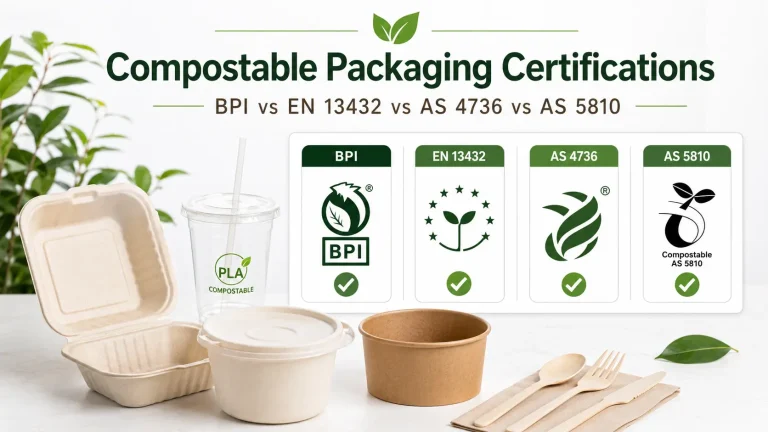
Actionable coverage of bamboo vs wheat straw plates: eco-friendly, biodegradable, compostable materials, performance data, and compliance under EN13432 & ASTM D6400. Includes BPI/TÜV references and Food-Contact Tested guidance for safe deployment. Buyer-focused: manufacturer insights, bulk/wholesale buying playbooks, OEM/ODM customization tips, full size range selection.

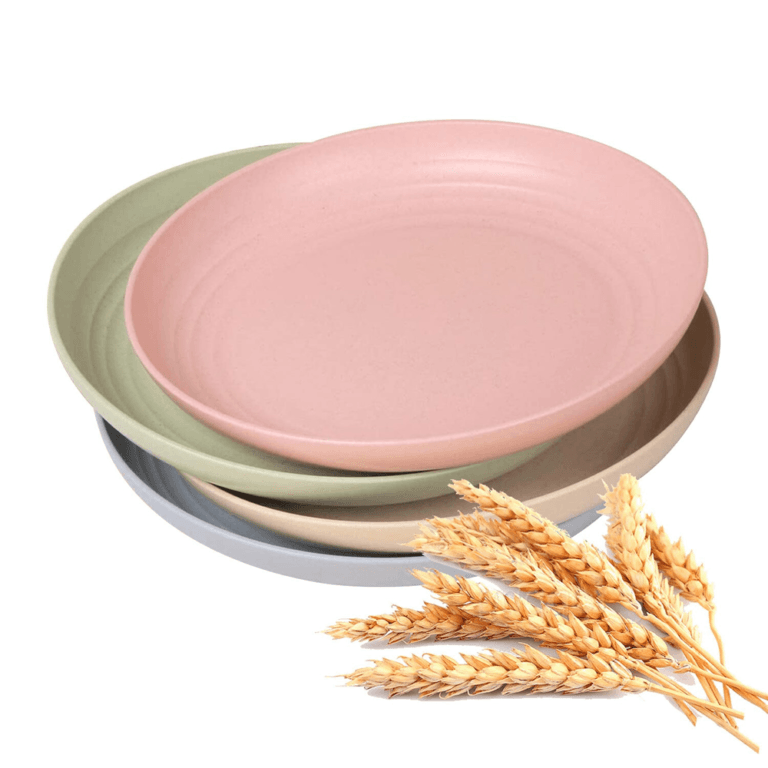
Wheat straw plates are a sustainable alternative to traditional plastic or ceramic dinnerware. They are crafted from the stalks left over after harvesting wheat grains—a byproduct that would otherwise be discarded or burned. These stalks contain lignin and cellulose, which can be processed into a plastic-like material suitable for making durable and biodegradable plates. This innovative use of agricultural waste reduces environmental impact and promotes a circular economy by repurposing abundant and renewable materials.​

bamboo vs wheat straw plates — Quick Summary
  • Items displayed (articles): 12
  • Last updated: 2025-04-16
  • Includes test data, compliance guides, buyer FAQs, and real-world use cases.

Editor’s Picks: Top Bamboo Vs Wheat Straw Plates Guides 2026

FAQ of Bioleader's Eco-friendly Disposable Tableware

Eco-Friendly, Compostable, and Biodegradable

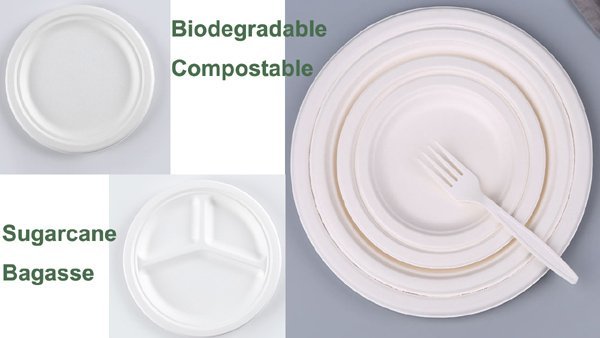
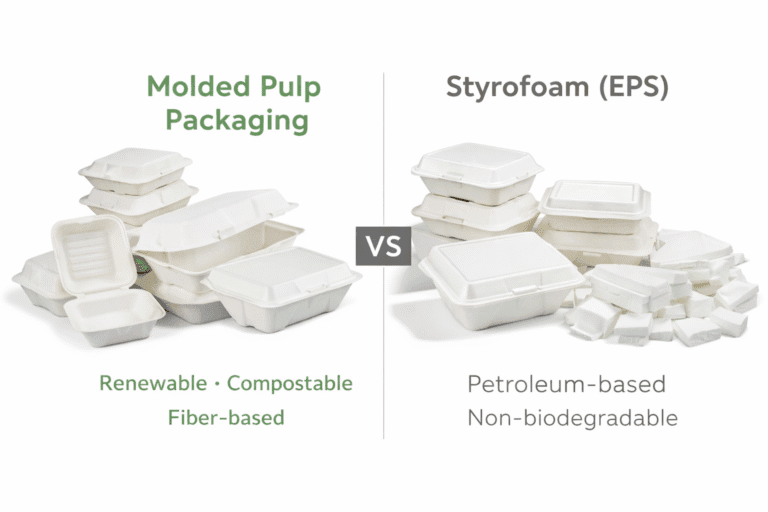
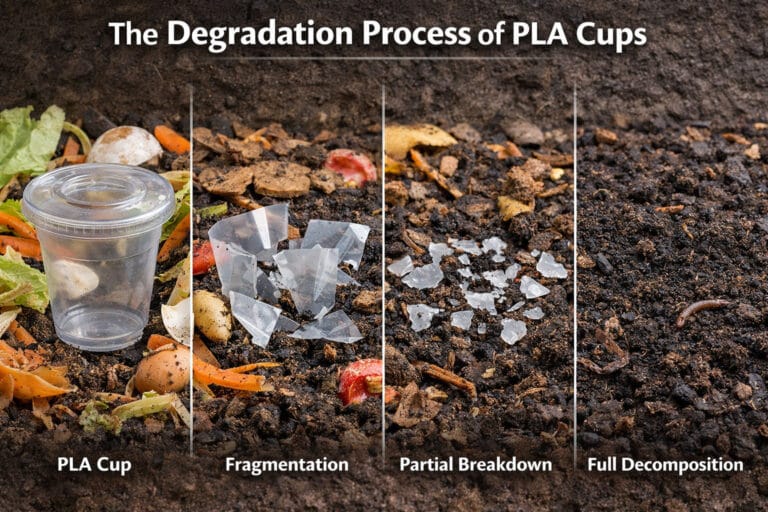
Our molded pulp trays are fully compostable and biodegradable. They naturally break down within a few months, supporting a circular economy and reducing landfill burden. This makes our sugarcane pulp trays an excellent choice for eco-conscious consumers and businesses looking to adopt sustainable practices.

Sturdy and Reliable Construction

Our bagasse containers are built to withstand various conditions, from hot meals to refrigeration. The durable design ensures they retain their shape and functionality, making them a trusted solution for food takeaway, delivery, and more. With these containers with lids, you can rely on consistent performance every time. Ideal for a Variety of Applications Our takeaway containers with lids are perfect for multiple uses, including restaurants, food packaging, takeaways, and food deliveries.

1. What materials are commonly used for takeaway containers with lids?

Takeaway containers are made from a variety of materials including sugarcane bagasse, kraft paper, PLA bioplastics, PP plastic, and aluminum. For eco-friendly applications, compostable bagasse and PLA are the most sustainable choices , bamboo vs wheat straw plates.

How do wheat straw plates compare to plastic plates?

Wheat straw plates are biodegradable, compostable, and non-toxic, while plastic plates are petroleum-based, non-biodegradable, and may leach harmful chemicals.

Do wheat straw plates contain gluten?

No. Despite being made from wheat by-products, the gluten-containing parts (i.e., the grain) are not used in the production process — bamboo vs wheat straw plates. They are safe for gluten-sensitive individuals — bamboo vs wheat straw plates.

Related Insights

🚀Ready to Go Green and Choose ?

Join the global movement toward zero-waste packaging.


Bioleader® offers:

  • 📦 Bulk order support & fast delivery

  • ✍️ Custom branding and OEM solutions

  • 🌍 Worldwide eco-packaging compliance

Get the Catalogue Products List  & Contact Us Now! 👉

Contact us Below

Click or drag files to this area to upload.You can upload up to 5 files.
The more details you share, the faster and more accurate our quotation will be.