Highlights from featured articles under this tag:


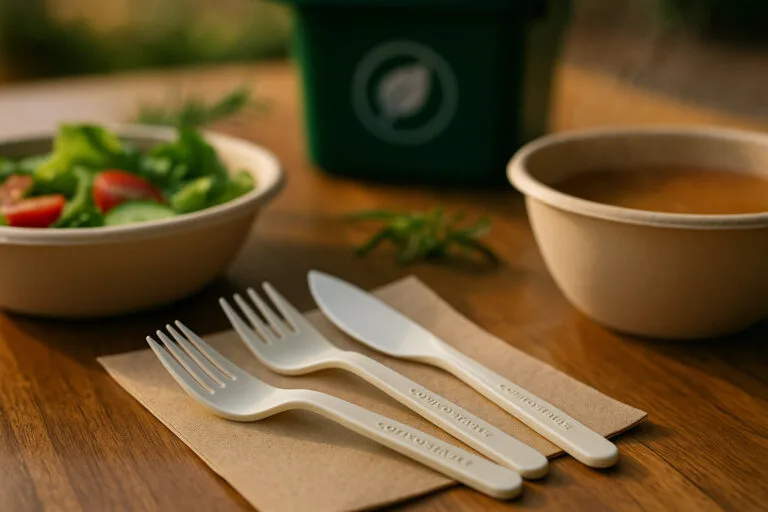
Biodegradable means a material may break down over time, but it does not guarantee the speed, conditions, or residue quality. Compostable forks must meet defined composting standards and are designed to break down into compost under specified conditions.
In industrial composting facilities, many certified compostable forks are designed to decompose within the required certification timeframe, often around 90 to 180 days. Home composting may take longer and is not suitable for all materials.
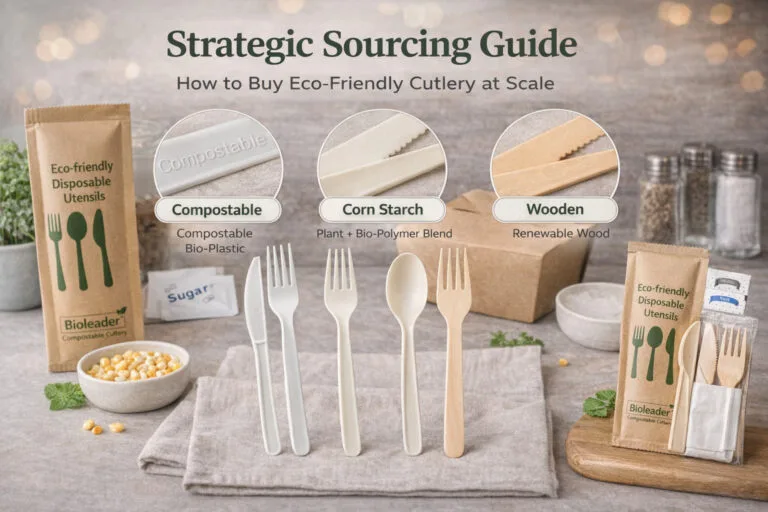
CPLA and bamboo or wood-based forks are generally more suitable for hot foods. Cornstarch forks may soften under high heat, while bagasse fiber forks should be tested for stiffness and performance. Always check supplier specifications.
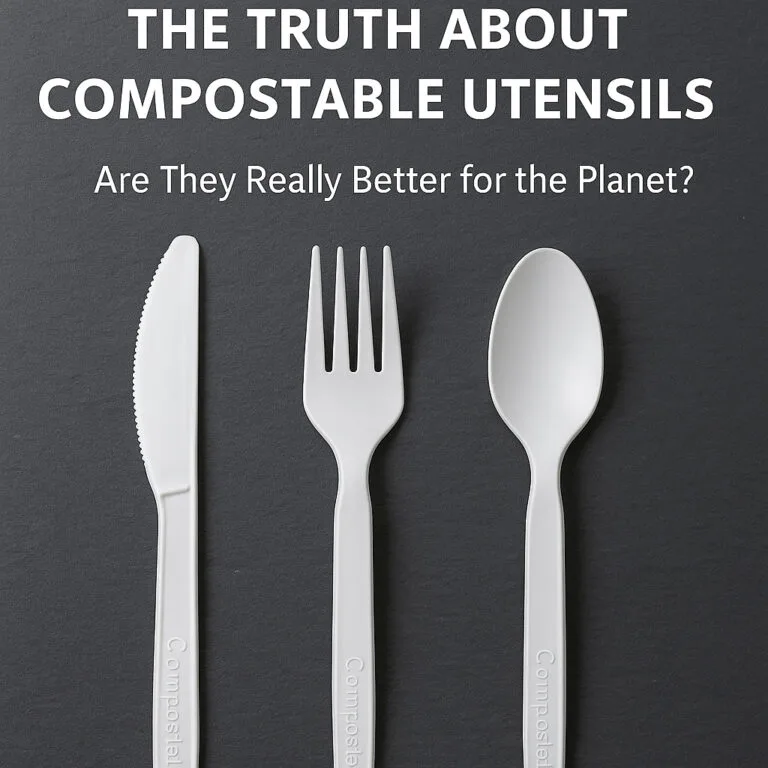
Compostable forks can reduce plastic pollution when properly collected and composted. Their environmental benefit depends on renewable material sourcing, production method, certification, composting infrastructure, and whether they avoid landfill or contamination.
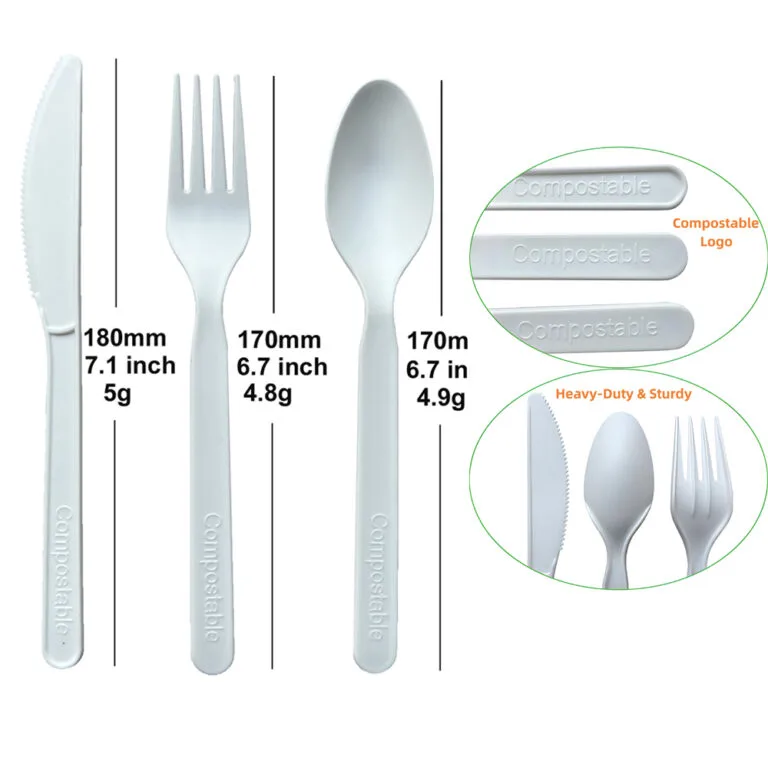
Compostable forks are typically made from plant-based or natural materials such as cornstarch, PLA, CPLA, bamboo, wood, or sugarcane fiber bagasse. Each material has different strength, heat resistance, cost, and composting requirements.
Join the global movement toward zero-waste packaging.
Bioleader® offers:
📦 Bulk order support & fast delivery
✍️ Custom branding and OEM solutions
🌍 Worldwide eco-packaging compliance
Get the Catalogue Products List & Contact Us Now! 👉