The 2025 Buyer’s Guide To Bagasse Plates China | Bioleader® Insights

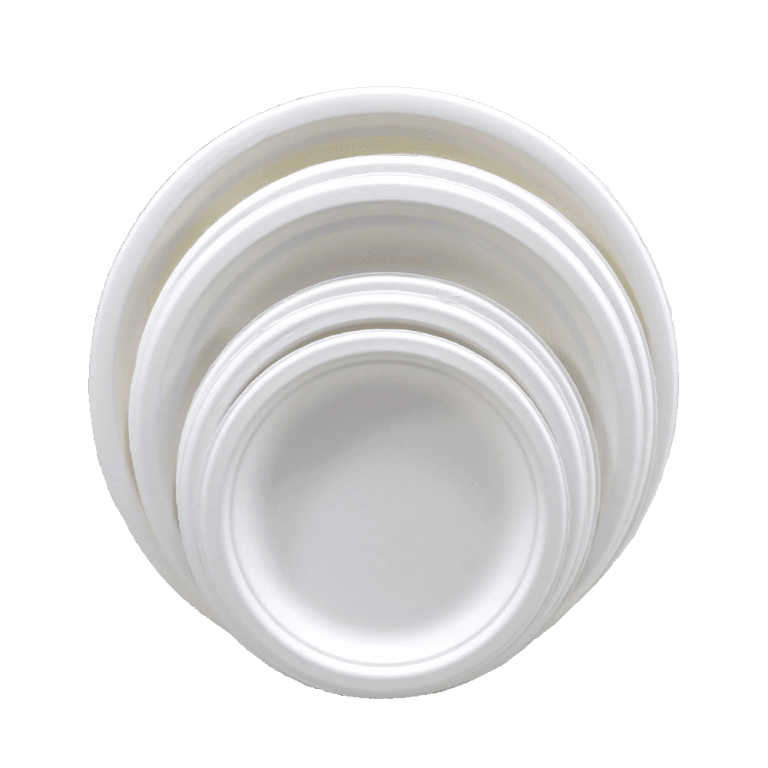
Actionable coverage of Bagasse Plates China: eco-friendly, biodegradable, compostable materials, performance data, and compliance under EN13432 & ASTM D6400. Includes BPI/TÜV references and Food-Contact Tested guidance for safe deployment. Buyer-focused: manufacturer insights, bulk/wholesale buying playbooks, OEM/ODM customization tips, full size range selection.
Bagasse Plates China — Quick Summary
  • Items displayed (articles): 12
  • Last updated: 2025-03-17
  • Includes test data, compliance guides, buyer FAQs, and real-world use cases.

Editor’s Picks: Top Bagasse Plates China Guides 2026

FAQ of Bioleader's Eco-friendly Disposable Tableware

1. What are disposable bagasse food trays made of?

They are made from sugarcane bagasse—the fibrous byproduct left after extracting juice from sugarcane. This renewable material is molded into durable trays that are compostable, biodegradable, and plastic-free.

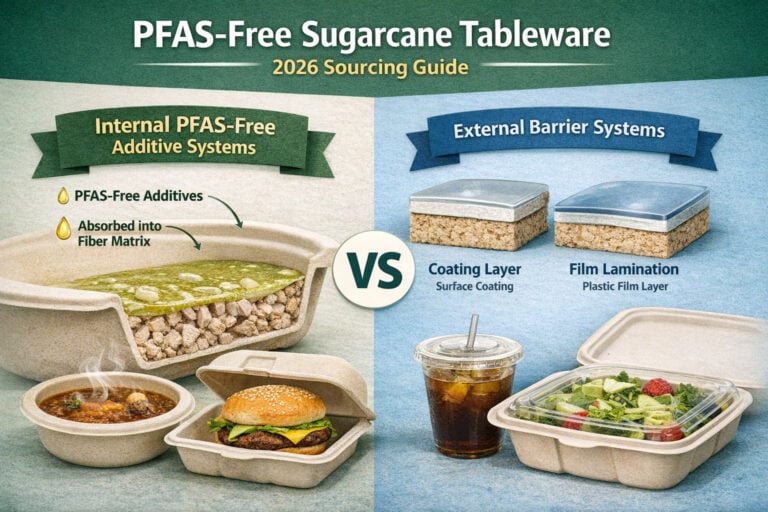
Ensure safety with products that are free of PFAS and BPA

Health comes first , Bagasse Plates China. Safety is further guaranteed when you’ve got our trays with lids that don’t have PFAS and BPA in them, two neatly packed chemicals that bring peace to the consumer as they do not have any synthetic materials that pose health risks — Bagasse Plates China. So, you know that our products are safe and clean when it comes to packaging and using them.

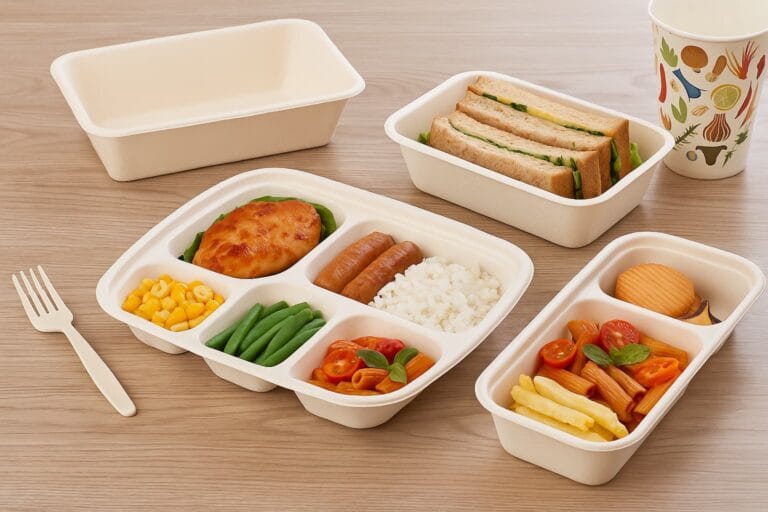
1. What are takeaway trays with lids used for?

Takeaway trays with lids are used for packaging full meals, combo dishes, or compartmentalized foods for delivery and takeaway. They help keep food fresh, prevent spillage, and maintain separation between hot and cold items.

Cost Efficiency Over Time

Although the price of bagasse plates may be higher than the cost of plastic plates, the long-term savings offset this investment. Bagasse plates do not come with many of the hidden costs that accompany plastic waste, such as environmental penalties and costly waste removal services. An increase in the production of sustainable goods should lower costs of production due to higher consumer demand; therefore, making bagasse plates even more business-friendly , Bagasse Plates China.

Comparative Life Cycle Assessment

A critical aspect of evaluating any product’s sustainability is its life cycle assessment (LCA). Comparative LCAs have revealed that the environmental impact of biodegradable plates—whether made from bagasse, cornstarch, or other materials—is markedly lower than that of traditional ceramics or plastics. For example, a study comparing ceramic plates with corn-starch biodegradable plates found that ceramics, when used less than 50 times, had an environmental impact up to five times higher than that of single-use biodegradable options. This analysis underscores the efficiency of eco-friendly plates in reducing resource consumption and carbon emissions across their lifecycle.

Related Insights

🚀Ready to Go Green and Choose ?

Join the global movement toward zero-waste packaging.


Bioleader® offers:

  • 📦 Bulk order support & fast delivery

  • ✍️ Custom branding and OEM solutions

  • 🌍 Worldwide eco-packaging compliance

Get the Catalogue Products List  & Contact Us Now! 👉

Contact us Below

Click or drag files to this area to upload.You can upload up to 5 files.
The more details you share, the faster and more accurate our quotation will be.