Allergenic Potential Of Tableware 101: What It Is, When To Use, And How To Choose | Bioleader® Sustainable Packaging

Actionable coverage of Allergenic potential of tableware: eco-friendly, biodegradable, compostable materials, performance data, and compliance under EN13432 & ASTM D6400. Includes BPI/TÜV references and Food-Contact Tested guidance for safe deployment. Buyer-focused: manufacturer insights, bulk/wholesale buying playbooks, OEM/ODM customization tips, full size range selection.

In recent years, the global push towards sustainability has led to the development and adopting of various eco-friendly alternatives to traditional plastic products. Among these, cornstarch-based tableware has emerged as a popular choice. But how does it compare to conventional plastic tableware? This blog delves into the key differences between cornstarch and plastic tableware, exploring their environmental impact, durability, cost, and more.

Allergenic potential of tableware — Quick Summary
  • Items displayed (articles): 12
  • Last updated: 2025-02-04
  • Includes test data, compliance guides, buyer FAQs, and real-world use cases.

Editor’s Picks: Top Allergenic Potential Of Tableware Guides 2026

FAQ of Bioleader's Eco-friendly Disposable Tableware

1. What are bagasse food trays made from?

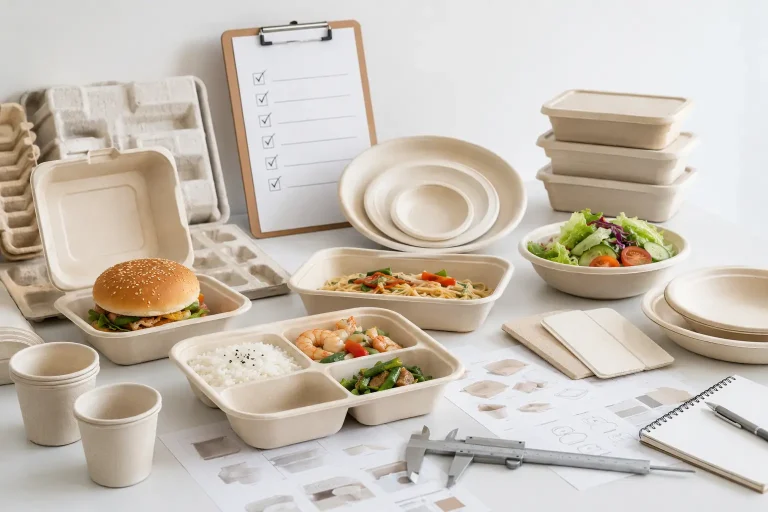
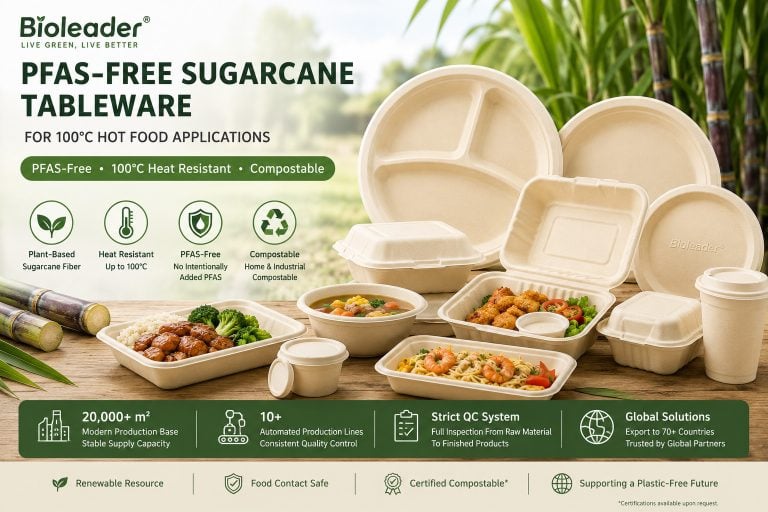
Bagasse food trays are made from the fibrous residue left after extracting juice from sugarcane. This renewable material is molded into sturdy, compostable trays, providing an eco-friendly alternative to plastic or foam trays , Allergenic potential of tableware.

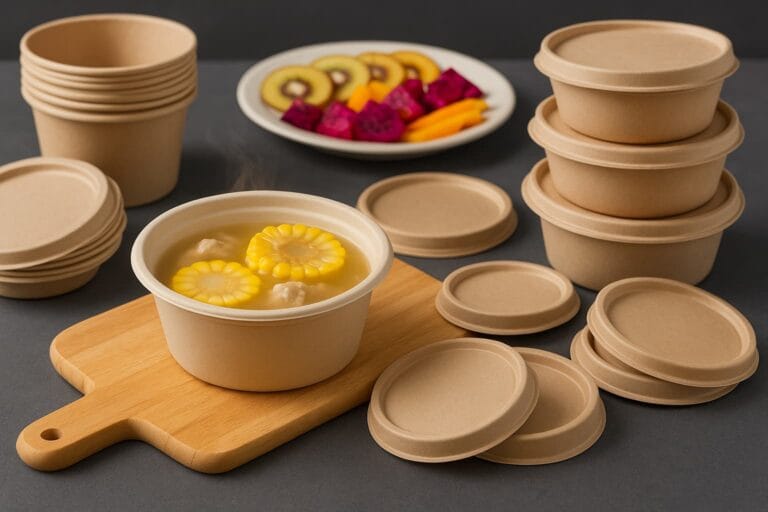
Here are the reasons people purchase paper pulp bowls:

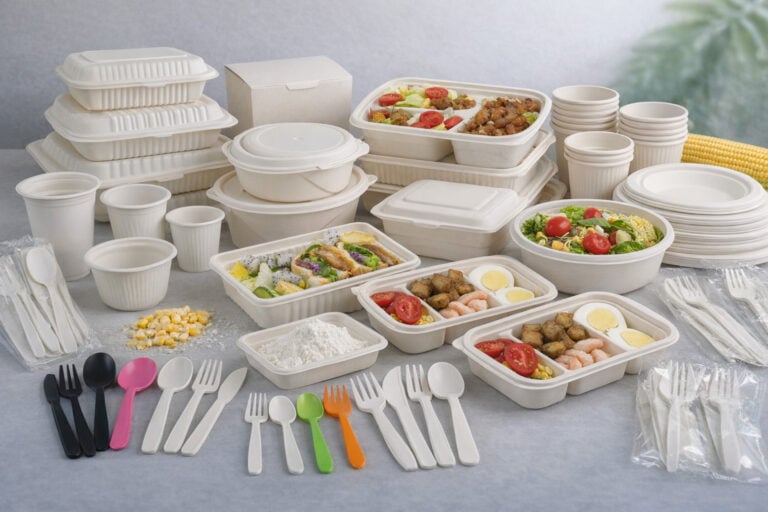
Socially Responsible: For eco-friendly customers, the focus is gradually shifting towards biodegradable bowls that aid in pollution reduction and ensure a safe environment. Safe and Healthy: Since these are produced using safe materials, they do not possess the typical worries of plastic containers that have toxins and chemicals, which make it unsafe. Custom Options for Your Bowling Alley Business: For your Specifications and Requirements To facilitate business requirements more adequately, we offer a wide range of sizes and packaging for paper pulp bowls so you can customize them as per your needs. For Better Delivery Options, you can Pick Special Designs Or Printing; therefore, you don’t have to Worry About How Your Brand Will Look.

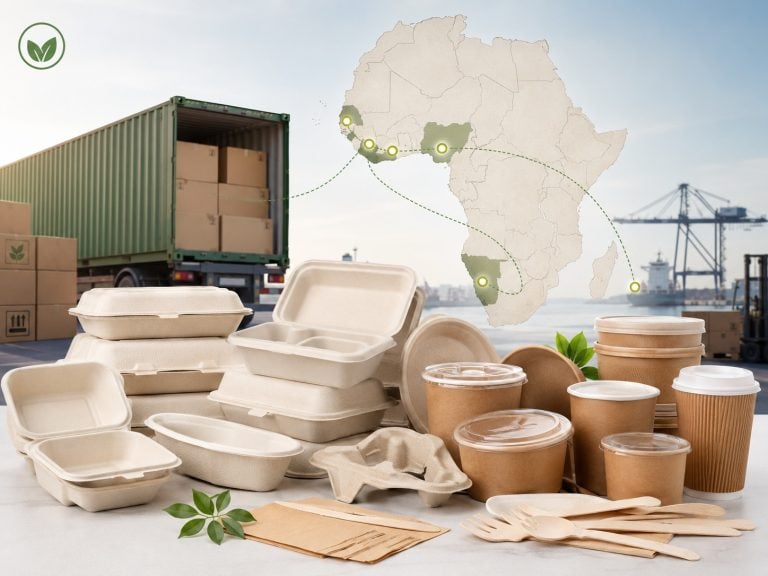
1. What materials are commonly used for takeaway containers with lids?

Takeaway containers are made from a variety of materials including sugarcane bagasse, kraft paper, PLA bioplastics, PP plastic, and aluminum. For eco-friendly applications, compostable bagasse and PLA are the most sustainable choices.

Is cornstarch tableware really compostable?

Yes, certified cornstarch tableware is compostable under industrial conditions , Allergenic potential of tableware. Some products may also break down in home composts, depending on formulation.

Can cornstarch utensils handle hot food?

Most cornstarch utensils can withstand moderate heat, but may soften with very hot or oily foods — Allergenic potential of tableware. They are suitable for typical meals but not for cooking use.

Related Insights

🚀Ready to Go Green and Choose ?

Join the global movement toward zero-waste packaging.


Bioleader® offers:

  • 📦 Bulk order support & fast delivery

  • ✍️ Custom branding and OEM solutions

  • 🌍 Worldwide eco-packaging compliance

Get the Catalogue Products List  & Contact Us Now! 👉

Contact us Below

Click or drag files to this area to upload.You can upload up to 5 files.
The more details you share, the faster and more accurate our quotation will be.