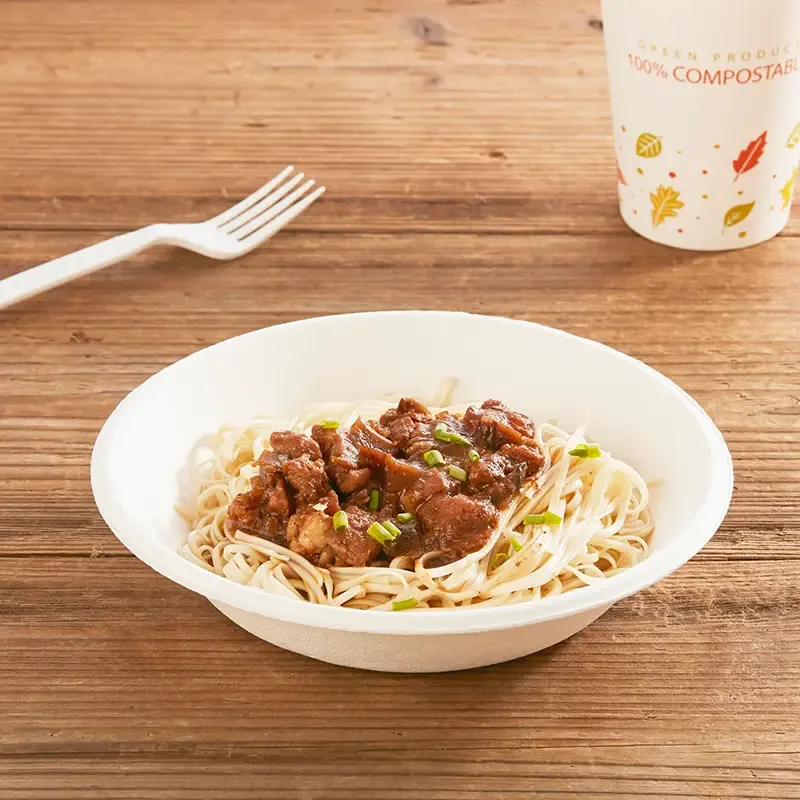
What are Biodegradable Bowls Made Of?
Introduction Single-use plastics have long harmed our environment, filling landfills and polluting natural ecosystems. Biodegradable

Introduction Single-use plastics have long harmed our environment, filling landfills and polluting natural ecosystems. Biodegradable
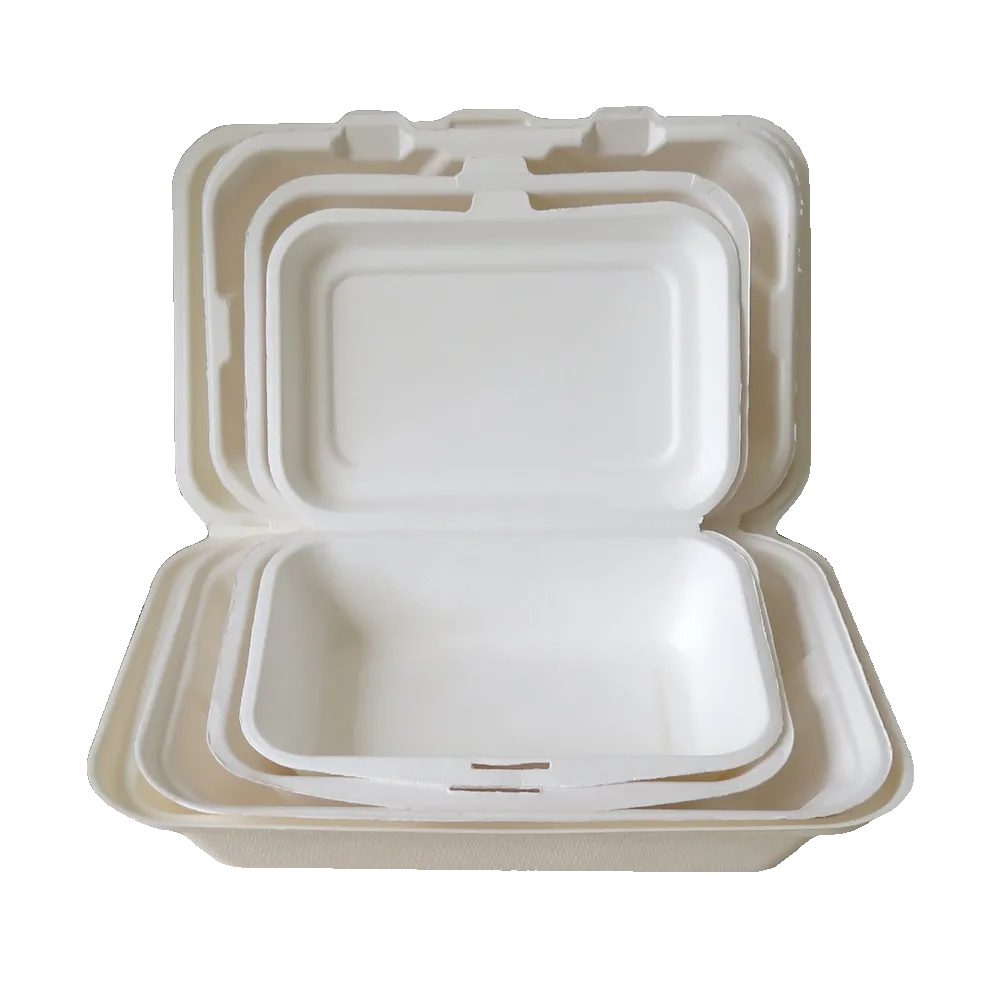
Clamshell packaging has become a staple in modern food packaging, delivering convenience, product protection, and
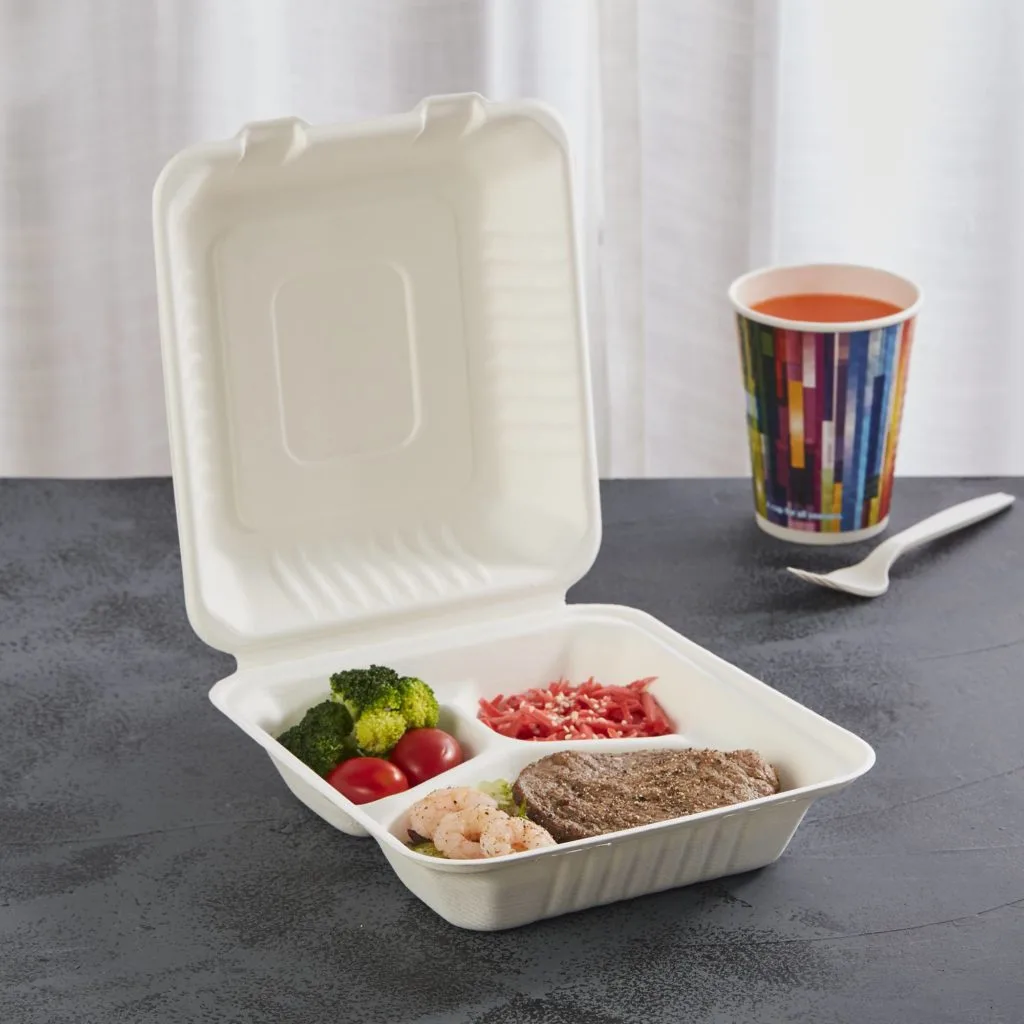
Disposable Sugarcane Bagasse Tableware: Pros: Cons: Plastic Tableware: Pros: Cons: Overall Comparison: Sugarcane bagasse tableware
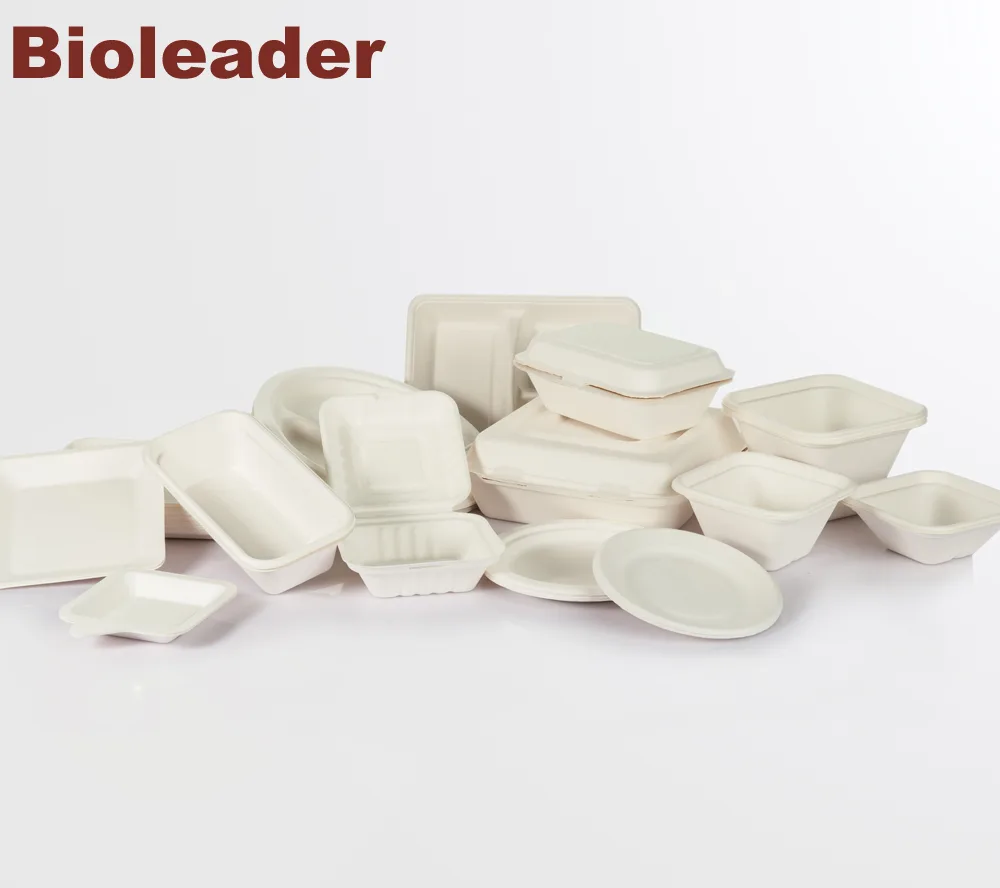
Sugarcane bagasse disposable tableware is a versatile and eco-friendly alternative to plastic, offering a wide
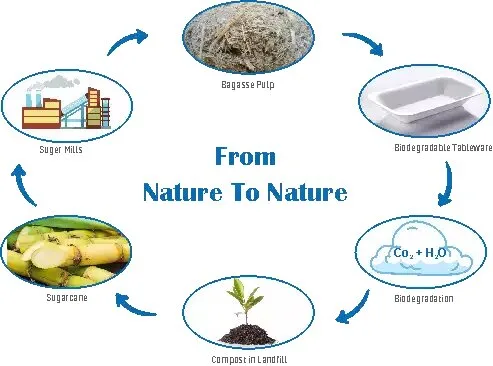
Introduction—Why Sugarcane Bagasse Tableware is the Future of Sustainable Packaging Quick Summary: Sugarcane bagasse tableware
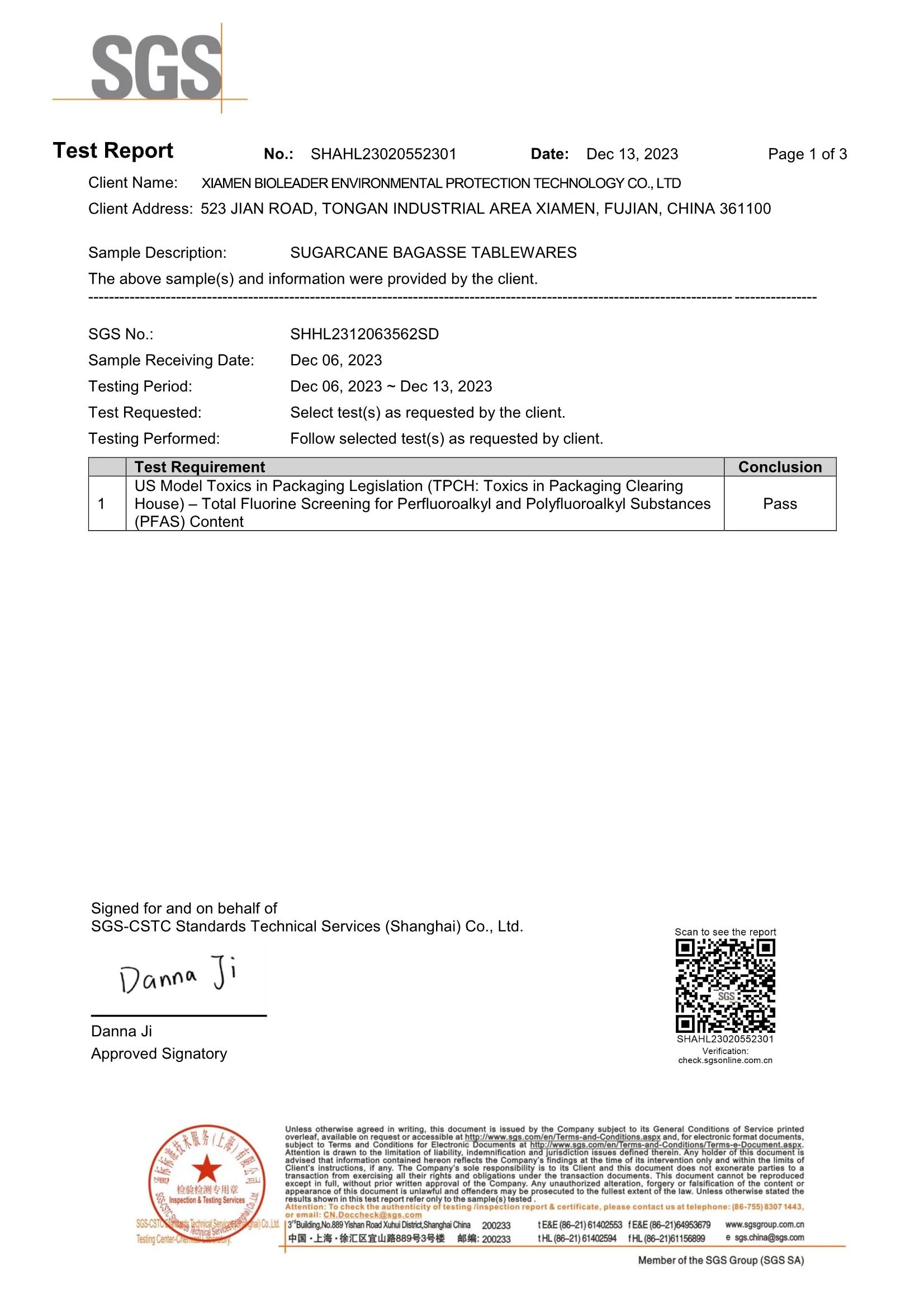
Sugarcane bagasse tableware is typically made from the fibrous waste material left over from sugar
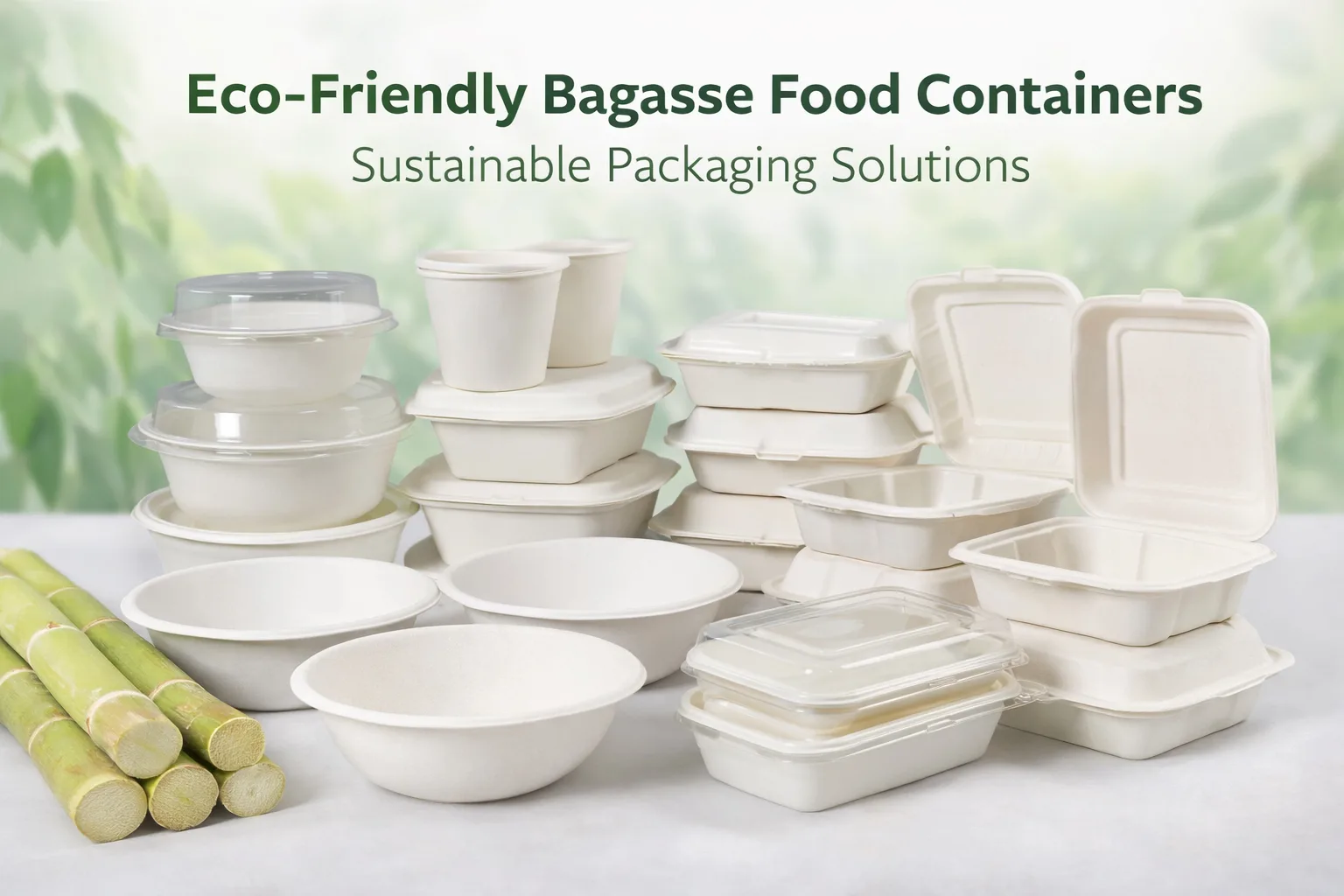
A sustainable and environmentally beneficial substitute for conventional plastic packaging are food containers made of sugarcane.
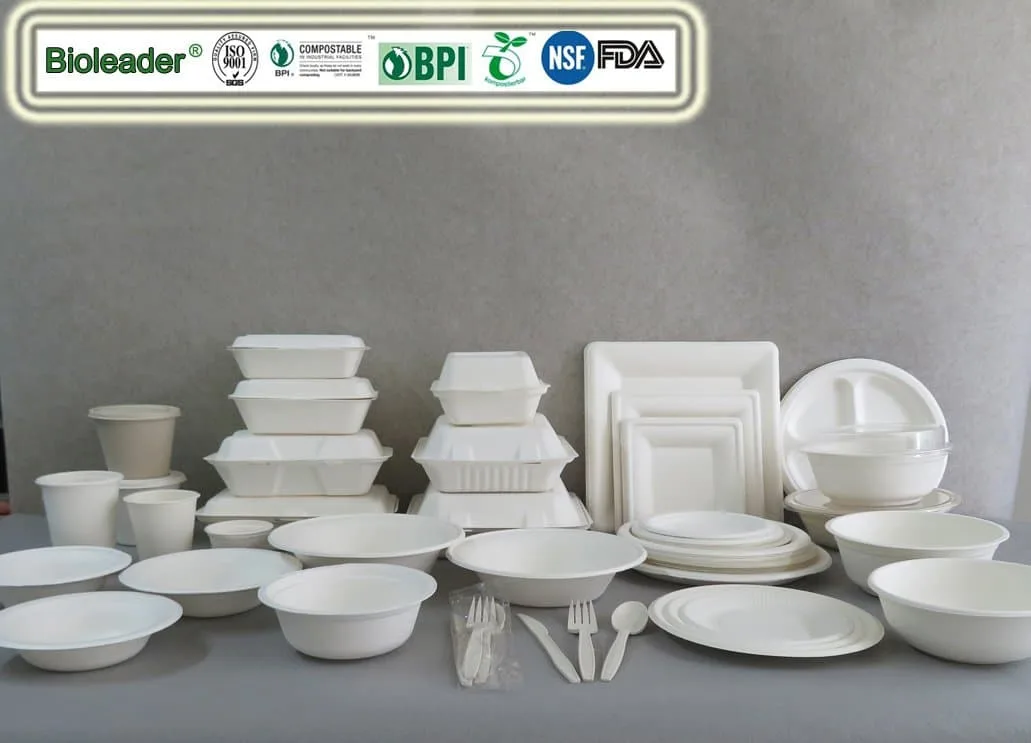
Bagasse tableware refers to disposable environmentally friendly tableware that uses bagasse to make wet pulp or pulp board and molds it through a molding tableware machine.
In today’s world, when environmental issues are at the forefront of consumer awareness, companies and consumers alike are increasingly looking for sustainable alternatives to conventional packaging materials. This trend is expected to continue. Packaging made from sugarcane stands out as a viable candidate among the many environmentally friendly choices that are now being introduced to the market. Packaging made from sugarcane, which is derived from a renewable resource, is being praised for its potential to lessen our dependency on fossil fuels and to decrease the negative effect that it has on the environment. However, what it is that makes sugarcane packing environmentally friendly? In what ways does it differ from traditional materials used for packing, and what are the advantages and disadvantages of using it? The purpose of this blog is to provide a full review of sugarcane packaging and its role in the search for sustainable solutions. We will investigate these topics in further depth in the next blog post.
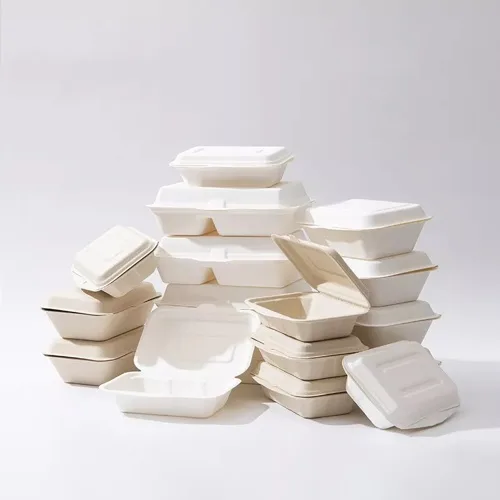
Sugarcane bagasse is a versatile and environmentally friendly material that can be used to make a wide variety of products. Sugarcane bagasse container is one of the products that can be made from this material. Sugarcane bagasse container is a sturdy and reusable container that can be used to store a variety of items.

Sugarcane fiber packaging is an eco-friendly alternative to traditional packaging sources. Sugarcane stalks are given a new lease of life as raw materials when they are converted into goods. Bagasse is the fibrous portion of a sugarcane stalk that is still present after the juice has been extracted. Sugarcane fiber is used to make: Paper, textiles, food packaging items, biofuel, and packaging materials for packaging products. Bagasse is a fertilizer rich in calcium, potassium, phosphorus, and nitrogen when it is composted.
It uses less wood than newsprint does, by more than 52%. Along with wheat straw fiber, bagasse is also utilized in our fiber packaging. Goods made from sugarcane fiber offer a similar and less expensive alternative to foam and paper products used in food packaging. Fruits and vegetables kept in packaging made of sugarcane fiber have a longer shelf life. Sugarcane fiber goods function just as well as items made of wood fibers.
Bagasse fiber also absorbs more moisture, promoting ventilation and a drier environment for produce. Comparing bagasse to substitutes like paper, wood pulp and petroleum-based polymers makes the benefits obvious.