











Who’s Talking About Us: Bioleader® Featured on Wikipedia and Leading Global Platforms
In today’s competitive sustainability space, brand recognition is more than visibility—it’s validation. At Bioleader®, we’ve
In today’s competitive sustainability space, brand recognition is more than visibility—it’s validation. At Bioleader®, we’ve

Misunderstood “Environmental Star” At a time when environmental awareness is increasingly awakening, degradable tableware seems
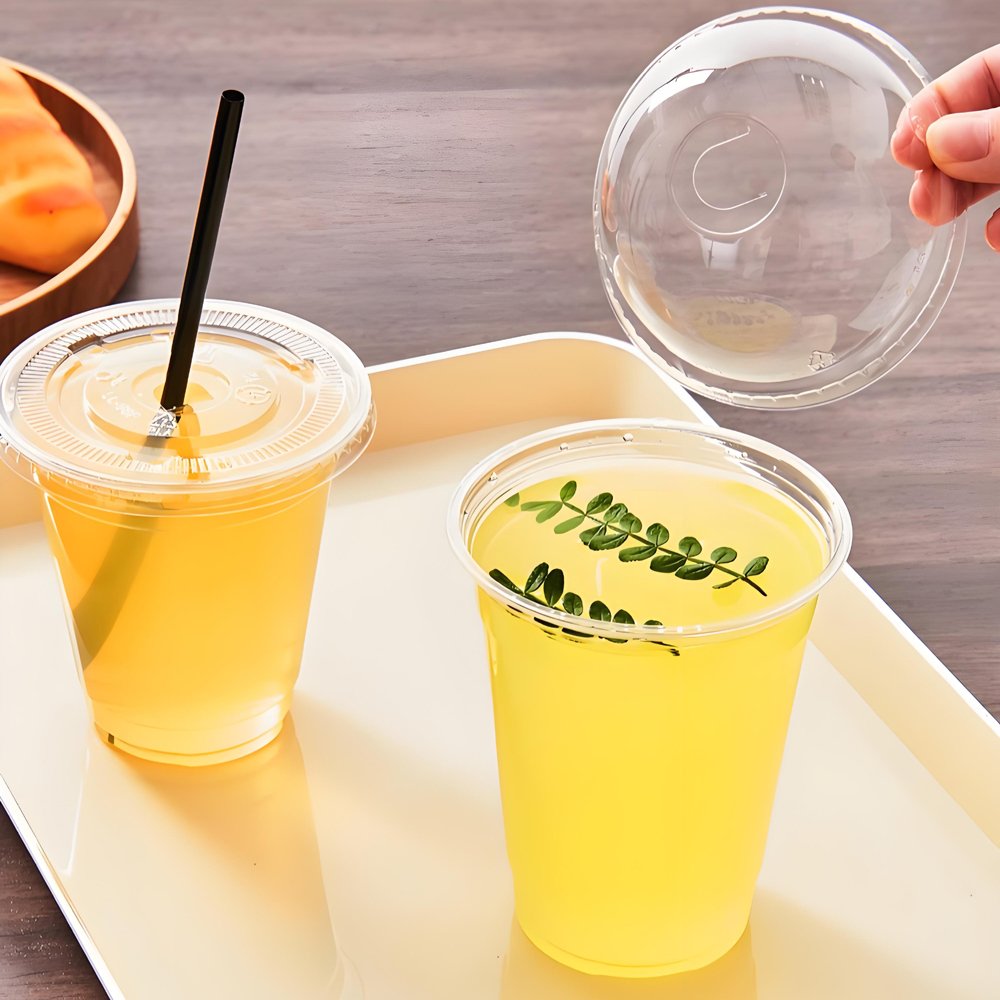
Introduction In today’s increasingly severe environmental crisis, compostable plastic cups are emerging as the ideal
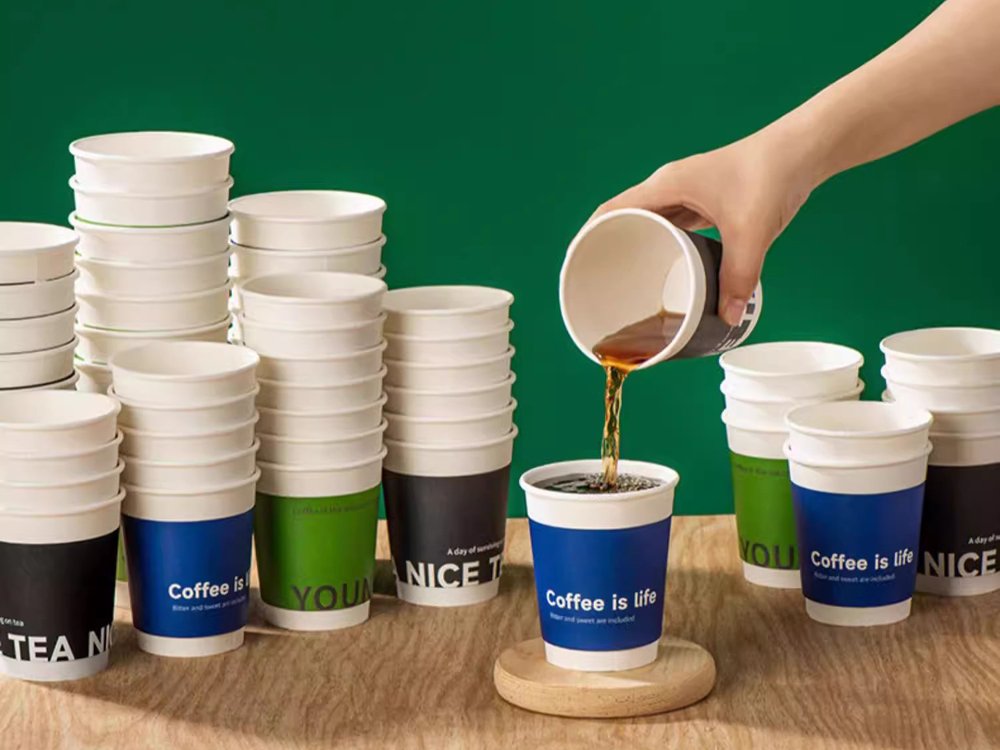
In recent years, the coffee industry has seen a clear shift toward greener, more responsible

Have you ever experienced the frustration of cracking or shattering plates when placing them in

Background of cornstarch clamshell box In our daily lives, plastic packaging used to be highly
As sustainability and convenience converge in the global foodservice industry, disposable lunch boxes have emerged

With growing environmental concerns, businesses and consumers alike are increasingly seeking sustainable solutions in packaging.

In today’s highly competitive fast-food market, food quality alone no longer guarantees customer loyalty. Personalized

Introduction Sustainable living pushes foodservice buyers to compare renewable materials more carefully. Bamboo and sugarcane
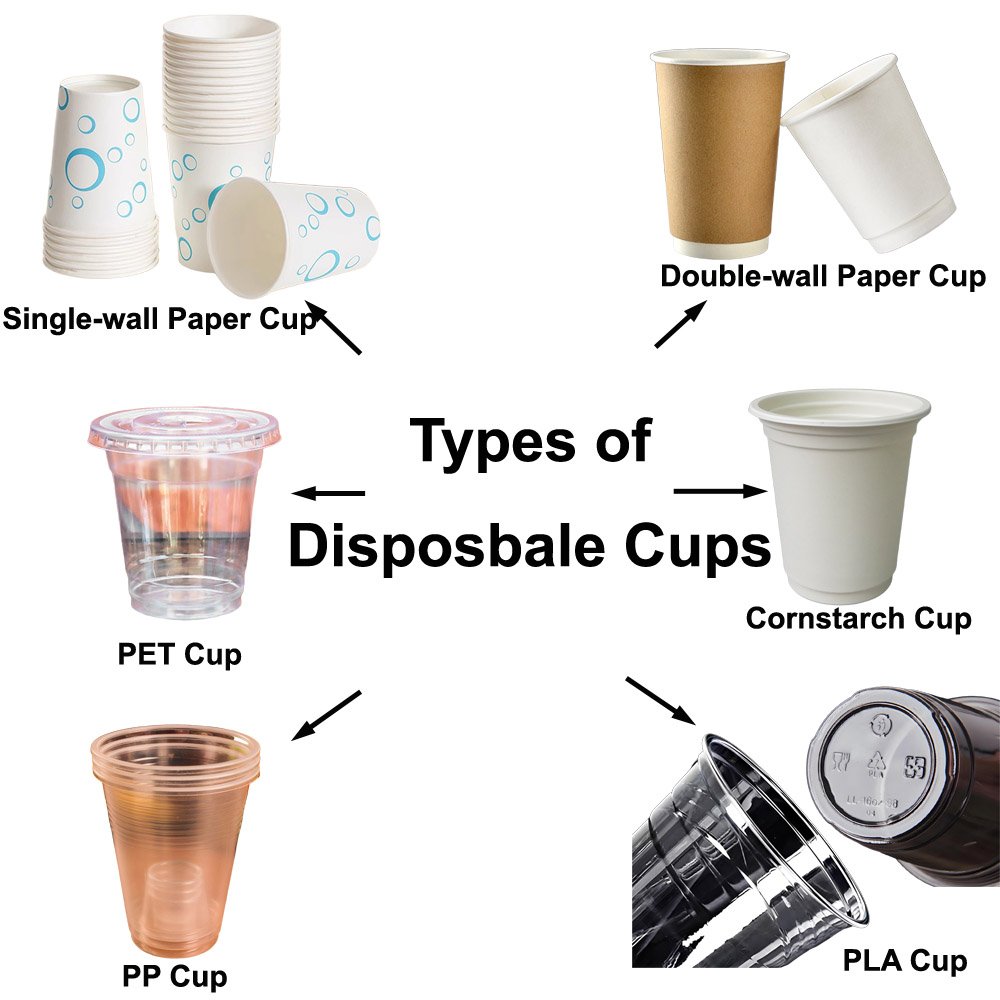
Disposable cups have become integral to the food and beverage industry, driven by convenience, hygiene,
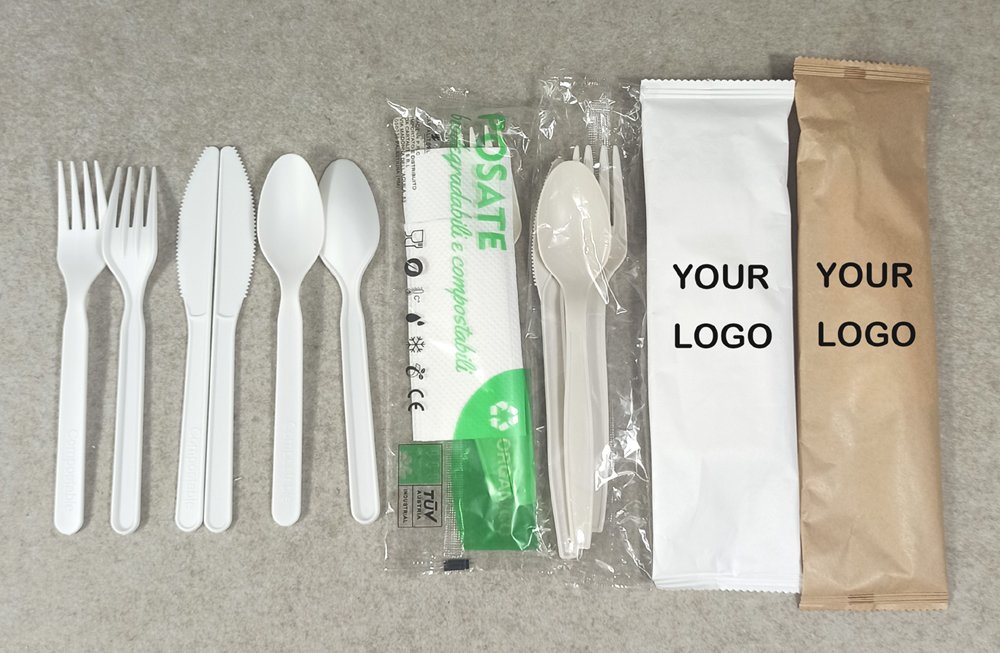
“Hey Alex, have you ever wondered if the utensils we use daily are hurting our

Quick Answer: Is 8 oz the Same as 240 ml or 250 ml? For US
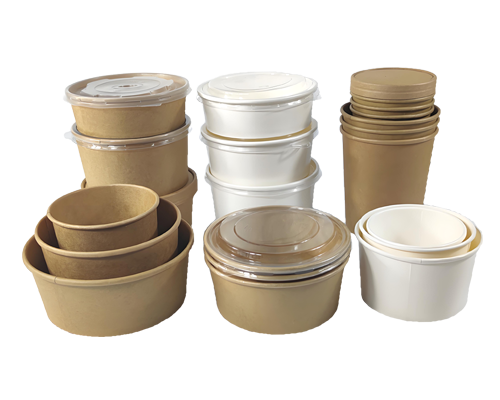
Introduction: An Everyday Dilemma in the Kitchen Simulated Scenario Dialogue 1: Jack (Restaurant Owner): “We’re

In recent decades, global environmental concerns have escalated as plastic pollution and unsustainable resource use
In an era marked by heightened environmental awareness, the understanding of biodegradable and non-biodegradable materials
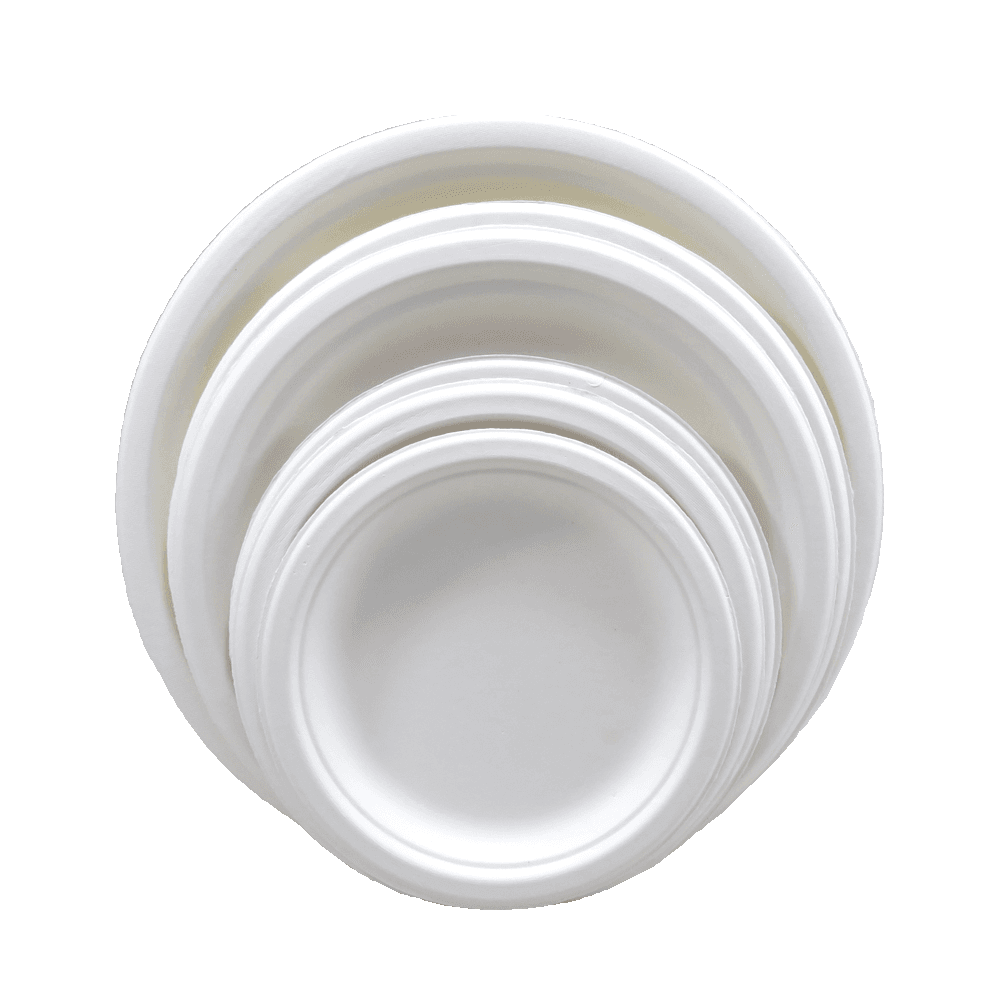
Bagasse plates are disposable plates made from sugarcane bagasse, the fibrous plant material left after

Paper plates have become increasingly popular due to their convenience, affordability, and ease of disposal.

Belém, Brazil — In a significant demonstration of global unity against climate change, nations worldwide
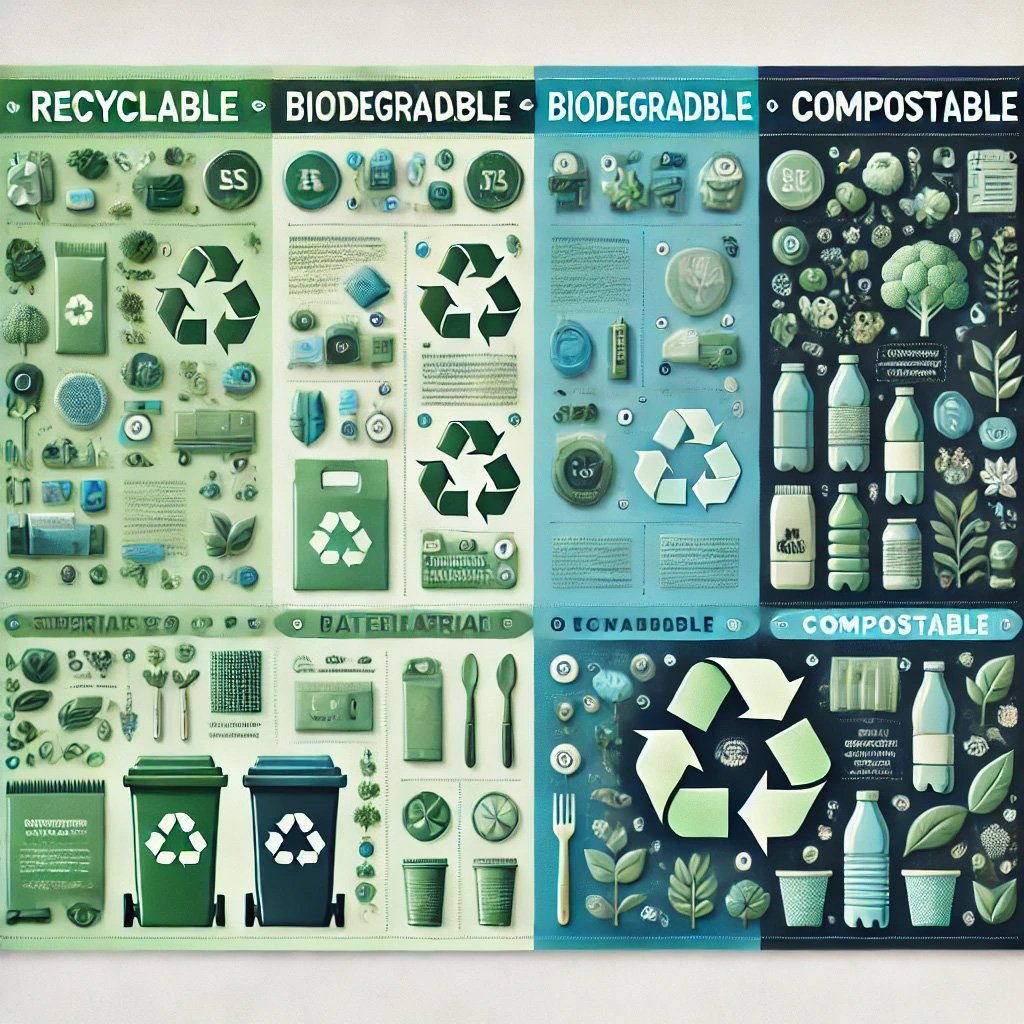
Introduction Packaging waste is a major environmental concern, as discarded containers, wrappers, and bags pile

Introduction Compostable cups have emerged as an environmentally friendly alternative to traditional plastic cups, resonating
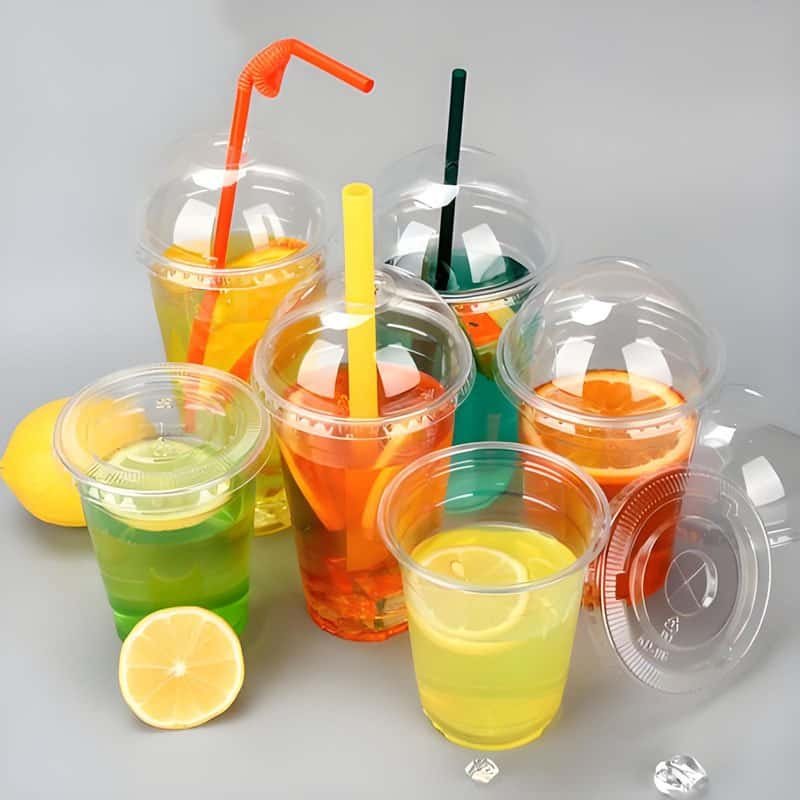
In recent years, the global push towards sustainability has led to significant advancements in eco-friendly
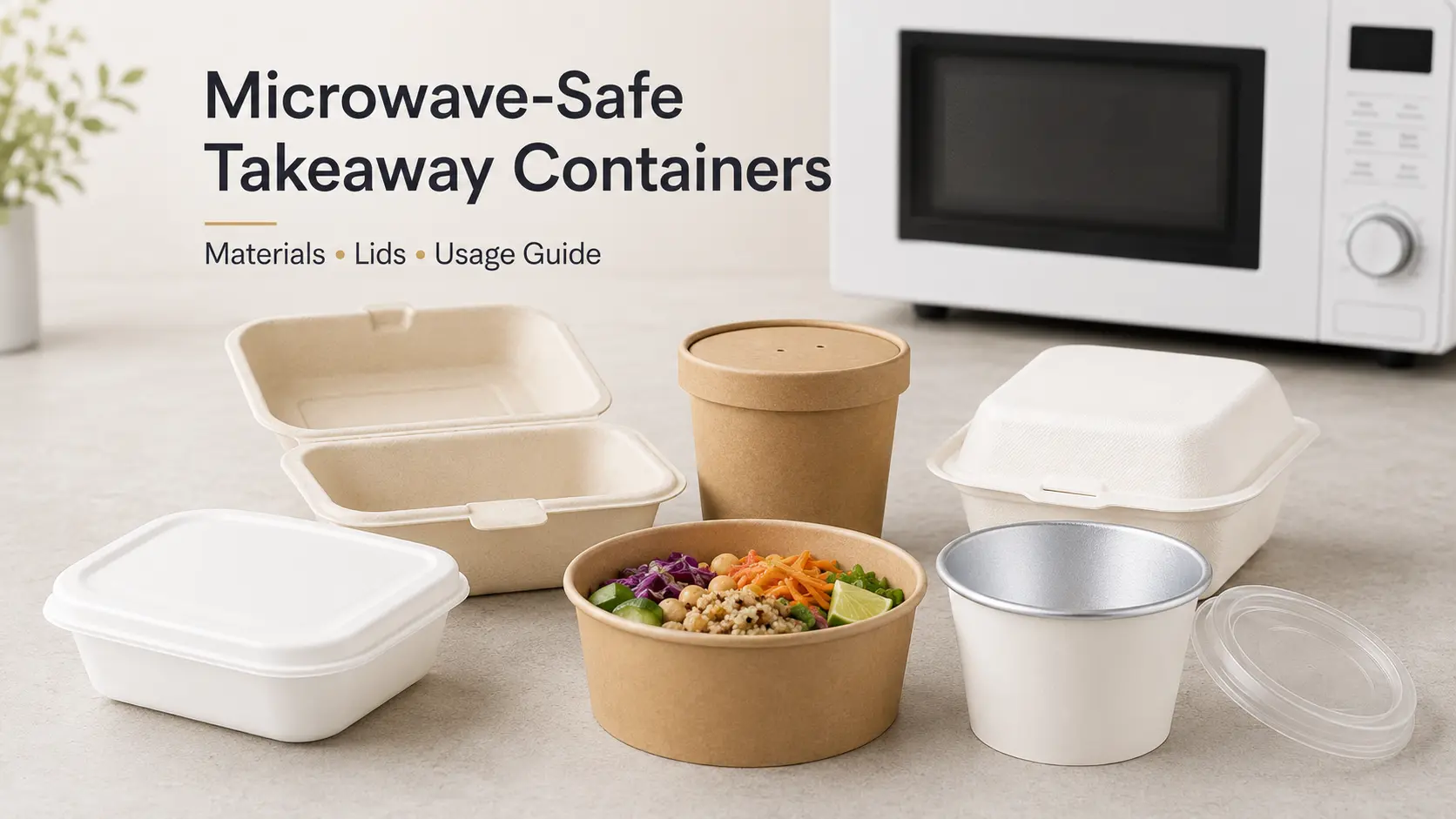
Quick Answer: Which Takeaway Containers Are Microwave-Safe? Polypropylene, commonly identified as PP, is generally the
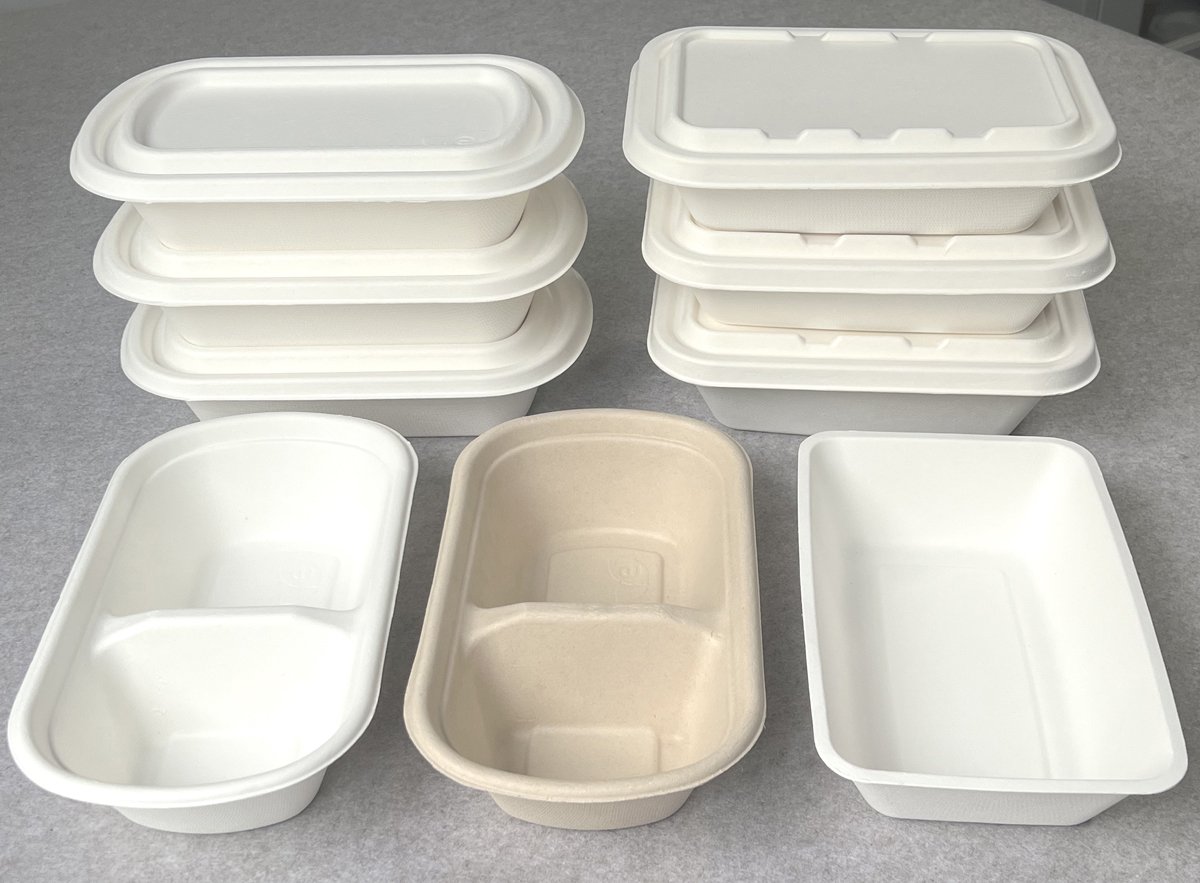
In today’s fast-paced world, the demand for convenient dining options has surged, leading to a
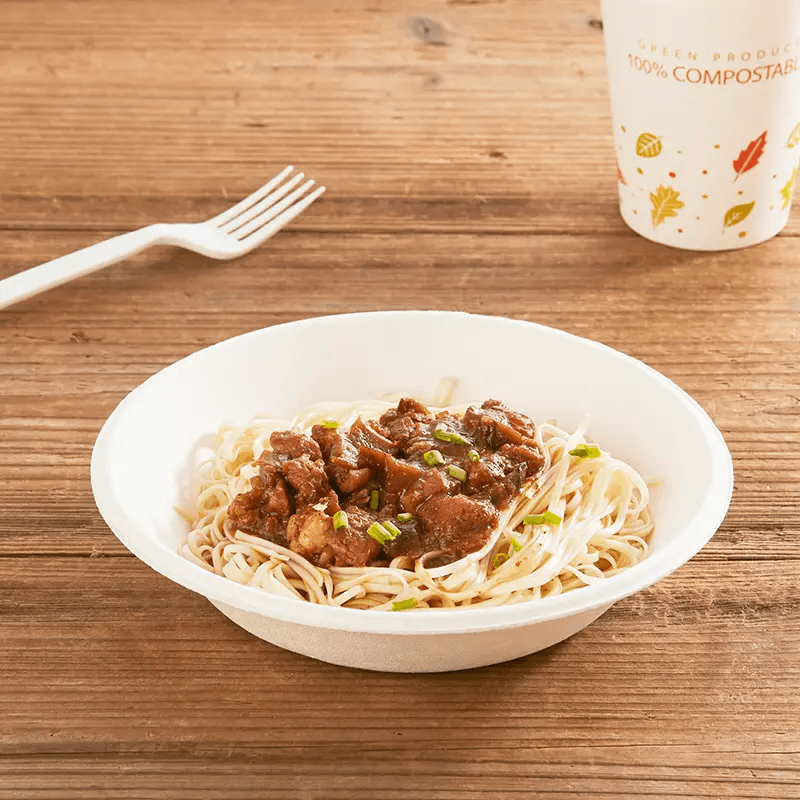
Introduction: What Are Biodegradable Bowls Made Of? Single-use plastics have long created pressure on landfills,
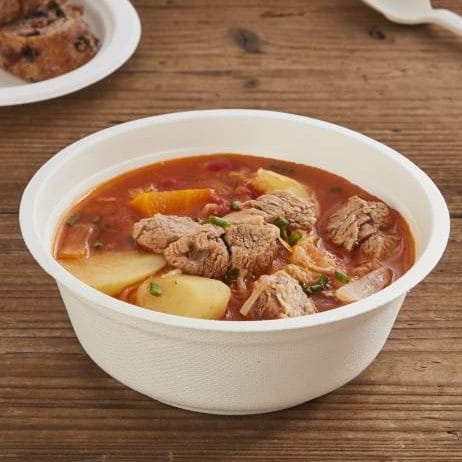
Introduction In today’s fast-paced food service industry, choosing disposable soup bowls goes beyond mere convenience.

PFOA-free means that a product is made without perfluorooctanoic acid (PFOA), a specific chemical within
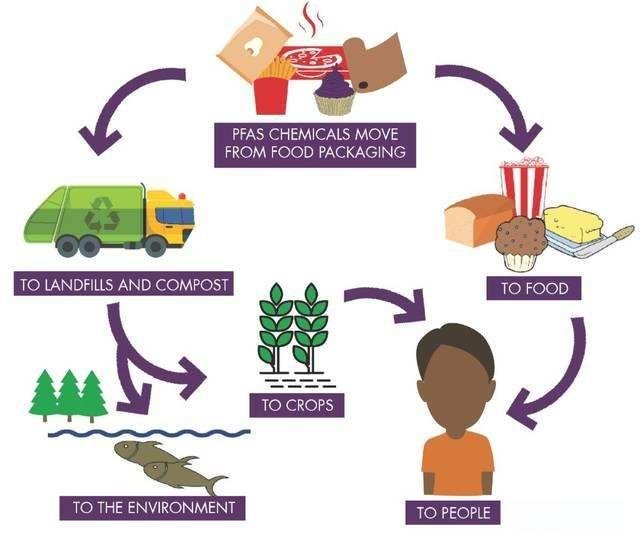
PFAS-free means that a product is made without intentionally added per- and polyfluoroalkyl substances, or

Introduction: Overview of Disposable Bowl Types & Materials Disposable bowls are widely used across foodservice

Hot Cup vs Cold Cup — Quick Decision Summary Quick Summary:Hot cups and cold cups

Quick Summary: Molasses vs. Bagasse The sugarcane industry produces several valuable byproducts. Two of the

As environmental concerns intensify and government regulations tighten on single-use plastics, the demand for eco-friendly