Quick Summary: What Makes Dinnerware Non-Toxic?
Non-toxic dinnerware is tableware designed to reduce harmful chemical migration into food. Buyers should pay special attention to lead, cadmium, BPA, PFAS, unsafe glazes, unknown coatings, and unverified food-contact materials.
Best safety approach: choose dinnerware that is food-contact tested, lead-safe or lead-free where relevant, cadmium-controlled, BPA-free, PFAS-aware, and supported by supplier documentation rather than broad marketing claims alone.
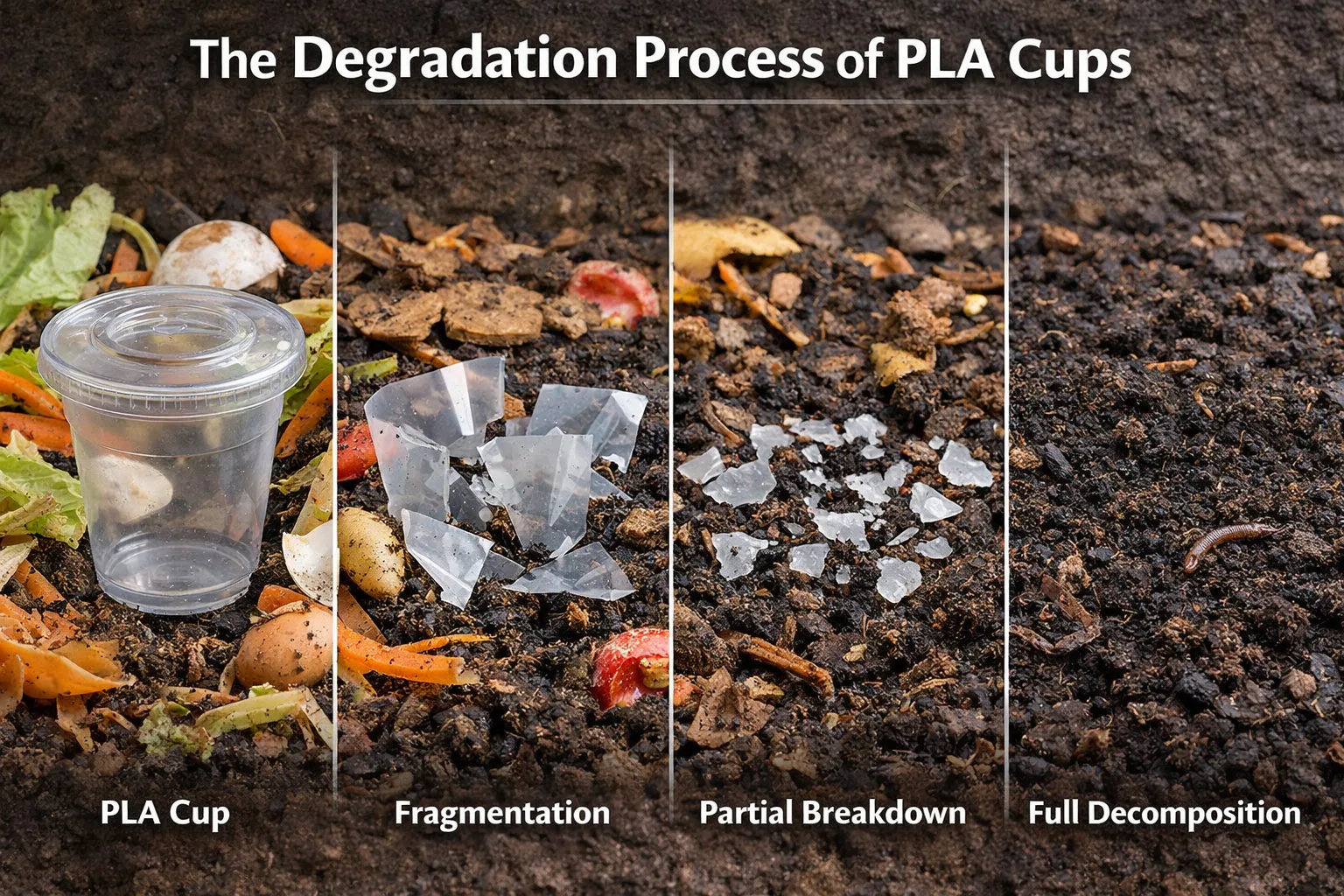
For disposable foodservice use: sugarcane bagasse tableware, cornstarch tableware, paper pulp products, and certified compostable food packaging can provide practical non-toxic alternatives to conventional plastic and foam when matched with proper use conditions, testing, and local disposal systems.
In the first few paragraphs, let’s clarify why non-toxic dinnerware is not merely a trend but a necessary shift in our lifestyle. Toxic chemicals such as lead, cadmium, BPA, and certain PFAS-related substances have raised public health and regulatory concerns in food-contact products. The key issue is not only whether a material is natural or synthetic, but whether the finished product is safe for direct food contact, properly tested, and suitable for real dining conditions. Environmental organizations, public health agencies, and food-contact regulators continue to emphasize the importance of reducing unnecessary exposure to hazardous substances. The overwhelming consensus is that safer dinnerware enhances your dining experience and plays a critical role in maintaining long-term health. This article will comprehensively review the current scientific landscape, consumer experiences, and expert insights into non-toxic dinnerware.
Understanding the Toxicity of Conventional Dinnerware
The Hidden Dangers of Traditional Materials
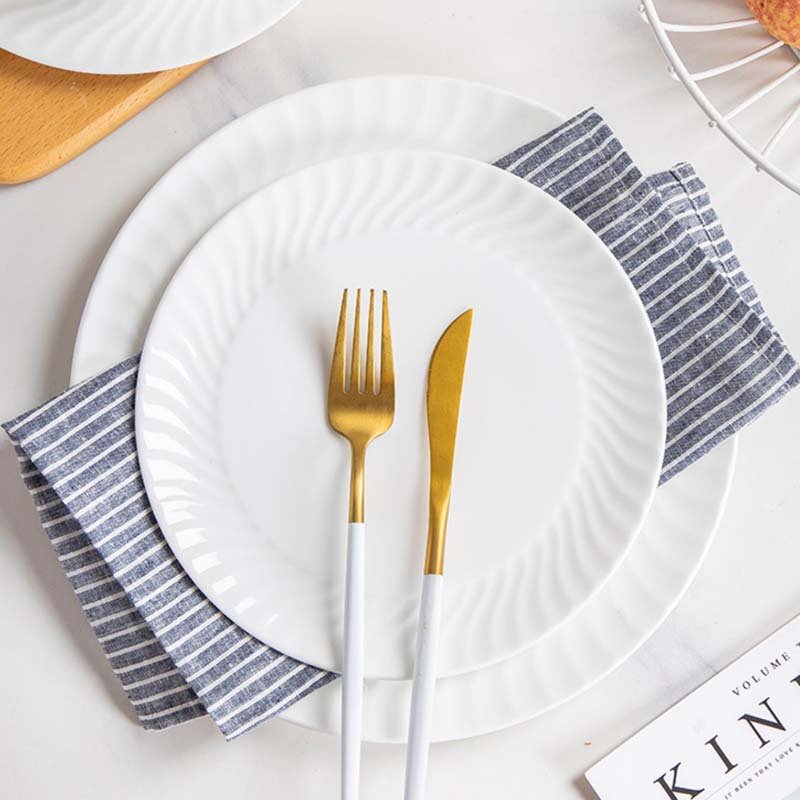
Traditional ceramic and porcelain dinnerware, while aesthetically pleasing, can sometimes contain glazes that release unwanted substances when used with food, especially acidic, hot, or long-contact foods. Lead-based glazes are restricted or prohibited in many markets, but imported, decorative, antique, handmade, or poorly controlled products may still raise concerns. According to the U.S. Food and Drug Administration (FDA), some ceramic foodwares have historically been found to leach significant quantities of lead from food-contact surfaces, and extractable lead can create adverse health risks under continued food use. Similar concerns have been raised about cadmium, another heavy metal sometimes associated with decorative glazes.
Scientific Data and Expert Opinions
Environmental health research has repeatedly highlighted that lead and cadmium exposure should be minimized, especially for children, pregnant women, and other vulnerable groups. The CDC states that no safe level of lead in children’s blood has been identified, which supports a precautionary approach when selecting dinnerware. In practical terms, consumers and businesses should avoid dinnerware with unknown glazes, decorative-only labels, damaged surfaces, or missing food-contact documentation.
Regulatory and Industry Perspectives
In response to these concerns, regulatory bodies worldwide have tightened restrictions on the use of toxic substances in consumer products. The European Union requires food-contact materials to comply with Regulation (EC) No 1935/2004, which is intended to ensure that materials and articles do not transfer constituents to food in quantities that could endanger human health, change food composition, or affect taste and odor. In the United States, FDA guidance and import controls help address lead contamination risks in ceramic foodware. Despite these efforts, market penetration of non-toxic dinnerware remains uneven, particularly in price-sensitive segments of the industry.
Non-Toxic Dinnerware Safety Checklist
| Safety Factor | Why It Matters | What Buyers Should Check |
|---|---|---|
| Lead and cadmium control | Heavy metals may migrate from unsafe ceramic glazes or decorative surfaces. | Lead-free claims, cadmium testing, XRF screening, FDA or EU food-contact documentation. |
| BPA-free status | BPA has raised endocrine-related concerns in certain plastic food-contact materials. | BPA-free declaration and material transparency for plastic or coated products. |
| PFAS-aware formulation | PFAS may be used in grease-resistant food packaging and has drawn stronger regulatory scrutiny. | PFAS-free or PFAS-related testing for molded fiber, paper, and grease-resistant packaging. |
| Food-contact compliance | Safe raw material does not automatically mean safe finished product. | FDA, LFGB, EU 1935/2004, SGS, migration testing, or supplier-specific compliance reports. |
| Heat and microwave suitability | Heat can increase migration risk or damage unsuitable materials. | Microwave guidance, temperature range, lid instructions, real-food testing. |
| End-of-life claim | Compostable or biodegradable claims depend on product design and local infrastructure. | EN13432, ASTM D6400, BPI, TÜV, industrial composting acceptance, disposal guidance. |
The Rise of Non-Toxic Dinnerware: A Paradigm Shift in Healthy Living
Redefining Safety Standards
Non-toxic dinnerware is rapidly gaining attention as a viable solution to the pervasive problem of chemical exposure. These products are manufactured using alternative materials, safer glazing practices, food-contact tested coatings, and improved production controls that eliminate or drastically reduce the risk of toxin leaching. Materials such as stoneware, porcelain free from unsafe lead-based glazes, stainless steel, glass, sugarcane bagasse, cornstarch-based materials, and innovative biodegradable composites are setting new industry standards. Industry experts argue that this shift not only reflects consumer demand for healthier products but also signals a broader transformation in manufacturing practices.
Market Trends and Consumer Demand
The growing consumer demand for transparency and safety in household and foodservice products has fueled the rise of non-toxic dinnerware. Consumers are no longer willing to compromise on health, and they are increasingly informed by online reviews, social media, expert recommendations, and certification labels. This trend is further supported by the rapid growth of online platforms where non-toxic dinnerware is marketed as part of a holistic approach to wellness and sustainable living.
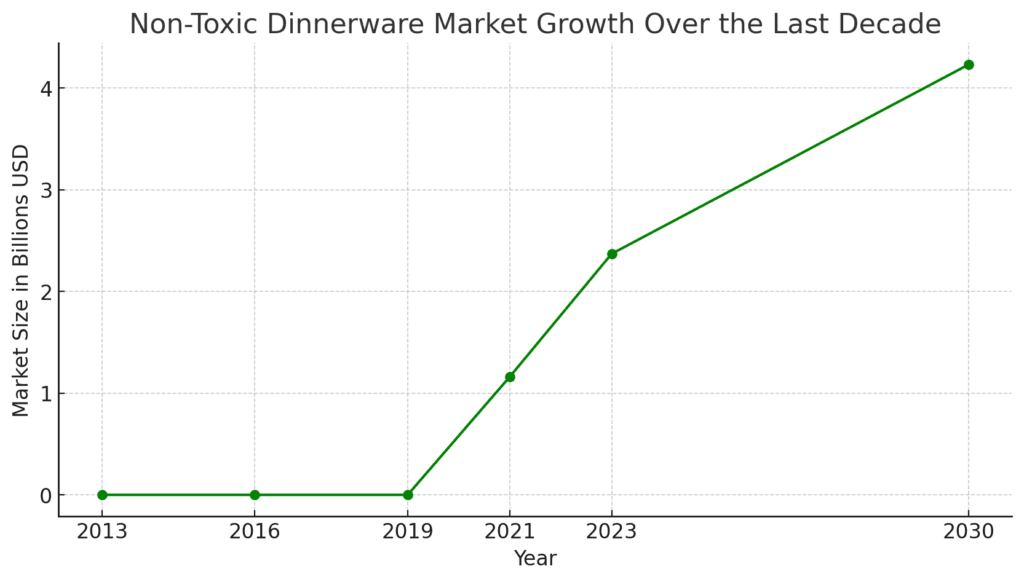
Over the past decade, the non-toxic dinnerware market has experienced significant growth, driven by increasing consumer awareness of health and environmental issues. The data below reflects broad market trend estimates from recent years and future projections reported by various research sources:
- 2013-2015: During this period, the market began to gain traction as early adopters and environmentally conscious consumers sought alternatives to traditional dinnerware containing harmful chemicals.
- 2016-2018: A notable increase in demand was observed, with market growth rates averaging around 4% annually. This surge was influenced by heightened media coverage of the dangers of toxins like lead and cadmium in conventional dinnerware.
- 2019-2021: The global organic dinnerware market was valued at approximately $1.16 billion in 2021, with projections indicating continued growth.
- 2022-2023: The market maintained its upward trend, with a valuation of $2.37 billion in 2023 and an expected compound annual growth rate (CAGR) of 8.6% from 2024 to 2030.
- 2024-2030 Projections: Forecasts suggest that the market will reach approximately $4.23 billion by 2030, driven by sustained consumer demand for eco-friendly and non-toxic products.
Economic and Environmental Benefits
Beyond the health implications, non-toxic dinnerware offers tangible economic and environmental benefits. The production of these items often relies on safer materials, better testing, clearer documentation, and more responsible manufacturing practices. Additionally, as these products become more mainstream, economies of scale are driving down costs, making non-toxic dinnerware an accessible option for a broader demographic. Companies adopting safer and greener production methods can strengthen market image, improve buyer trust, and support repeat business.
Health Implications: Why Non-Toxic Dinnerware Matters
Reducing Cumulative Chemical Exposure
One of the most compelling reasons to switch to non-toxic dinnerware is the cumulative nature of chemical exposure. Daily use of dinnerware that contains unsafe substances can result in gradual exposure over time. Public health agencies have repeatedly emphasized that reducing avoidable exposure to hazardous substances is especially important for children, pregnant women, and people with higher sensitivity. By choosing non-toxic alternatives, consumers can significantly reduce their overall chemical burden.
Impact on Vulnerable Populations
Certain populations, including infants, children, pregnant women, and the elderly, are particularly vulnerable to the adverse effects of toxic exposure. Lead exposure is especially concerning for children because it can affect development, learning, behavior, and long-term health. In contrast, non-toxic dinnerware provides a safer environment for families by ensuring that meals are served on products designed to reduce contamination risks.
Long-Term Health Outcomes
The shift toward non-toxic dinnerware is part of a larger movement toward preventative healthcare. By minimizing exposure to harmful chemicals, individuals and foodservice operators can lower avoidable risk factors related to chemical migration, unsafe coatings, and poorly controlled materials. This evidence supports the notion that investing in non-toxic dinnerware is a proactive measure for long-term wellness.
Innovations in Non-Toxic Dinnerware: Materials and Manufacturing
Cutting-Edge Materials and Technologies
Advances in material science have paved the way for the development of non-toxic dinnerware that does not compromise on style or functionality. Leading manufacturers are now utilizing materials such as:
- Biodegradable Polymers and Natural Fibers: These materials offer the dual benefits of foodservice practicality and improved environmental positioning. They are designed to reduce dependence on conventional plastic and foam while avoiding harmful byproducts when correctly formulated and certified. Examples include sugarcane bagasse tableware & dinnerware, cornstarch tableware, and paper pulp & natural fiber pulp products.
- Lead-Free Glazes: Innovations in ceramic technology have resulted in glazes that maintain durability and aesthetic appeal while eliminating or controlling toxic components.
- Bamboo and Other Natural Fibers: In addition to traditional ceramics, designers are exploring natural alternatives that are renewable and suitable for specific daily-use or disposable foodservice scenarios.
- PFAS-Aware Molded Fiber: For disposable plates, bowls, trays, and clamshells, buyers increasingly ask suppliers to provide PFAS-related testing and food-contact documentation.
Material Safety Comparison for Buyers
| Material | Common Use | Main Safety Concern | Better Buying Practice |
|---|---|---|---|
| Ceramic / porcelain | Home dinnerware, restaurant plates, bowls | Lead or cadmium in unsafe glazes | Choose lead-free, cadmium-controlled, food-safe products from reputable suppliers. |
| Melamine | Canteens, kids’ tableware, foodservice trays | Heat misuse and migration concerns | Avoid microwaving unless explicitly approved; follow temperature guidance. |
| Conventional plastic | Reusable or disposable plates, bowls, containers | BPA, additives, heat deformation, microplastic concerns | Check BPA-free status, temperature rating, and food-contact compliance. |
| Sugarcane bagasse | Disposable plates, bowls, clamshells, trays | Oil-resistant treatment, PFAS status, hot food performance | Request food-contact reports, PFAS-related testing, and compostability documentation. |
| Cornstarch tableware | Disposable cutlery, bowls, plates, foodservice items | Heat resistance and composting pathway | Confirm temperature limits, certification, and disposal instructions. |
| Bamboo / natural fiber | Cutlery, plates, bowls, serving items | Binders, coatings, resin systems | Verify food-contact testing and avoid assuming “natural” always means safe. |
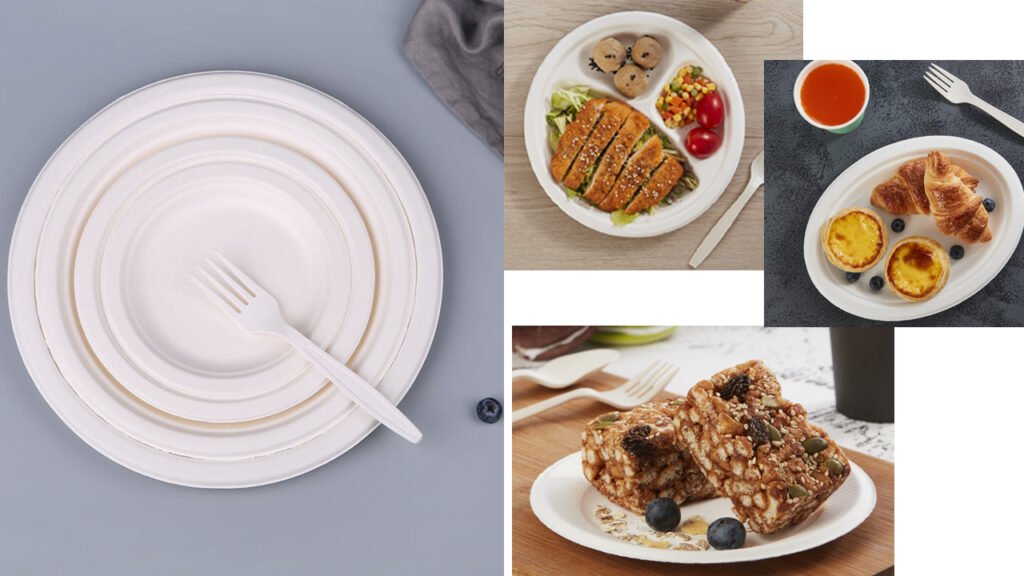
These innovations are not only improving product safety but also contributing to a more sustainable production cycle. Research and development investment in safer materials, molded fiber production, coating alternatives, and food-contact testing continues to expand as regulators, consumers, and foodservice buyers demand more transparent product safety.
Manufacturing Process Enhancements
The production process for non-toxic dinnerware involves rigorous quality control measures that help ensure the absence or control of harmful substances. Advanced testing protocols, such as X-ray fluorescence (XRF) analysis, can be used to screen the composition of certain final products. Manufacturers also adhere to international safety standards, which are regularly updated in response to emerging scientific evidence. The commitment to quality and safety has become a major selling point for brands in this sector, as evidenced by increased consumer trust and market share.
 |  |
Expert Commentary on Technological Advancements
Industry experts have lauded technological advancements in safer materials, food-contact testing, and sustainable production. The integration of material science into everyday products like dinnerware is a transformative step toward improving public health and environmental sustainability. Such endorsements from environmental and packaging professionals underscore the legitimacy and potential of non-toxic dinnerware in revolutionizing our daily lives.
Consumer Insights and Real-World Feedback
User Testimonials and Experience Sharing
One of the most persuasive forms of evidence comes from the experiences of real users who have transitioned to non-toxic dinnerware. Many consumers report increased confidence in the safety and quality of their meals, attributing these changes to the absence of chemical leachates from traditional dinnerware. For example, a customer review on a leading online retail platform stated, “Switching to non-toxic dinnerware has made me more confident about the safety of the meals I prepare for my family. I’ve noticed a remarkable difference in the flavor and overall dining experience.” These testimonials are backed by a growing body of consumer feedback emphasizing the benefits of safer dinnerware.
Survey Data and Market Research
Quantitative data further supports the rising preference for non-toxic dinnerware. Consumer surveys across sustainable living and household product categories show that many households are willing to invest in safer products, even at a slightly higher cost, to support family health and environmental responsibility. For foodservice buyers, this trend also affects brand perception: customers increasingly notice whether a restaurant, school, café, or catering provider uses safer and more sustainable tableware.
Social Media and Community Discussions
Online forums and social media platforms have also become rich sources of user feedback. Many communities dedicated to sustainable living actively discuss the merits of non-toxic dinnerware, sharing tips, reviews, and recommendations. One popular thread on a sustainability-focused forum featured multiple users sharing their journey towards reducing household toxins, with several participants noting that their switch to non-toxic dinnerware was a pivotal step in this process. This organic, community-driven feedback underscores the practical benefits experienced by users and reinforces the credibility of non-toxic alternatives.
Economic and Environmental Impacts
Cost-Benefit Analysis for Consumers
While the upfront cost of non-toxic dinnerware can be higher than that of conventional options, the long-term benefits often justify the investment. When considering the potential health care costs associated with chronic exposure to unsafe substances, many consumers and experts agree that safer products represent a prudent financial decision. For foodservice operators, the benefits may include stronger customer trust, improved brand reputation, and better alignment with sustainability policies.
Environmental Sustainability
The environmental advantages of non-toxic dinnerware extend well beyond personal health. The production of traditional dinnerware and disposable packaging can involve processes that release pollutants or consume non-renewable resources. In contrast, non-toxic alternatives are frequently produced using renewable fibers, agricultural byproducts, compostable materials, or safer manufacturing techniques. This sustainable approach not only benefits the environment but also aligns with global efforts to reduce plastic pollution and improve food-contact safety.
Corporate Responsibility and Brand Image
For manufacturers and foodservice operators, adopting non-toxic production methods is increasingly seen as a matter of corporate responsibility. Brands that commit to transparency and sustainability are likely to enjoy enhanced consumer loyalty and a competitive edge in the market. By prioritizing the health of consumers and the planet, these brands are demonstrating that profitability and ethical practices can go hand in hand.

Practical Application Case 1: Bioleader Company’s Sugarcane Bagasse Tableware
In the realm of non-toxic dinnerware, Bioleader Company has distinguished itself through the innovative use of sugarcane bagasse—a byproduct of sugar production—to create eco-friendly, biodegradable tableware. This initiative not only addresses environmental concerns but also offers consumers and foodservice buyers a safer and more sustainable alternative to traditional plastic and Styrofoam products.
Product Overview
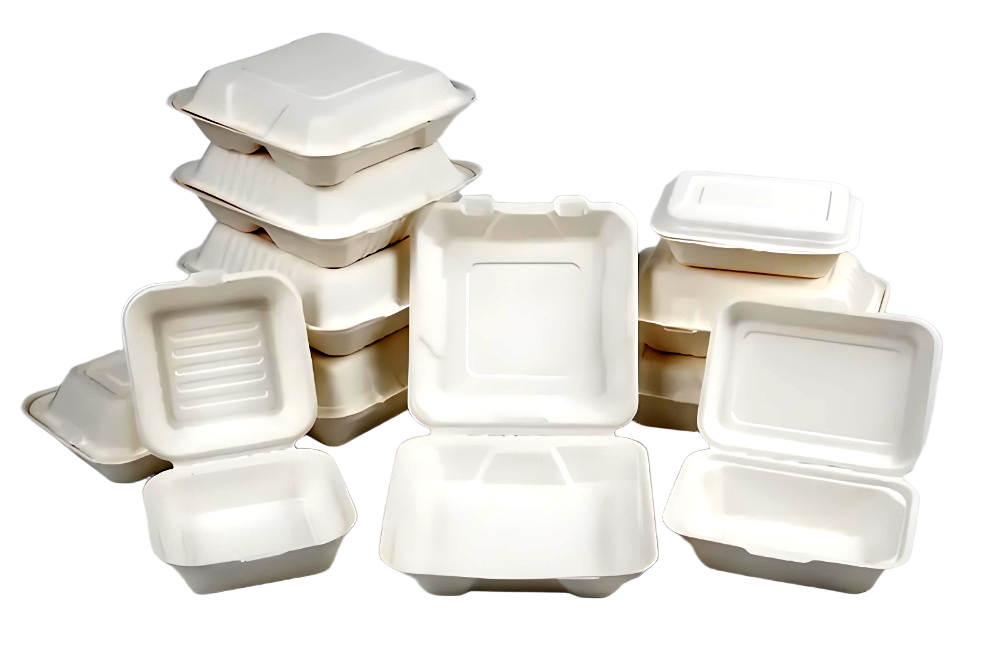
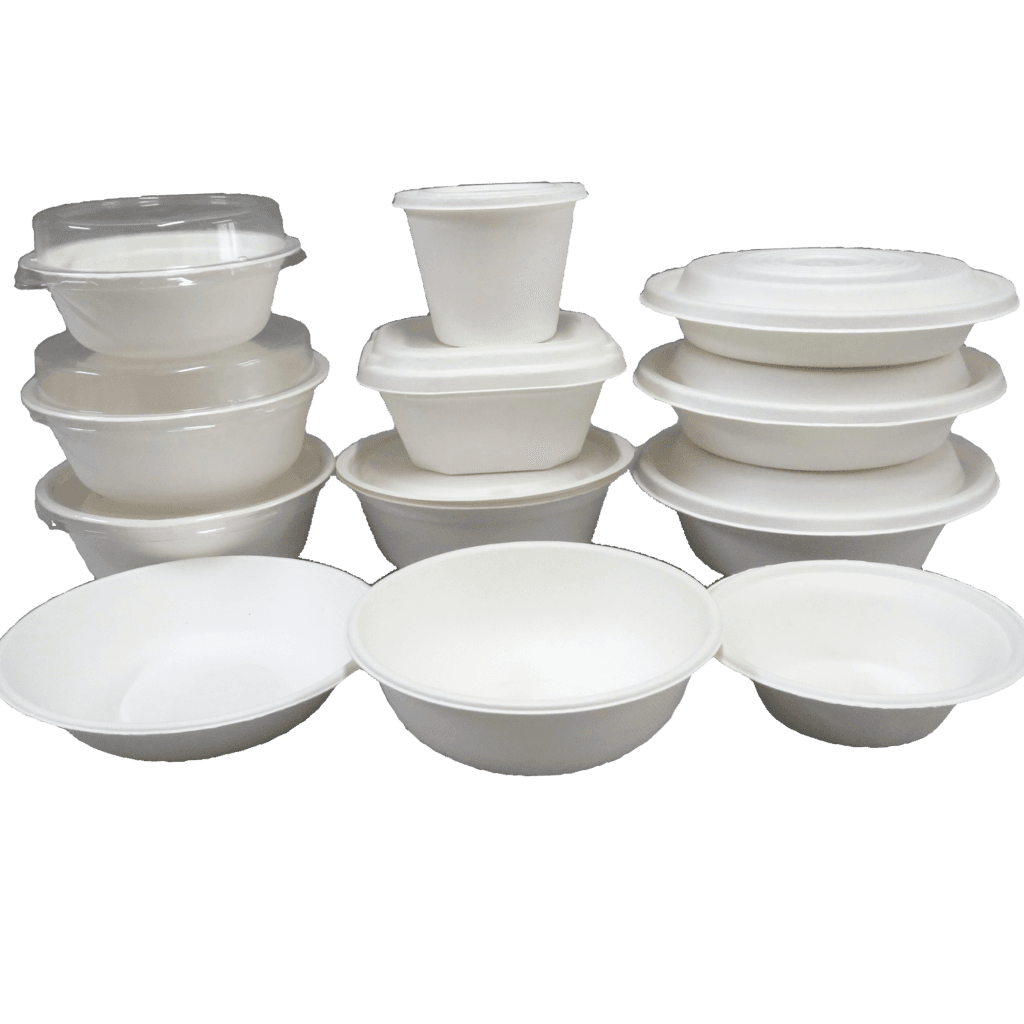
Bioleader’s product line encompasses a diverse range of tableware items, including plates, bowls, clamshell boxes, food containers, and trays. Each piece is crafted from sugarcane bagasse pulp, ensuring that the products are both sturdy and environmentally friendly. Key features of these products include:
- Biodegradability and Compostability: Designed to decompose under suitable composting conditions, these products reduce reliance on conventional plastic and foam packaging.
- Non-Toxic Composition: Food-contact tested options can be produced without harmful substances such as BPA and intentionally added PFAS, helping reduce the risk of unwanted chemical migration into food.
- Heat Resistance: Suitable for many hot foods and takeaway applications when used according to product specification. Microwave suitability should be confirmed by SKU, lid type, and supplier guidance.
- Foodservice Practicality: Plates, bowls, trays, and clamshell containers are designed for restaurants, catering, takeout, delivery, cafeterias, schools, and institutional dining.
 |  |  |
Manufacturing Practices
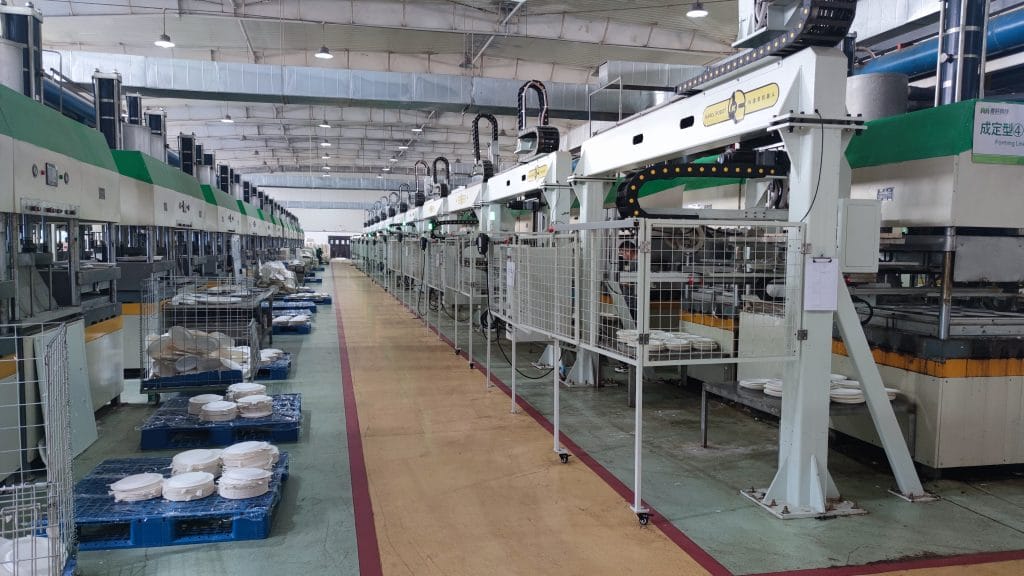
Bioleader’s manufacturing process is rooted in sustainability and safety. The company sources high-quality sugarcane bagasse, which undergoes a series of steps: pulping, cleaning, molding, drying, and finishing. Throughout production, emphasis is placed on product consistency, food-contact safety, quality inspection, and export-ready packing. This commitment to eco-friendly practices aligns with global efforts to promote sustainable industrial development.
 |  |
Bioleader® Safe Dining Solution for Foodservice Buyers
| Buyer Need | Recommended Bioleader® Option | Why It Supports Non-Toxic Dining |
|---|---|---|
| Meals, snacks, salads, and catering | Sugarcane bagasse tableware & dinnerware | Plant-fiber based, plastic-reduction focused, and available with food-contact testing support. |
| Cutlery for takeaway and events | Cornstarch tableware and compostable cutlery | Helps replace conventional plastic cutlery while supporting compostable packaging programs where accepted. |
| Natural molded fiber packaging | Paper pulp & natural fiber pulp products | Suitable for molded foodservice packaging projects that require material transparency and quality control. |
| Regulatory and buyer assurance | Food-contact reports, PFAS-related testing, compostability documentation | Supports purchasing confidence for restaurants, importers, distributors, and institutional buyers. |
Need Non-Toxic, Plastic-Reduced Dinnerware for Foodservice?
Bioleader® helps restaurants, cafés, catering companies, schools, supermarkets, and packaging distributors replace conventional plastic and foam with safer biodegradable tableware and compostable food packaging.
Choose from sugarcane bagasse plates, bowls, trays, clamshells, cornstarch tableware, compostable cutlery, and custom eco-friendly food packaging solutions.
- PFAS-aware options
- BPA-free alternatives
- Food-contact testing support
- Compostable tableware
- Bulk export and OEM supply
View Bagasse Tableware Contact Bioleader®
User Feedback
Consumers have responded positively to Bioleader’s sugarcane bagasse tableware. Many appreciate the combination of durability and environmental responsibility, noting that the products perform well under various conditions without compromising on quality. Additionally, businesses in the food service industry have reported enhanced brand image and customer satisfaction upon integrating these eco-conscious products into their operations.
Practical Insights
Bioleader’s experience in the non-toxic tableware sector offers valuable lessons:
- Consumer Education: Raising awareness about the benefits of biodegradable and non-toxic tableware is crucial for market adoption.
- Technological Innovation: Investing in research and development to improve material properties, oil resistance, heat performance, and production efficiency can lead to superior products.
- Documented Safety: Food-contact reports, PFAS-related testing, and compostability documentation help buyers distinguish serious suppliers from generic “eco” claims.
- Collaborative Partnerships: Engaging with environmental organizations, regulatory bodies, and industry peers fosters a supportive ecosystem for sustainable practices.
Through these strategies, Bioleader not only demonstrates expertise in producing non-toxic dinnerware but also contributes to a broader movement toward environmental sustainability and public health.
Practical Application Case 2: A Leading Manufacturer’s Journey
Consider the example of EcoDine, a representative case in the non-toxic dinnerware space. EcoDine embarked on a mission to transform its production process by eliminating hazardous materials from its product line. They invested in testing facilities, adopted biodegradable polymers, and collaborated with independent laboratories to ensure that every piece of dinnerware met rigorous safety standards.
Implementation Process and Challenges
- Phase 1 – Research and Development: EcoDine began by consulting with toxicologists and material scientists. The company studied multiple case studies and scientific research papers, including data from environmental health journals, to guide its material selection process.
- Phase 2 – Pilot Production: After selecting lead-free glazes and sustainable materials, EcoDine produced a pilot batch of non-toxic dinnerware. Rigorous testing using X-ray fluorescence (XRF) analysis confirmed the absence or control of harmful chemicals.
- Phase 3 – Market Launch and Feedback: Upon launching the product, EcoDine actively gathered customer feedback through surveys and social media. Many users noted improvements in both product aesthetics and the overall dining experience. One customer commented, “The difference is not just in the safety, but in the vibrant colors and the enhanced flavor of my food!”
Experience Sharing: User Testimonials and Operational Insights
Another compelling example comes from a high-end restaurant chain that switched to non-toxic dinnerware to enhance customer safety and dining quality. The restaurant management reported that the change not only improved the presentation of their dishes but also resulted in positive media coverage and increased customer satisfaction scores. Real user comments included:
- “I now dine with the peace of mind that my meal is served on safe, non-toxic plates—this change is a win for health and taste.”
- “The shift to non-toxic dinnerware has set a new standard in our dining experience, aligning with our commitment to sustainability.”
These real-world examples demonstrate that adopting non-toxic dinnerware can yield significant operational benefits, reinforcing the idea that safety, sustainability, and consumer satisfaction are interconnected pillars of modern business practices.
The Road Ahead: Future Trends and Innovations
Advancements in Material Science and Design
The future of non-toxic dinnerware looks promising as ongoing research continues to drive innovations in material science. Researchers and packaging engineers are exploring bio-based materials, molded fiber systems, improved coatings, and safer additives that could improve dinnerware and food packaging production. These advancements aim to further enhance durability, thermal resistance, oil resistance, and aesthetic appeal, ensuring that non-toxic products meet and exceed consumer expectations.
Regulatory Evolution and Global Standards
As scientific evidence continues to mount regarding chemical migration, heavy metals, PFAS, and unsafe food-contact materials, regulatory agencies are expected to tighten existing standards and introduce new guidelines. The global regulatory landscape is gradually aligning with best practices observed in leading markets, which means that manufacturers will need to adapt to stricter environmental and health regulations. This evolution is likely to accelerate the adoption of non-toxic dinnerware on a global scale, creating new opportunities for companies that prioritize safety and innovation.
Consumer Education and Market Transformation
Educating consumers about the benefits of non-toxic dinnerware remains a crucial component of market transformation. Brands that invest in transparent communication and public outreach are more likely to gain consumer trust and drive long-term loyalty. Initiatives such as detailed product labeling, third-party safety certifications, supplier documentation, and visible PFAS/BPA-free claims are becoming industry best practices. Experts argue that as consumers become more informed, the market will witness a shift towards products that prioritize health and sustainability, setting new benchmarks for quality and safety.
Integrating Non-Toxic Dinnerware into Everyday Life
Practical Steps for Consumers
For those ready to transition to non-toxic dinnerware, here are some practical steps:
- Research and Verify: Always check for certifications such as “lead-free,” “non-toxic,” “food-contact safe,” “BPA-free,” and “PFAS-free” where relevant. Trusted labels and third-party verifications can provide reassurance.
- Start Small: Consider beginning with a single set of non-toxic dinnerware to experience the difference in quality and health benefits before committing fully.
- Match Material to Use: Choose ceramic, glass, stainless steel, bagasse, cornstarch, bamboo, or paper pulp products according to real use conditions such as heat, oil, moisture, microwave needs, or takeaway service.
- Engage with Community: Join online forums and social media groups focused on sustainable living to share experiences and learn from others’ transitions.
- Consult Experts: If you have health concerns or special dietary needs, consult with a nutritionist or environmental health expert who can provide personalized recommendations.
Corporate Adoption and Employee Wellness
For businesses, incorporating non-toxic dinnerware into office cafeterias, restaurants, takeout programs, schools, healthcare facilities, and corporate dining facilities can serve as a tangible demonstration of a commitment to employee and customer wellness. Companies that adopt these practices not only promote health but also enhance their corporate social responsibility profile, which can be a significant differentiator in today’s competitive market.
Concluding Insights: The Clear Benefits of Non-Toxic Dinnerware
Throughout this comprehensive exploration, one point remains unequivocal: non-toxic dinnerware is a critical investment in health, sustainability, and consumer trust. From the scientific evidence linking toxic chemicals to adverse health outcomes to the rising consumer demand for safer, eco-friendly products, the rationale for switching to non-toxic dinnerware is robust and compelling.
Real-world feedback—from individual users noticing improved confidence in food safety to large-scale operations experiencing enhanced customer satisfaction—reinforces that non-toxic dinnerware is not just a luxury but a necessity. Experts and regulatory bodies alike agree that reducing chemical exposure is a proactive step toward long-term wellness. Whether you are a homeowner looking to safeguard your family’s health or a business aiming to elevate your brand’s ethical standards, the transition to non-toxic dinnerware represents a forward-thinking approach that aligns with modern values and scientific understanding.
In summary, the clear answer is that embracing non-toxic dinnerware is essential for ensuring safe, healthy dining experiences and contributing to a more sustainable future. As more consumers and businesses make this switch, the collective benefits will ripple across public health, environmental sustainability, and economic stability.
Final Thoughts and Actionable Recommendations
As we have seen, the advantages of non-toxic dinnerware extend beyond individual health benefits—they represent a systemic shift towards safer, more sustainable consumer practices. The data and expert opinions presented here make it clear that the risks associated with traditional dinnerware are not worth the convenience they once offered.
Key Recommendations:
- Prioritize Safety: Choose dinnerware that is certified non-toxic and free of hazardous substances.
- Stay Informed: Keep abreast of regulatory updates and scientific studies related to consumer product safety.
- Advocate for Change: Support companies that invest in sustainable practices and non-toxic materials.
- Share Your Experience: Contribute to the growing body of user feedback by sharing your personal journey with non-toxic dinnerware.
Key Takeaways for Safe Dining
- Non-toxic dinnerware should be judged by finished-product safety, not by material name alone.
- Lead, cadmium, BPA, PFAS, unsafe glazes, and unknown coatings are the key risk areas buyers should check.
- Food-contact documentation, migration testing, PFAS-related reports, and supplier transparency are stronger signals than generic “eco-friendly” claims.
- Sugarcane bagasse, cornstarch, bamboo, and paper pulp products can support safer dining when properly formulated, tested, and matched to use conditions.
- For foodservice businesses, switching to non-toxic dinnerware can improve customer trust, brand image, regulatory readiness, and sustainability performance.
By taking these proactive steps, you can contribute to a healthier lifestyle and promote a market that values transparency and safety. The movement towards non-toxic dinnerware is not just a passing trend—it is an essential evolution in the way we think about our health and our environment.
User Feedback Snapshot:
- “After switching to non-toxic dinnerware, I feel more confident about the meals I serve. It’s reassuring to know that I’m reducing harmful exposures for my family.”
- “The change in our restaurant’s dinnerware has not only improved our service quality but also sparked positive conversations about health and sustainability among our guests.”
- “I was initially skeptical, but the difference in taste and overall dining experience convinced me that non-toxic products are the way forward.”
These testimonials mirror the expert consensus and scientific data, confirming that the shift to non-toxic dinnerware is a sound, evidence-based decision that enhances both individual well-being and collective environmental health.
By embracing the innovations and insights discussed in this blog, you are taking an important step toward creating a safer, more sustainable future—one meal at a time. The clear answer is: Non-toxic dinnerware is not only the safer choice; it is the smart choice for health-conscious individuals and forward-thinking businesses alike.
FAQ
1. What are the most common toxic chemicals found in traditional dinnerware?
Traditional dinnerware may contain harmful chemicals such as lead and cadmium, especially in unsafe decorative glazes. Certain plastic or coated food-contact products may also raise concerns about BPA, PFAS, or other additives. These substances can pose health risks if they migrate into food.
2. How can I tell if my dinnerware is non-toxic?
To ensure your dinnerware is non-toxic, look for documentation such as lead-free testing, cadmium control, BPA-free declarations, PFAS-related reports, food-contact compliance, and third-party verification. For ceramic products, avoid items labeled “decorative use only” or products with damaged glazes.
3. Are all ceramic dinnerware products safe to use?
Not all ceramic dinnerware is safe. Some products, especially those with decorative glazes, handmade finishes, antique origin, or unclear supplier documentation, may contain lead or cadmium. It is important to choose dinnerware from reputable manufacturers that follow strict safety standards and use tested glazes.
4. What are the health risks associated with using toxic dinnerware?
Using toxic dinnerware can lead to ingestion of harmful chemicals such as lead and cadmium when these substances migrate into food. Long-term exposure may increase health risks, especially for children, pregnant women, and vulnerable populations.
5. Are there any non-toxic alternatives to traditional dinnerware?
Yes. Non-toxic alternatives include lead-free ceramic dinnerware, tested stoneware and porcelain, stainless steel, glass, sugarcane bagasse tableware, cornstarch tableware, bamboo products with verified binders, and paper pulp or molded fiber products with proper food-contact documentation.
6. How do I properly dispose of non-toxic dinnerware?
The disposal method depends on the material. Biodegradable dinnerware may require industrial composting facilities, while ceramic and porcelain are usually long-life products rather than compostable materials. Always check the manufacturer’s instructions and local disposal rules.
7. Can non-toxic dinnerware be used in the microwave and dishwasher?
Some non-toxic dinnerware is microwave or dishwasher safe, but this depends on the material and product design. Ceramic, glass, bagasse, cornstarch, bamboo, and molded fiber items each have different heat and washing limits. Always follow the supplier’s product-specific instructions.
8. Is sugarcane bagasse tableware non-toxic?
Sugarcane bagasse tableware can be a non-toxic disposable option when it is made with food-contact safe materials and supported by PFAS-related testing, BPA-free status, and migration reports where required. Buyers should verify finished-product documentation before bulk purchase.
Reference Source List:
- U.S. Food and Drug Administration. CPG Sec. 545.450 Pottery (Ceramics); Import and Domestic – Lead Contamination.
- Centers for Disease Control and Prevention. About Childhood Lead Poisoning Prevention.
- European Union. Regulation (EC) No 1935/2004 on Materials and Articles Intended to Come into Contact with Food.
- European Commission. Food Contact Materials – Food Safety.
- U.S. Food and Drug Administration. PFAS Used in Grease-Proofing Agents for Food Packaging No Longer Being Sold in the U.S. Market.
- BfR. Ceramic Crockery: Recommendations on Lead and Cadmium Release.
- ASTM International. ASTM D6400 Standard Specification for Compostable Plastics.
- European Committee for Standardization. EN 13432 Packaging Recoverable Through Composting and Biodegradation.
- Biodegradable Products Institute. Certified Compostable Products and Packaging Verification.
- Bioleader®. Sugarcane bagasse tableware, cornstarch tableware, paper pulp products, food-contact testing, PFAS-related testing, and export packaging support.