Non Toxic Dinner Plates 101: What It Is, When To Use, And How To Choose | Bioleader® Insights

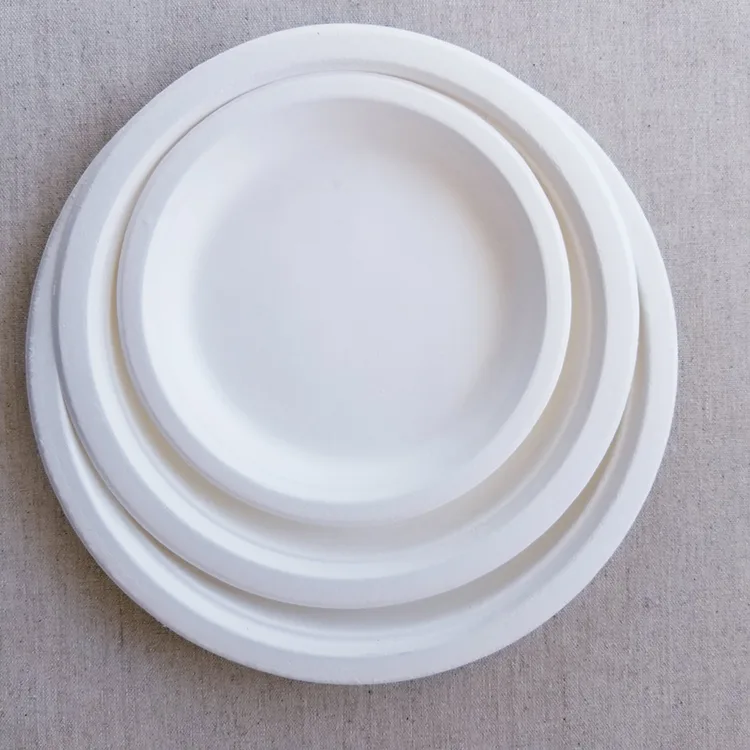
Actionable coverage of non toxic dinner plates: eco-friendly, biodegradable, compostable materials, performance data, and compliance under EN13432 & ASTM D6400. Includes BPI/TÜV references and Food-Contact Tested guidance for safe deployment. Buyer-focused: manufacturer insights, bulk/wholesale buying playbooks, OEM/ODM customization tips, full size range selection.
non toxic dinner plates — Quick Summary
  • Items displayed (articles): 12
  • Last updated: 2025-02-20
  • Includes test data, compliance guides, buyer FAQs, and real-world use cases.

Editor’s Picks: Top Non Toxic Dinner Plates Guides 2026

FAQ of Bioleader's Eco-friendly Disposable Tableware

Environment-Friendly Sustainability

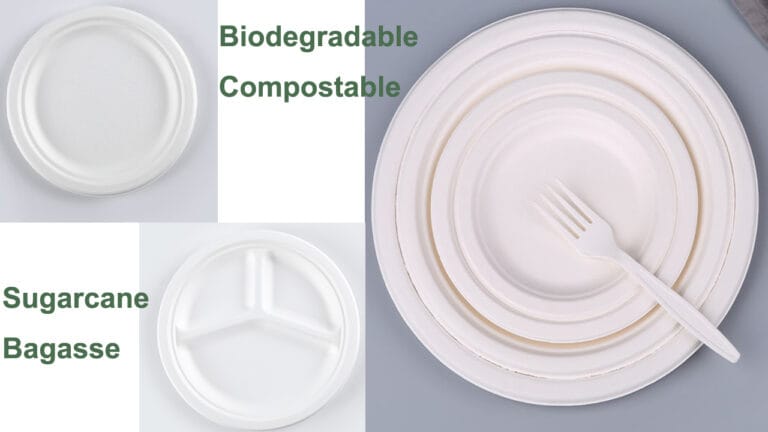
Our bagasse trays are eco-friendly. They are compostable and biodegradable and do not leave any harmful traces after they disintegrate with time. Any food franchise or other businesses that would use the product would be using our takeaway trays with lids would be able to cut down on landfill waste.

Food Delivery Special Trays

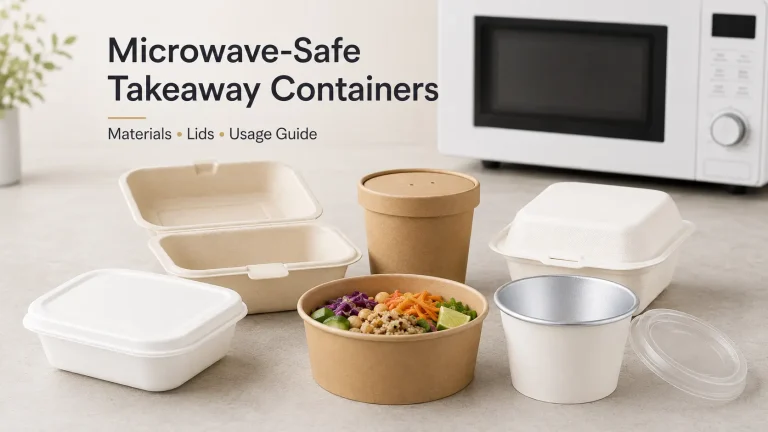
The specially designed trays made from mycelium won’t get affected by oil or water which means there will be no leaks during food delivery. This incredible feature makes them suitable for numerous dishes, including those that include sauce or oil. Customers find it more appealing to order our branded takeaway trays with lids as they do not have to deal with any mess.

Durable and Reliable Performance

Unlike many disposable options, our sugarcane food trays are built to last throughout their intended use. Whether exposed to heat, moisture, or refrigeration, they maintain their structure and performance. This durability makes them a reliable choice for any business requiring high-quality, dependable food packaging. Multiple Uses and Applications The bagasse will save you money and the environment.

Are all ceramic dinnerware products safe to use?

Not all ceramic dinnerware is safe , non toxic dinner plates. Some products, especially those with decorative glazes, may contain lead or cadmium — non toxic dinner plates. It is important to choose dinnerware from reputable manufacturers that adhere to strict safety standards and use non-toxic glazes.

What are the most common toxic chemicals found in traditional dinnerware?

Traditional dinnerware often contains harmful chemicals such as lead and cadmium, which are used in glazes to enhance color and durability , non toxic dinner plates. These substances can leach into food and pose serious health risks, including neurological disorders and hormonal imbalances.

Related Insights

🚀Ready to Go Green and Choose ?

Join the global movement toward zero-waste packaging.


Bioleader® offers:

  • 📦 Bulk order support & fast delivery

  • ✍️ Custom branding and OEM solutions

  • 🌍 Worldwide eco-packaging compliance

Get the Catalogue Products List  & Contact Us Now! 👉

Contact us Below

Click or drag files to this area to upload.You can upload up to 5 files.
The more details you share, the faster and more accurate our quotation will be.