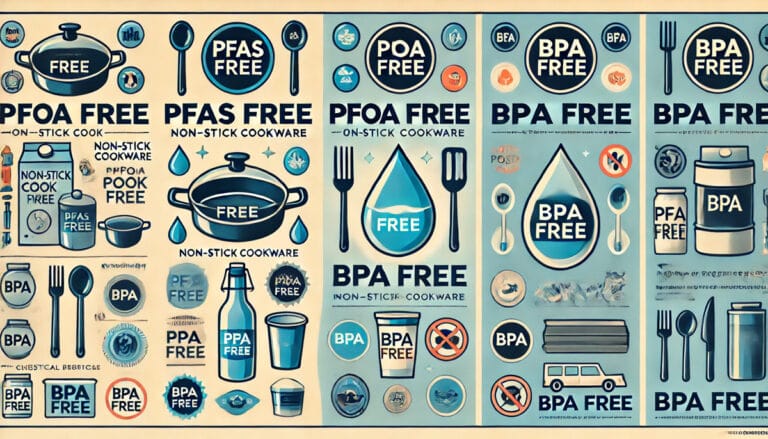
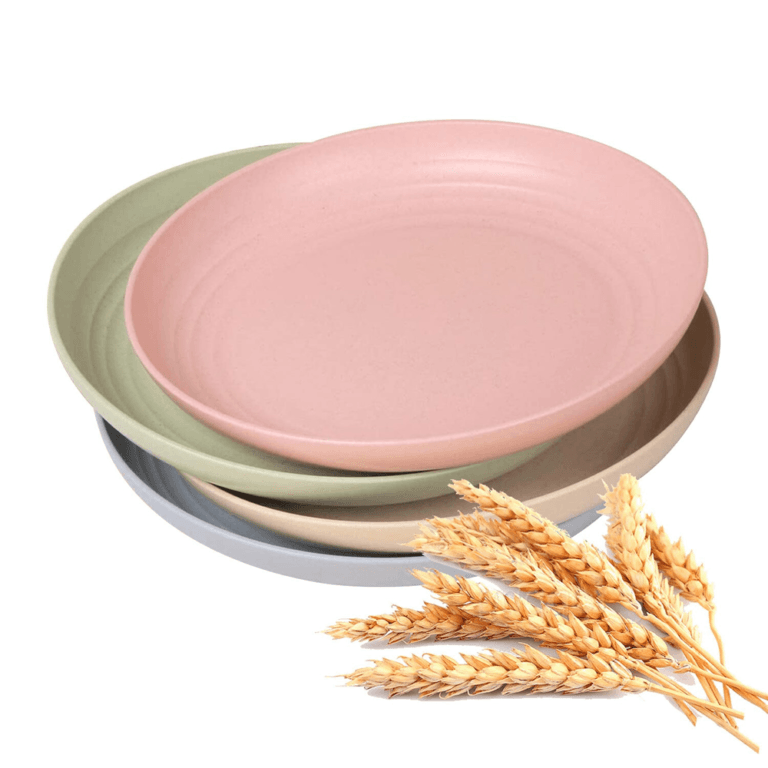
Non-toxic dinnerware is tableware designed to reduce harmful chemical migration into food. Buyers should pay special attention to lead, cadmium, BPA, PFAS, unsafe glazes, unknown coatings, and unverified food-contact materials.
Best safety approach: choose dinnerware that is food-contact tested, lead-safe or lead-free where relevant, cadmium-controlled, BPA-free, PFAS-aware, and supported by supplier documentation rather than broad marketing claims alone.
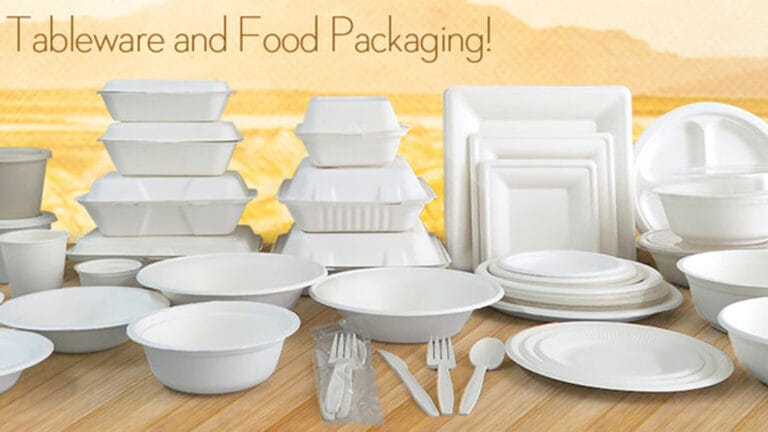
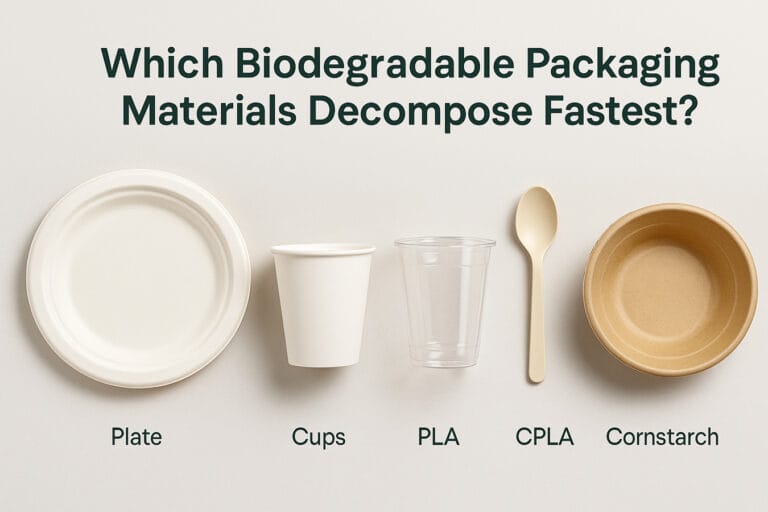
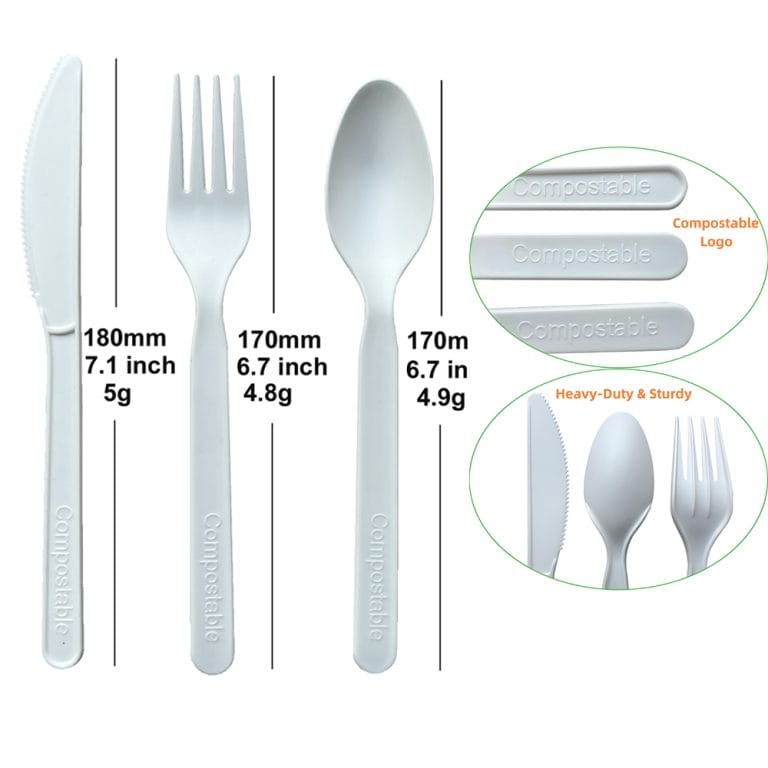
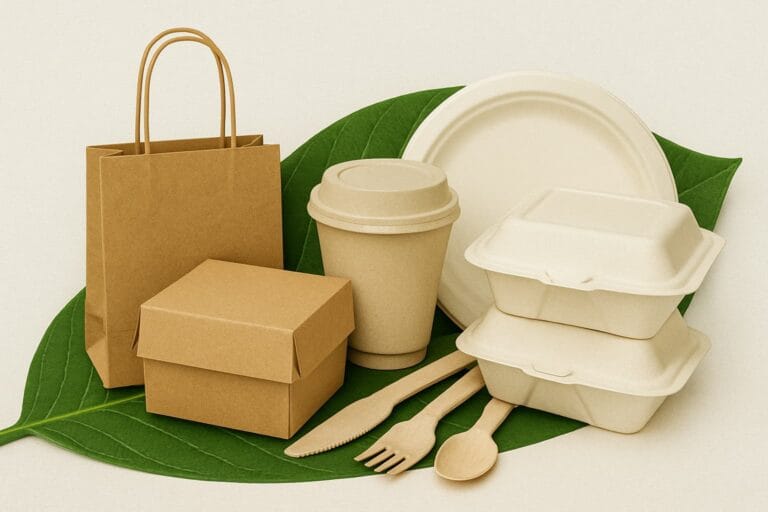
For disposable foodservice use: sugarcane bagasse tableware, cornstarch tableware, paper pulp products, and certified compostable food packaging can provide practical non-toxic alternatives to conventional plastic and foam when matched with proper use conditions, testing, and local disposal systems.


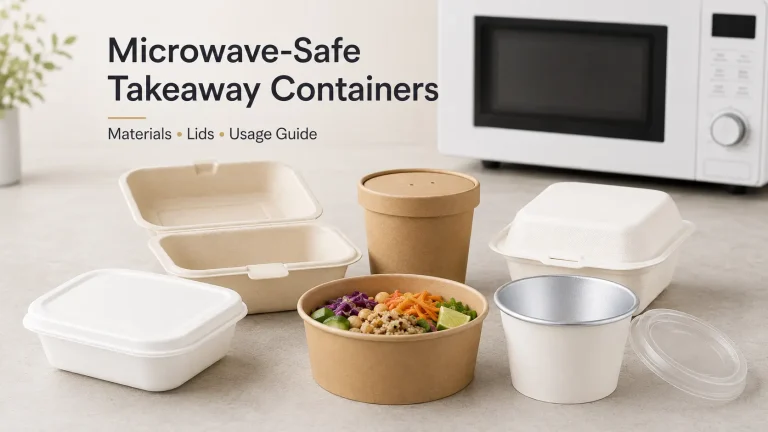
Our to go bowls with lids are made from two main types of materials: Kraft paper and white cardboard paper. Kraft paper is brown and more coarse than most papers and has high toughness and some water-resistant properties which make it good for holding medium-to-heavy and medium-hot food items. Conversely, the white cardboard paper provides an aesthetic appeal even as it remains tough , non toxic stoneware. Both of these materials can be recycled and are environmentally friendly – a fact that helps in the packaging design that conforms to the current green principles and yet maintains the needed standard.
Of course! Custom printing is an opportunity for you to order bowls with your logo or design printed on them. Do not hesitate to ask for additional information regarding the special applications.
Yes, these salad bowls compostable are made from biodegradable materials such as kraft paper and white cardboard paper which allow it to biodegrade when discarded appropriately.
Environmental health research has repeatedly highlighted that lead and cadmium exposure should be minimized, especially for children, pregnant women, and other vulnerable groups — non toxic stoneware. The CDC states that no safe level of lead in children’s blood has been identified, which supports a precautionary approach when selecting dinnerware. In practical terms, consumers and businesses should avoid dinnerware with unknown glazes, decorative-only labels, damaged surfaces, or missing food-contact documentation.
The growing consumer demand for transparency and safety in household and foodservice products has fueled the rise of non-toxic dinnerware , non toxic stoneware. Consumers are no longer willing to compromise on health, and they are increasingly informed by online reviews, social media, expert recommendations, and certification labels. This trend is further supported by the rapid growth of online platforms where non-toxic dinnerware is marketed as part of a holistic approach to wellness and sustainable living. Over the past decade, the non-toxic dinnerware market has experienced significant growth, driven by increasing consumer awareness of health and environmental issues.
Join the global movement toward zero-waste packaging.
Bioleader® offers:
📦 Bulk order support & fast delivery
✍️ Custom branding and OEM solutions
🌍 Worldwide eco-packaging compliance
Get the Catalogue Products List & Contact Us Now! 👉
📧 Email : info@bioleaderpack.com
📲 WhatsApp : +86-15980856610
🟢 Wechat : bioleader
📍 Add : No.39 Xinglong Road, Xiamen, China
Copyright © 2015–2026 Xiamen Bioleader Environmental Protection Co., Ltd | All Rights Reserved. Privacy Policy | AI Policy | Sitemap
Welcome to Bioleader Pack! 🌿
👉 Get a Quick Quote, Customized & Sample Details. We're online to help with your sourcing needs!
📩 Need Catalog & Price List? Email us: info@bioleaderpack.com
⏰ Response within 6-12 hours.
(Due to timezone differences, if we're away, please email us or leave a message.)
Response time: < 8h | Catalog List
WhatsApp us