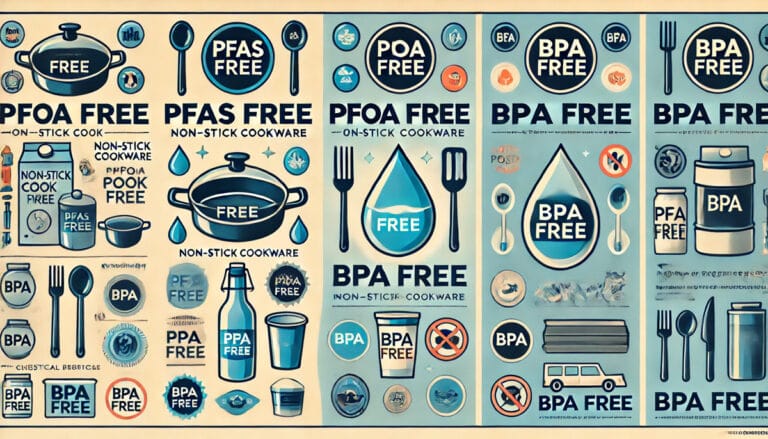
Non-toxic dinnerware is tableware designed to reduce harmful chemical migration into food. Buyers should pay special attention to lead, cadmium, BPA, PFAS, unsafe glazes, unknown coatings, and unverified food-contact materials.
Best safety approach: choose dinnerware that is food-contact tested, lead-safe or lead-free where relevant, cadmium-controlled, BPA-free, PFAS-aware, and supported by supplier documentation rather than broad marketing claims alone.
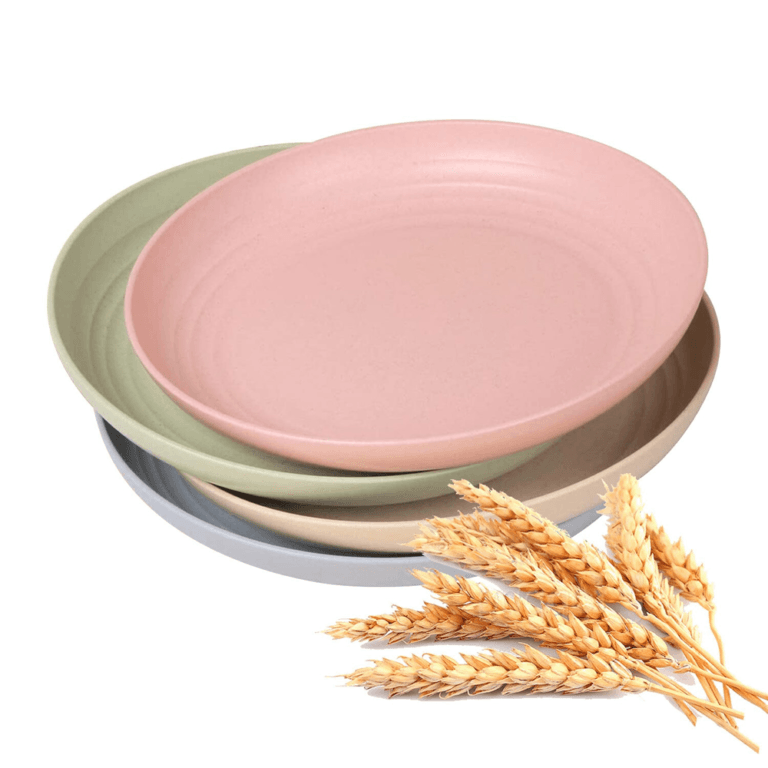
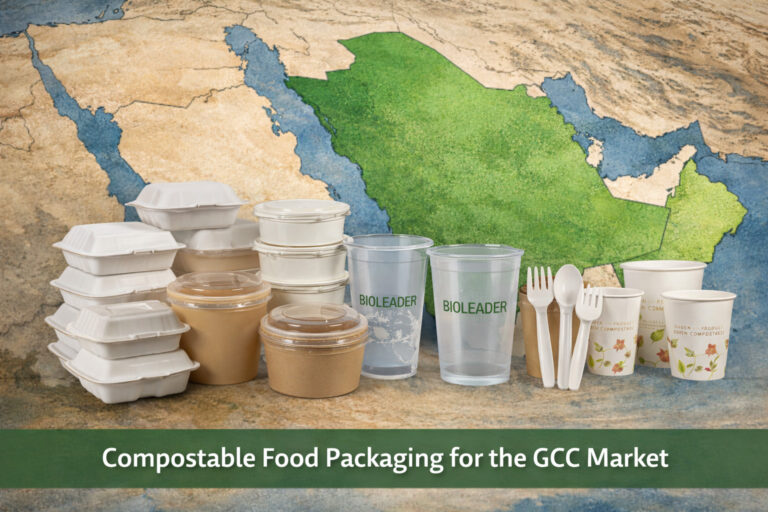
For disposable foodservice use: sugarcane bagasse tableware, cornstarch tableware, paper pulp products, and certified compostable food packaging can provide practical non-toxic alternatives to conventional plastic and foam when matched with proper use conditions, testing, and local disposal systems.


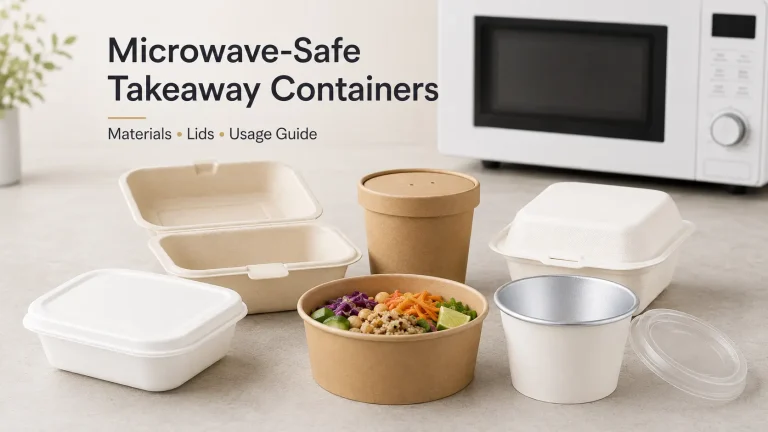
Making operating and design decisions that enhance environmental sustainability involves green practices and does not destroy the business unit’s viability. We manufacture durable Kraft paper as well as white cardboard paper for use in our bio-disposable bowls with printed logos. Kraft paper is strong, environmentally friendly, and compostable. Natural brown kraft paper is the appropriate choice for environment-friendly consumers — non toxic dinnerware supplier.
Yes, they can be put in a microwave even though there is no instruction to that, which makes it easier as meals can be quickly reheated in the same bowl.
You most definitely can Yes! you can warm up your food using these take out to go bowls without the fear that the container will be destroyed.
Environmental health research has repeatedly highlighted that lead and cadmium exposure should be minimized, especially for children, pregnant women, and other vulnerable groups. The CDC states that no safe level of lead in children’s blood has been identified, which supports a precautionary approach when selecting dinnerware , non toxic dinnerware supplier. In practical terms, consumers and businesses should avoid dinnerware with unknown glazes, decorative-only labels, damaged surfaces, or missing food-contact documentation.
Traditional ceramic and porcelain dinnerware, while aesthetically pleasing, can sometimes contain glazes that release unwanted substances when used with food, especially acidic, hot, or long-contact foods. Lead-based glazes are restricted or prohibited in many markets, but imported, decorative, antique, handmade, or poorly controlled products may still raise concerns. According to the U.S. Food and Drug Administration (FDA), some ceramic foodwares have historically been found to leach significant quantities of lead from food-contact surfaces, and extractable lead can create adverse health risks under continued food use — non toxic dinnerware supplier.
Join the global movement toward zero-waste packaging.
Bioleader® offers:
📦 Bulk order support & fast delivery
✍️ Custom branding and OEM solutions
🌍 Worldwide eco-packaging compliance
Get the Catalogue Products List & Contact Us Now! 👉
📧 Email : info@bioleaderpack.com
📲 WhatsApp : +86-15980856610
🟢 Wechat : bioleader
📍 Add : No.39 Xinglong Road, Xiamen, China
Copyright © 2015–2026 Xiamen Bioleader Environmental Protection Co., Ltd | All Rights Reserved. Privacy Policy | AI Policy | Sitemap
Welcome to Bioleader Pack! 🌿
👉 Get a Quick Quote, Customized & Sample Details. We're online to help with your sourcing needs!
📩 Need Catalog & Price List? Email us: info@bioleaderpack.com
⏰ Response within 6-12 hours.
(Due to timezone differences, if we're away, please email us or leave a message.)
Response time: < 8h | Catalog List
WhatsApp us