1. What is Bagasse Tableware?
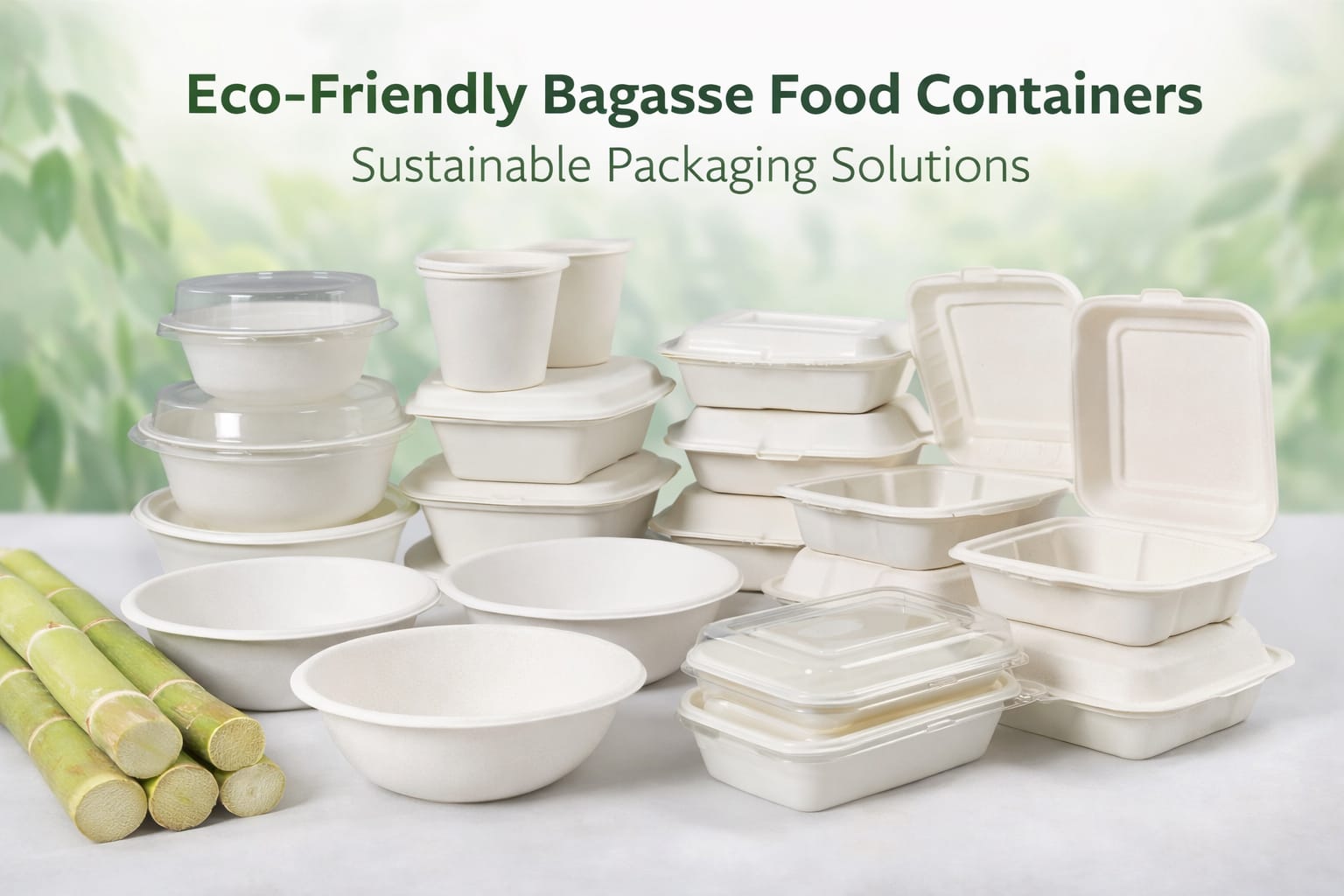
Bagasse tableware refers to disposable, environmentally friendly food containers made from bagasse, the fibrous residue left after extracting juice from sugarcane. Bagasse is a sustainable, renewable resource that can be transformed into biodegradable plates, bowls, containers, and other packaging products.
Why Bagasse is a Preferred Material
Sustainability: Bagasse is made from sugarcane pulp, which is abundant and renewable, unlike plastics made from fossil fuels.
Compostability: Unlike plastic, bagasse is compostable and breaks down into organic matter in a composting environment.
Versatility: Bagasse tableware can be used for hot, cold, dry, and wet foods, making it perfect for various foodservice applications.
Why Bioleader® Bagasse Tableware is the Future
Bioleader® specializes in high-quality, eco-friendly bagasse tableware. Our products offer a sustainable alternative to plastic and foam products, supporting businesses in adopting environmentally responsible packaging solutions. The durability and compostability of Bioleader®’s bagasse products help reduce waste and promote a circular economy.
2. The Production Process of Bagasse Tableware
The production of bagasse tableware involves several key steps, ensuring a product that is both sustainable and practical for everyday use. Here’s an overview of the process:
Pulping: Sugarcane pulp, often mixed with bamboo pulp, is first broken down into a slurry.
Forming: The slurry is transferred to a molding machine, where it is shaped into various tableware items like plates and bowls. This is done through a vacuum suction process.
Hot Mold Pressing: The molded shapes are then pressed to form the final product.
Trimming and Quality Control: Excess material is trimmed, and each product undergoes strict quality control to ensure it meets standards.
Disinfection and Packaging: The products are sterilized using ultraviolet light, then packaged in a sterile environment.
Benefits of Bioleader® Bagasse Tableware Production:
Bioleader® ensures that our production process has zero wastewater discharge and minimizes environmental impact. We focus on using renewable resources and energy-efficient methods to create products that are not only safe but sustainable.
3.Why Choose Bagasse? A Side-by-Side Comparison
To understand the true value of sugarcane fiber, we must compare it with conventional materials like PET plastic and lined paper.
| Feature | Sugarcane Bagasse | Plastic (PET/PP) | Paper (Lined) |
|---|---|---|---|
| Biodegradability | 100% Compostable | Non-biodegradable | Partial (due to coating) |
| Heat Resistance | Up to 100°C (Microwavable) | Varies (Risk of melting) | Moderate (Can get soggy) |
| Chemical Safety | 100% PFAS-Free Available | BPA/Phthalate Concerns | Plastic/Wax Lining |
| Carbon Footprint | Ultra Low (Agricultural Waste) | High (Petroleum-based) | Medium (Tree-pulp) |
As shown above, sugarcane bagasse outperforms traditional materials not only in its 100% compostability but also in its superior functional durability. At Bioleader, we ensure that this eco-friendly shift comes with zero compromises on microwave safety or oil resistance for your catering needs.
4. Key Features of Bagasse Tableware
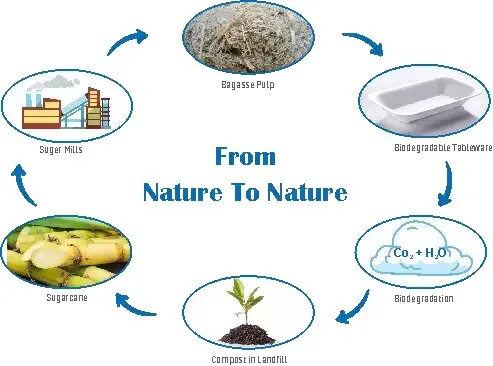
Bagasse tableware is becoming a go-to option for sustainable packaging, thanks to its unique features that provide multiple benefits:
Water and Oil-Resistant: Bagasse is naturally resistant to water and oil, making it perfect for serving a wide variety of foods.
Microwave and Oven Safe: It can be heated in a microwave at up to 120°C and even baked at 220°C, offering great convenience in foodservice.
Compostable: Bagasse is 100% biodegradable and can break down in home or industrial composting environments in 45 to 90 days.
Non-Toxic: The product is non-toxic and safe for both food contact and the environment.
Durable and Sturdy: Despite being biodegradable, bagasse tableware is durable enough to hold hot and cold foods without losing structural integrity.
5. Industry Trends: The Shift Towards Biodegradable Tableware
With the growing global push for sustainability, the shift from plastic to biodegradable materials is becoming more pronounced. Regulations, such as bans on single-use plastics in various countries, are driving demand for alternatives like bagasse. Bagasse tableware aligns with these changes, offering businesses a compliant and eco-friendly solution.
Regulations Pushing Change
Many countries have now implemented or are planning to implement single-use plastic bans. Bagasse, being biodegradable, is an ideal solution to replace plastic tableware.
Consumer Demand for Eco-Friendly Products
As consumers become more environmentally conscious, demand for biodegradable packaging continues to grow. Businesses that transition to sustainable options like bagasse tableware can gain a competitive edge.
100% PFAS-Free: The Gold Standard of Food Safety
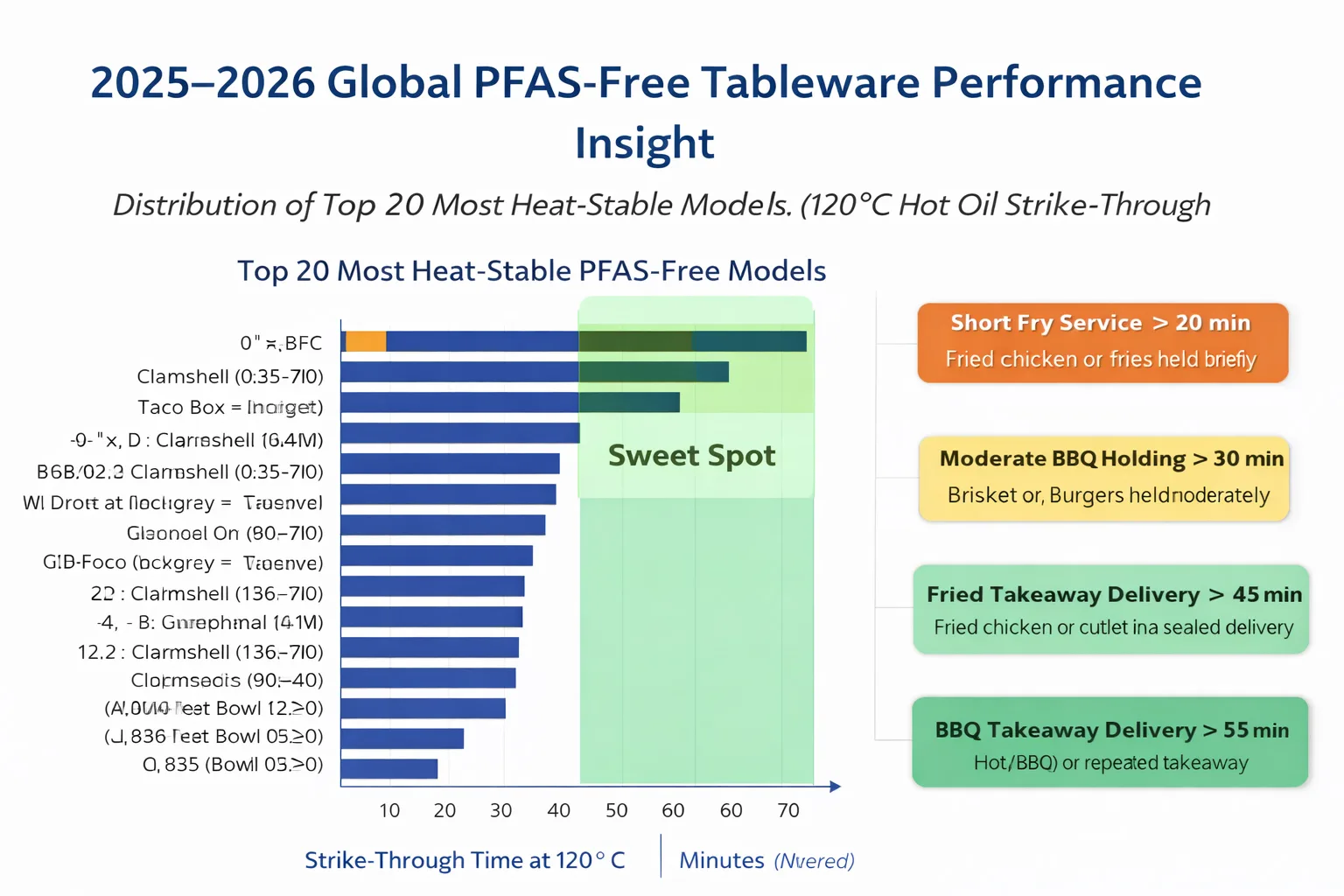
At Bioleader, we prioritize consumer health and global compliance. Traditional bagasse tableware often uses PFAS (Per- and Polyfluoroalkyl Substances) for grease resistance. However, our advanced sugarcane fiber technology offers a 100% PFAS-free solution that maintains superior oil resistance without the use of “forever chemicals.”
Compliance: Fully meets the stringent requirements of the California PFAS Ban and EU’s food contact material safety standards.
Peace of Mind: Certified compostable and non-toxic, ensuring that your packaging is as safe for the body as it is for the planet.
Future Outlook
As environmental regulations become stricter, biodegradable tableware is expected to become the standard for foodservice packaging.
6. Advantages of Using Bagasse Tableware
Environmentally Friendly: By using renewable sugarcane pulp, bagasse products help reduce the environmental impact of food packaging.
Compostable and Biodegradable: Bagasse is fully biodegradable and can be composted at home or in industrial composting systems, reducing landfill waste.
Affordable: Bagasse products are affordable compared to other eco-friendly alternatives, making them accessible for businesses of all sizes.
Heat-Resistant and Durable: Bagasse can withstand high temperatures, making it ideal for serving hot foods.
Why Bioleader® Bagasse Tableware is the Best Choice:
Bioleader® bagasse tableware combines eco-friendliness, strength, and affordability, offering a reliable solution for businesses seeking to adopt sustainable packaging. Our products help businesses meet environmental goals without compromising on quality or performance.

7. Frequently Asked Questions (FAQ)
1. Is bagasse tableware safe to use for hot food?
Yes, bagasse tableware is heat-resistant and can hold hot food and liquids up to 220°C without losing strength or shape.
2. How long does bagasse take to degrade?
Bagasse is fully biodegradable and can decompose within 45-90 days in a composting environment.
3. Can bagasse tableware be used in the microwave?
Yes, bagasse tableware can safely be used in the microwave for reheating food up to 120°C.
4. What makes Bioleader® bagasse tableware different from other brands?
Bioleader® uses high-quality sugarcane pulp, ensuring durability, heat resistance, and biodegradability. Our products are also rigorously tested for safety and compostability.
5. How can businesses benefit from using bagasse tableware?
By switching to biodegradable options like bagasse, businesses can reduce their environmental footprint, comply with plastic bans, and cater to the growing demand for sustainable products.
8. Conclusion: The Future of Bagasse Tableware
As the world moves towards more sustainable practices, bagasse tableware is playing a key role in replacing plastic and foam products in the foodservice industry. With its affordability, durability, and eco-friendly features, bagasse is poised to become the standard in disposable tableware.
Bioleader® is committed to providing businesses with high-quality bagasse tableware, helping them make the transition to greener packaging solutions. As environmental regulations tighten and consumer preferences shift, investing in Bioleader®’s biodegradable sugarcane pulp tableware is an investment in the future.
Copyright Notice:
© 2026 Bioleader®. If you wish to reproduce or reference this content, you must provide the original link and credit the source. Any unauthorized copying will be considered an infringement.