FAQ of Bioleader's Eco-friendly Disposable Tableware
What is a PLA spoon compostable plastic spoon made from?
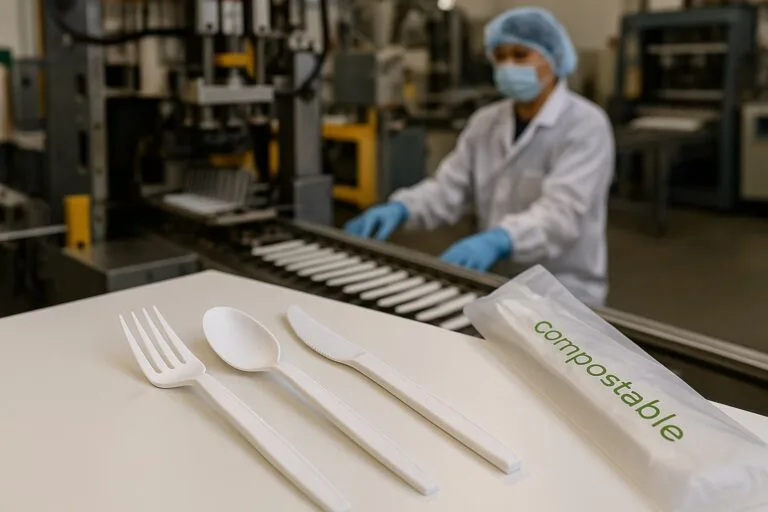
PLA spoons are made from polylactic acid, a plant-based bioplastic derived mainly from renewable resources like corn starch, making them biodegradable and compostable — Wholesale Compostable Dinnerware.
What are the benefits of individually wrapped plastic cutlery?
Individually wrapped plastic cutlery ensures high levels of hygiene, protects against contamination, and provides a convenient and sanitary solution for foodservice environments.
Is individually wrapped cutlery suitable for outdoor events and travel?
Absolutely. The individual packaging keeps the cutlery clean and ready to use, making it ideal for outdoor parties, picnics, travel, and catering services.
Market Growth and Industry Trends
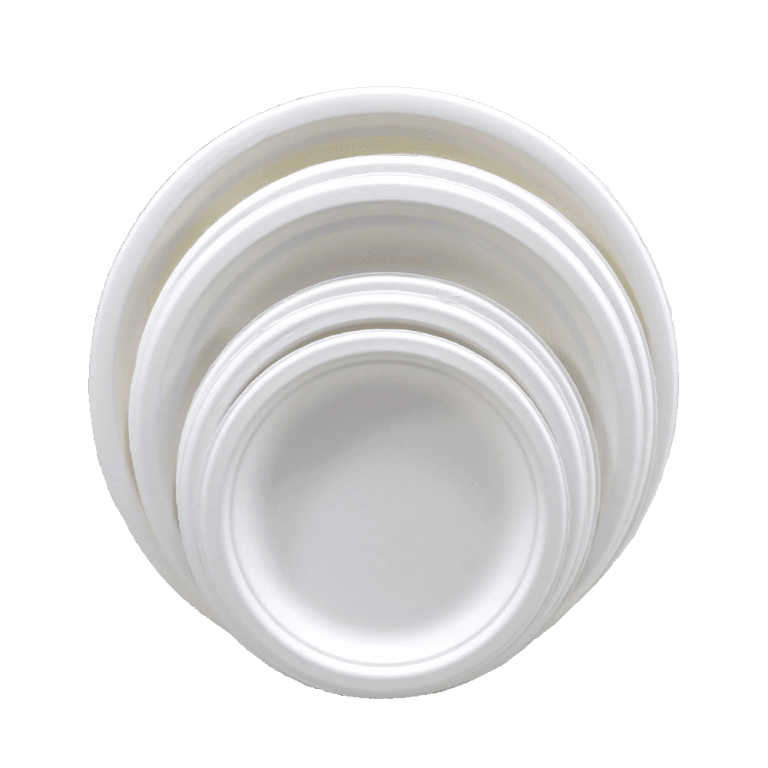
At present, the global market for bagasse plates is witnessing strong growth. Emerging market studies reveal that the bagasse plates industry had a valuation of nearly US$ 201.4 million in 2022 and is estimated to increase at a CAGR of 6.7% to almost US$367.6 million by 2031 , Wholesale Compostable Dinnerware. The primary reasons for this growth are the increasing demand from policymakers to limit the use of plastic and changing consumer habits that prefer environmentally friendly goods. Organizations that make the switch to bagasse plates stand to gain with changing market sentiment as well as improved brand equity.
Material Origins and Production
The primary source for plastic plates is petroleum, which is a non-renewable resource that emits significant carbon and damages the environment during extraction and processing , Wholesale Compostable Dinnerware. On the other hand, bagasse is a residue from the extraction of juice from sugarcane. Wastes that were once considered useless are now turned into long-standing food ware. This upcycling of these agricultural wastes not only alleviates the pressure on landfills but further decreases the demand for fresh raw materials.