The 2025 Buyer’s Guide To Takeaway Packaging Regulation | Bioleader® Guides

Actionable coverage of Takeaway Packaging Regulation: eco-friendly, biodegradable, compostable materials, performance data, and compliance under EN13432 & ASTM D6400. Includes BPI/TÜV references and Food-Contact Tested guidance for safe deployment. Buyer-focused: manufacturer insights, bulk/wholesale buying playbooks, OEM/ODM customization tips, full size range selection.
Takeaway Packaging Regulation — Quick Summary
  • Items displayed (articles): 12
  • Last updated: 2025-10-20
  • Includes test data, compliance guides, buyer FAQs, and real-world use cases.

Editor’s Picks: Top Takeaway Packaging Regulation Guides 2026

FAQ of Bioleader's Eco-friendly Disposable Tableware

Takeaway Meal Packaging

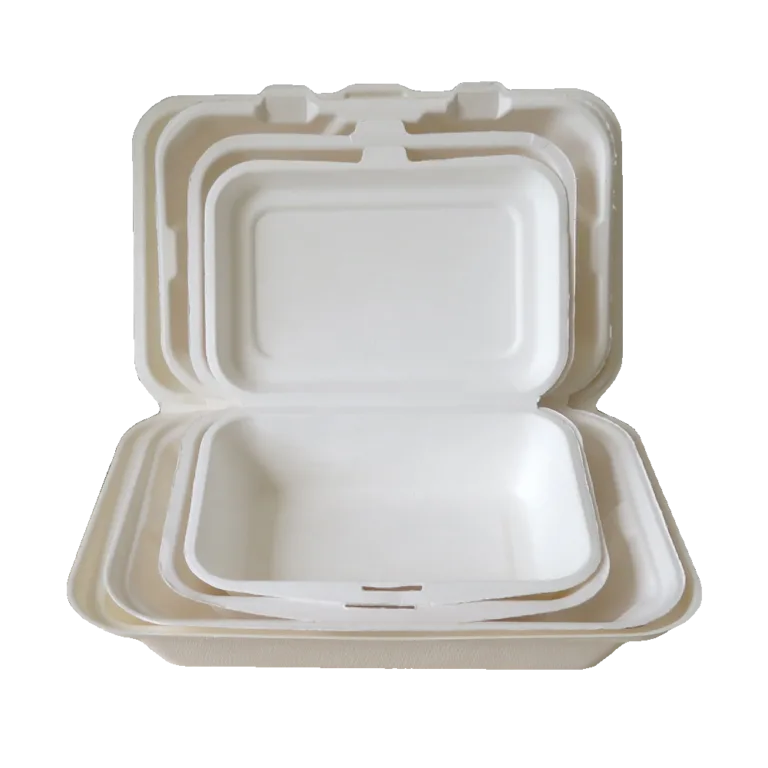
This tray is well suited for rice dishes, noodles, combo meals, grilled foods, and lunch sets , Takeaway Packaging Regulation. The 1000ml capacity provides enough space for practical single-meal portions.

5. What certifications should I look for when buying from an eco tray factory?

Reputable factories provide certifications such as OK Compost, BPI, TÜV Austria, EN13432, FDA, and LFGB. These ensure the trays are compostable, food-safe, and compliant with international sustainability standards — Takeaway Packaging Regulation. Packaging Insight: Why Choose Bioleader® Eco-Friendly Trays with Lids for Sustainable Food Packaging How do Bioleader® eco-friendly trays combine performance with sustainability? Utilizing bagasse and other renewable fibers, these trays deliver sturdy, leak-resistant food packaging that withstands hot and cold meals, while being fully compostable — Takeaway Packaging Regulation.

Eco-Friendly and Biodegradable

Serving as compostable food trays, our products get degraded over time when placed within activating environments, thus contributing towards minimal damage to the landfills while providing a much more environmentally friendly packaging. These bagasse food trays are not harmful to the environment which is a major shift towards a more responsible and eco-friendly practice instead of the use of plastic trays for food service.

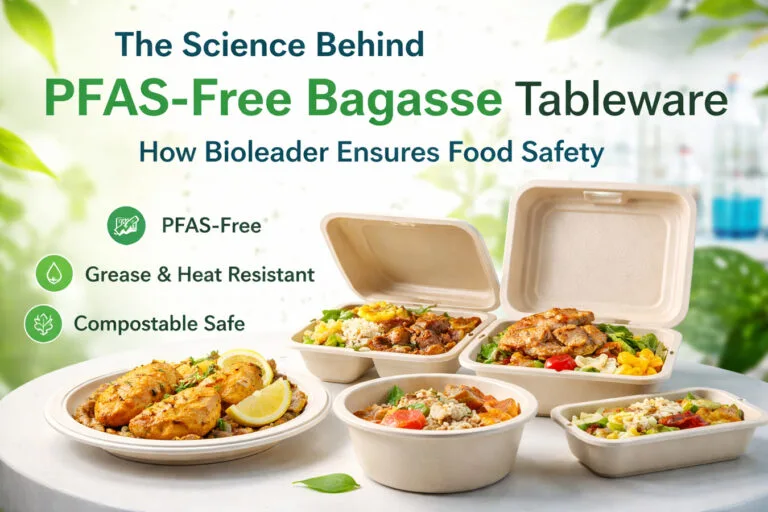
Bagasse/Molded Fiber Bases (PFAS-Free)

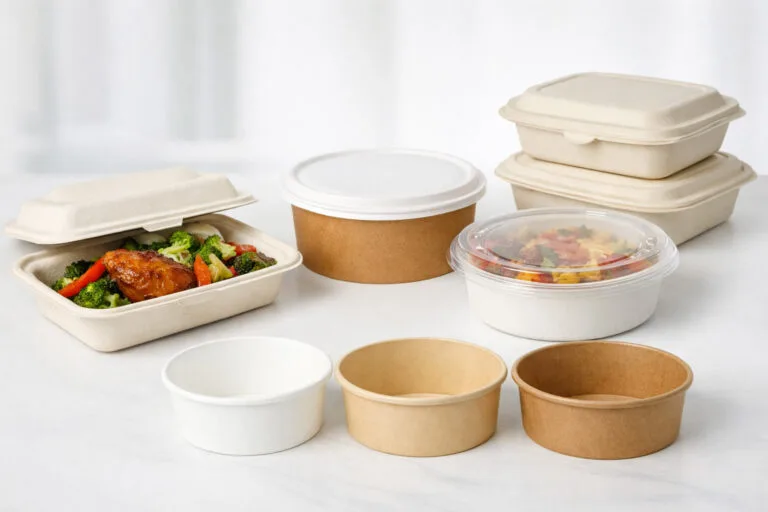
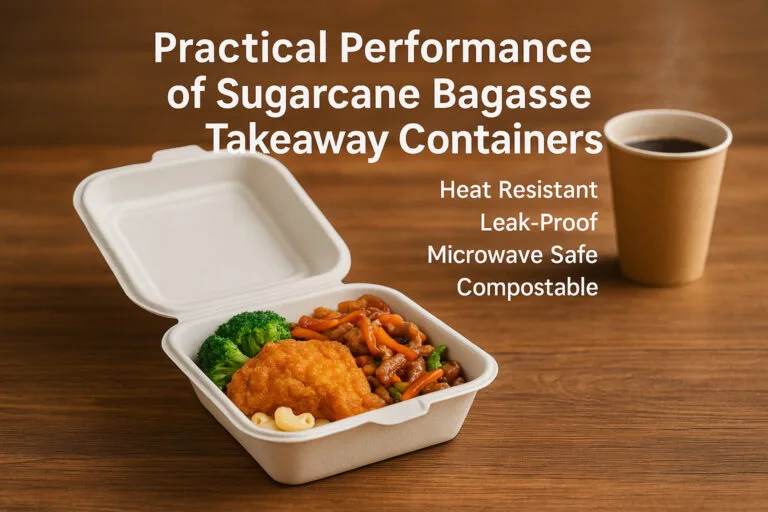
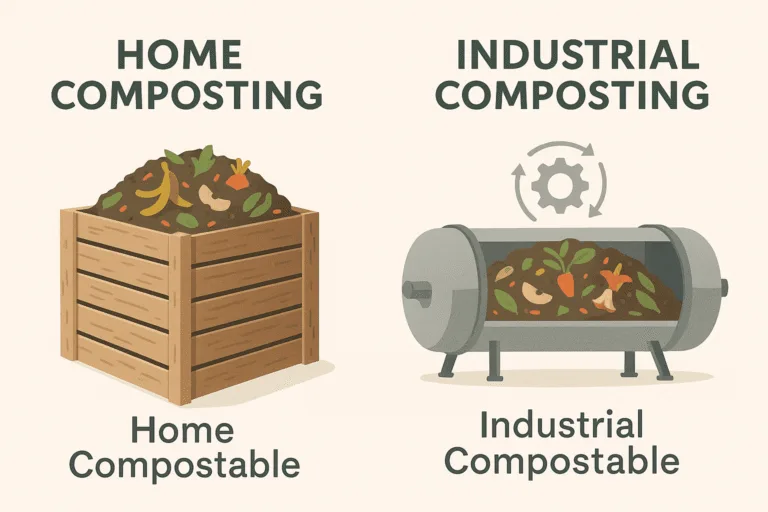
Strengths: heat window and rigidity, oil resistance without fluorination (when properly densified), natural matte look, and industrial compostability where facilities exist.Risks: home compost variability; quality control (odor/migration) needs supplier discipline; over-printing and heavy coatings can sabotage recovery.

3.5 City Pilots and Reverse Logistics

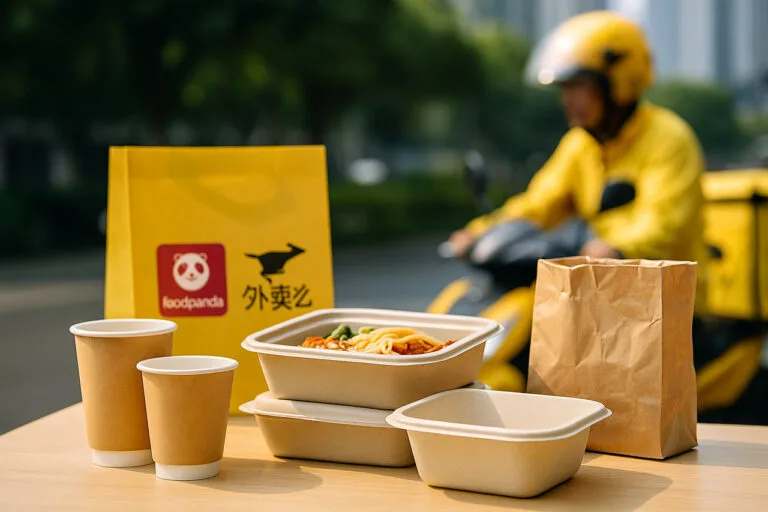
Where composting exists (or can be trialed), platforms should co-fund organics capture at high-density nodes: food courts, universities, office parks. Begin with one or two “hero SKUs” (bagasse bowls and trays) and mono-material lids, supported by on-site signage and staffed nudges during launch weeks. Publish pilot data—even if imperfect. 4) Materials: What Works in the Real Meal, Not the Ideal Label bagasse vs plastic containers

Related Insights

🚀Ready to Go Green and Choose ?

Join the global movement toward zero-waste packaging.


Bioleader® offers:

  • 📦 Bulk order support & fast delivery

  • ✍️ Custom branding and OEM solutions

  • 🌍 Worldwide eco-packaging compliance

Get the Catalogue Products List  & Contact Us Now! 👉

Contact us Below

Click or drag files to this area to upload.You can upload up to 5 files.
The more details you share, the faster and more accurate our quotation will be.