FAQ of Bioleader's Eco-friendly Disposable Tableware
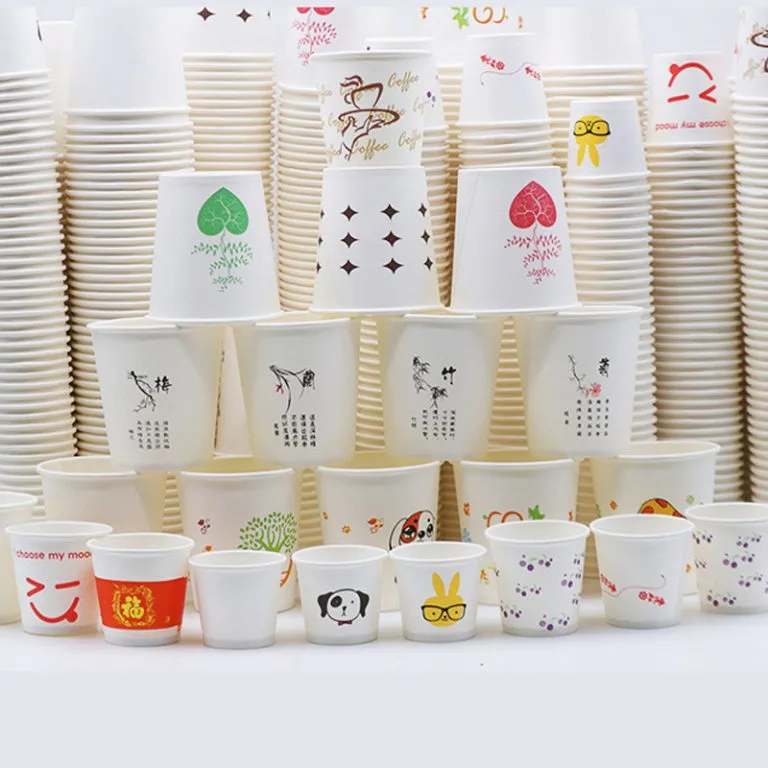
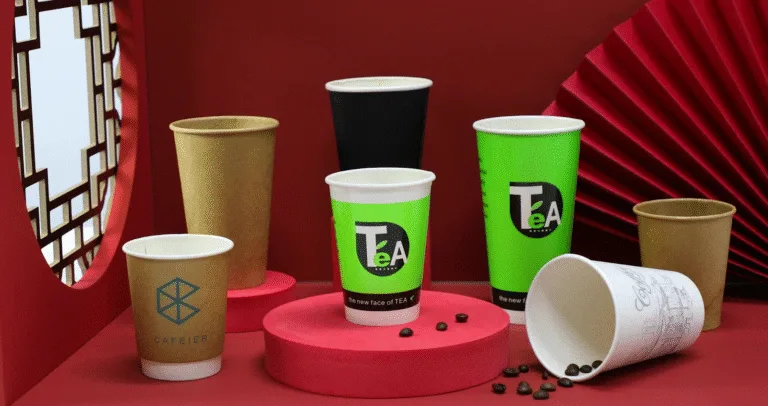
Can environmentally friendly cutlery be customized for branding?
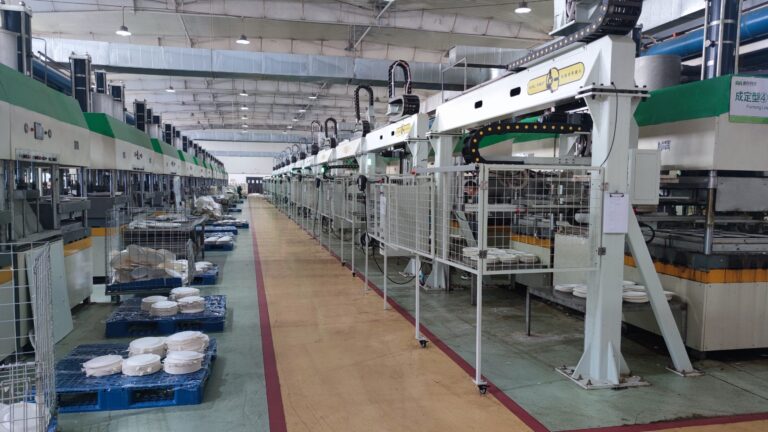
Absolutely — sugarcane bagasse boxes. Many manufacturers offer customizable packaging and logo printing options, allowing businesses to enhance brand visibility and promote sustainability , sugarcane bagasse boxes.
Can bio plastic cutlery be customized for branding?
Absolutely. Many manufacturers offer customizable options for bio plastic cutlery, including packaging, color, and logo printing to support branding and marketing needs.
What is bio plastic cutlery made from?
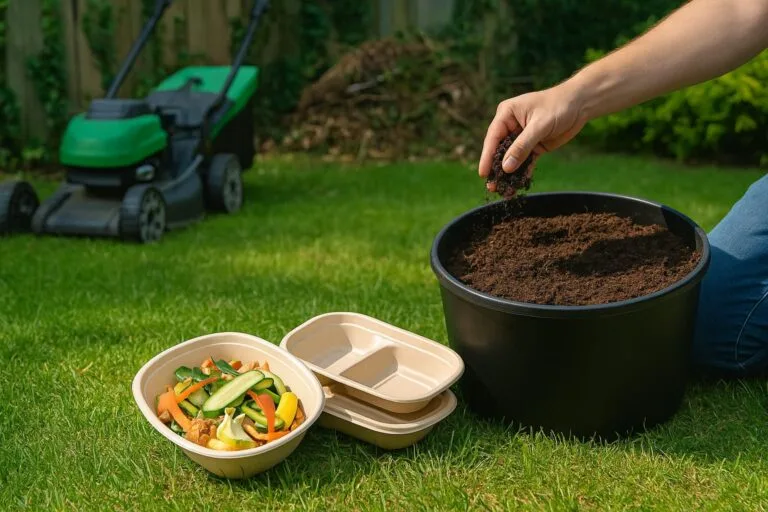
Bio plastic cutlery is typically made from renewable plant-based materials such as cornstarch, PLA, or sugarcane, making it biodegradable and compostable.
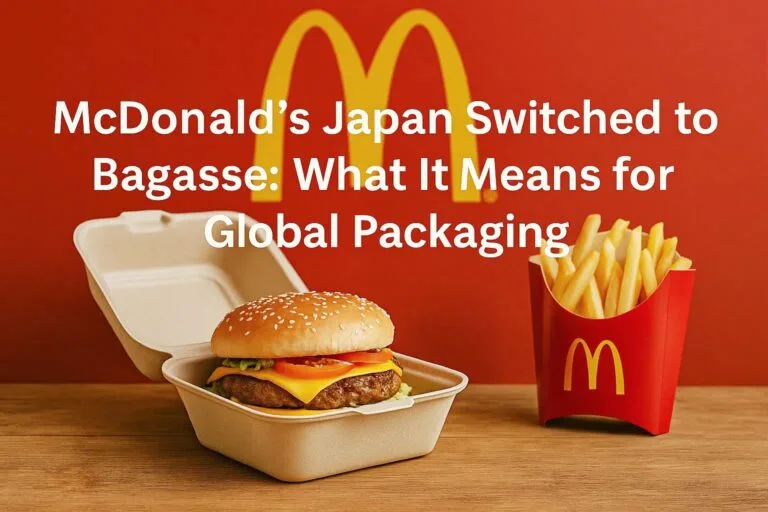
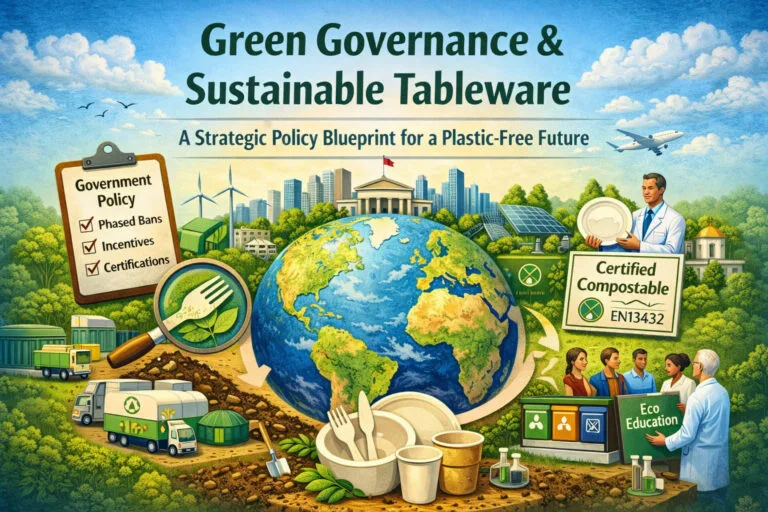
Why are global food brands adopting compostable packaging?
Global brands are switching to compostable materials to meet plastic ban regulations, improve their sustainability image, and appeal to eco-conscious consumers.
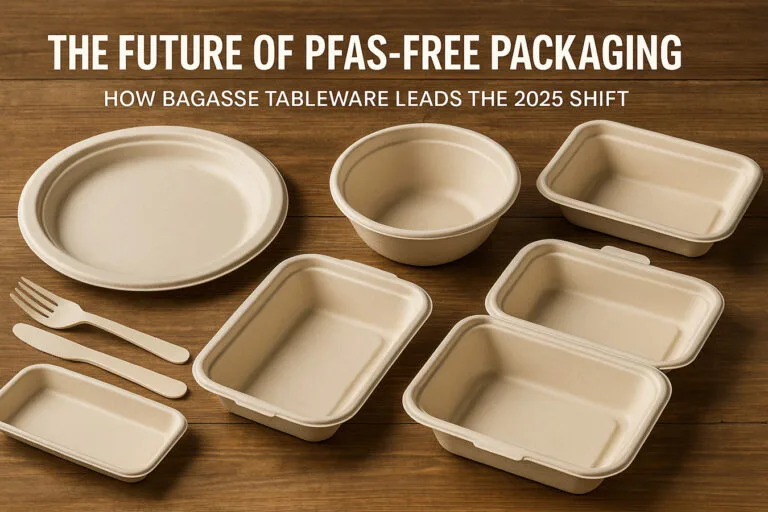
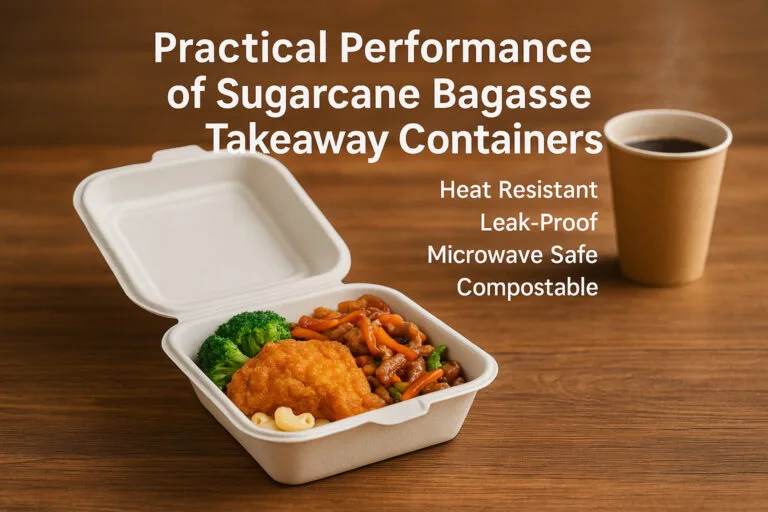
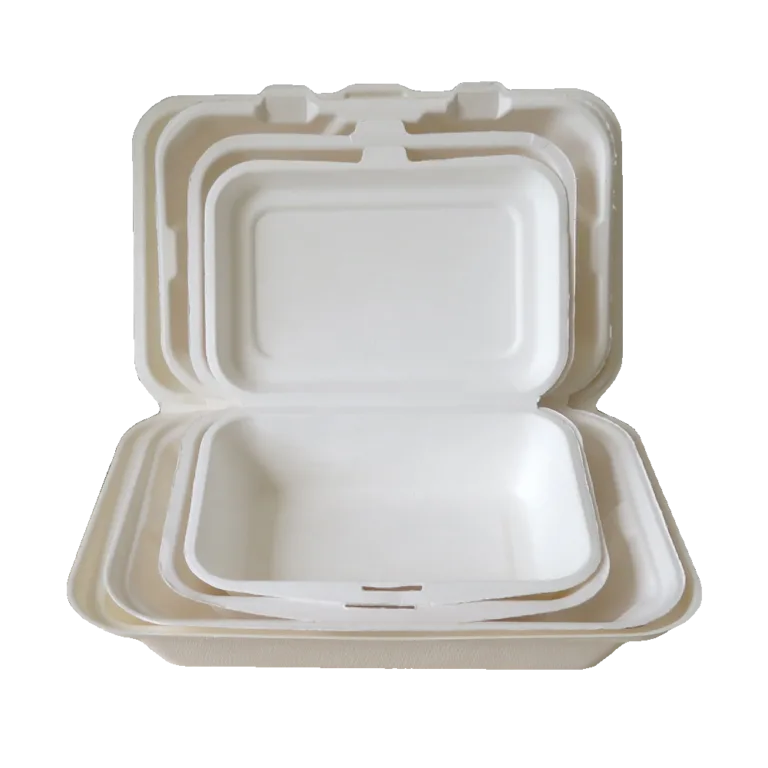
What is bagasse and how is it used in fast-food packaging?
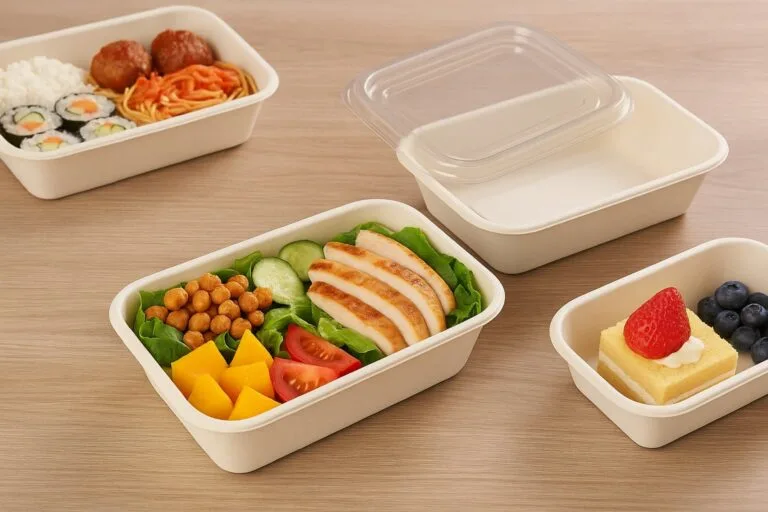
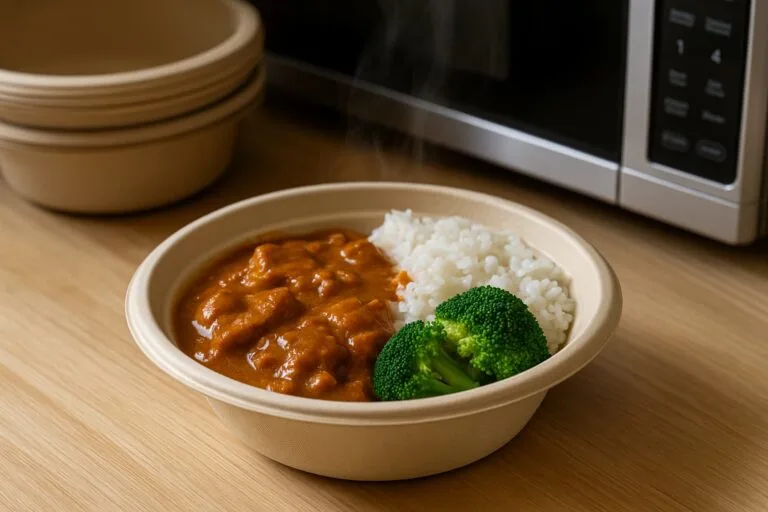
Bagasse is a byproduct of sugarcane processing. It is used to make compostable containers such as burger boxes, trays, and bowls for hot or oily foods in fast-food and takeaway services , sugarcane bagasse boxes.