South Africa EPR Packaging: Key Industry Highlights | Bioleader® Guide
Actionable coverage of South Africa EPR packaging: eco-friendly, biodegradable, compostable materials, performance data, and compliance under EN13432 & ASTM D6400. Includes BPI/TÜV references and Food-Contact Tested guidance for safe deployment. Buyer-focused: manufacturer insights, bulk/wholesale buying playbooks, OEM/ODM customization tips, full size range selection.
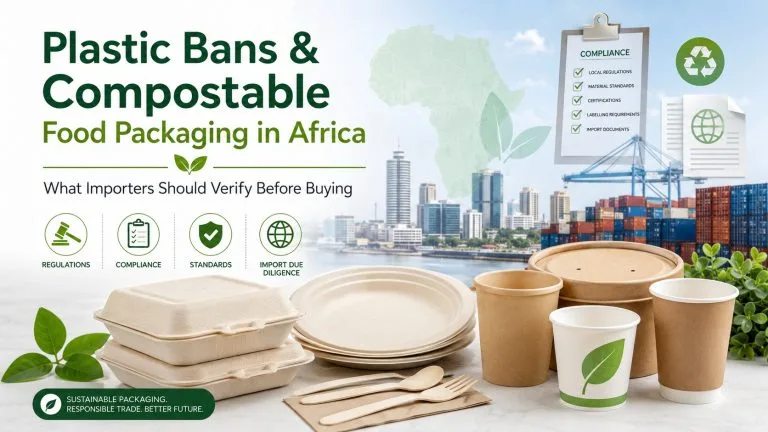
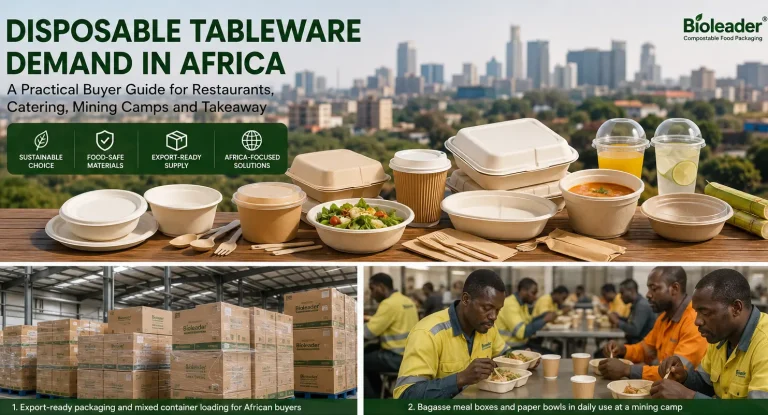
Africa is not a single regulatory market for disposable food packaging. Plastic bans, Styrofoam restrictions, EPR rules, food-contact expectations and compostable packaging claims vary by country, city and product category. For importers, the key is not to ask whether a product is “eco-friendly” in general, but to verify whether the product, documents and claims match the destination market before buying.
South Africa EPR packaging — Quick Summary
Items displayed (articles): 12
Last updated: 2026-06-26
Includes test data, compliance guides, buyer FAQs, and real-world use cases.
FAQ of Bioleader's Eco-friendly Disposable Tableware
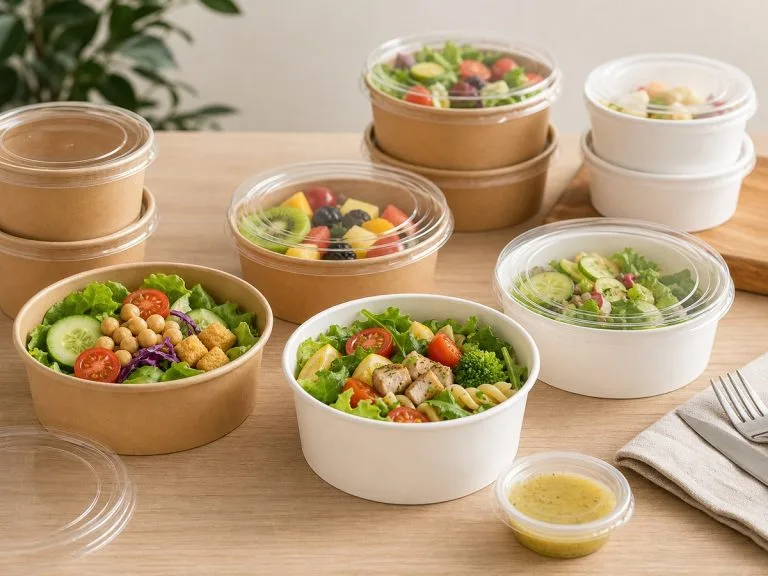
Are the bowls microwave- and freezer-safe?
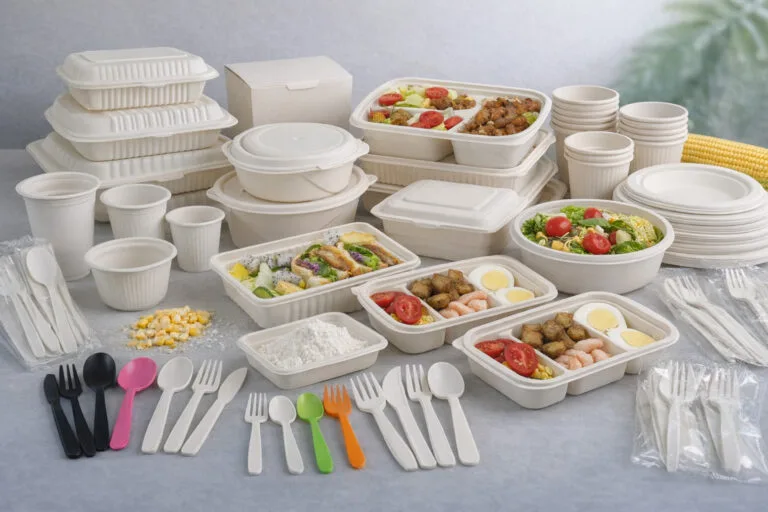
Yes, our biodegradable bowls are both microwaveable and freezer-safe, maintaining their structure and food safety even under temperature variations — South Africa EPR packaging.
Do the lids hold tight so there are no leakage problems while in transit?
Yes, the lids are designed in such a way that they are fastened to the container securely and will not let the contents escape or leak during transit, which is an ideal characteristic for takeaway and delivery orders.
Do the lids fit tightly?
Yes, The lids can be placed firmly on the containers ensuring no spillage while carrying or dragging around.
Do compostable products automatically comply with African plastic bans?
No , South Africa EPR packaging. Compostable products do not automatically comply with every African policy , South Africa EPR packaging. Buyers must check the specific country, product category, material definition and documentation requirements before making claims or importing large quantities.
What should African importers verify before buying compostable food packaging?
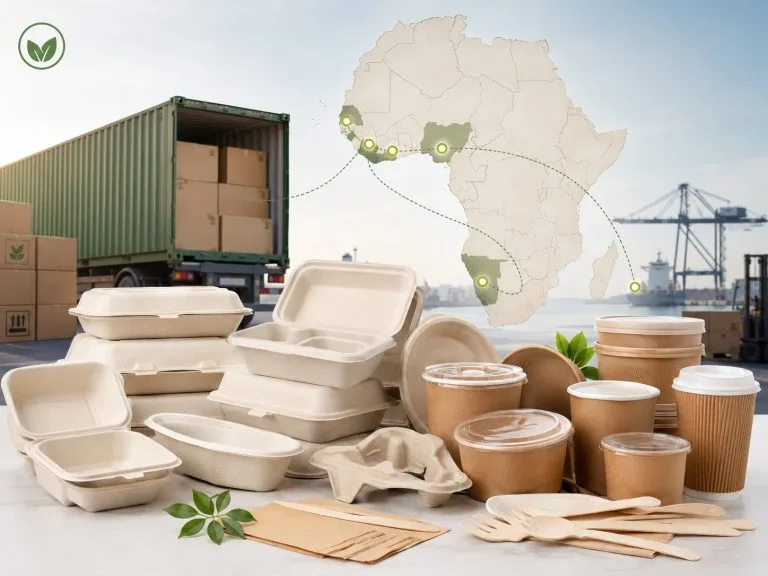
Importers should verify destination-country rules, product material, food-contact suitability, compostability claims, PFAS-related statements, carton specifications, MOQ, commercial invoice, packing list and shipping documents before placing bulk orders.