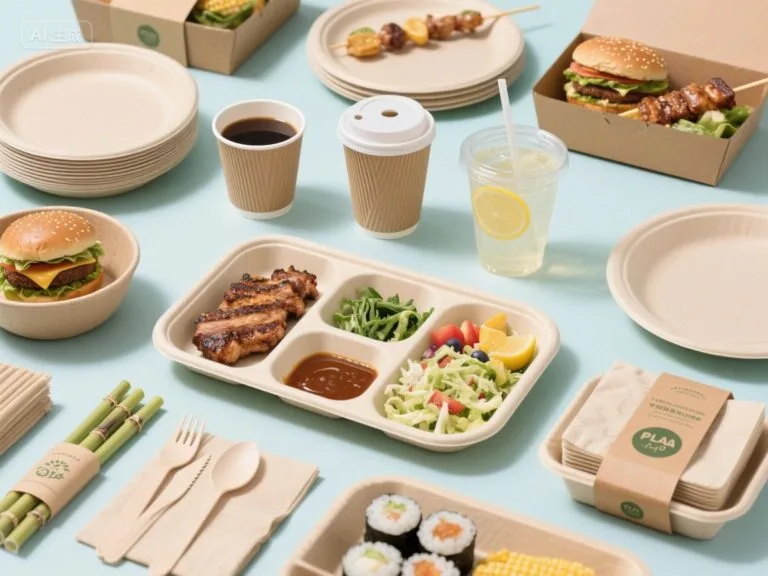
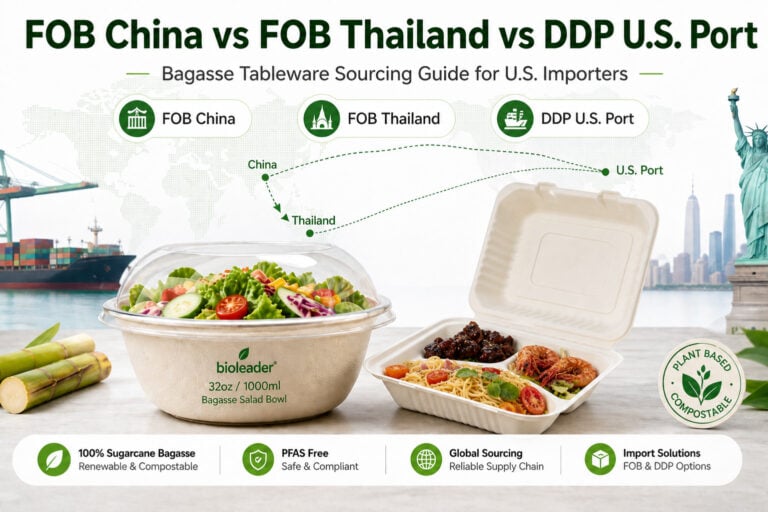
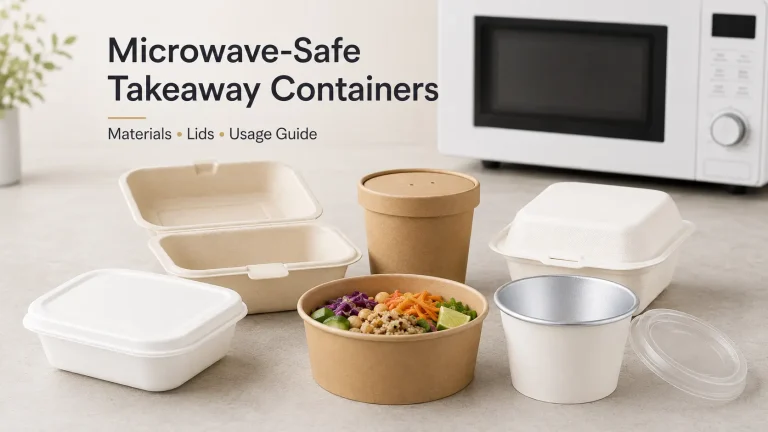
This tray is well suited for rice dishes, noodles, combo meals, grilled foods, and lunch sets. The 1000ml capacity provides enough space for practical single-meal portions.
Our bagasse pulp trays offer excellent waterproof and oil-resistant properties, making them ideal for a variety of food items, from oily dishes to soups — renewable bioplastic factory. Their durable structure prevents leaks and breakage, ensuring a mess-free, reliable packaging experience. This strength and reliability make them suitable for demanding food service settings, including high-volume takeaway and food delivery — renewable bioplastic factory. Practical Applications of Molded Pulp Trays
We prioritize safety by ensuring our molded pulp trays are PFAS-free and BPA-free. Unlike many traditional food packaging materials that contain harmful chemicals, our trays offer peace of mind and meet rigorous health and safety standards. This makes them a safer option for direct food contact.
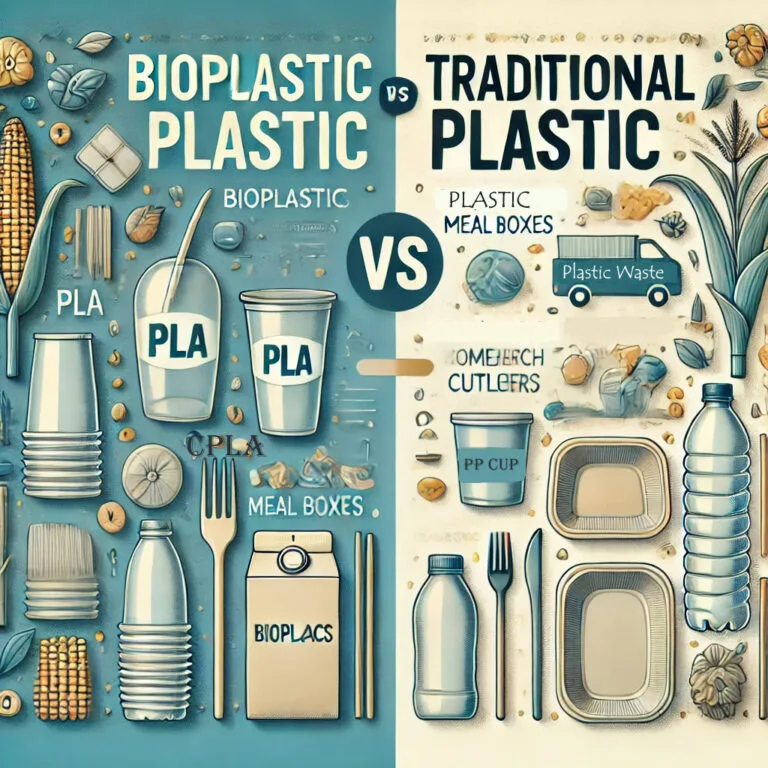
Traditional plastics are polymers primarily derived from petrochemicals. Polyethylene (PE), polypropylene (PP), polyvinyl chloride (PVC), polystyrene (PS), and polyethylene terephthalate (PET) are among the most commonly produced plastics worldwide. These materials owe their popularity to a set of unique properties: High Durability and Strength: Traditional plastics can endure substantial wear and tear, making them ideal for packaging, automotive components, and consumer goods. Versatility: Their chemical structure allows for a wide range of variations, enabling everything from rigid to flexible applications.
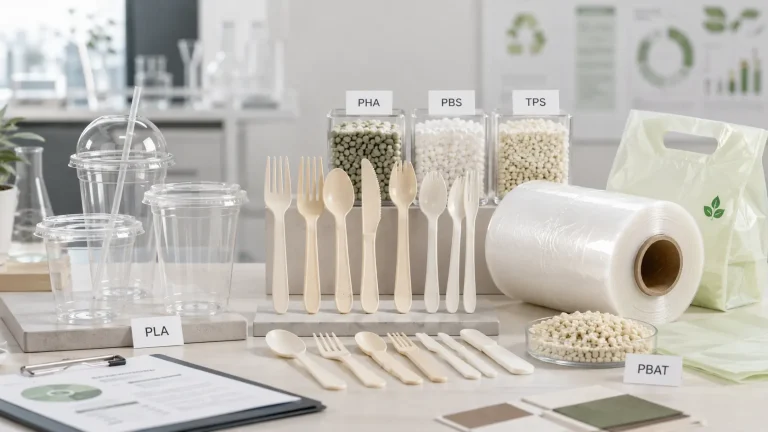
Criteria Bioplastics Traditional Plastics Raw Material Source Derived from renewable sources (e.g., cornstarch, sugarcane, algae) Produced from fossil fuels (oil, natural gas) Environmental Impact Lower carbon footprint; potential for biodegradability in industrial composting; may compete with food crops High carbon footprint; persists in the environment; generates microplastics and long-term waste Cost Higher production cost due to complex processing; prices are gradually decreasing with scaling Lower production cost; economies of scale and mature supply chains help maintain cost efficiency End-of-Life Options Some varieties are compostable under controlled conditions; recycling options are limited and depend on local infrastructure Can be recycled, but recycling rates are generally low; degrades very slowly, contributing to long-term pollution Scalability Current production capacity is relatively limited; expected to grow with increased demand driven by policy support and consumer preference Highly scalable with an established global production network; dominant in most applications despite environmental drawbacks Expert Opinions and Scientific Perspectives — renewable bioplastic factory.
Join the global movement toward zero-waste packaging.
Bioleader® offers:
📦 Bulk order support & fast delivery
✍️ Custom branding and OEM solutions
🌍 Worldwide eco-packaging compliance
Get the Catalogue Products List & Contact Us Now! 👉
📧 Email : [email protected]
📲 WhatsApp : +86-15980856610
🟢 Wechat : bioleader
📍 Add : No.39 Xinglong Road, Xiamen, China
Copyright © 2015–2026 Xiamen Bioleader Environmental Protection Co., Ltd | All Rights Reserved. Privacy Policy | AI Policy | Sitemap
Welcome to Bioleader Pack! 🌿
👉 Get a Quick Quote, Customized & Sample Details. We're online to help with your sourcing needs!
📩 Need Catalog & Price List? Email us: [email protected]
⏰ Response within 6-12 hours.
(Due to timezone differences, if we're away, please email us or leave a message.)
Response time: < 8h | Catalog List
WhatsApp us