Trends In Recyclable Packaging: Market Insights, Innovations & FAQs | Bioleader® Sustainable Packaging

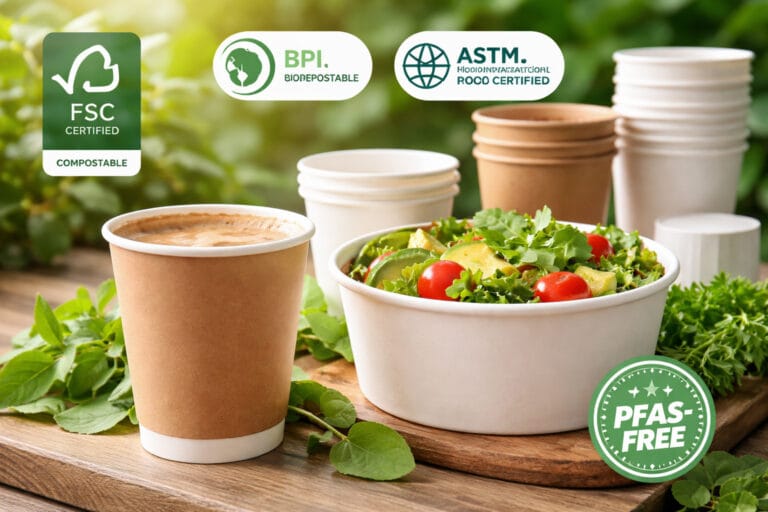
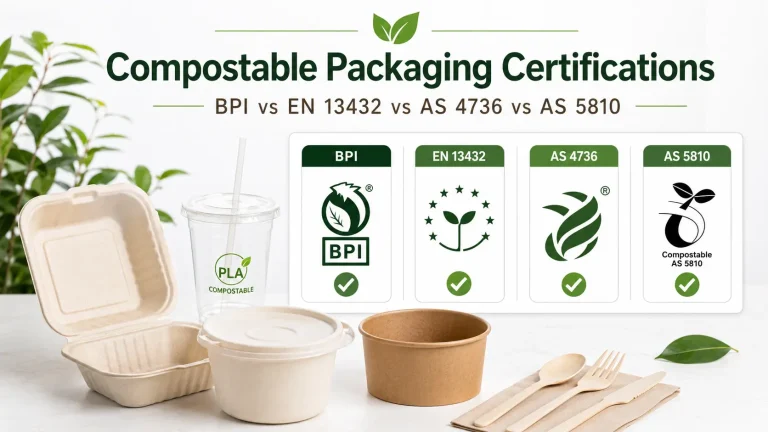
Actionable coverage of recyclable packaging: eco-friendly, biodegradable, compostable materials, performance data, and compliance under EN13432 & ASTM D6400. Includes BPI/TÜV references and Food-Contact Tested guidance for safe deployment. Buyer-focused: manufacturer insights, bulk/wholesale buying playbooks, OEM/ODM customization tips, full size range selection.
recyclable packaging — Quick Summary
  • Items displayed (articles): 12
  • Last updated: 2025-04-03
  • Includes test data, compliance guides, buyer FAQs, and real-world use cases.

Editor’s Picks: Top Recyclable Packaging Guides 2026

FAQ of Bioleader's Eco-friendly Disposable Tableware

1. What are disposable bagasse food trays made of?

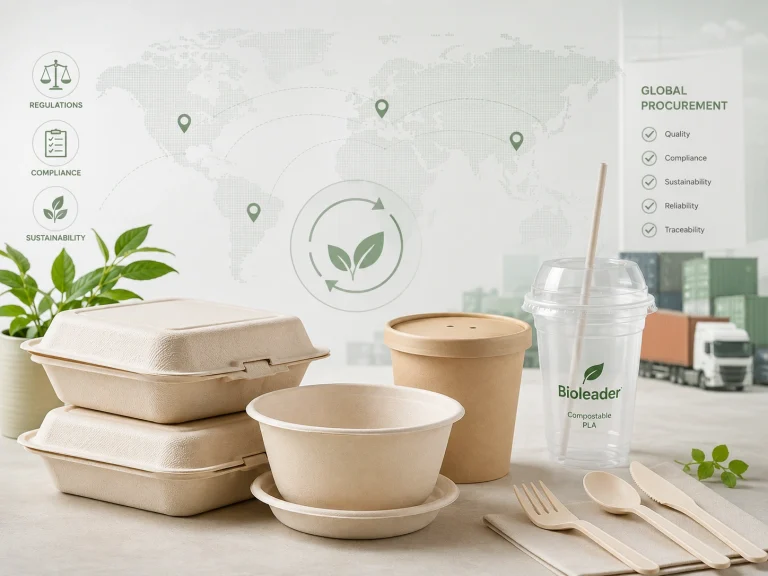
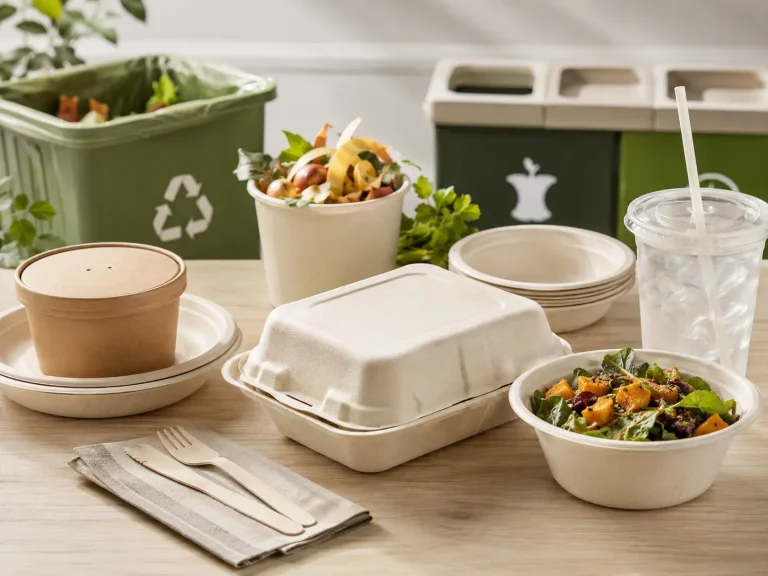
They are made from sugarcane bagasse—the fibrous byproduct left after extracting juice from sugarcane. This renewable material is molded into durable trays that are compostable, biodegradable, and plastic-free , recyclable packaging.

Leak-Proof and Oil Resistant

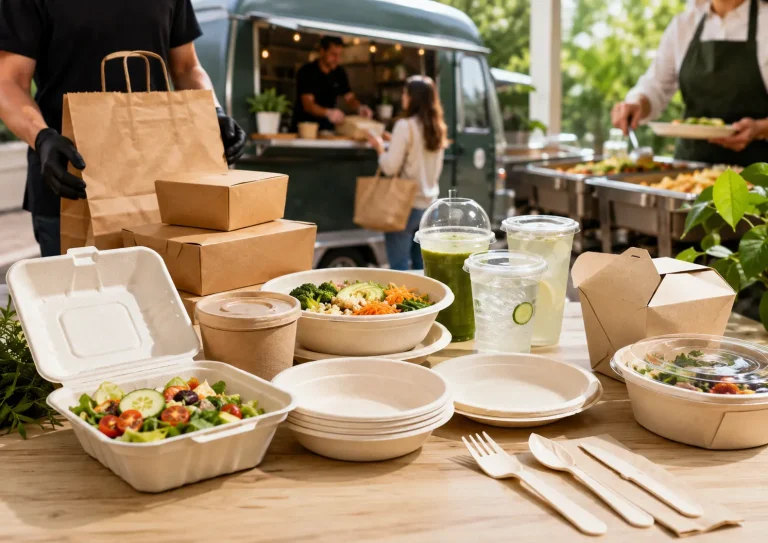
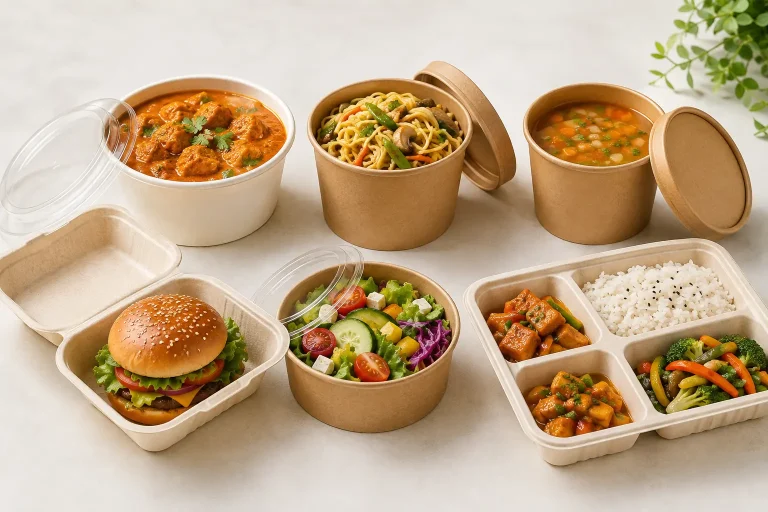
Designed with practicality in mind, our sugarcane containers are water- and oil-resistant, ensuring no leaks during transport. Whether serving soups, sauces, or greasy foods, these takeaway containers with lids deliver a mess-free experience. This reliable barrier against spills keeps food intact, offering convenience for both businesses and customers.

Eco-Friendly, Compostable, and Biodegradable

Our molded pulp trays are fully compostable and biodegradable. They naturally break down within a few months, supporting a circular economy and reducing landfill burden. This makes our sugarcane pulp trays an excellent choice for eco-conscious consumers and businesses looking to adopt sustainable practices.

Characteristics and Advantages

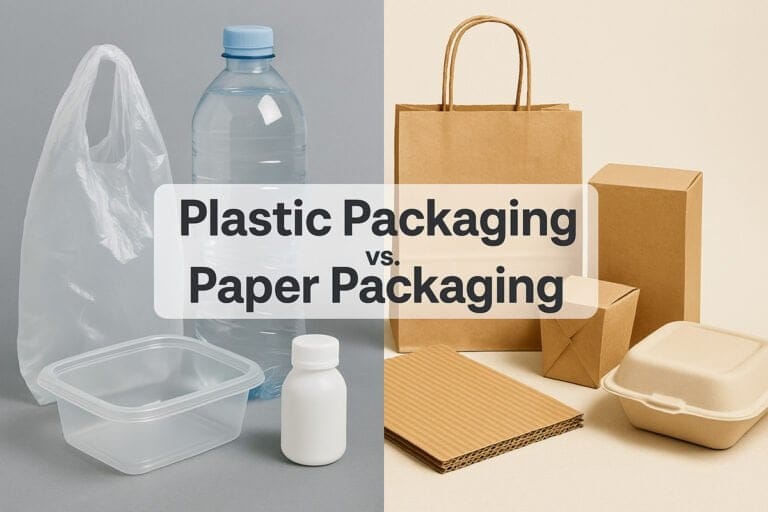
Durability and Versatility: Resistant to moisture, chemicals, and breakage, plastic packaging ensures product integrity. Lightweight: Reduced weight facilitates lower transportation emissions, aiding energy savings. Cost-Effectiveness: Economically beneficial, with lower production costs compared to paper alternatives , recyclable packaging.

Environmental Impact and Challenges

Non-biodegradable: Many plastics persist in ecosystems for hundreds of years, negatively impacting wildlife and marine environments , recyclable packaging. Low Recycling Rates: According to EPA, only 8.7% of plastic waste was recycled in recent years (EPA, 2020). Resource Intensive Production: High energy consumption during plastic production leads to significant greenhouse gas emissions.

Related Insights

🚀Ready to Go Green and Choose ?

Join the global movement toward zero-waste packaging.


Bioleader® offers:

  • 📦 Bulk order support & fast delivery

  • ✍️ Custom branding and OEM solutions

  • 🌍 Worldwide eco-packaging compliance

Get the Catalogue Products List  & Contact Us Now! 👉

Contact us Below

Click or drag files to this area to upload.You can upload up to 5 files.
The more details you share, the faster and more accurate our quotation will be.