Plastic Waste Solutions Compliance Checklist | Bioleader® Sustainable Packaging

Actionable coverage of plastic waste solutions: eco-friendly, biodegradable, compostable materials, performance data, and compliance under EN13432 & ASTM D6400. Includes BPI/TÜV references and Food-Contact Tested guidance for safe deployment. Buyer-focused: manufacturer insights, bulk/wholesale buying playbooks, OEM/ODM customization tips, full size range selection.
plastic waste solutions — Quick Summary
  • Items displayed (articles): 12
  • Last updated: 2025-02-20
  • Includes test data, compliance guides, buyer FAQs, and real-world use cases.

Editor’s Picks: Top Plastic Waste Solutions Guides 2026

FAQ of Bioleader's Eco-friendly Disposable Tableware

Food Delivery

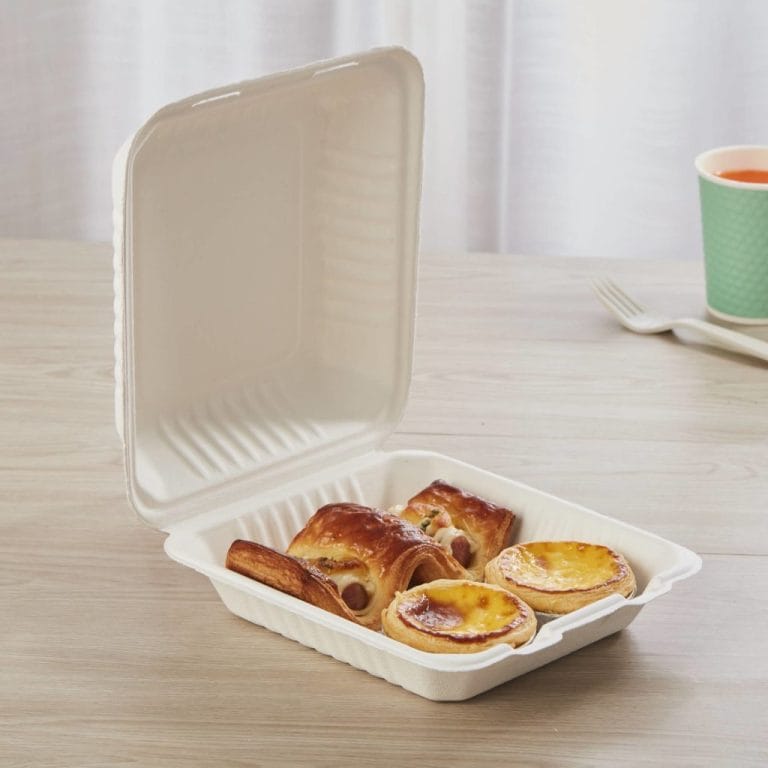
The matching lid helps protect food during short-distance transport. It is a dependable option for restaurants and cloud kitchens that need cleaner presentation and better takeaway functionality.

Environment-Friendly Sustainability

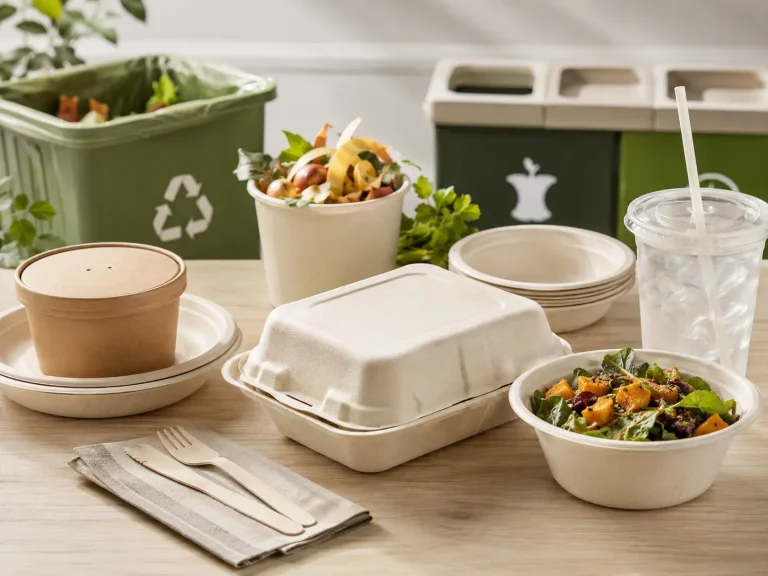
Our bagasse trays are eco-friendly. They are compostable and biodegradable and do not leave any harmful traces after they disintegrate with time. Any food franchise or other businesses that would use the product would be using our takeaway trays with lids would be able to cut down on landfill waste.

2. What materials are available for disposable food trays with lids?

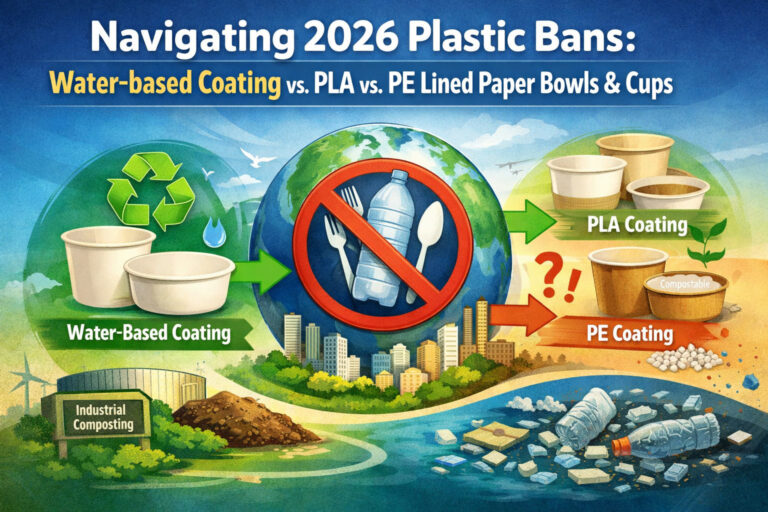
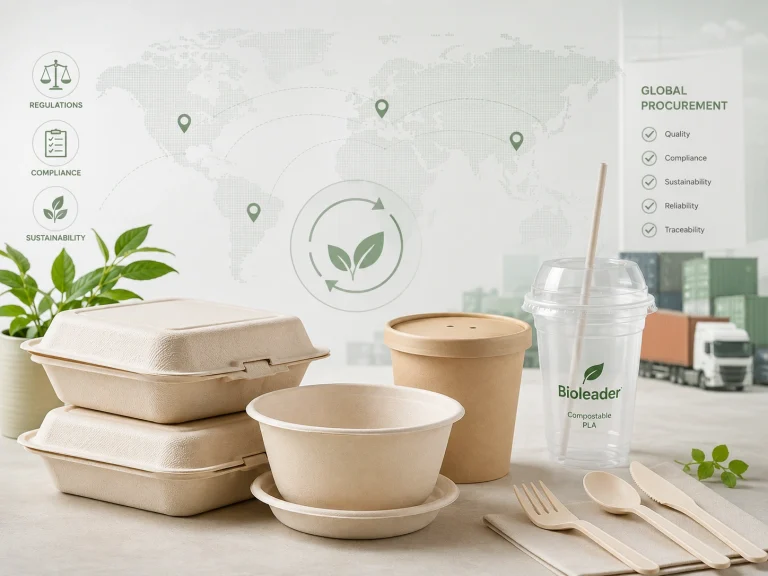
Common materials include sugarcane bagasse, kraft paper, aluminum, PET, PP, and PLA , plastic waste solutions. For eco-conscious businesses, bagasse and PLA trays are preferred due to their compostable and biodegradable properties.

Traditional Plastics

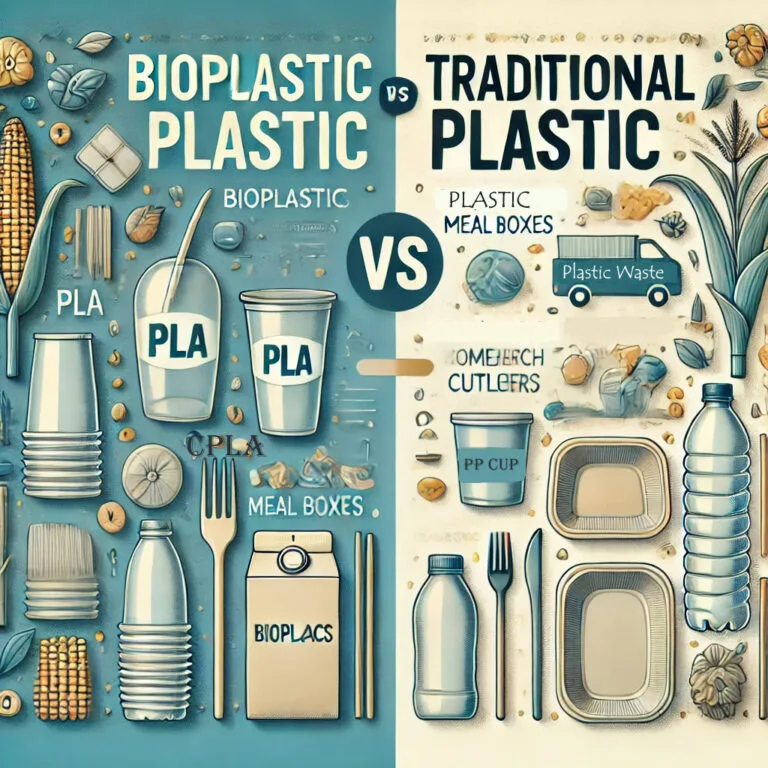
Traditional plastics are polymers primarily derived from petrochemicals. Polyethylene (PE), polypropylene (PP), polyvinyl chloride (PVC), polystyrene (PS), and polyethylene terephthalate (PET) are among the most commonly produced plastics worldwide — plastic waste solutions. These materials owe their popularity to a set of unique properties: High Durability and Strength: Traditional plastics can endure substantial wear and tear, making them ideal for packaging, automotive components, and consumer goods. Versatility: Their chemical structure allows for a wide range of variations, enabling everything from rigid to flexible applications.

Raw Material Sources

Traditional Plastics: Petrochemical feedstocks derived from crude oil or natural gas. Bioplastics: Renewable biological sources such as corn, sugar beet, sugarcane, or even cellulose from wood pulp. The shift from fossil fuels to renewable resources can theoretically reduce the carbon intensity of plastic production — plastic waste solutions. However, some critics argue that using agricultural land for bioplastic feedstocks could compete with food production, potentially driving up food prices or leading to deforestation.

Related Insights

🚀Ready to Go Green and Choose ?

Join the global movement toward zero-waste packaging.


Bioleader® offers:

  • 📦 Bulk order support & fast delivery

  • ✍️ Custom branding and OEM solutions

  • 🌍 Worldwide eco-packaging compliance

Get the Catalogue Products List  & Contact Us Now! 👉

Contact us Below

Click or drag files to this area to upload.You can upload up to 5 files.
The more details you share, the faster and more accurate our quotation will be.