Paper Cup Materials Guide And Sustainability: How It Contributes To A Greener Future | Bioleader® Sustainable Packaging

Actionable coverage of paper cup materials guide: eco-friendly, biodegradable, compostable materials, performance data, and compliance under EN13432 & ASTM D6400. Includes BPI/TÜV references and Food-Contact Tested guidance for safe deployment. Buyer-focused: manufacturer insights, bulk/wholesale buying playbooks, OEM/ODM customization tips, full size range selection.
Quick Summary:
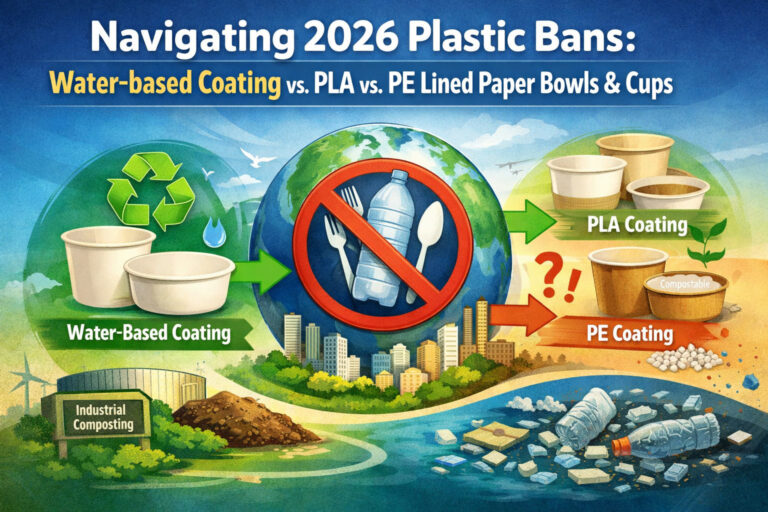
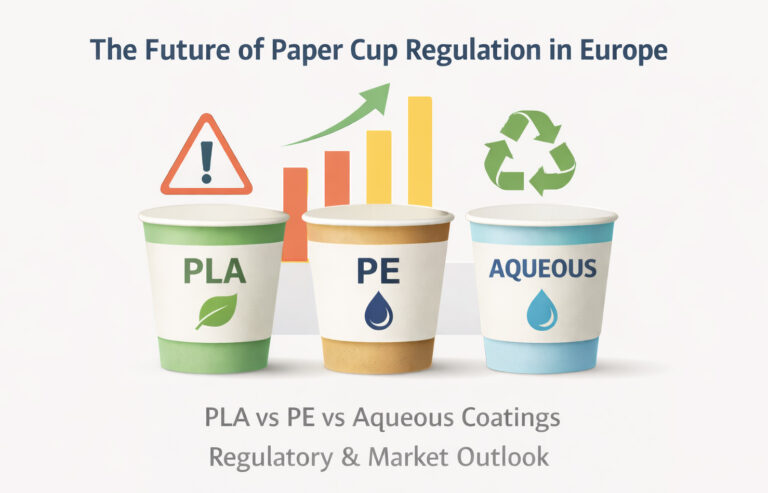
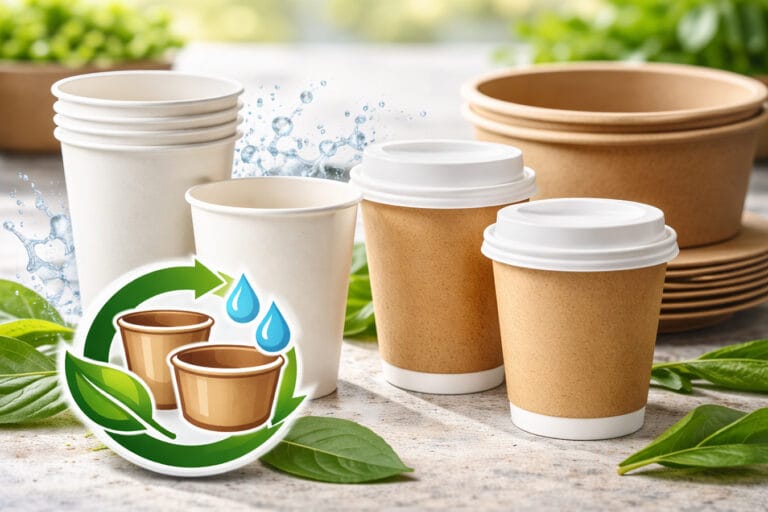
Modern paper cups fall into three primary coating systems—PE-coated (traditional), PLA-coated (compostable), and water-based coated (plastic-free).
These materials differ in recyclability, compostability, regulatory acceptance, and consumer safety.
Understanding their structural variations (single-wall, double-wall, ripple-wall, insulated designs) helps businesses choose the right solution for compliance, sustainability goals, and brand experience across global markets.
paper cup materials guide — Quick Summary
  • Items displayed (articles): 12
  • Last updated: 2025-12-05
  • Includes test data, compliance guides, buyer FAQs, and real-world use cases.

Editor’s Picks: Top Paper Cup Materials Guide Guides 2026

FAQ of Bioleader's Eco-friendly Disposable Tableware

Can I put them in the microwave?

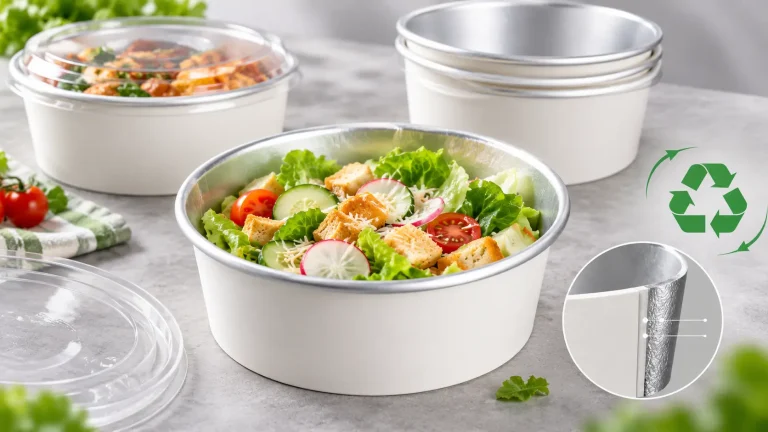
Definetely, our takeaway bowls with lids are microwave safe hence this allows customers to reheat most of the meals without any structural compromises of the bowl , paper cup materials guide.

Are these bowls suitable for serving hot foods?

Certainly, our to go bowls with lids make it possible to serve hot foods such as soup, noodles, and stew without leaking or deforming.

What are the dimensions it comes in?

As for the to go bowls, these are available in different capacities of 500ml,750ml,1000ml,1090ml,1200ml,1300ml, and 1500ml. This implies that it serves a range of meals, that is, when it is served in a small salad one portion comes with it, and when it is served in larger portions many servings are included.

Environmental drawbacks

PE acts as a barrier layer that prevents paper fibers from separating during pulping, making recycling extremely challenging. Only 1–3% of PE cups are recycled globally—mostly in specialized pilot facilities , paper cup materials guide.

1.2 Regulatory changes accelerate material innovation

Multiple regions are phasing out or financially penalizing cups that contain plastics, even if the plastic is part of the coating layer: EU SUPD (Single-Use Plastics Directive) restricts PE-lined cups and encourages plastic-free or compostable alternatives. Canada’s Single-Use Plastics Prohibition Regulations target difficult-to-recycle food packaging. Japan’s Plastic Resource Circulation Act incentivizes water-based coatings due to recyclability advantages — paper cup materials guide. Singapore 2025 packaging framework pushes compostable and plastic-free systems for takeaway operators.

Related Insights

🚀Ready to Go Green and Choose ?

Join the global movement toward zero-waste packaging.


Bioleader® offers:

  • 📦 Bulk order support & fast delivery

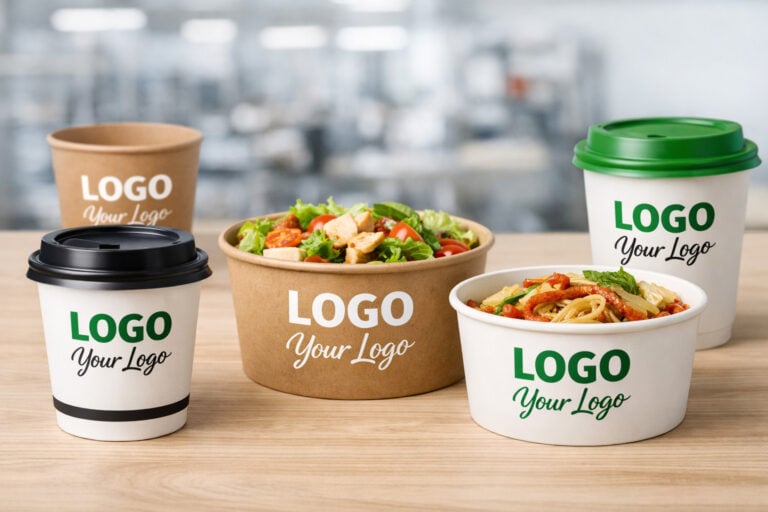
  • ✍️ Custom branding and OEM solutions

  • 🌍 Worldwide eco-packaging compliance

Get the Catalogue Products List  & Contact Us Now! 👉

Contact us Below

Click or drag files to this area to upload.You can upload up to 5 files.
The more details you share, the faster and more accurate our quotation will be.