Guide To Kraft Paper Bowl: Materials, Standards & Best Practices | Bioleader® Insights

Actionable coverage of kraft paper bowl: eco-friendly, biodegradable, compostable materials, performance data, and compliance under EN13432 & ASTM D6400. Includes BPI/TÜV references and Food-Contact Tested guidance for safe deployment. Buyer-focused: manufacturer insights, bulk/wholesale buying playbooks, OEM/ODM customization tips, full size range selection.
kraft paper bowl — Quick Summary
  • Items displayed (articles): 12
  • Last updated: 2025-07-10
  • Includes test data, compliance guides, buyer FAQs, and real-world use cases.

Editor’s Picks: Top Kraft Paper Bowl Guides 2026

FAQ of Bioleader's Eco-friendly Disposable Tableware

1. What are eco friendly trays with lids made from?

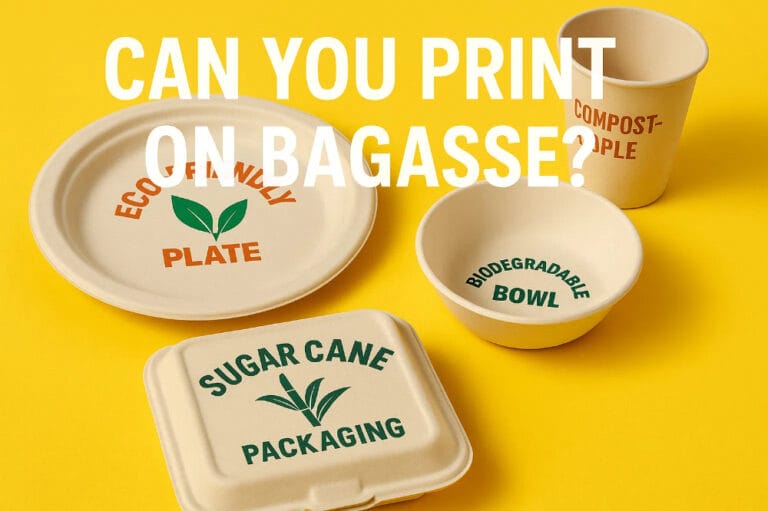
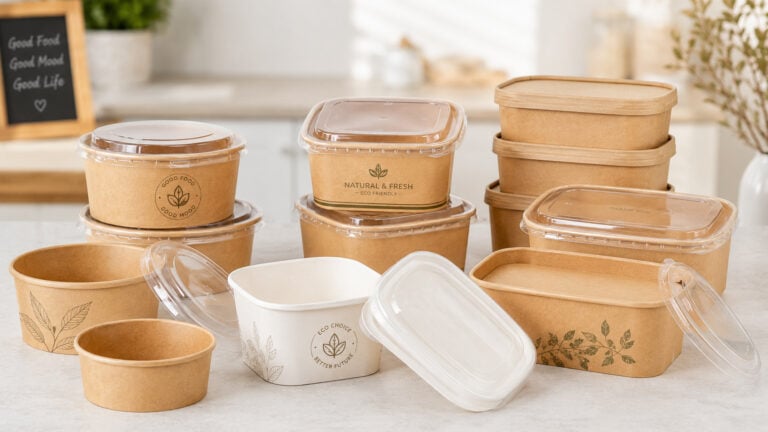
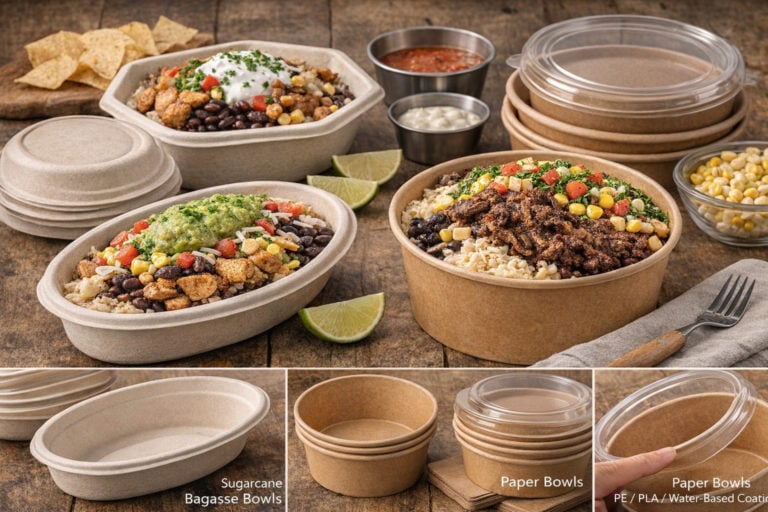
They are commonly made from compostable materials like sugarcane bagasse, bamboo fiber, kraft paper, or PLA (plant-based bioplastic). These materials are biodegradable and offer a sustainable alternative to plastic and foam trays.

Food Delivery Special Trays

The specially designed trays made from mycelium won’t get affected by oil or water which means there will be no leaks during food delivery. This incredible feature makes them suitable for numerous dishes, including those that include sauce or oil. Customers find it more appealing to order our branded takeaway trays with lids as they do not have to deal with any mess.

Key Benefits of Paper Pulp Molding Technology:

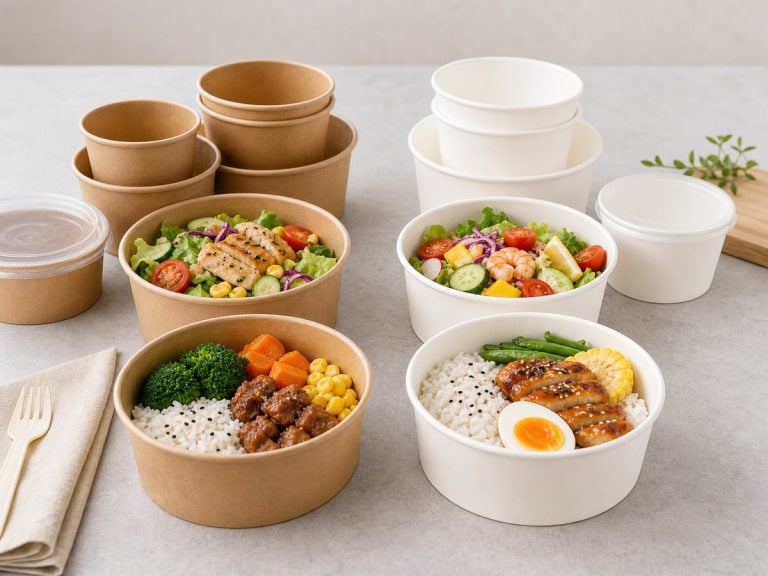
Strength and Durability: The pulp bowls are disposable, but it is incredibly tough and can serve a wide variety of foods without leakage or breakage. Leak-Proof and Water Resistant: The bowls will prove to be beneficial because it is leak-proof, which makes them perfect for wet items such as noodles, soups, and salads. Heat Resistant and Microwaveable: For people who enjoy using the package for their meals, these biodegradable disposable bowls are perfect as they can stand hot food items and are safe to use in microwaves — kraft paper bowl. Key Features and Benefits of Paper Pulp Disposable Biodegradable Bowls

5. End-of-Life Treatment

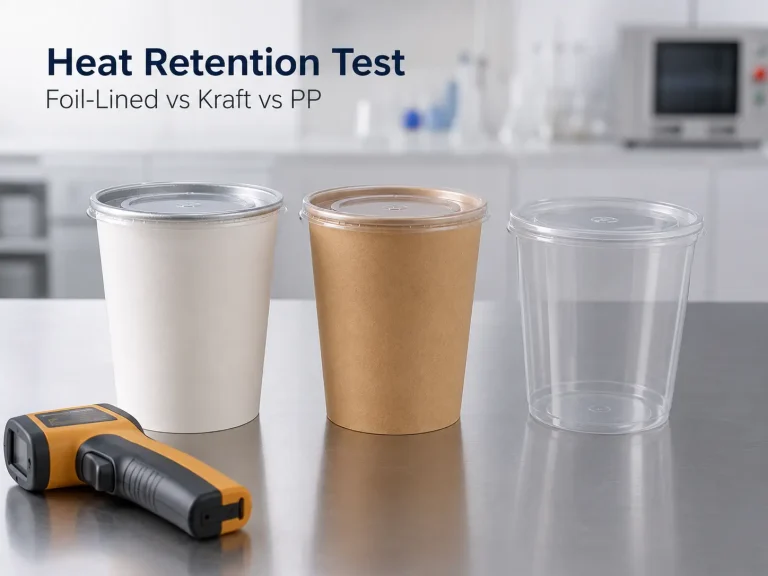
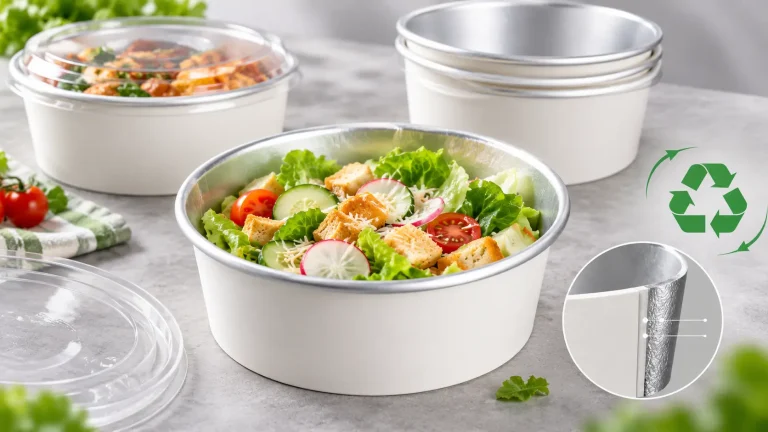
Kraft: Compostable (home or industrial), recyclable (if unlined), or incinerated with lower toxin emissions. Under the right conditions, kraft decomposes in 60–90 days. Plastic: PET and PP are technically recyclable but require clean separation and often end up landfilled — kraft paper bowl. EPS is non-recyclable, and most plastic packaging takes 400–1000 years to degrade.

3. Transportation and Packaging

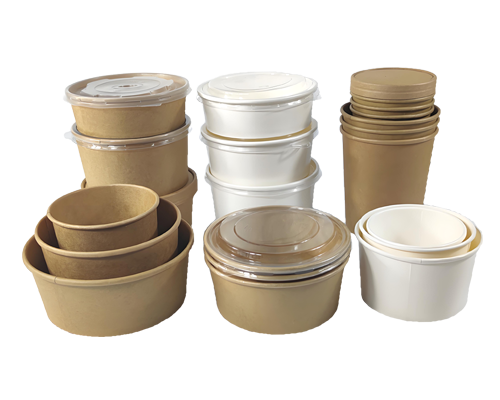
Kraft bowls tend to be lighter (per cubic volume) and nest more efficiently, leading to lower transport emissions. Their square or stackable designs optimize cargo utilization. Plastic bowls are denser and often packed with air gaps, leading to higher transport-related CO₂ emissions per 10,000 units , kraft paper bowl.

Related Insights

🚀Ready to Go Green and Choose ?

Join the global movement toward zero-waste packaging.


Bioleader® offers:

  • 📦 Bulk order support & fast delivery

  • ✍️ Custom branding and OEM solutions

  • 🌍 Worldwide eco-packaging compliance

Get the Catalogue Products List  & Contact Us Now! 👉

Contact us Below

Click or drag files to this area to upload.You can upload up to 5 files.
The more details you share, the faster and more accurate our quotation will be.