Trends In Kitchen Safety Tips: Market Insights, Innovations & FAQs | Bioleader® Insights

Browse articles grouped under the "Kitchen Safety Tips" tag for topic-specific information and examples. The featured articles may approach the topic from different product, material, application, market, or sourcing perspectives. Check each article for its exact scope, technical data, standards, sources, and recommendations.
Kitchen Safety Tips — Content Overview
  • Featured articles shown: 12
  • Directly tagged articles: 1
  • Latest tagged article update: 2025-12-12
  • Coverage, examples, and specific recommendations vary by individual article.

Editor's Picks: Top Kitchen Safety Tips Guides 2026

FAQ of Bioleader's Eco-friendly Disposable Tableware

Are 750-1000ml square paper salad bowls with lids suitable for salads and takeaway meals?

Yes , Kitchen Safety Tips. Bioleader® 750-1000ml square paper salad bowls with lids are suitable for salads, rice bowls, cold meals, takeaway meals, and prepared food programs. The food-grade paperboard structure, coated surface, rolled rim, and matching PP or PET lid options help improve stacking, handling, and transport performance.

Are aluminum foil lined paper salad bowls better than ordinary paper bowls for takeaway meals?

Yes. In many takeaway meal applications, they perform better because the foil liner helps improve leak resistance and barrier performance against oil, dressing, and moisture — Kitchen Safety Tips. Ordinary paper bowls are suitable for many uses, but foil-lined bowls are a stronger choice when the food is heavier, oilier, or needs longer takeaway holding time.

Which lid should I choose for 1000ml rectangular paper salad bowls?

Paper lids are recommended when the buyer wants a consistent kraft or white paper packaging appearance. PP lids are practical for hot food handling, microwaveable use, stacking, takeaway, and delivery. PET lids are suitable when product visibility is important for chilled salads, sushi-style meals, supermarket display, and grab-and-go food programs.

4. Plastic Plates

Oven Safe: ❌ Details: Plastic plates are never safe for conventional ovens. They melt, deform, or emit toxic fumes even under low oven temperatures. Risk: Releases dangerous chemicals (e.g., BPA) and may cause fire hazards.

Benefits of Oven Safe Plates:

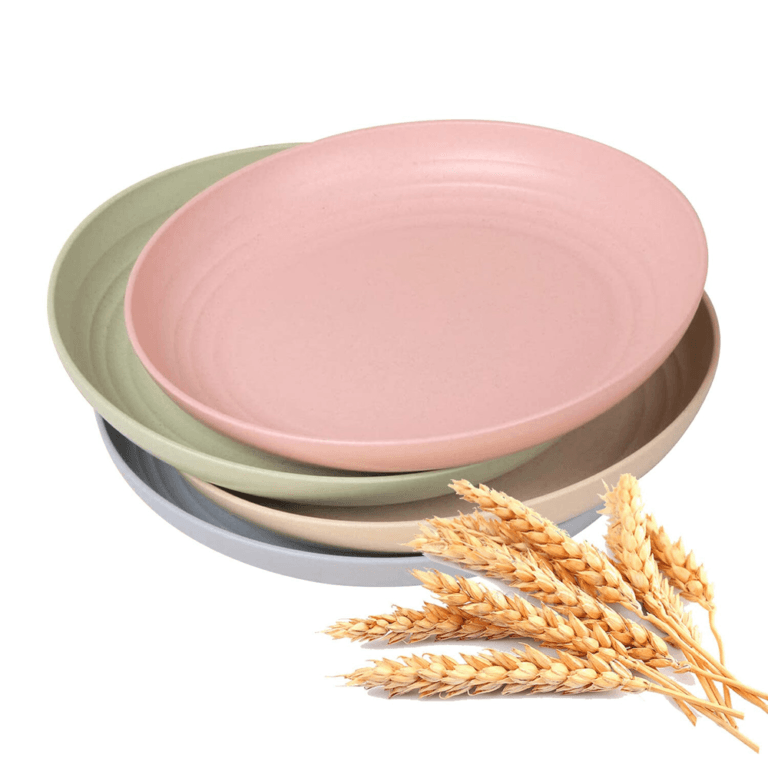
Safe reheating and cooking practices Reduced risks of kitchen injuries Extended lifespan of dinnerware Improved presentation and dining experience oven safe plates 500 degrees   Common Types of Plates and Their Oven Suitability When it comes to choosing oven-safe plates, understanding the material composition is critical — Kitchen Safety Tips. Many consumers mistakenly assume that all plates can withstand high temperatures, but only a few are truly oven-safe—especially at extreme temperatures like 500 degrees Fahrenheit. Below is a comprehensive breakdown of common plate types, their features, and their suitability for oven use.

Related Insights

🚀Ready to Go Green and Choose ?

Join the global movement toward zero-waste packaging.


Bioleader® offers:

  • 📦 Bulk order support & fast delivery

  • ✍️ Custom branding and OEM solutions

  • 🌍 Worldwide eco-packaging compliance

Get the Catalogue Products List  & Contact Us Now! 👉

Contact Us for Quote

Click or drag files to this area to upload.You can upload up to 5 files.
The more details you share, the faster and more accurate our quotation will be.