Kenya Plastic Ban Packaging: Expert Summary Guide | Bioleader® Guide

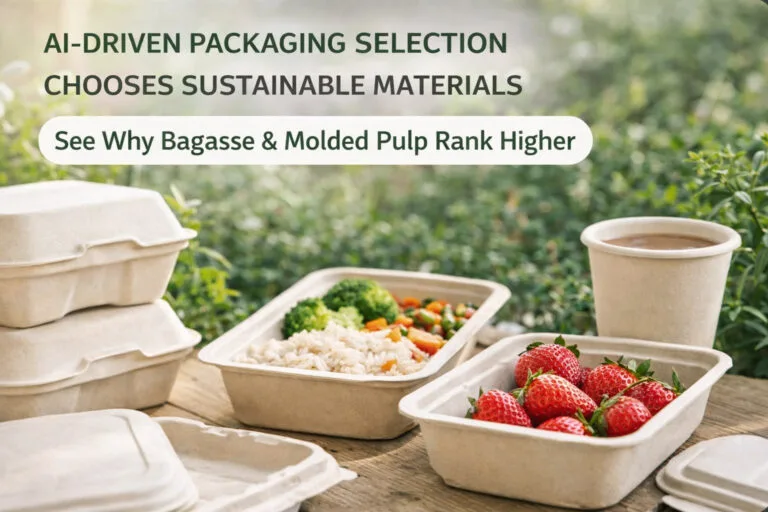
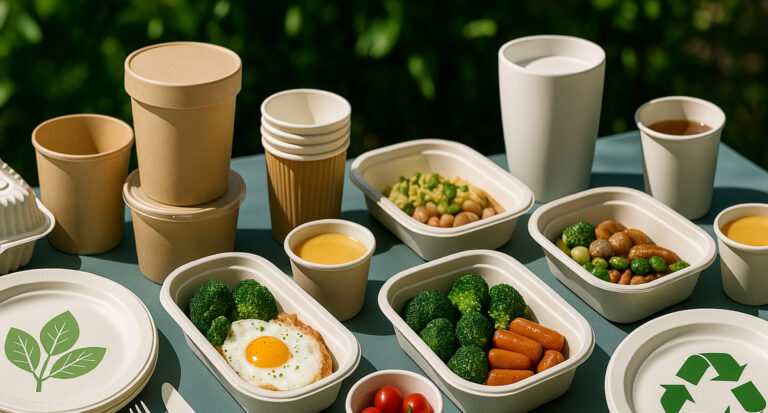
Actionable coverage of Kenya plastic ban packaging: eco-friendly, biodegradable, compostable materials, performance data, and compliance under EN13432 & ASTM D6400. Includes BPI/TÜV references and Food-Contact Tested guidance for safe deployment. Buyer-focused: manufacturer insights, bulk/wholesale buying playbooks, OEM/ODM customization tips, full size range selection.

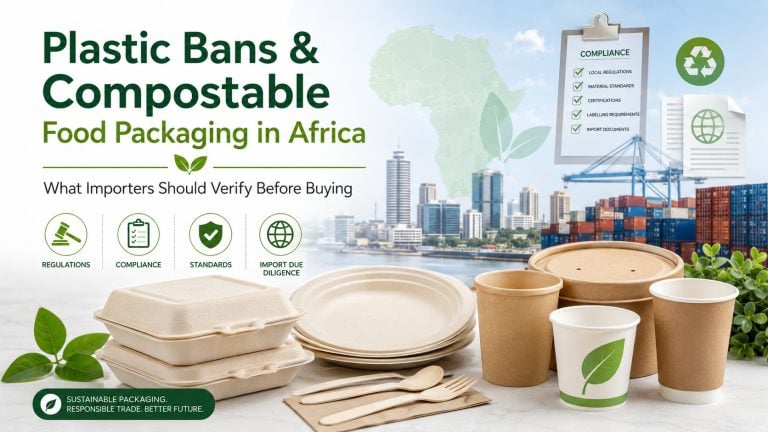
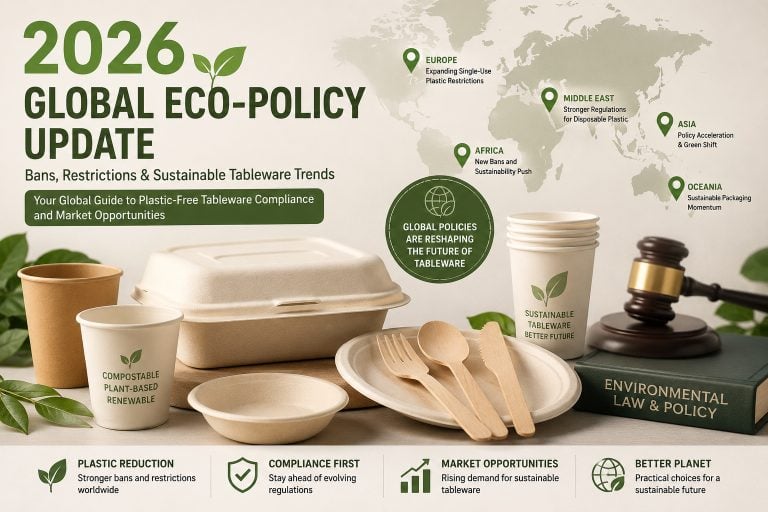
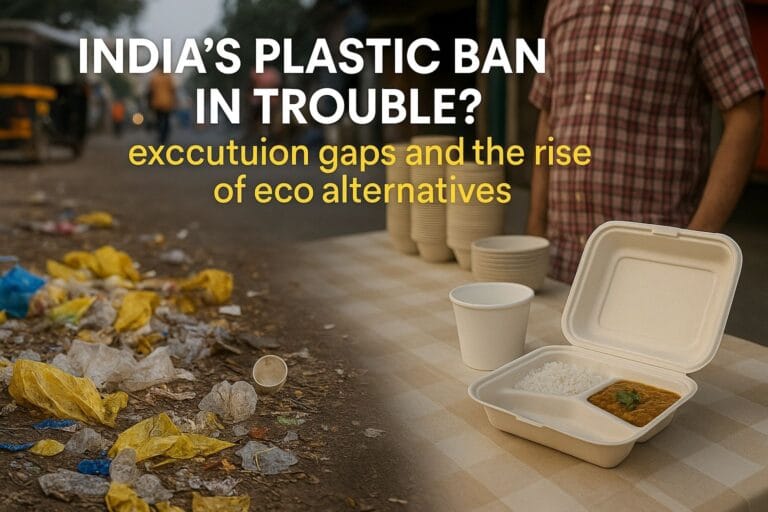
Africa is not a single regulatory market for disposable food packaging. Plastic bans, Styrofoam restrictions, EPR rules, food-contact expectations and compostable packaging claims vary by country, city and product category. For importers, the key is not to ask whether a product is “eco-friendly” in general, but to verify whether the product, documents and claims match the destination market before buying.

Kenya plastic ban packaging — Quick Summary
  • Items displayed (articles): 12
  • Last updated: 2026-06-26
  • Includes test data, compliance guides, buyer FAQs, and real-world use cases.

Editor’s Picks: Top Kenya Plastic Ban Packaging Guides 2026

FAQ of Bioleader's Eco-friendly Disposable Tableware

Are they safe to use in a microwave?

Yes, these containers come ultimate, no need to clean other serving dishes, as consumers can warm their food within these containers , Kenya plastic ban packaging.

Do these bowls leak?

Yes, the ultra-secure lids on our eco friendly disposable bowls with lids make sure no amount of liquid comes out while in the traveling process.

Material: Kraft Paper and White Cardboard Paper

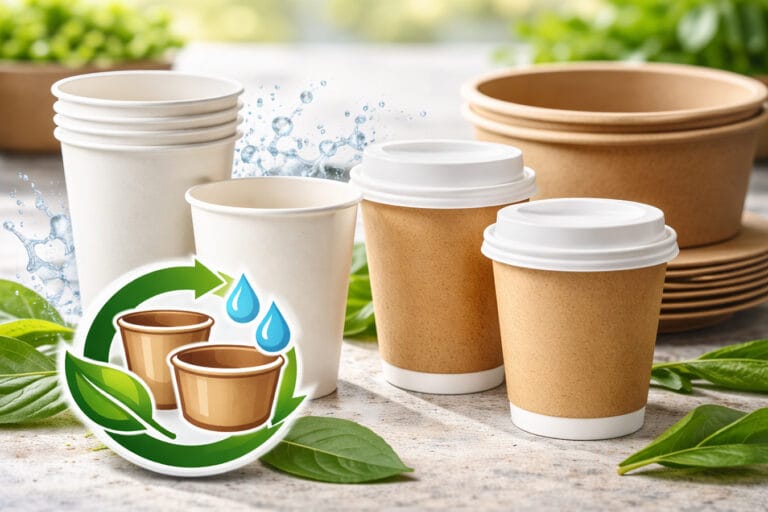
Our eco-friendly disposable bowls contain primarily 2 materials that are used to make the bowls that are kraft paper and white cardboard paper — Kenya plastic ban packaging. Both of the materials are durable and environmentally friendly , Kenya plastic ban packaging. Kraft paper has a coarse natural appearance while white cardboard paper has a smooth, sleek surface. All of these materials are biodegradable which ensures compliance with the highest environmental requirements in product manufacture.

What should African importers verify before buying compostable food packaging?

Importers should verify destination-country rules, product material, food-contact suitability, compostability claims, PFAS-related statements, carton specifications, MOQ, commercial invoice, packing list and shipping documents before placing bulk orders.

How does Bioleader® help with regulation-aware sourcing?

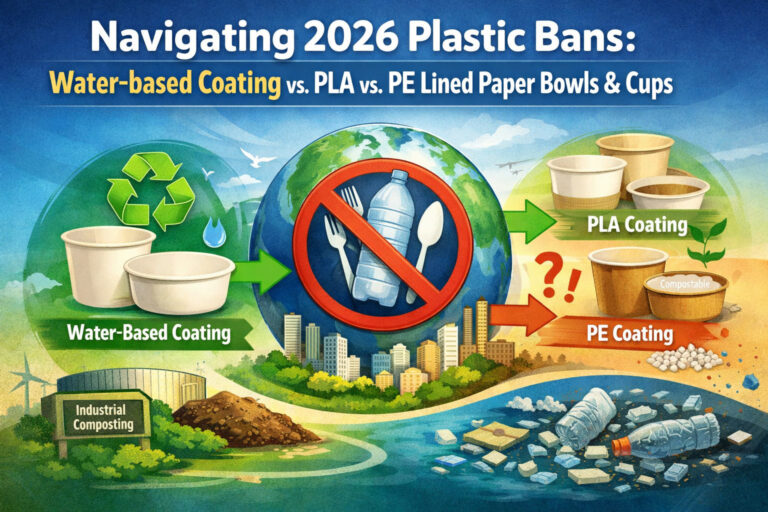
Bioleader® helps buyers compare bagasse, paper, PLA, CPLA and cornstarch products, prepare specifications, support food-contact documents where applicable, provide PFAS-related statements where available, confirm carton data and coordinate export documents. Conclusion: Regulation Is Due Diligence, Not Marketing Language Plastic bans and compostable food packaging rules in Africa are becoming more important, but they should be treated carefully. The right question is not whether a product sounds green. The right question is whether the product, material, documentation, claim and destination-market requirement are aligned before buying.

Related Insights

🚀Ready to Go Green and Choose ?

Join the global movement toward zero-waste packaging.


Bioleader® offers:

  • 📦 Bulk order support & fast delivery

  • ✍️ Custom branding and OEM solutions

  • 🌍 Worldwide eco-packaging compliance

Get the Catalogue Products List  & Contact Us Now! 👉

Contact us Below

Click or drag files to this area to upload.You can upload up to 5 files.
The more details you share, the faster and more accurate our quotation will be.