









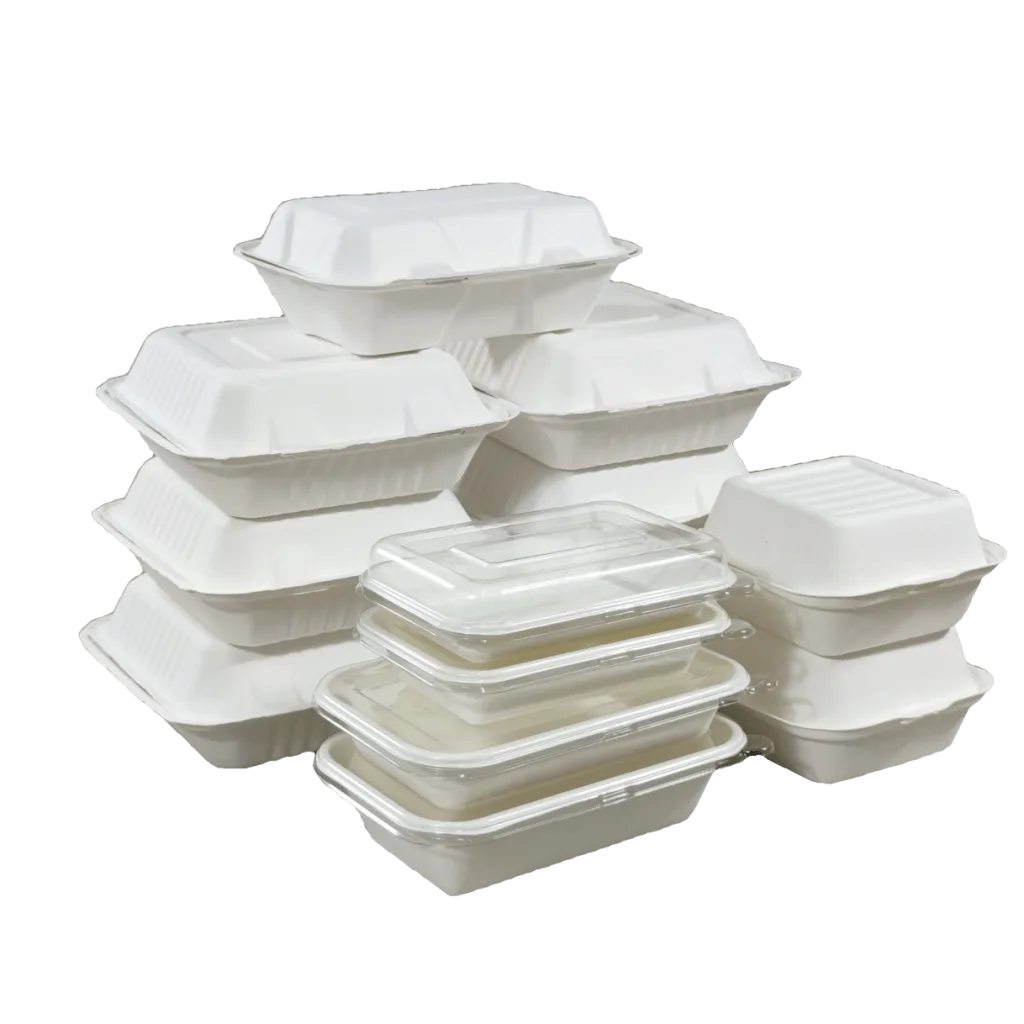
In the evolving world of sustainable packaging, bagasse containers are gaining popularity as an eco-friendly alternative to single-use plastics. Made from sugarcane fibers, bagasse is biodegradable, compostable, and touted as a key material in reducing plastic pollution. As more consumers and businesses adopt bagasse containers, the question arises: Are bagasse containers microwave safe? This inquiry is not only essential for consumer safety but also has broader implications for the food industry’s sustainability efforts.
This comprehensive guide explores the safety, scientific findings, and practical considerations around microwaving bagasse containers, helping consumers and businesses make informed decisions about using this environmentally friendly packaging material.
Quick Summary: Are Bagasse Containers Microwave Safe?
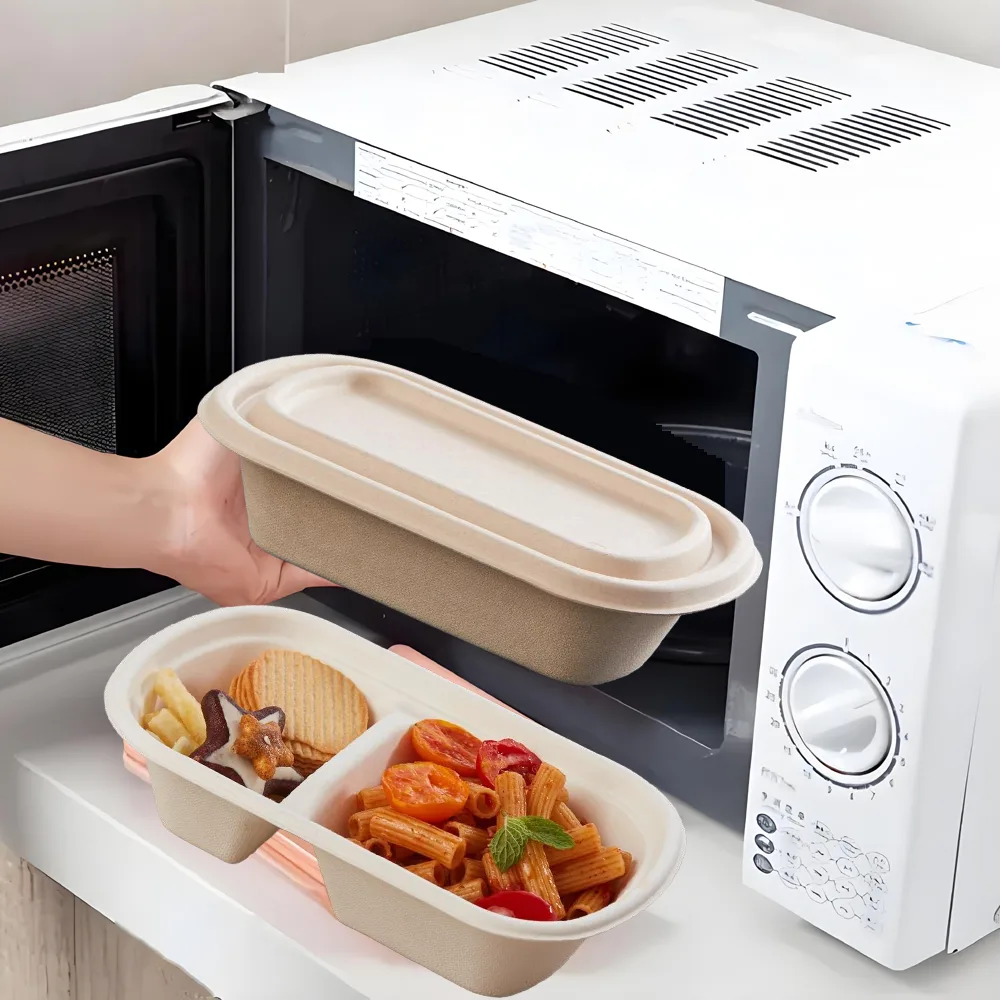
Most quality bagasse containers can be suitable for short microwave reheating when the finished product is clearly rated for microwave use, used according to supplier instructions, and not exposed to excessive time, high-fat overheating, sealed-lid pressure, or dry oven-style heat.
Best practice: use bagasse containers for moderate reheating, keep heating time short, vent the lid, avoid conventional ovens and toaster ovens, and transfer food to glass or ceramic if heating for longer periods or reheating very oily, dense, or liquid-heavy meals.
Buyer note: microwave safety should be verified at the finished-product level. Ask suppliers for food-contact reports, PFAS-related testing, temperature guidance, lid instructions, and SKU-specific microwave recommendations rather than relying on “bagasse” as a raw-material claim alone.
 |  |  |
1. What is Bagasse?
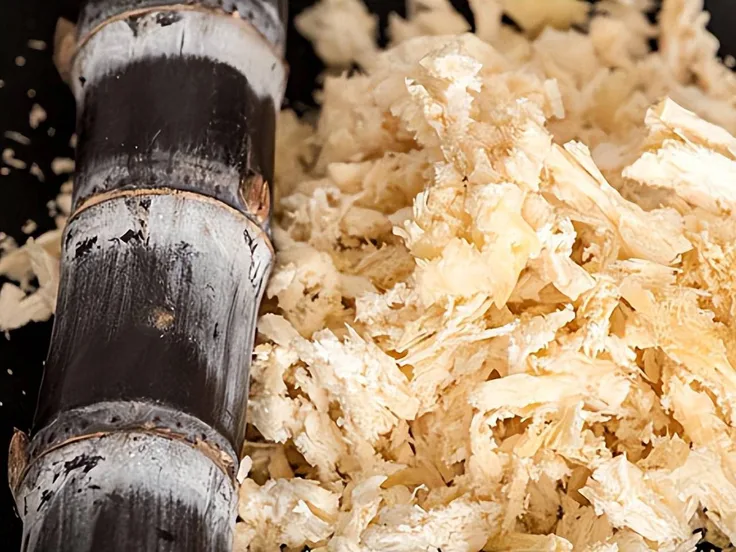
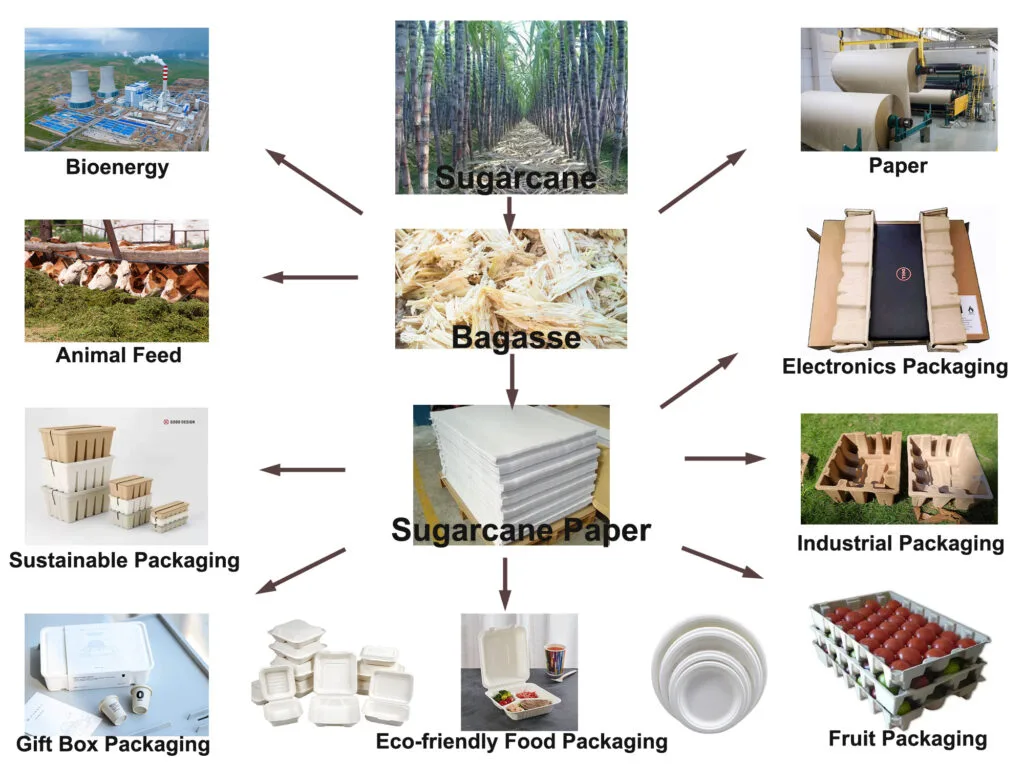
Bagasse refers to the dry, fibrous residue left after extracting juice from sugarcane stalks. Historically, it was discarded as waste, but now, it is increasingly used in the production of biodegradable products like food containers, plates, and bowls. The appeal of bagasse lies in its sustainability: it is a renewable resource, can be composted, and decomposes more rapidly than plastics. Bagasse-based containers offer a promising alternative to polystyrene (Styrofoam) and plastic containers, which are notorious for their negative environmental impact.
Made from natural fibers, bagasse food containers are generally lightweight, strong, and resistant to heat, moisture, and grease. However, the safety of using these containers in the microwave remains a topic of discussion, particularly for consumers who are looking for a sustainable solution to both packaging and reheating their food.
From a manufacturing perspective, bagasse containers are not simply “pressed plant fiber.” The finished product depends on fiber quality, pulping control, mold design, wall thickness, drying process, trimming accuracy, oil-resistance system, and food-contact compliance. This is why microwave safety should always be evaluated by finished container specification rather than raw material alone.
2. Understanding Microwave Safety
Before delving into the specifics of bagasse containers, it’s important to understand the key principles of microwave safety in food packaging. When a microwave oven operates, it emits electromagnetic waves that cause water molecules within the food to vibrate, generating heat. Unlike conventional cooking methods, microwaves do not directly heat the container; they primarily heat the food. However, the container must still meet certain safety standards to ensure it does not degrade or release harmful substances into the food when exposed to microwaves.
For a container to be deemed microwave-safe, it must meet the following criteria:
- Heat Resistance: The container should be able to endure the heat generated in the microwave without warping or releasing chemicals.
- Non-Reactivity: The material must not interact with the microwave radiation in a way that causes sparks, fires, or other hazardous situations.
- Food Safety: The container should not leach harmful substances into the food when heated.
Given that bagasse containers are composed of plant fibers, it is important to assess whether these criteria hold true when they are exposed to microwave conditions.
Microwave Safety Checklist for Bagasse Food Packaging
| Checklist Item | Why It Matters | What Buyers Should Confirm |
|---|---|---|
| Microwave-use label | Not every fiber container is automatically suitable for microwave reheating. | SKU-specific microwave guidance, temperature range, and heating duration. |
| Food-contact safety | Heat can increase migration risk if the wrong coating or additive is used. | FDA, LFGB, EU food-contact, SGS, or relevant migration test documentation. |
| PFAS-related testing | Grease-resistant molded fiber can involve barrier chemistry, so verification matters. | PFAS-free or PFAS-related testing report, especially for EU/U.S. buyers. |
| Lid instruction | Closed clamshell lids can trap steam and pressure during heating. | Open or vent the lid before microwaving; confirm whether lid is microwave-rated. |
| Food type | Fatty, oily, dense, and high-sugar foods can become hotter than expected. | Test with real menu items before bulk use. |
| Heating time | Long heating can weaken fiber structure or dry out the container. | Use short reheating intervals and monitor container condition. |
 |  |
3. The Safety of Bagasse Containers in the Microwave
3.1 Heat Resistance of Bagasse Containers
One of the key considerations when determining whether bagasse containers are microwave-safe is their ability to withstand heat. Bagasse containers are typically designed to tolerate temperatures up to 220°F (104°C), which covers the average range of microwave heating. However, there are several factors that may influence how well these containers perform in the microwave.
The internal temperature inside a microwave can reach up to 250°F (121°C) for high-fat or dense foods. Since bagasse is made up of cellulose fibers, which are relatively heat-sensitive, extended exposure to high temperatures could cause the material to soften, warp, or lose its structural integrity. For example, when reheating fatty foods, which can heat to higher temperatures, the heat could exceed the tolerance of the container, leading to potential leakage, breakage, or even the release of small fibers into the food.
In practical foodservice use, this means bagasse containers are more appropriate for reheating than for long cooking. They can support convenience for takeaway meals, but they should not be treated the same way as glass or ceramic cookware. The safest approach is to use bagasse for short, moderate microwave reheating and transfer food to a dedicated microwave-safe dish when longer heating is required.
3.2 Moisture Absorption and Degradation
Another key issue when using bagasse containers in the microwave is their ability to absorb moisture. While bagasse is resistant to moisture to some extent, prolonged exposure to high heat can cause the fibers to absorb water from the food being reheated. This moisture can weaken the material, making it more prone to breaking or becoming soggy. Additionally, if bagasse containers are used for reheating high-moisture foods, such as soups or stews, there is an increased risk of the material becoming compromised.
In general, bagasse containers are best used for short periods of microwave heating. Extended exposure to heat, especially with moist or greasy foods, could cause the container to lose its shape or integrity.
For restaurants and meal delivery operators, real-food testing is important. A container that performs well with rice, bread, burgers, pasta, or fried foods may behave differently with soup, curry, sauces, high-oil meals, or dense frozen foods. Testing should include food weight, temperature, heating time, lid position, stacking conditions, and delivery holding time.
3.3 Chemical Leaching Concerns
One of the biggest concerns when using any type of food packaging in the microwave is the potential for harmful chemical leaching into the food. Bagasse, being an organic material, is less likely to contain the harmful chemicals found in some plastic products (e.g., BPA or phthalates). However, some bagasse containers may be coated with additional substances to enhance moisture resistance or durability, such as waxes or other chemical treatments. These coatings could, in theory, interact with the microwave’s heat and release unwanted chemicals into the food.
Research on the specific leaching risks of bagasse is still limited, but there have been studies examining other biodegradable materials that suggest that leaching risks are minimal unless the container is subjected to high temperatures for extended periods. As with any packaging material, it’s important to follow manufacturer guidelines to avoid overheating.
For B2B buyers, the most responsible approach is to request food-contact testing and PFAS-related documentation from the supplier. This is especially important for grease-resistant bagasse products used with oily, fried, saucy, or high-temperature meals. Finished-product testing is more meaningful than general claims about sugarcane fiber because coatings, additives, inks, and processing conditions can affect safety performance.
3.4 Scientific Studies on Bagasse Microwave Safety
While there is no extensive body of research dedicated solely to the microwave safety of bagasse containers, some studies have explored the safety of plant-based packaging in general. A 2020 study published in Food Packaging and Shelf Life examined the microwave safety of various biodegradable materials, including those derived from sugarcane pulp. The study found that most biodegradable materials, including bagasse, are safe for short-term microwaving at low to moderate temperatures, but prolonged exposure to high heat could lead to degradation.
Moreover, the study noted that while bagasse containers typically did not release harmful chemicals when heated, manufacturers should be cautious about using additional coatings or adhesives that could negatively affect the food’s safety when microwaved.
Another key takeaway from the study was the recommendation that consumers should avoid microwaving bagasse containers for more than two minutes at high temperatures. If a food item needs to be reheated for a longer period, it may be safer to transfer the food to a microwave-safe glass or ceramic container.
3.5 Practical Microwave Use Matrix for Bagasse Containers
| Food Type | Microwave Suitability | Recommended Practice | Risk to Watch |
|---|---|---|---|
| Rice, noodles, sandwiches, burgers | Generally suitable for short reheating | Use moderate time and open lid slightly. | Steam buildup or softened base. |
| Fried foods and oily meals | Suitable with caution | Short intervals; avoid overheating oil-heavy areas. | Hot oil spots, deformation, grease weakening. |
| Soups, stews, curry, liquid-heavy foods | Use caution | Transfer to glass or ceramic for longer reheating. | Moisture absorption, leakage, sogginess. |
| Frozen dense meals | Not ideal for long heating | Use bagasse only for final short reheating if suitable. | Extended heating, uneven hot spots. |
| Dry baked foods | Generally suitable for short warming | Do not overheat or dry out the container. | Dry heat, scorching risk. |
 |  |
4. Best Practices for Using Bagasse Containers in the Microwave
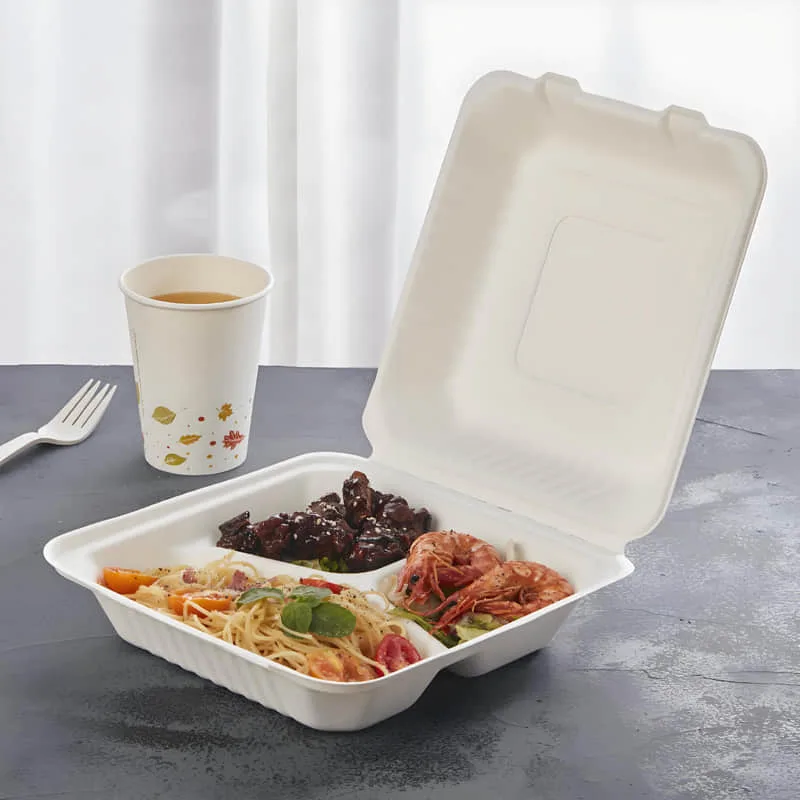
While bagasse containers are relatively safe for microwave use, certain precautions can help minimize risks and ensure that the containers perform optimally. Here are some best practices for microwaving food in bagasse containers:
- Avoid Overheating: Bagasse containers should not be microwaved for extended periods, especially at high power settings. If the food requires longer heating times, it’s best to transfer it to a microwave-safe container made from glass or ceramic.
- Use for Low-Moisture Foods: Since bagasse containers can absorb moisture, they are best used for reheating dry or low-moisture foods. High-moisture foods can weaken the material and cause it to break down more quickly.
- Follow Manufacturer Guidelines: Always refer to the manufacturer’s instructions regarding microwave usage. Some bagasse containers may be specifically designed to withstand higher temperatures, while others may not.
- Check for Coatings: Be aware of any additional coatings on the bagasse containers, such as waxes or chemical treatments, which could potentially interact with microwave radiation. If in doubt, opt for uncoated bagasse containers or request PFAS-related and food-contact documentation.
- Test Before Use: For safety’s sake, test the bagasse container in the microwave with a small amount of food and heat it for a brief period. Check for any signs of deformation or deterioration before using it for regular use.
- Vent the Lid: If using a bagasse clamshell box, open the lid slightly or vent the package to prevent steam pressure buildup during reheating.
- Avoid Conventional Ovens: Bagasse containers are not designed for dry-heat ovens, toaster ovens, grills, or open-flame heating.
Foodservice SOP: Safe Reheating Instructions for Customers
Restaurants and takeaway brands can reduce misuse by printing or displaying clear customer instructions. A simple instruction such as “Microwave for short reheating only, open lid before heating, do not use in oven” can improve user safety and reduce complaints. For meal-prep brands, it is also useful to test actual menu items and state recommended reheating time on the label.
 |  |
5. Environmental and Practical Benefits of Bagasse Containers
While the microwave safety of bagasse containers is an important consideration, it is also essential to recognize the broader environmental benefits of using bagasse as a food packaging material.
5.1 Sustainability and Biodegradability
Bagasse containers are biodegradable and compostable, meaning they break down naturally in the environment under suitable composting conditions, unlike plastic or Styrofoam, which can take centuries to decompose. The composting process converts bagasse into organic matter that can support soil quality when properly managed, thus contributing to a more sustainable waste management system. Additionally, bagasse is a renewable resource that is the byproduct of the sugarcane industry, making it a more environmentally friendly alternative to petroleum-based plastics.
However, compostability should be evaluated at the finished-product level. A bagasse container’s composting performance may depend on thickness, coatings, printing inks, food contamination, local composting infrastructure, and whether the product meets relevant standards such as EN13432, ASTM D6400, BPI, or TÜV-related compostability programs.
5.2 Reducing Plastic Waste
One of the most significant advantages of bagasse containers is their ability to reduce the reliance on single-use plastics, which are a major contributor to global plastic pollution. As consumers and businesses continue to prioritize sustainable packaging solutions, bagasse serves as an effective tool in the fight against plastic waste, offering a functional and eco-friendly alternative to conventional plastic containers.
5.3 Why Bagasse Works for Takeout and Delivery
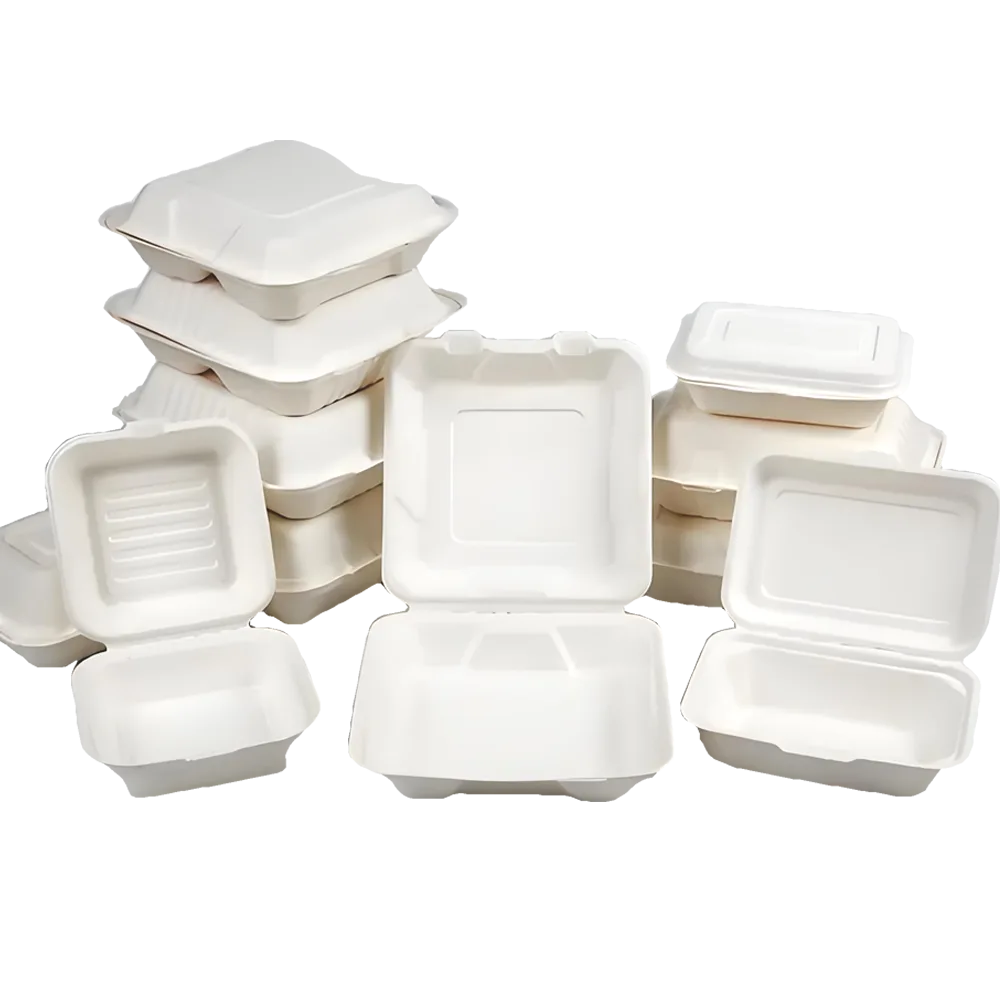
Bagasse containers are especially valuable for foodservice because they combine molded structure, lightweight handling, heat tolerance, grease resistance, and natural fiber appearance. For restaurants, cafés, meal-prep brands, catering companies, and school cafeterias, bagasse offers a practical way to upgrade from foam or plastic containers without giving up takeout convenience.
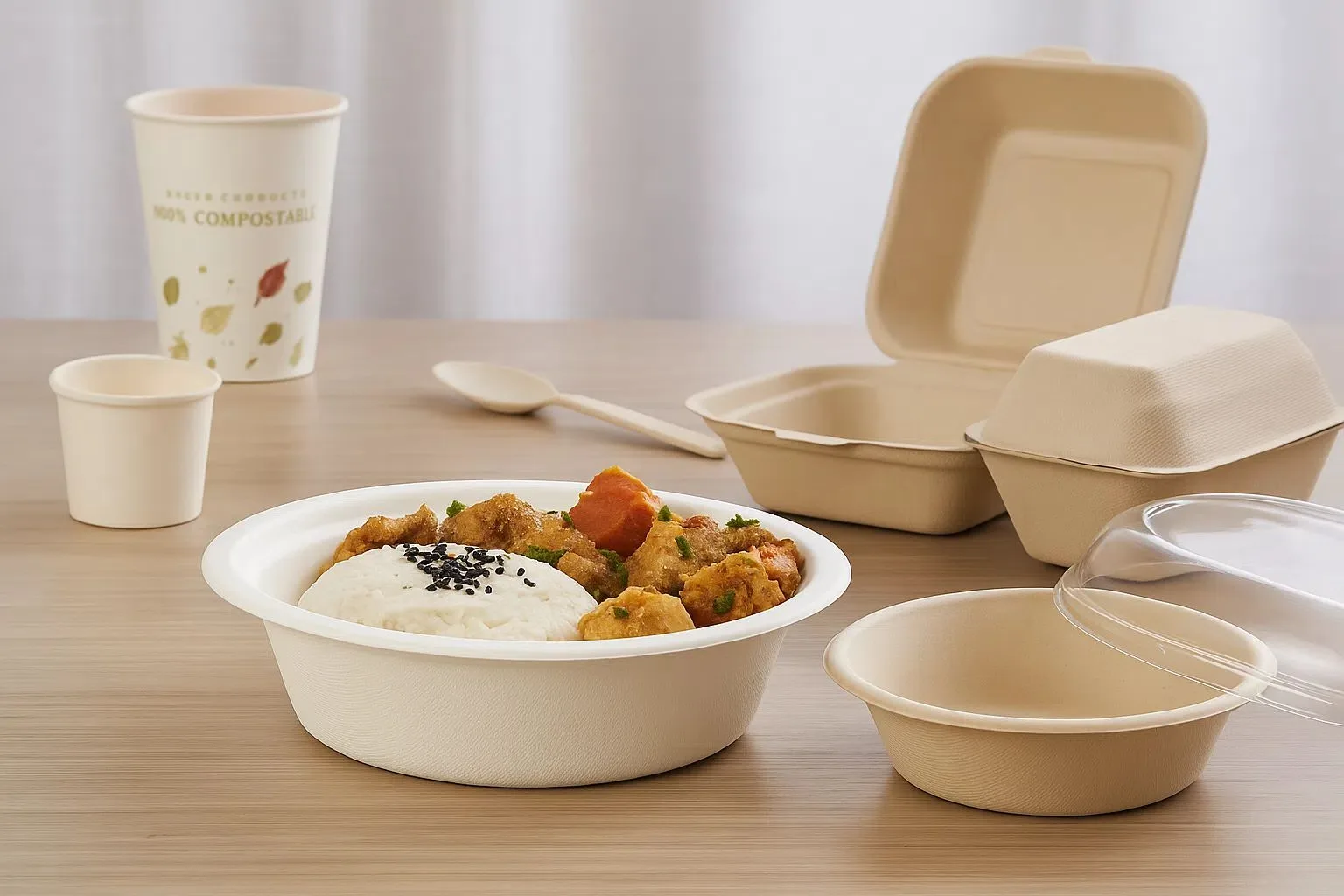
6. Recommended Bioleader® Microwave-Suitable Bagasse Food Containers
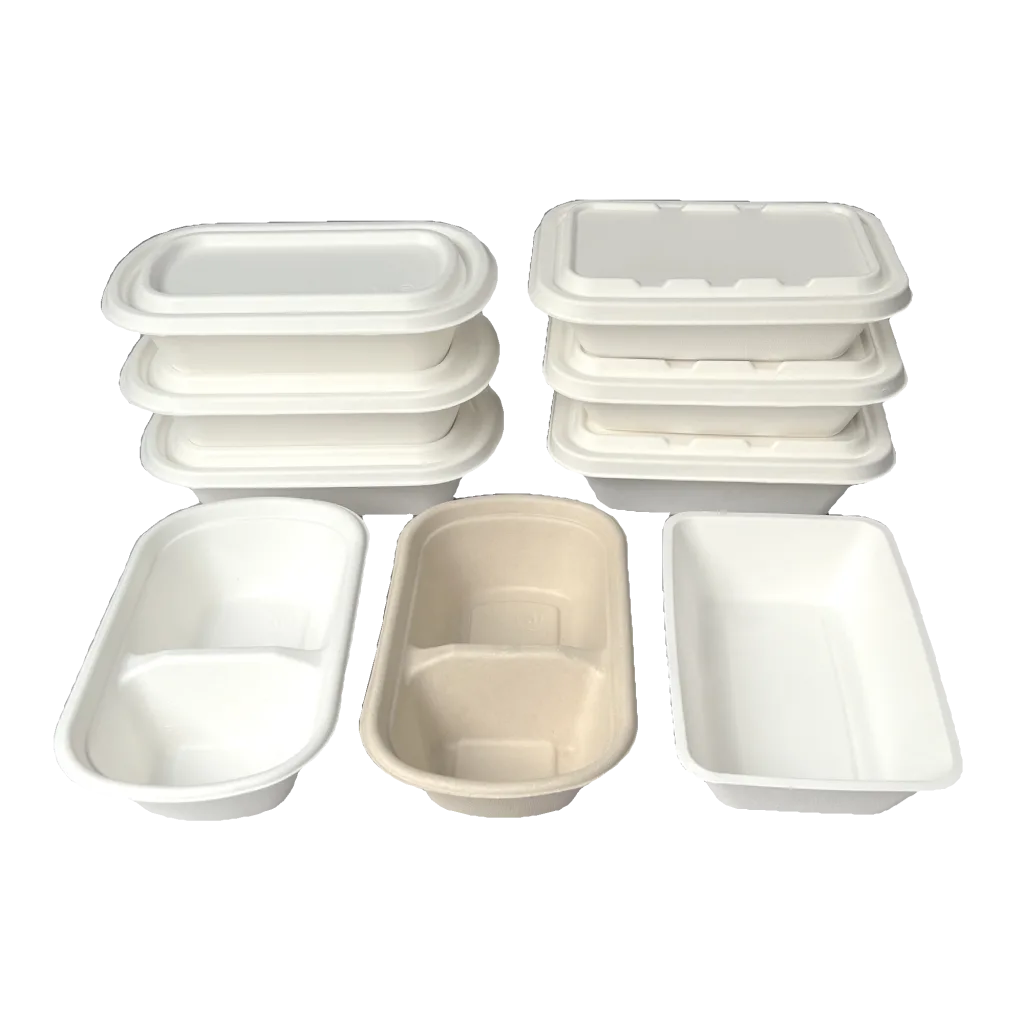
For foodservice buyers looking for microwave-suitable, plastic-reduced, and compostable food packaging, Bioleader® offers a wide range of bagasse food containers, bagasse clamshell containers, bowls, trays, and takeaway boxes. These products are designed for restaurants, cafés, meal-prep brands, supermarkets, catering companies, schools, and foodservice distributors seeking practical alternatives to conventional plastic and foam packaging.
Bioleader® Bagasse Container Buyer Advantages
| Buyer Need | Bioleader® Support | Why It Matters |
|---|---|---|
| Microwave reheating | Product-specific use guidance for suitable bagasse SKUs | Helps buyers avoid overclaiming and match the container to real food applications. |
| Food-contact safety | Food-contact documentation and testing support depending on SKU and target market | Important for restaurants, importers, and regulated markets. |
| PFAS-aware sourcing | PFAS-free or PFAS-related testing options where required | Supports safer grease-resistant packaging decisions. |
| Takeout performance | Clamshells, trays, bowls, lids, and containers for multiple food types | Improves menu flexibility for rice meals, burgers, pasta, fried food, salads, and snacks. |
| Export procurement | Bulk packing, mixed container planning, custom carton, and documentation support | Reduces sourcing complexity for distributors and international buyers. |
Need Microwave-Suitable Bagasse Containers for Takeout Meals?
Bioleader® helps foodservice brands and distributors source sugarcane bagasse containers that balance microwave reheating convenience, compostable material positioning, food-contact safety, and bulk export supply.
Choose from bagasse clamshell boxes, food containers, bowls, trays, and takeaway packaging designed for restaurants, meal-prep brands, catering, supermarkets, and institutional foodservice.
- Microwave-suitable options
- PFAS-aware documentation
- Food-contact testing support
- Compostable molded fiber
- Bulk export and OEM supply
7. Conclusion
In conclusion, bagasse containers are generally safe for use in the microwave for short durations, but there are several important factors to consider. The heat tolerance of bagasse is limited, especially when exposed to high temperatures or extended microwave times. Additionally, moisture absorption and potential chemical leaching from coatings are areas of concern, particularly when the containers are subjected to prolonged heating.
To ensure safety, consumers should avoid microwaving bagasse containers for extended periods and be mindful of the types of food they heat in them. For longer reheating times or high-fat foods, alternative microwave-safe materials, such as glass or ceramic containers, may be more appropriate.
Ultimately, bagasse containers offer a sustainable and environmentally friendly packaging solution that aligns with the growing demand for eco-conscious products. While further research is needed to explore their long-term microwave safety, their environmental benefits make them an important part of the movement toward reducing single-use plastic and promoting sustainable packaging alternatives.
Key Takeaways: Bagasse Containers and Microwave Safety
- Bagasse containers can be suitable for short microwave reheating when the finished product is microwave-rated and used according to supplier guidance.
- Microwave performance depends on food type, heating time, lid position, container thickness, coating system, and moisture or oil content.
- For long heating, high-fat foods, liquid-heavy meals, or dense frozen foods, glass or ceramic remains the safer reheating choice.
- Buyers should verify food-contact testing, PFAS-related documentation, and SKU-specific microwave instructions before making safety claims.
- Bagasse containers remain a strong sustainable alternative to plastic and foam when properly selected, tested, and used within recommended conditions.
FAQ
1. Are bagasse containers microwave-safe?
Yes, many bagasse containers can be microwave-safe for short reheating when the finished product is designed and labeled for microwave use. Buyers and consumers should always follow the supplier’s SKU-specific instructions, because microwave suitability depends on container thickness, coating, food type, and heating conditions.
2. How long can I microwave food in a bagasse container?
Bagasse containers are usually best for short reheating, often around 1–3 minutes depending on food type and power level. For longer durations, dense foods, or very hot meals, it is safer to monitor closely or transfer food to a microwave-safe glass or ceramic container.
3. Do bagasse containers release toxins when heated?
Quality bagasse containers made for food contact should not release harmful substances under recommended microwave use. However, safety should be verified through food-contact reports, PFAS-related testing, and supplier documentation, especially when coatings or grease-resistant treatments are used.
4. Can bagasse containers be used to heat oily or saucy foods?
Bagasse containers are often grease-resistant and suitable for many oily or saucy foods, but prolonged exposure to high heat can weaken the fiber structure. For very oily, liquid-heavy, or long-heating meals, use short intervals or transfer food to glass or ceramic.
5. Are bagasse clamshells and trays safe for microwaving?
Many bagasse clamshells and trays can be used for moderate microwave reheating if they are rated for that purpose. Always open or vent the lid slightly to prevent steam buildup, and confirm whether both the base and lid are microwave-suitable.
6. Can bagasse containers replace plastic in microwave use?
Bagasse can replace many plastic and foam takeout containers for short reheating and sustainable food packaging. However, it should not be treated as universal cookware. Use it according to supplier guidance and choose glass or ceramic for long or high-temperature reheating.
7. Are bagasse containers safe for use in ovens or toasters?
No. Bagasse containers are not designed for conventional ovens, toaster ovens, grills, or direct dry-heat cooking. They can scorch or ignite at high dry-heat temperatures and should only be used according to microwave-specific instructions.
8. What should restaurants check before using bagasse containers for microwave meals?
Restaurants should test real menu items, confirm heating time, venting instructions, food-contact documentation, PFAS-related testing, lid compatibility, and customer reheating labels before using bagasse containers for microwaveable takeaway meals.
Source List for the Article:
- U.S. Food and Drug Administration (FDA) – Microwave Ovens: container materials and microwave heating safety guidance.
- U.S. Food and Drug Administration (FDA) – Understanding How FDA Regulates Substances that Come into Contact with Food.
- U.S. Food and Drug Administration (FDA) – Guidance for Industry: Preparation of Premarket Submissions for Food Contact Substances: Chemistry Recommendations.
- U.S. Food and Drug Administration (FDA) – PFAS Used in Grease-Proofing Agents for Food Packaging No Longer Being Sold in the U.S. Market.
- European Bioplastics – EN 13432 certified bioplastics and industrial composting requirements.
- ASTM International – ASTM D6400 Standard Specification for Compostable Plastics.
- USDA Food Safety and Inspection Service – Cooking with Microwave Ovens: safe handling and container guidance.
- Bioleader® – Bagasse food container product documentation, food-contact testing support, PFAS-related documentation, and export packaging guidance.