The 2025 Buyer’s Guide To India Sugarcane Bagasse | Bioleader® Sustainable Packaging

Actionable coverage of India sugarcane bagasse: eco-friendly, biodegradable, compostable materials, performance data, and compliance under EN13432 & ASTM D6400. Includes BPI/TÜV references and Food-Contact Tested guidance for safe deployment. Buyer-focused: manufacturer insights, bulk/wholesale buying playbooks, OEM/ODM customization tips, full size range selection.

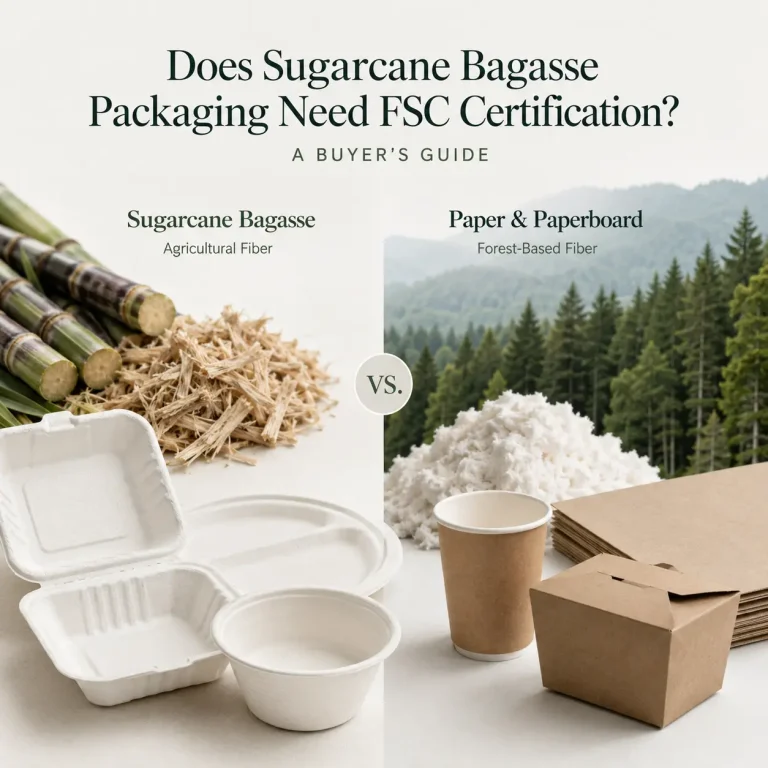
Sugarcane residue, which no one wants in our country, has become the code for Indians to get rich, and they can earn tens of millions a year! What is the use of sugarcane residue? India’s sugarcane production ranks second in the world, second only to Brazil. There are many sugar factories of different sizes in the countryside of India. During the sugarcane harvest season, some factories need to squeeze hundreds of tons of sugarcane every day. The squeezed sugarcane juice becomes sugar after simple boiling and evaporation of water, and the remaining sugarcane residue gives factory managers a headache.

India sugarcane bagasse — Quick Summary
  • Items displayed (articles): 12
  • Last updated: 2025-01-18
  • Includes test data, compliance guides, buyer FAQs, and real-world use cases.

Editor’s Picks: Top India Sugarcane Bagasse Guides 2026

FAQ of Bioleader's Eco-friendly Disposable Tableware

Do these bowls leak?

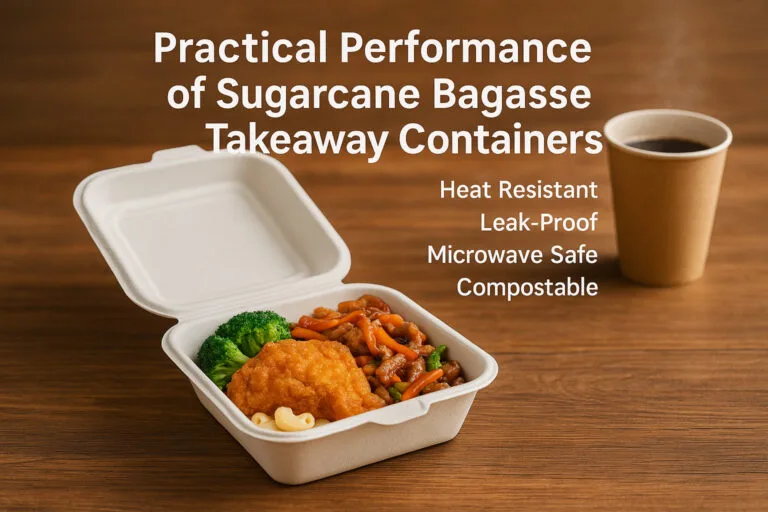
Yes, the ultra-secure lids on our eco friendly disposable bowls with lids make sure no amount of liquid comes out while in the traveling process , India sugarcane bagasse.

Can you make them and put my logo on them?

Yes, there is the option of full customization including branding , India sugarcane bagasse. Please reach out to us to discuss the possibilities of branding our bowls — India sugarcane bagasse.

Is it really compostable?

Yes, these salad bowls compostable are made from biodegradable materials such as kraft paper and white cardboard paper which allow it to biodegrade when discarded appropriately.

How is discarded bagasse turned into tableware?

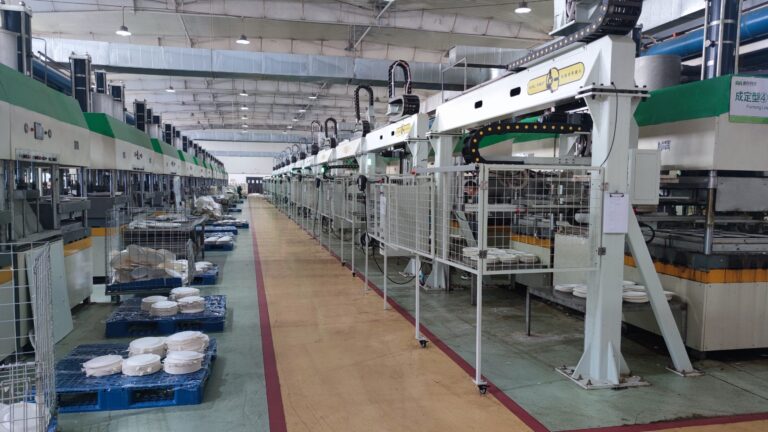
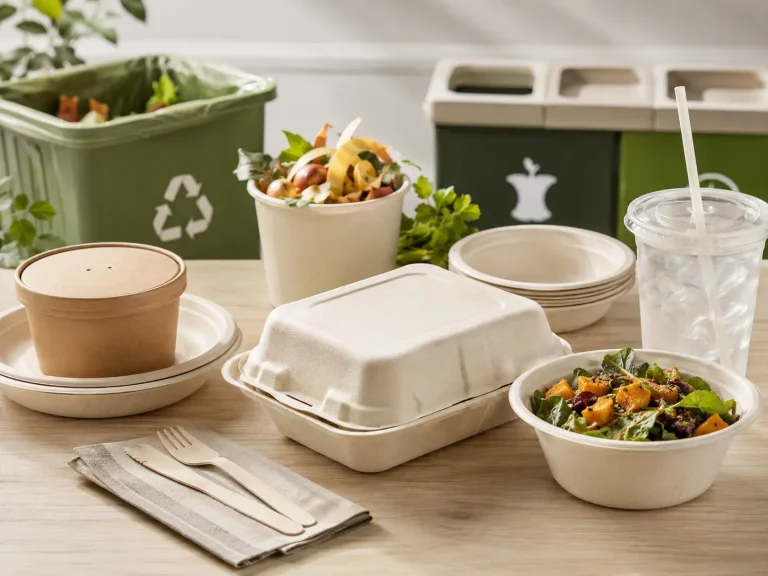
After sugarcane juice extraction, the leftover fiber (bagasse) is pulped, molded under heat and pressure, and formed into plates, bowls, and containers.

Why is global demand for bagasse tableware rising?

Stricter plastic bans, consumer eco-awareness, and policies favoring compostable materials have boosted demand for bagasse products worldwide.

Related Insights

🚀Ready to Go Green and Choose ?

Join the global movement toward zero-waste packaging.


Bioleader® offers:

  • 📦 Bulk order support & fast delivery

  • ✍️ Custom branding and OEM solutions

  • 🌍 Worldwide eco-packaging compliance

Get the Catalogue Products List  & Contact Us Now! 👉

Contact us Below

Click or drag files to this area to upload.You can upload up to 5 files.
The more details you share, the faster and more accurate our quotation will be.