Top Use Cases For Green Packaging | Bioleader® Sustainable Packaging
Actionable coverage of Green Packaging: eco-friendly, biodegradable, compostable materials, performance data, and compliance under EN13432 & ASTM D6400. Includes BPI/TÜV references and Food-Contact Tested guidance for safe deployment. Buyer-focused: manufacturer insights, bulk/wholesale buying playbooks, OEM/ODM customization tips, full size range selection.
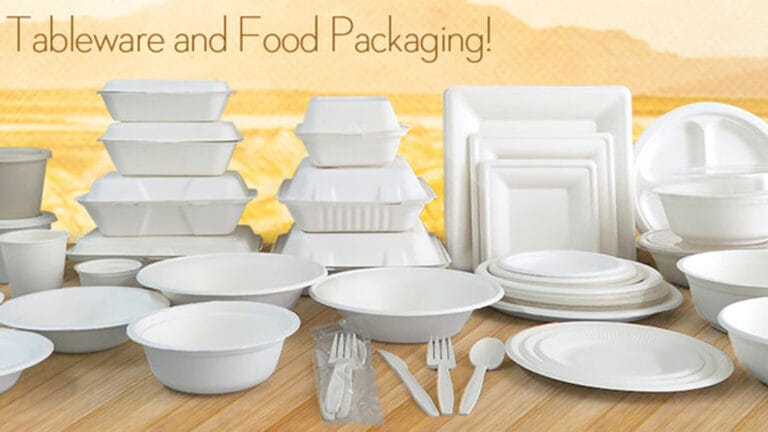
FAQ of Bioleader's Eco-friendly Disposable Tableware
PFAS Free and BPA Free
Our sugarcane food trays are free from PFAS and BPA which ensures that the food is not leached with any harmful chemicals , Green Packaging. This importance given to health and safety is what sets our compostable trays apart from a large number of disposable products found in the market. When using our trays, it is possible to consider the health and safety of clients and you are easily able to position your image as a business that cares about health.
Eco-Friendly, Compostable, and Biodegradable
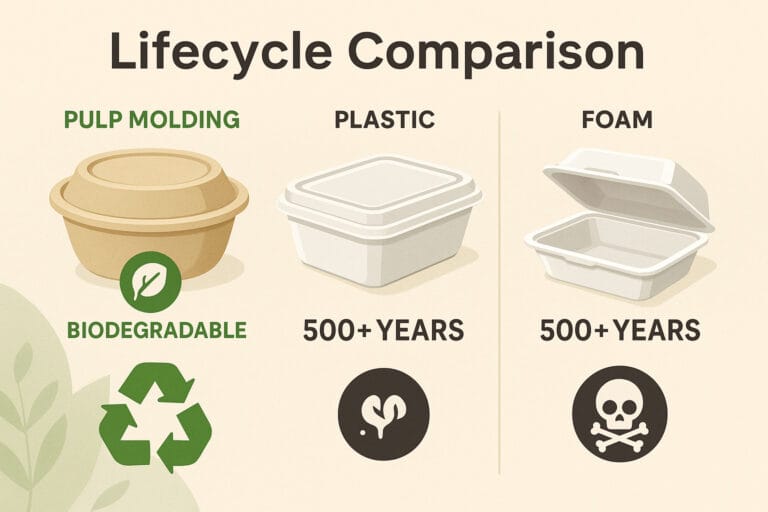
Our molded pulp trays are fully compostable and biodegradable. They naturally break down within a few months, supporting a circular economy and reducing landfill burden. This makes our sugarcane pulp trays an excellent choice for eco-conscious consumers and businesses looking to adopt sustainable practices , Green Packaging.
Leak-Proof and Oil Resistant
Designed with practicality in mind, our sugarcane containers are water- and oil-resistant, ensuring no leaks during transport. Whether serving soups, sauces, or greasy foods, these takeaway containers with lids deliver a mess-free experience , Green Packaging. This reliable barrier against spills keeps food intact, offering convenience for both businesses and customers.
Ensuring Sustainable Harvesting Practices
To support eco-friendly goals, manufacturers often collaborate with farmers using sustainable farming methods that avoid excessive pesticide use.
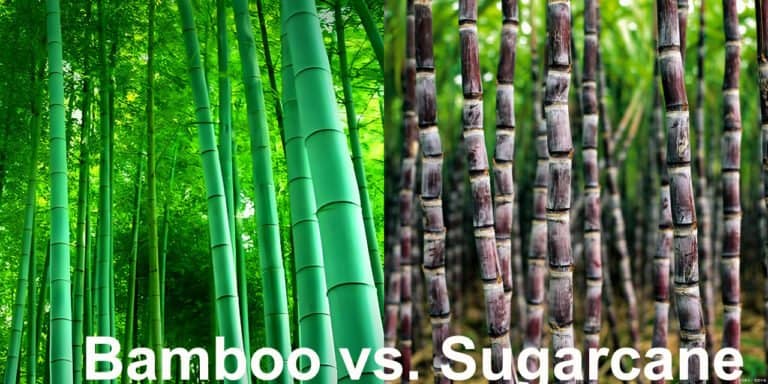
Comparison Table: Bamboo vs. Sugarcane Bagasse
Feature Bamboo Sugarcane Bagasse Raw Material Grown specifically as a fast-renewable resource Waste byproducts from sugar extraction Growth Rate Extremely fast (up to 35 inches/day in some species) Depends on sugarcane harvest cycles Durability High strength and rigidity; reusable options Sufficient for single-use; less durable than bamboo Cost Generally higher due to processing complexities More economical and cost-effective Environmental Impact Excellent carbon sequestration, renewable Reduces waste, leverages existing byproducts Applications Cutlery, plates, bowls, packaging trays Plates, bowls, clamshell boxes, takeout containers Processing Energy-intensive pulping and molding Efficient molding using heat and pressure at sugar mills Compostability Fully compostable (if untreated) Breaks down quickly in composting environments Bamboo vs. Sugar Cane Material Comparison: Properties and Processing