The 2025 Buyer’s Guide To Custom Printed Cups | Bioleader® Insights
Actionable coverage of custom printed cups: eco-friendly, biodegradable, compostable materials, performance data, and compliance under EN13432 & ASTM D6400. Includes BPI/TÜV references and Food-Contact Tested guidance for safe deployment. Buyer-focused: manufacturer insights, bulk/wholesale buying playbooks, OEM/ODM customization tips, full size range selection.
Quick Summary
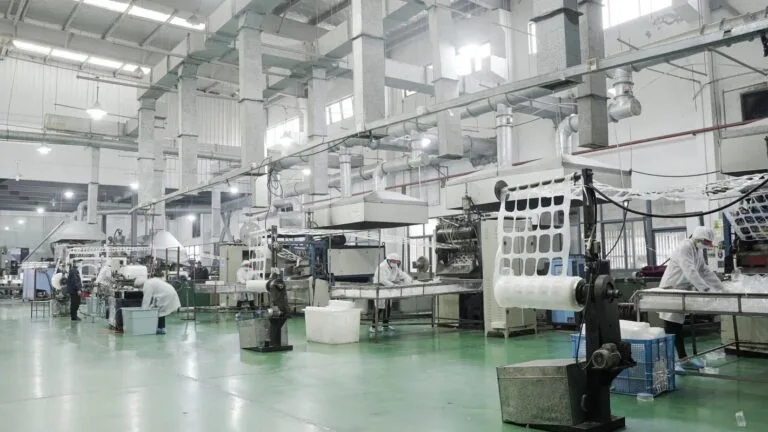
Bioleader is strengthening its role as a reliable PLA cup manufacturer and PET cup manufacturer through a fully integrated manufacturing system covering sheet extrusion, thermoforming, lid production, custom printing, and automated packaging.
With 3 fully automatic sheet extrusion machines, 5 fully automatic production and packing lines, 3 semi-automatic cup lines, 2 fully automatic lid production lines, 1 semi-automatic lid line for special and custom lids, 3 fully automatic packing lines, and 2 fully automatic 8-color printing and packing machines, Bioleader’s total monthly production capacity for PLA and PET cups can reach 40 million pieces.
This large-scale manufacturing model gives global buyers a stronger combination of stable quality, fast lead times, custom printed cups, and highly competitive supply in the fast-growing market for biodegradable plastic cups, compostable plastic cups, eco-friendly cups, and premium beverage packaging.
FAQ of Bioleader's Eco-friendly Disposable Tableware
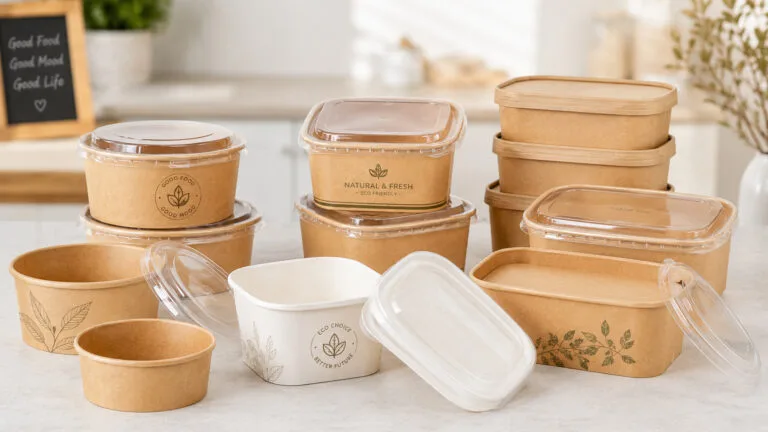
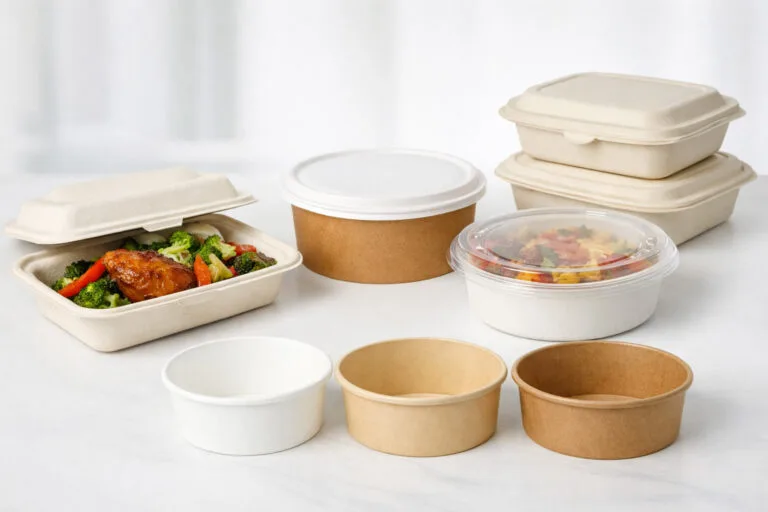
Do the lids hold tight so there are no leakage problems while in transit?
Yes, the lids are designed in such a way that they are fastened to the container securely and will not let the contents escape or leak during transit, which is an ideal characteristic for takeaway and delivery orders.
Can we put our company logo on the bowls?
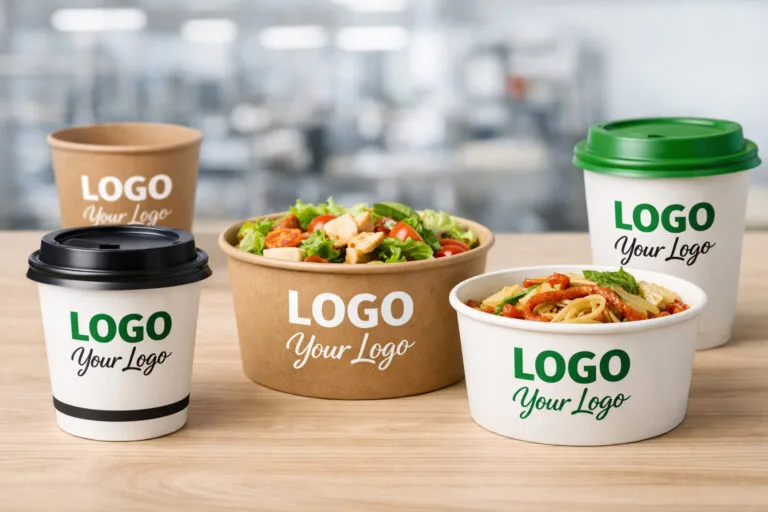
Of course! We provide you with customization possibilities to add logos and designs on the bowls with lids to help strengthen your company’s image. Turn to us for further information on the customization options available.
Do these bowls leak?
Yes, the ultra-secure lids on our eco friendly disposable bowls with lids make sure no amount of liquid comes out while in the traveling process — custom printed cups.
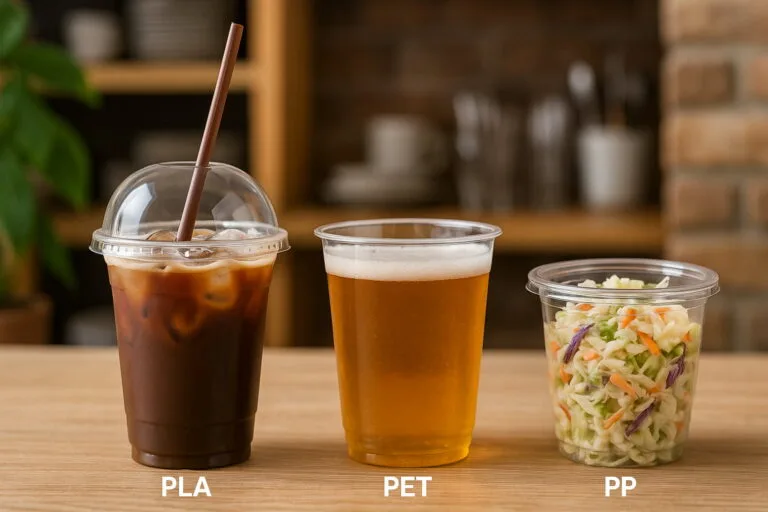
PP (Polypropylene)
PP is a fossil-based thermoplastic widely used for hot beverage cups and lids. It offers excellent flexibility and thermal stability.Advantages: Withstands up to 100°C (212°F) — perfect for hot coffee, tea, and soups Lightweight yet durable, resists cracking under pressure Economical and recyclable in many municipal systems (resin code #5) Limitations: Lower clarity compared to PET or PLA Derived from petroleum sources, less sustainable perception — custom printed cups.
Carbon Footprint Overview
A cradle-to-grave comparison shows that PLA cups emit 60–70% less CO₂e during production than traditional PET, given the renewable feedstock.However, PET cups can be recycled multiple times, reducing their lifetime impact , custom printed cups. PP falls in between, with low manufacturing emissions but poor recycling rates globally. Stage PLA PP PET Raw Material Low (renewable) High (oil) High (oil) Manufacturing Energy Moderate Low Moderate End-of-Life Compostable Recyclable (limited) Recyclable Total CO₂e (kg/kg material) 1.3–1.6 2.0 2.7