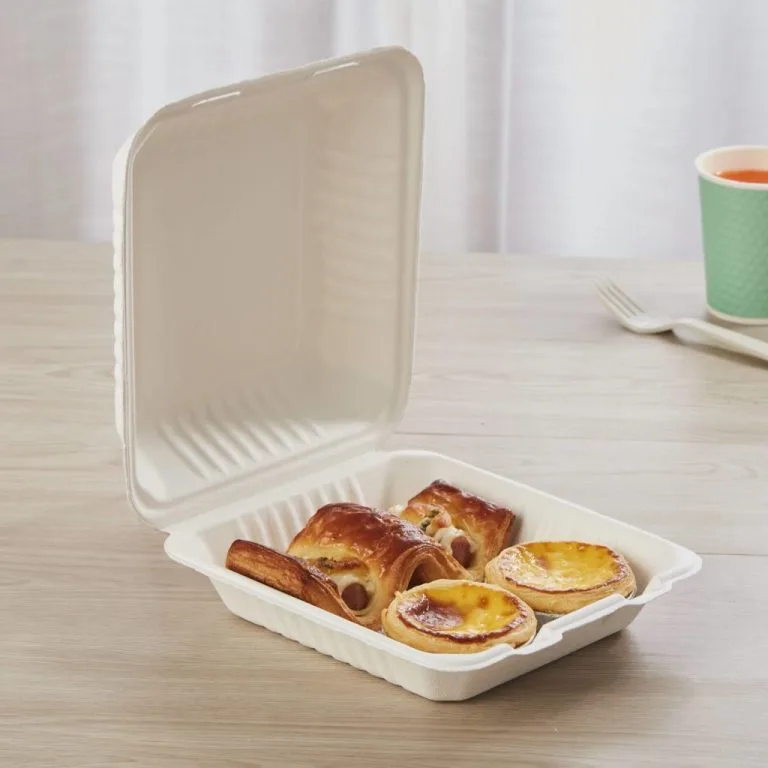
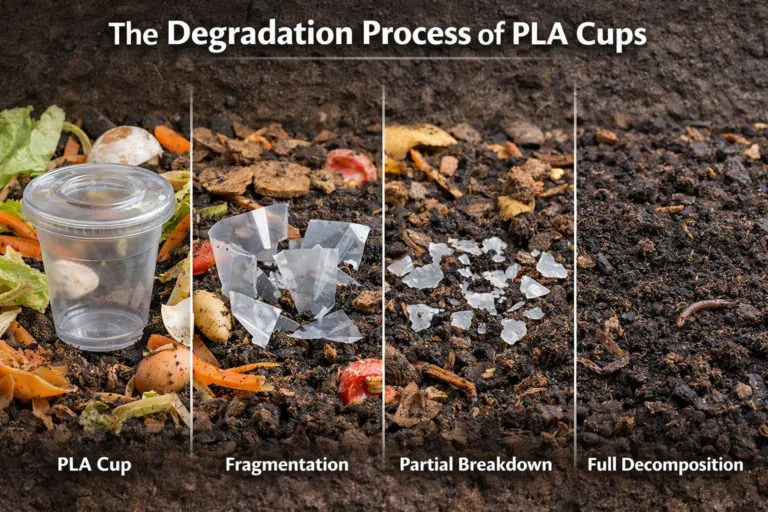
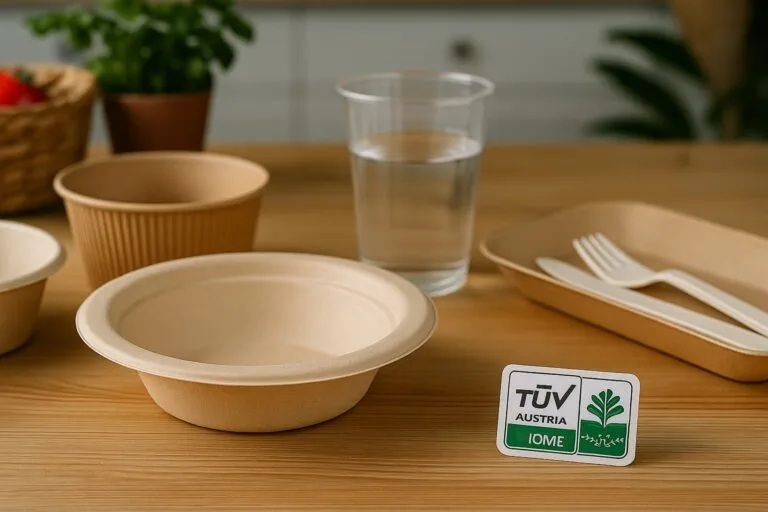
Highlights from featured articles under this tag:


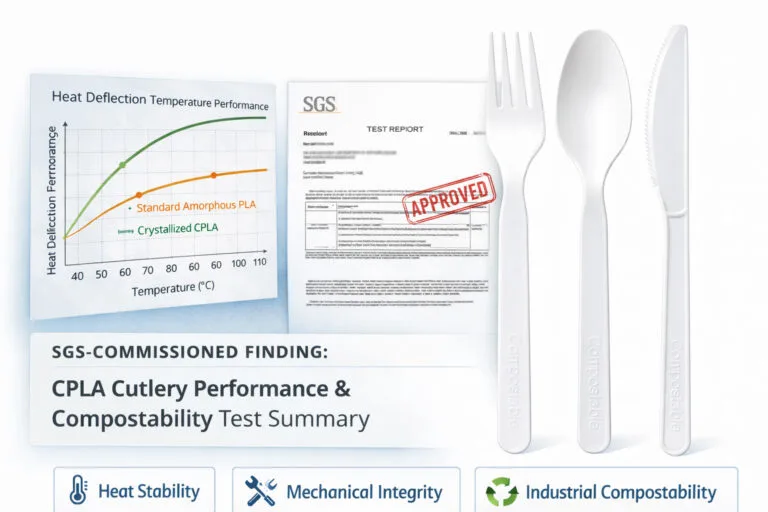
Generally, yes. Increased crystallinity can give CPLA greater dimensional stability at elevated temperatures than standard amorphous PLA. The actual service temperature still depends on the formulation, product design and testing.
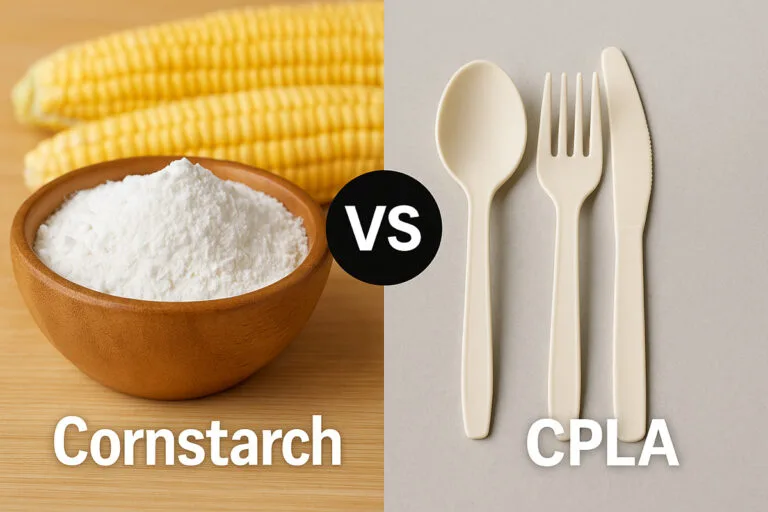
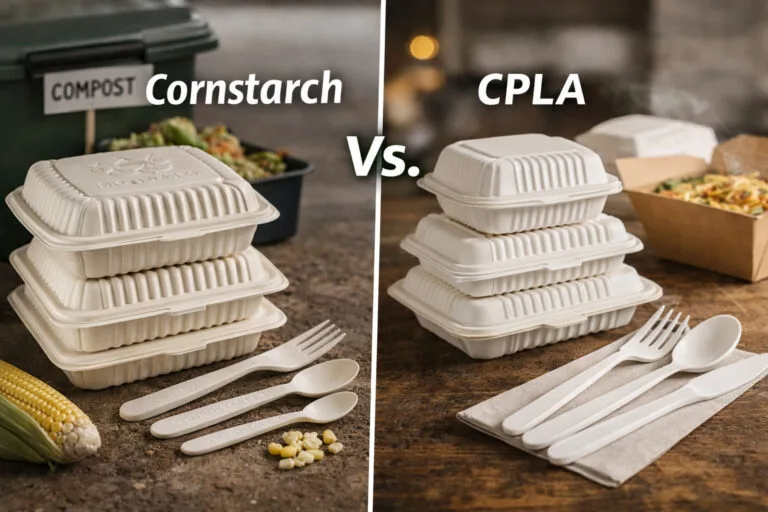
Both are plant-based and renewable, but CPLA has a more complex production process. Cornstarch is often viewed as simpler and more natural, while CPLA offers better performance under stress.
These minerals can act as nucleating agents that accelerate crystallization and help improve thermal stability. The outcome depends on dispersion quality and precise formulation/process control.
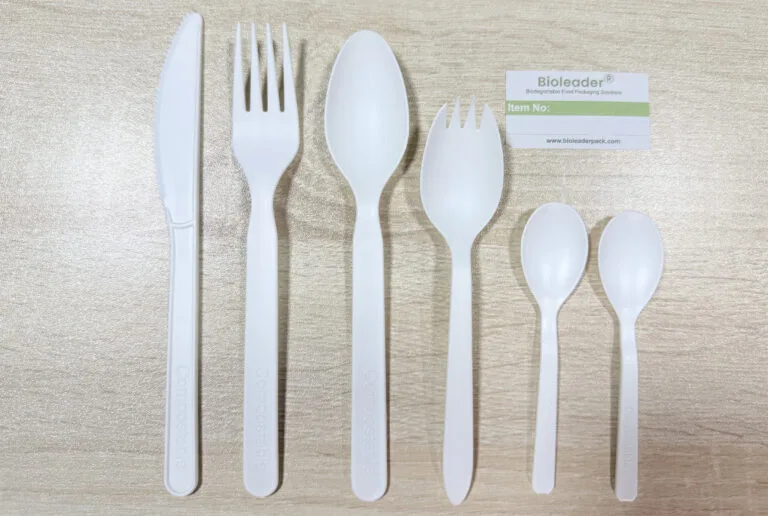
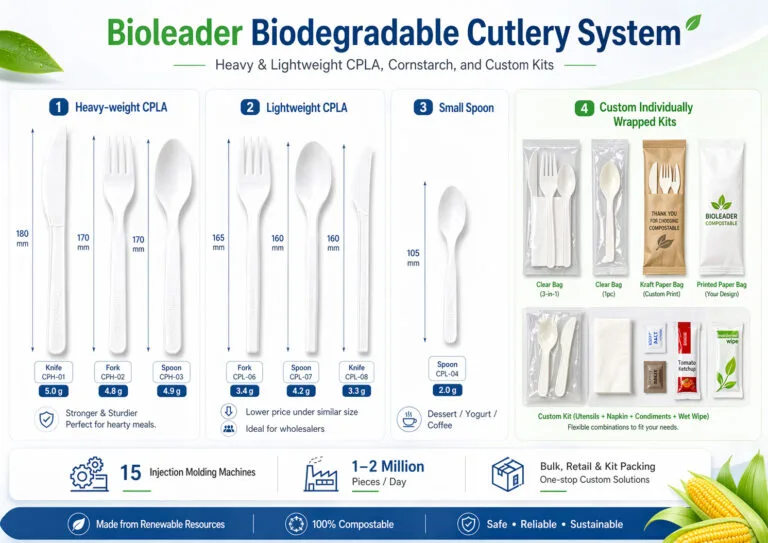
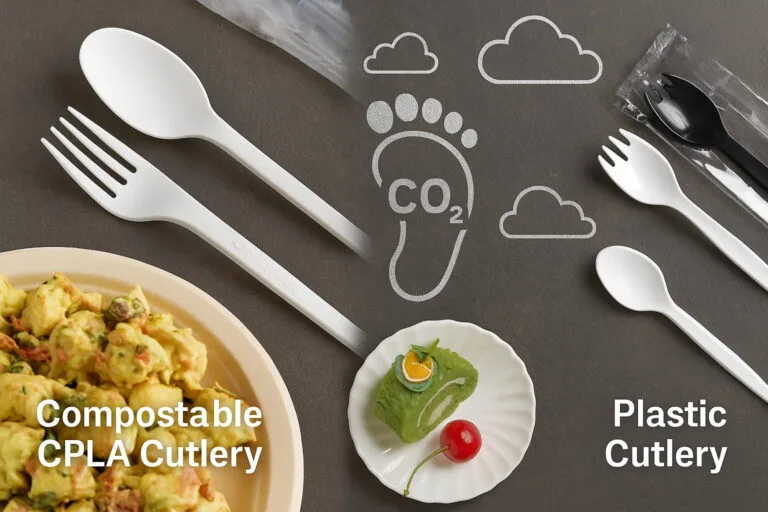
CPLA is commonly used for disposable cutlery and other applications that need greater heat resistance than standard amorphous PLA. However, actual temperature limits and food-contact suitability should be confirmed from the selected product specification and applicable documentation.
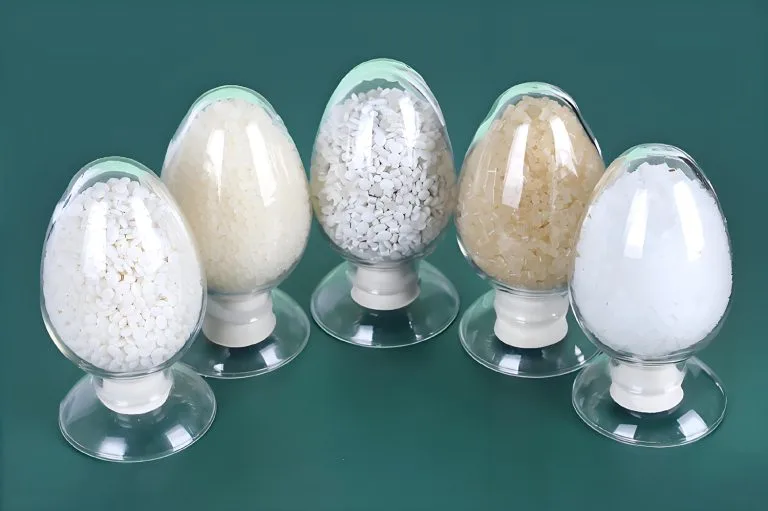
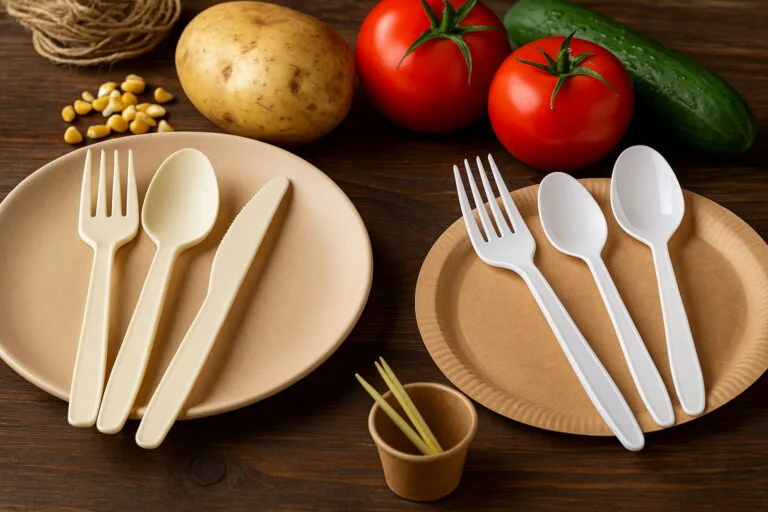
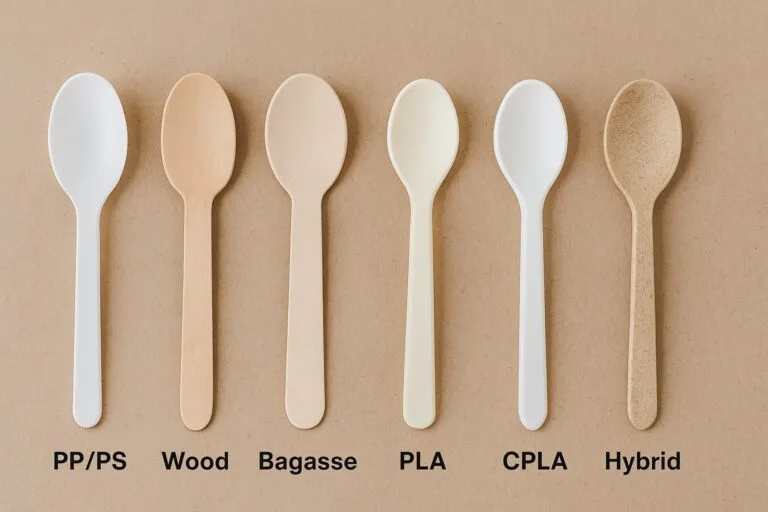
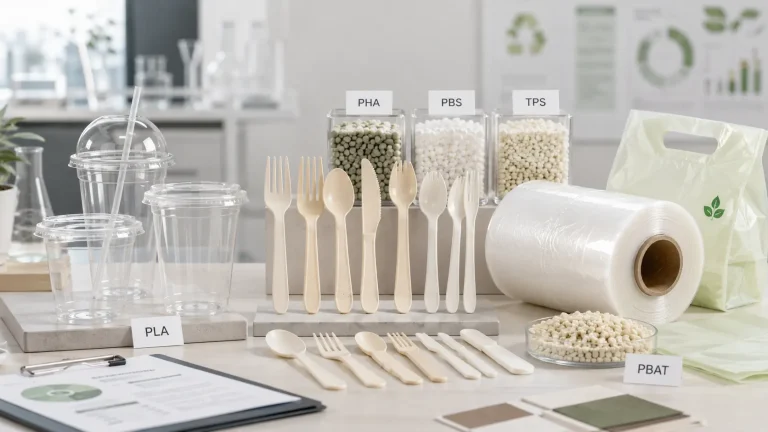
PLA is a defined thermoplastic polyester. PLA+ is a commercial term for modified PLA formulations whose composition varies by manufacturer. CPLA generally refers to crystallized PLA-based material designed for greater heat resistance and dimensional stability.
Join the global movement toward zero-waste packaging.
Bioleader® offers:
📦 Bulk order support & fast delivery
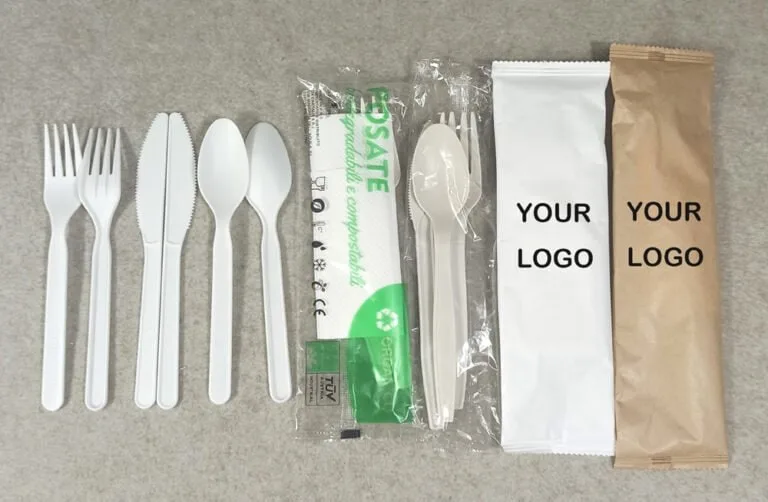
✍️ Custom branding and OEM solutions
🌍 Worldwide eco-packaging compliance
Get the Catalogue Products List & Contact Us Now! 👉