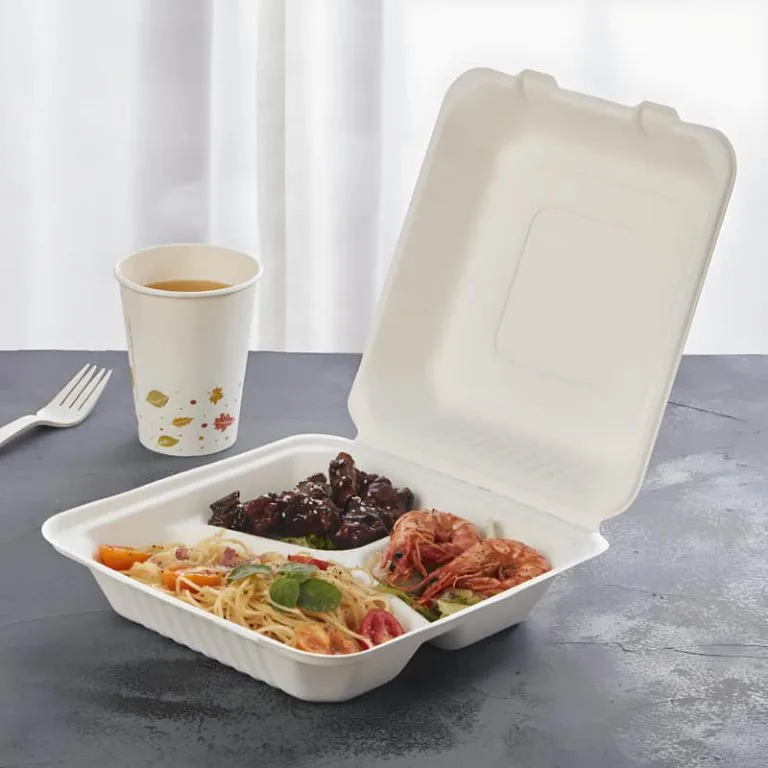
Actionable coverage of cornstarch: eco-friendly, biodegradable, compostable materials, performance data, and compliance under EN13432 & ASTM D6400. Includes BPI/TÜV references and Food-Contact Tested guidance for safe deployment. Buyer-focused: manufacturer insights, bulk/wholesale buying playbooks, OEM/ODM customization tips, full size range selection.
“Have you ever noticed that some biodegradable utensils withstand heat better than others?” “Yes, I have! I wonder what materials they’re made of.”
cornstarch — Quick Summary
Items displayed (articles): 12
Last updated: 2025-05-19
Includes test data, compliance guides, buyer FAQs, and real-world use cases.
FAQ of Bioleader's Eco-friendly Disposable Tableware
Can these bowls be used in a microwave?
Yes, our eco friendly disposable bowls are microwaveable, which allows users to heat food without the need of an extra bowl.
Is it possible to recycle them?
While your package design should be primarily for use single, to promote health oder, the package is strong enough for one or two times reuse with caution , cornstarch.
Are they safe to use in a microwave?
Yes, these containers come ultimate, no need to clean other serving dishes, as consumers can warm their food within these containers.
Source and Production
Cornstarch is extracted from the endosperm of corn kernels. The production process involves: Steeping: Soaking corn kernels to soften them. Grinding: Milling the softened kernels to separate components , cornstarch. Separation: Using centrifugation to isolate starch.
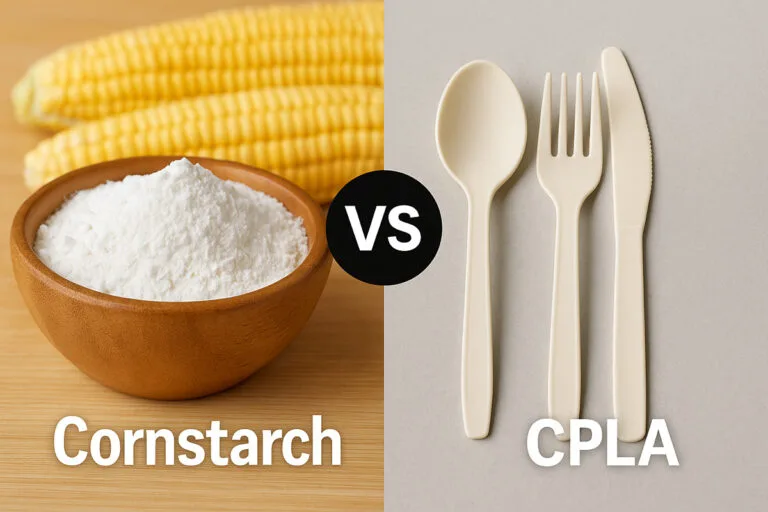
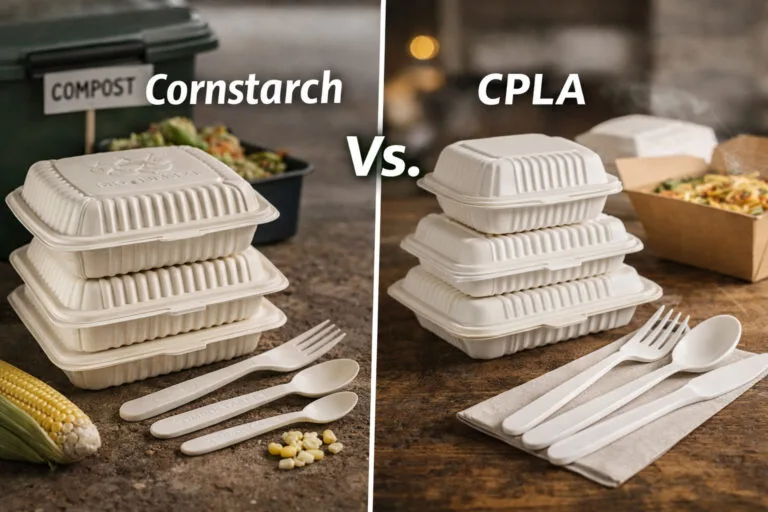
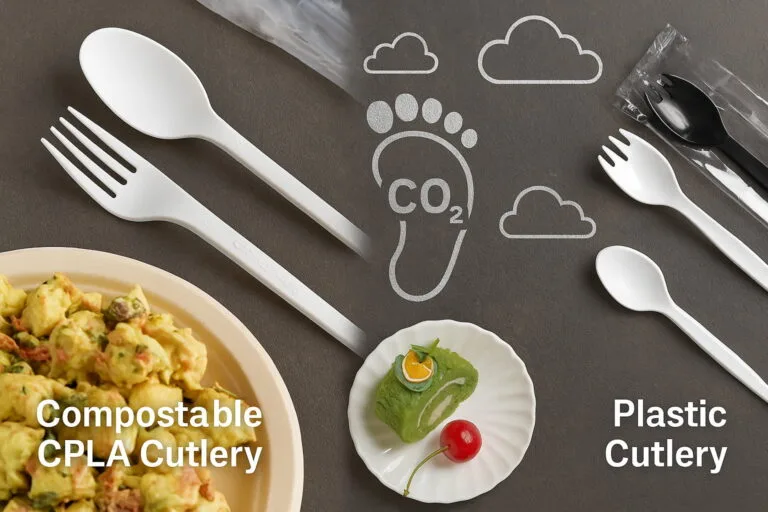
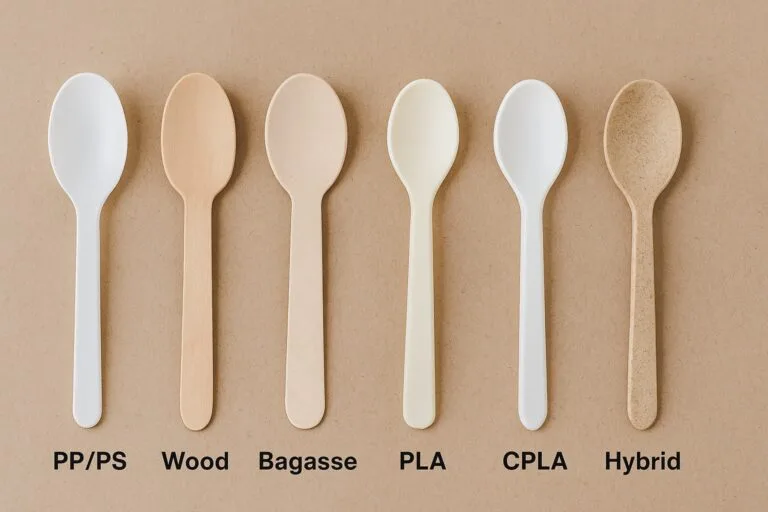
Is CPLA better than cornstarch in heat resistance?
Yes, CPLA is heat-resistant up to around 85–90°C, making it more suitable for hot foods and beverages — cornstarch. Cornstarch-based items may deform under high heat unless reinforced with other materials.