Compostable Utensils 101: What It Is, When To Use, And How To Choose | Bioleader® Insights

Actionable coverage of Compostable Utensils: eco-friendly, biodegradable, compostable materials, performance data, and compliance under EN13432 & ASTM D6400. Includes BPI/TÜV references and Food-Contact Tested guidance for safe deployment. Buyer-focused: manufacturer insights, bulk/wholesale buying playbooks, OEM/ODM customization tips, full size range selection.

Quick Summary: CPLA and cornstarch cutlery are the two leading biodegradable materials replacing plastic utensils in 2025. CPLA provides superior rigidity and high heat resistance, making it suitable for hot meals, heavy dishes, and premium foodservice operations, while cornstarch cutlery fits cold or warm meals and cost-sensitive applications. This guide explains performance differences, engineering behavior, real-world stress testing, and industry-specific use cases for global buyers.

Compostable Utensils — Quick Summary
  • Items displayed (articles): 12
  • Last updated: 2025-11-19
  • Includes test data, compliance guides, buyer FAQs, and real-world use cases.

Editor’s Picks: Top Compostable Utensils Guides 2026

FAQ of Bioleader's Eco-friendly Disposable Tableware

Available sizes?

Yes, our paper containers with lids for food range between 500ml and 1500ml capable of holding various meal portions.

Are these bowls available in different styles?

Yes! There are no restrictions to full customization, including printing logos and designs. To know more, please get in touch with us.

What sizes are available for these biodegradable bowls?

Our bowls come in multiple sizes, ranging from 500ml to 1500ml (approximately 8oz to 48oz), offering flexibility for different portion needs.

Polylactic Acid (PLA) and CPLA – The Workhorse Bioplastic

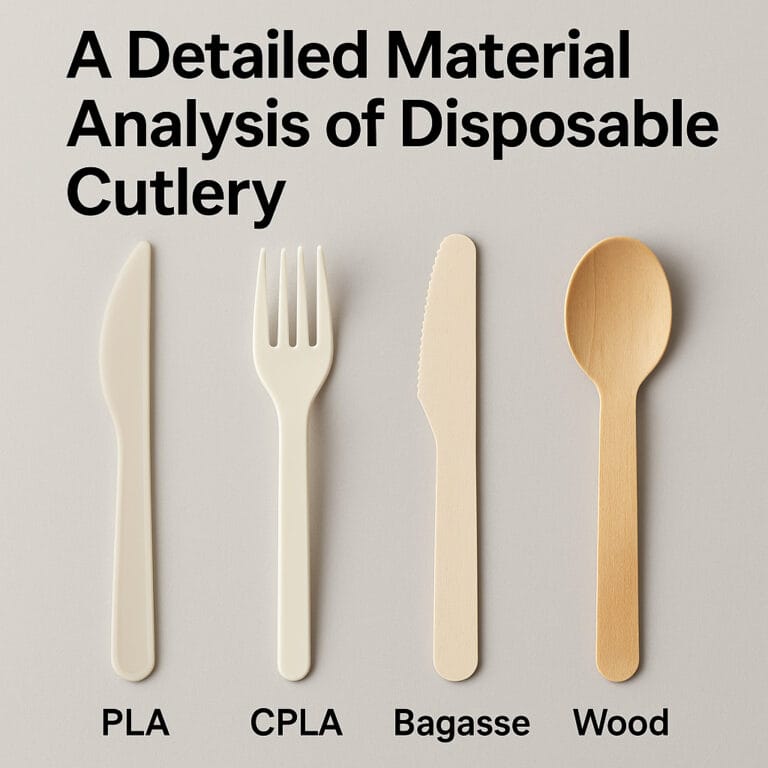
PLA is the most widely used bioplastic in compostable cutlery — Compostable Utensils. Derived from renewable resources like corn starch or sugarcane, PLA is a thermoplastic polyester that can be injection-molded similar to traditional plastics. Untreated PLA has a relatively low glass transition (~60°C), meaning it starts softening at hot-drink temperatures , Compostable Utensils. Early PLA utensils could not handle hot soup or tea without deforming — Compostable Utensils.

2. CPLA (Crystallized PLA)

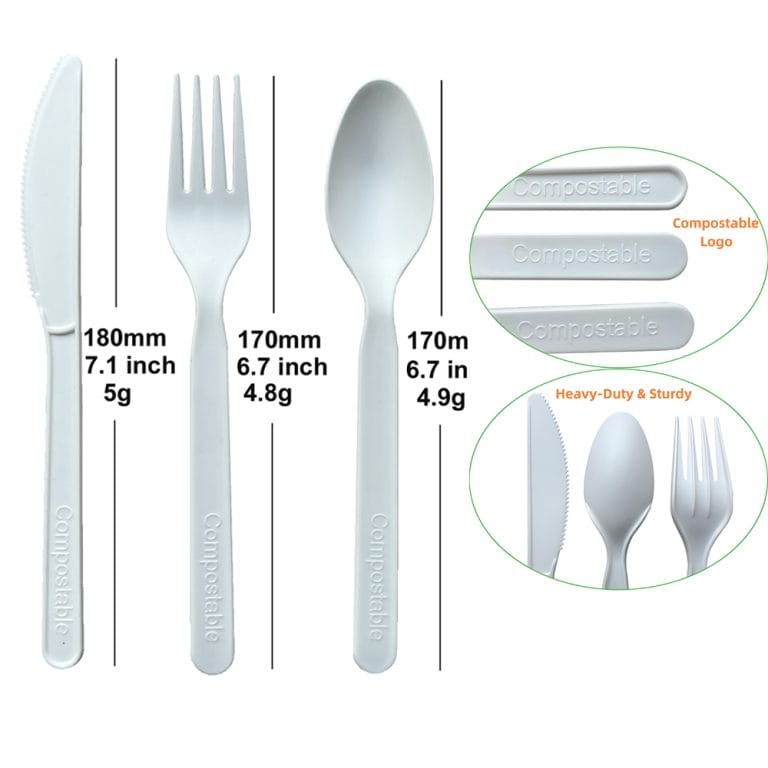
Enhanced version of PLA for heat resistance (up to 90°C / 194°F) Perfect for hot foods, soups, or oily dishes Used in high-end compostable utensils and biodegradable forks and spoons

Related Insights

🚀Ready to Go Green and Choose ?

Join the global movement toward zero-waste packaging.


Bioleader® offers:

  • 📦 Bulk order support & fast delivery

  • ✍️ Custom branding and OEM solutions

  • 🌍 Worldwide eco-packaging compliance

Get the Catalogue Products List  & Contact Us Now! 👉

Contact us Below

Click or drag files to this area to upload.You can upload up to 5 files.
The more details you share, the faster and more accurate our quotation will be.