Compostable Plates Compliance Checklist | Bioleader® Sustainable Packaging

Browse articles grouped under the "Compostable Plates" tag for topic-specific information and examples. The featured articles may approach the topic from different product, material, application, market, or sourcing perspectives. Check each article for its exact scope, technical data, standards, sources, and recommendations.
Compostable Plates — Content Overview
  • Featured articles shown: 12
  • Directly tagged articles: 12
  • Latest tagged article update: 2026-09-03
  • Coverage, examples, and specific recommendations vary by individual article.

Editor's Picks: Top Compostable Plates Guides 2026

FAQ of Bioleader's Eco-friendly Disposable Tableware

Which lid should I choose for 650ml rectangular paper salad bowls?

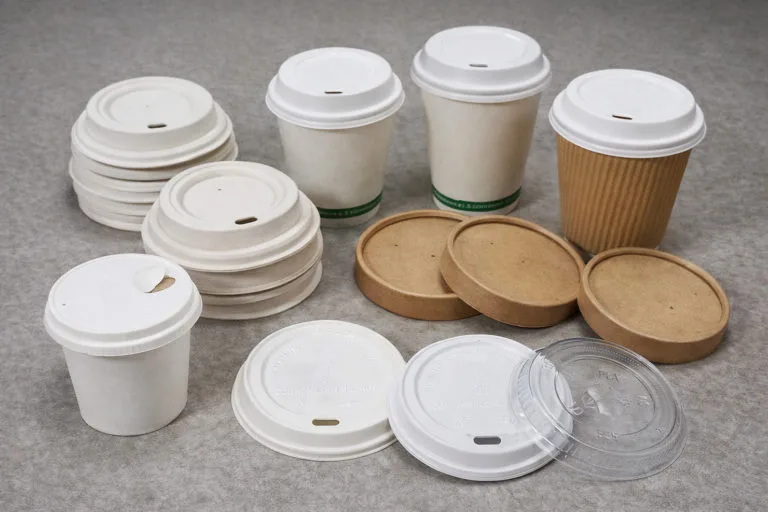
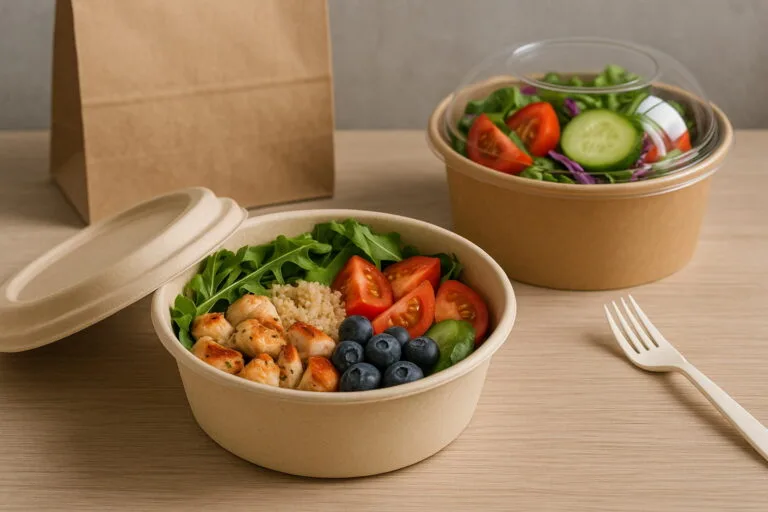
Paper lids are recommended when the buyer wants a consistent kraft or white paper packaging appearance. PP lids are practical for hot food handling, microwaveable use, stacking, takeaway, and delivery. PET lids are suitable when product visibility is important for chilled salads, sushi-style meals, supermarket display, and grab-and-go food programs.

Can 750-1000ml square paper salad bowls be custom printed?

Yes. Bioleader® supports OEM logo printing and private-label designs for 750-1000ml square paper salad bowls. Buyers can provide AI, PDF, CDR, or clear logo files. White paper is usually better for sharp full-color printing, while kraft paper is suitable for natural, minimal, and eco-style branding.

What is the capacity of a 1300ml paper salad bowl?

A 1300ml paper salad bowl is designed for extra-large single-serve or generous meal-size portions. It is commonly used for salads, rice bowls, poke bowls, cold noodles, pasta, fruit portions, desserts, side dishes, and takeaway meals. For buyers building a wider foodservice range, 1300ml can be paired with 500ml, 750ml, 1000ml, 1090ml, and 1200ml paper salad bowls — Compostable Plates.

Bamboo Tableware and Packaging

Cutlery & Utensils: Used in both disposable and reusable sets, prized for durability. Plates and Bowls: Available in premium, reusable versions as well as eco-friendly disposables. Packaging Solutions: Bamboo pulp is used in molded trays and protective packaging for delicate items — Compostable Plates.

Materials Used in Biodegradable Plates

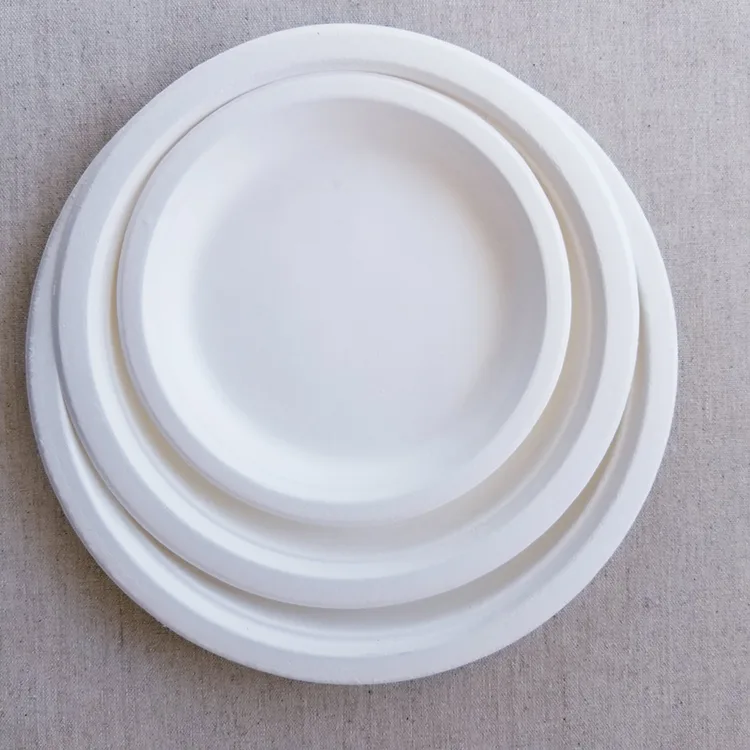
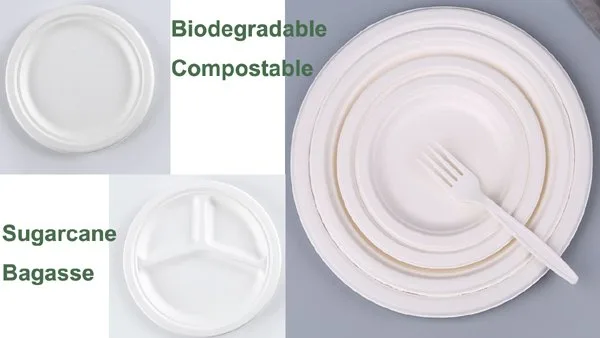
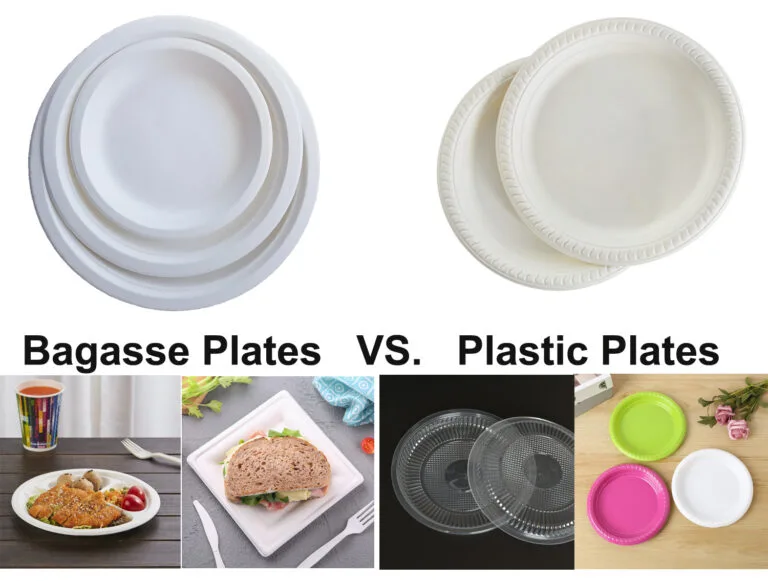
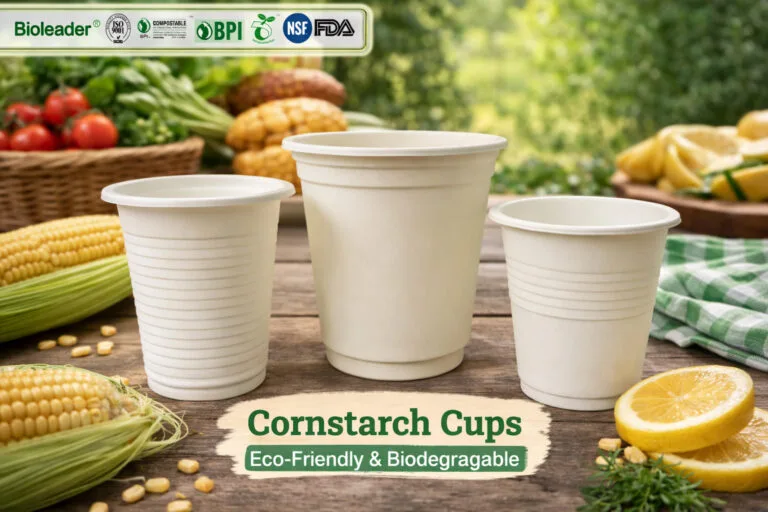
The production of biodegradable plates involves various renewable materials, each contributing unique benefits: Bagasse:A fibrous byproduct from sugarcane processing, bagasse is prized for its durability and natural compostability. Bagasse plates are especially popular due to their robust structure and eco-friendly credentials. Palm Leaves:Sourced from naturally fallen palm fronds, these plates are crafted without additional chemicals, maintaining a pure and rustic appeal while ensuring full biodegradability , Compostable Plates. Bamboo:Bamboo, a fast-growing renewable resource, serves as an excellent base for durable tableware that eventually decomposes without adverse environmental impacts. Cornstarch:Derived from maize, cornstarch plates offer a lightweight solution that disintegrates quickly, making them ideal for single-use applications where rapid breakdown is desired.

Related Insights

🚀Ready to Go Green and Choose ?

Join the global movement toward zero-waste packaging.


Bioleader® offers:

  • 📦 Bulk order support & fast delivery

  • ✍️ Custom branding and OEM solutions

  • 🌍 Worldwide eco-packaging compliance

Get the Catalogue Products List  & Contact Us Now! 👉

Contact Us for Quote

Click or drag files to this area to upload.You can upload up to 5 files.
The more details you share, the faster and more accurate our quotation will be.