Top Use Cases For Bioplastic Wholesale | Bioleader® Insights

Actionable coverage of bioplastic wholesale: eco-friendly, biodegradable, compostable materials, performance data, and compliance under EN13432 & ASTM D6400. Includes BPI/TÜV references and Food-Contact Tested guidance for safe deployment. Buyer-focused: manufacturer insights, bulk/wholesale buying playbooks, OEM/ODM customization tips, full size range selection.
bioplastic wholesale — Quick Summary
  • Items displayed (articles): 12
  • Last updated: 2025-02-20
  • Includes test data, compliance guides, buyer FAQs, and real-world use cases.

Editor’s Picks: Top Bioplastic Wholesale Guides 2026

FAQ of Bioleader's Eco-friendly Disposable Tableware

Eco-Friendly and Biodegradable

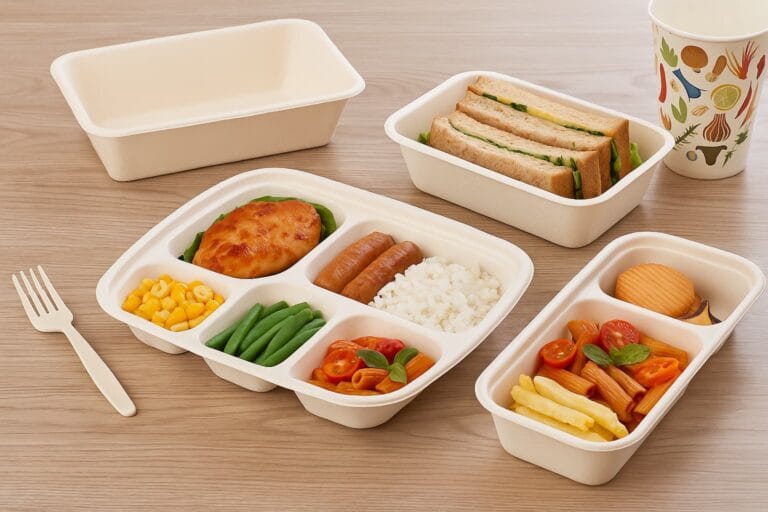
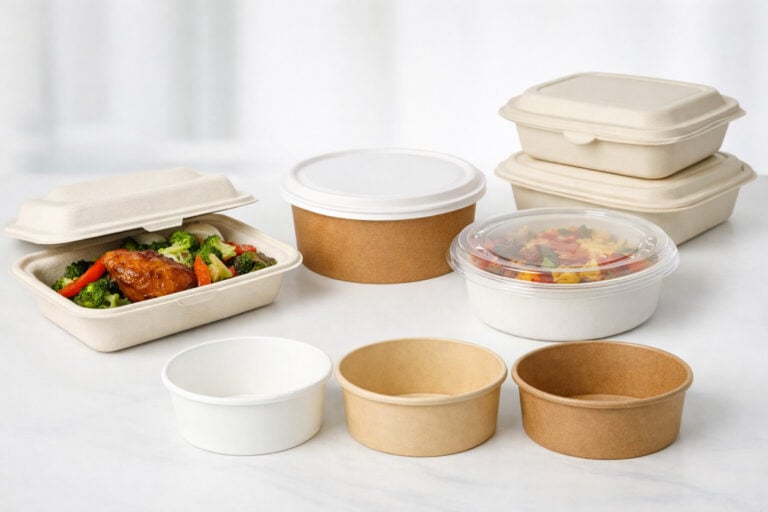
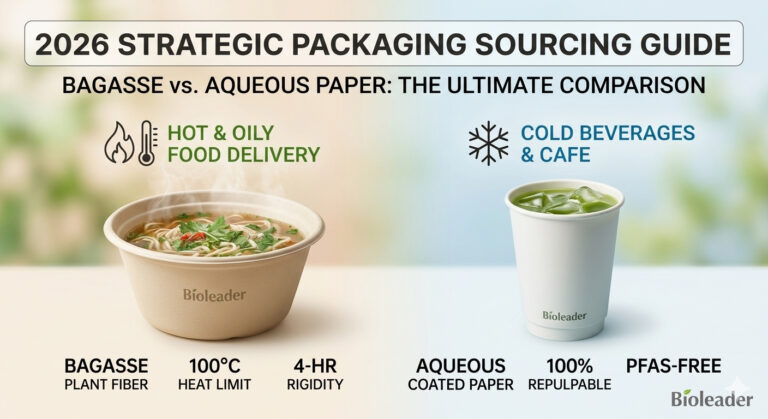
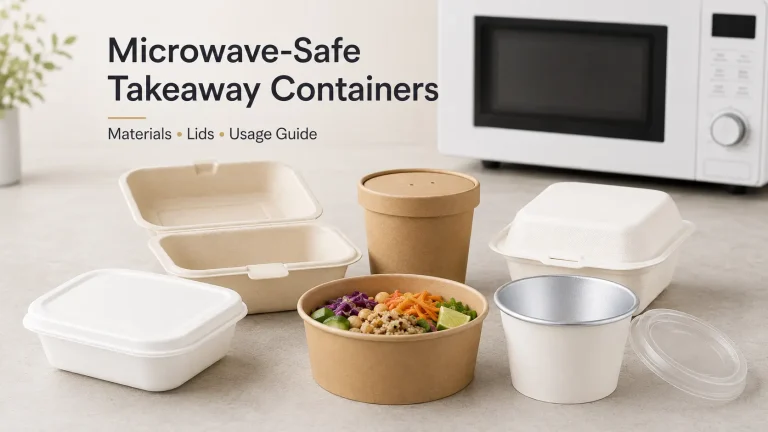
Serving as compostable food trays, our products get degraded over time when placed within activating environments, thus contributing towards minimal damage to the landfills while providing a much more environmentally friendly packaging. These bagasse food trays are not harmful to the environment which is a major shift towards a more responsible and eco-friendly practice instead of the use of plastic trays for food service — bioplastic wholesale.

1. What are eco friendly trays with lids made from?

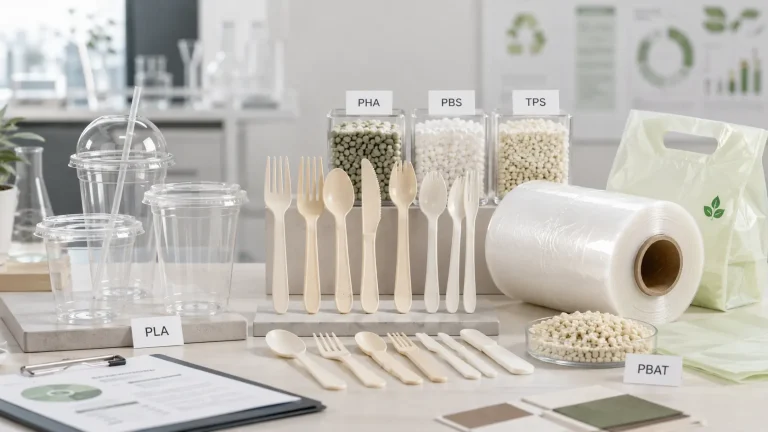
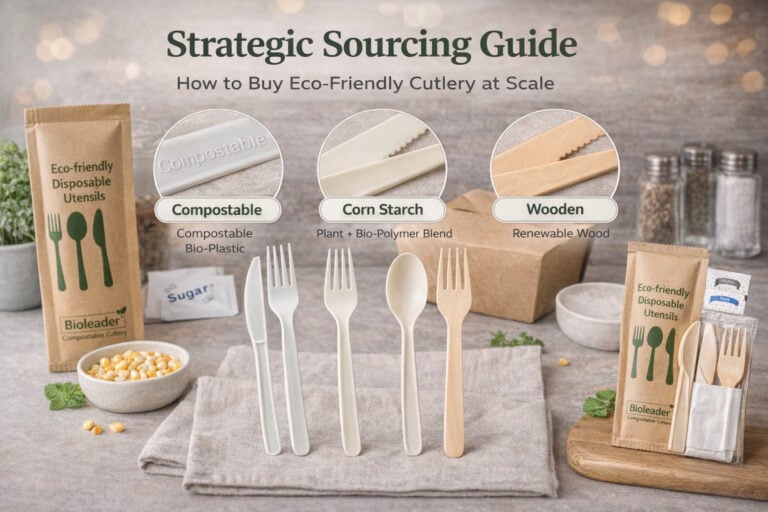
They are commonly made from compostable materials like sugarcane bagasse, bamboo fiber, kraft paper, or PLA (plant-based bioplastic). These materials are biodegradable and offer a sustainable alternative to plastic and foam trays — bioplastic wholesale.

Foldable and Trustworthy Products

We have tough and strong bagasse trays that aren’t as flimsy as other products. They maintain their shape do not get damaged if overheated and can even withstand cold conditions. This strength also ensures that they survive the challenges that arise during delivery and takeaway. Versatile Usage Our takeaway trays with lids are perfect for a variety of applications.

Raw Material Sources

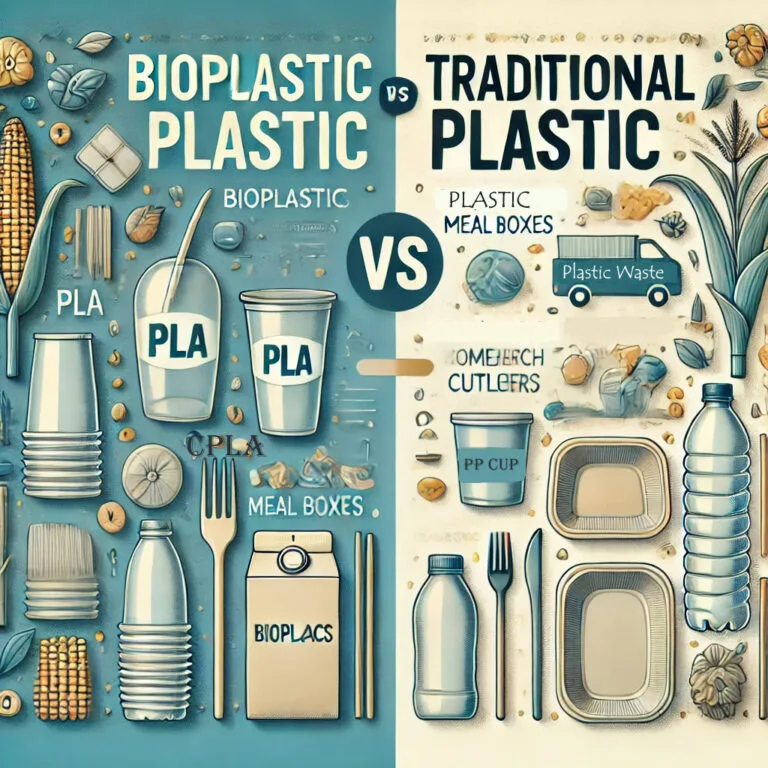
Traditional Plastics: Petrochemical feedstocks derived from crude oil or natural gas — bioplastic wholesale. Bioplastics: Renewable biological sources such as corn, sugar beet, sugarcane, or even cellulose from wood pulp. The shift from fossil fuels to renewable resources can theoretically reduce the carbon intensity of plastic production. However, some critics argue that using agricultural land for bioplastic feedstocks could compete with food production, potentially driving up food prices or leading to deforestation.

Environmental Footprint

Carbon Emissions: While the production of traditional plastics emits significant CO₂, bioplastics can sequester carbon during the feedstock growth phase. Nonetheless, the overall carbon balance depends heavily on farming practices, transportation, and the energy source used for production. Pollution and Waste: Traditional plastics persist in the environment for centuries. Bioplastics, especially those that are biodegradable or compostable, may degrade faster, though the conditions required for degradation (e.g., industrial composting facilities) are not always readily available.

Related Insights

🚀Ready to Go Green and Choose ?

Join the global movement toward zero-waste packaging.


Bioleader® offers:

  • 📦 Bulk order support & fast delivery

  • ✍️ Custom branding and OEM solutions

  • 🌍 Worldwide eco-packaging compliance

Get the Catalogue Products List  & Contact Us Now! 👉

Contact us Below

Click or drag files to this area to upload.You can upload up to 5 files.
The more details you share, the faster and more accurate our quotation will be.