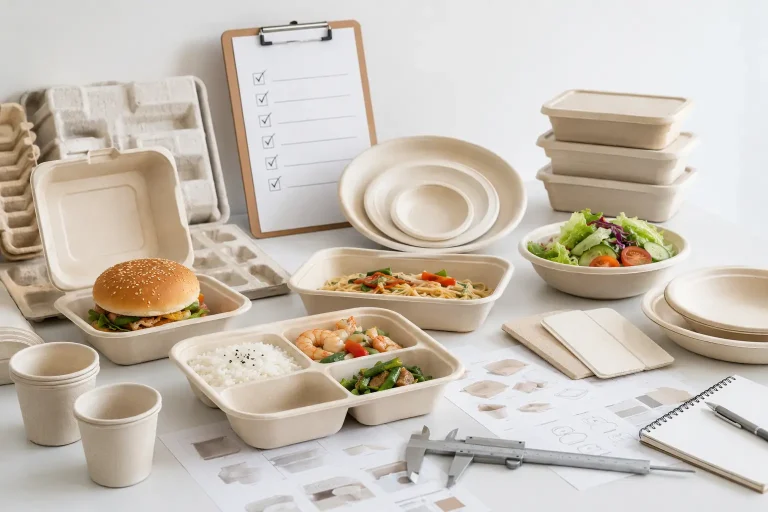
Designed with practicality in mind, our sugarcane containers are water- and oil-resistant, ensuring no leaks during transport. Whether serving soups, sauces, or greasy foods, these takeaway containers with lids deliver a mess-free experience. This reliable barrier against spills keeps food intact, offering convenience for both businesses and customers , bioplastic manufacturer.
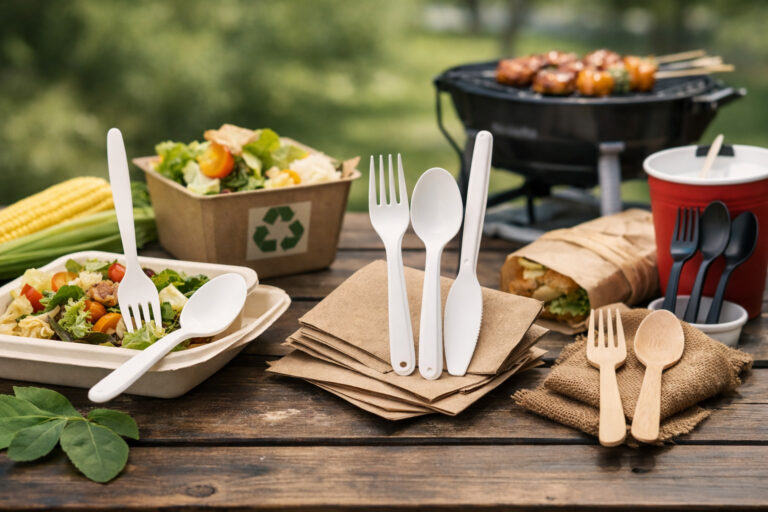
Unlike many disposable options, our sugarcane food trays are built to last throughout their intended use. Whether exposed to heat, moisture, or refrigeration, they maintain their structure and performance. This durability makes them a reliable choice for any business requiring high-quality, dependable food packaging. Multiple Uses and Applications The bagasse will save you money and the environment.
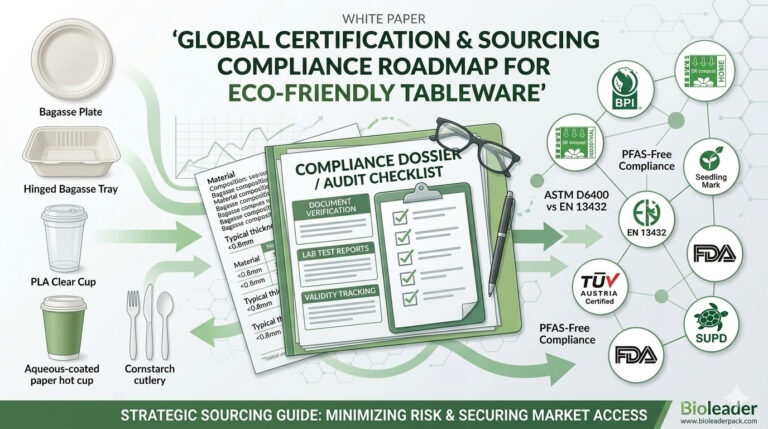
Reputable factories provide certifications such as OK Compost, BPI, TÜV Austria, EN13432, FDA, and LFGB. These ensure the trays are compostable, food-safe, and compliant with international sustainability standards. Packaging Insight: Why Choose Bioleader® Eco-Friendly Trays with Lids for Sustainable Food Packaging How do Bioleader® eco-friendly trays combine performance with sustainability? Utilizing bagasse and other renewable fibers, these trays deliver sturdy, leak-resistant food packaging that withstands hot and cold meals, while being fully compostable.
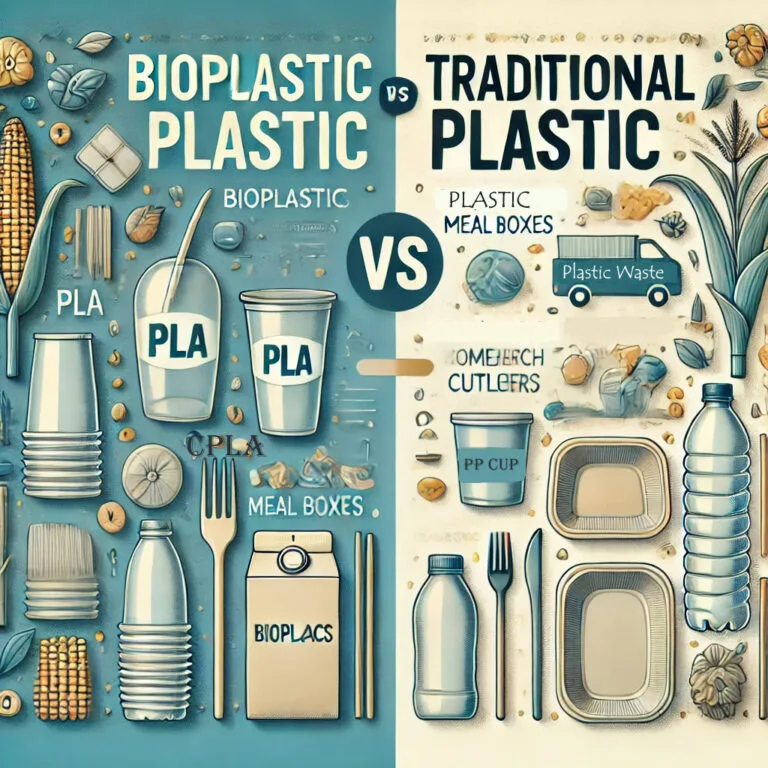
Criteria Bioplastics Traditional Plastics Raw Material Source Derived from renewable sources (e.g., cornstarch, sugarcane, algae) Produced from fossil fuels (oil, natural gas) Environmental Impact Lower carbon footprint; potential for biodegradability in industrial composting; may compete with food crops High carbon footprint; persists in the environment; generates microplastics and long-term waste Cost Higher production cost due to complex processing; prices are gradually decreasing with scaling Lower production cost; economies of scale and mature supply chains help maintain cost efficiency End-of-Life Options Some varieties are compostable under controlled conditions; recycling options are limited and depend on local infrastructure Can be recycled, but recycling rates are generally low; degrades very slowly, contributing to long-term pollution Scalability Current production capacity is relatively limited; expected to grow with increased demand driven by policy support and consumer preference Highly scalable with an established global production network; dominant in most applications despite environmental drawbacks Expert Opinions and Scientific Perspectives
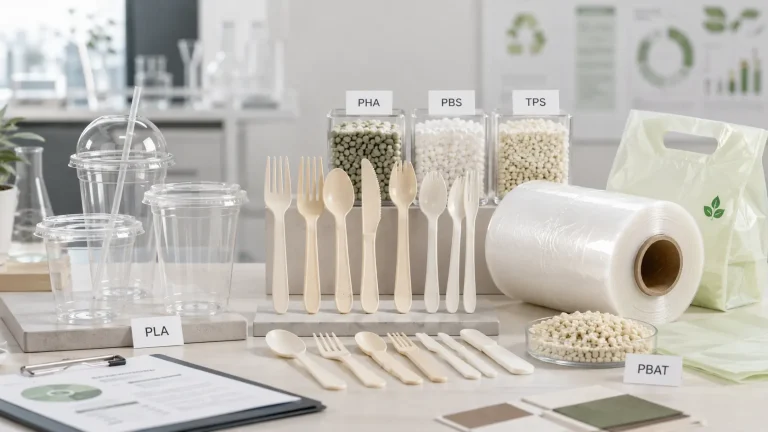
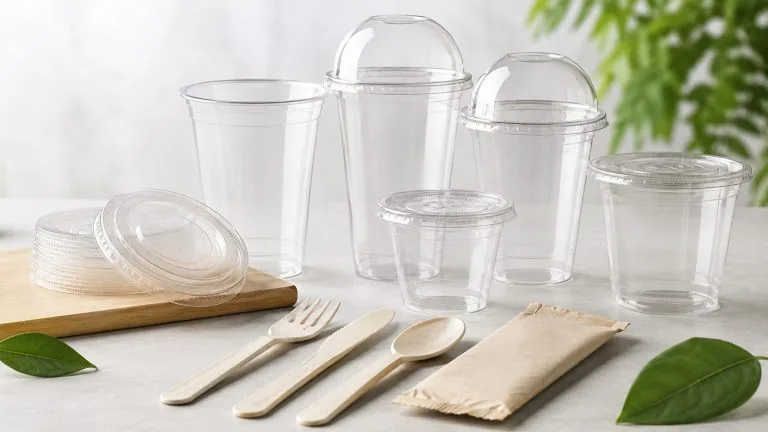
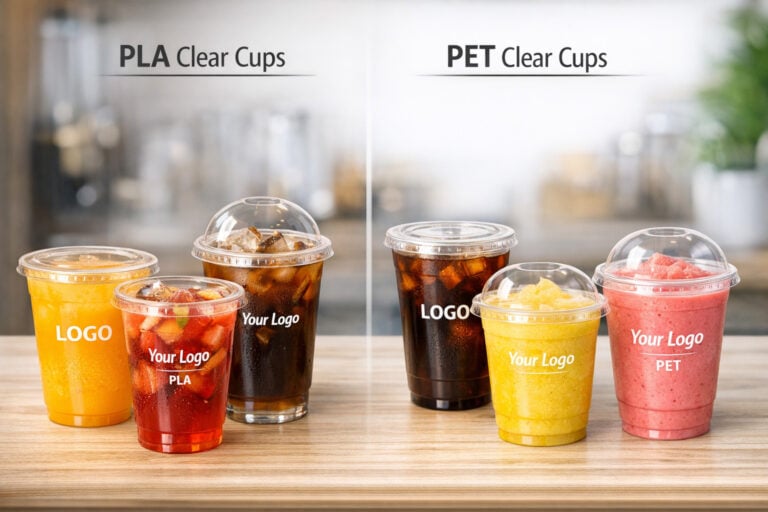
Bioplastics encompass a broad category of materials that are either bio-based, biodegradable, or both. The most common feedstocks include cornstarch, sugarcane, and potato starch, though research has also explored sources like algae and agricultural waste , bioplastic manufacturer. Some of the well-known bioplastic types are: PLA (Polylactic Acid): Often derived from cornstarch or sugarcane — bioplastic manufacturer. PLA is widely used for packaging, disposable tableware, and 3D printing filaments.
Join the global movement toward zero-waste packaging.
Bioleader® offers:
📦 Bulk order support & fast delivery
✍️ Custom branding and OEM solutions
🌍 Worldwide eco-packaging compliance
Get the Catalogue Products List & Contact Us Now! 👉
📧 Email : [email protected]
📲 WhatsApp : +86-15980856610
🟢 Wechat : bioleader
📍 Add : No.39 Xinglong Road, Xiamen, China
Copyright © 2015–2026 Xiamen Bioleader Environmental Protection Co., Ltd | All Rights Reserved. Privacy Policy | AI Policy | Sitemap
Welcome to Bioleader Pack! 🌿
👉 Get a Quick Quote, Customized & Sample Details. We're online to help with your sourcing needs!
📩 Need Catalog & Price List? Email us: [email protected]
⏰ Response within 6-12 hours.
(Due to timezone differences, if we're away, please email us or leave a message.)
Response time: < 8h | Catalog List
WhatsApp us