Biodegradable Plates Factory Vs Alternatives: Cost, Performance, Sustainability | Bioleader® Guides

Actionable coverage of biodegradable plates factory: eco-friendly, biodegradable, compostable materials, performance data, and compliance under EN13432 & ASTM D6400. Includes BPI/TÜV references and Food-Contact Tested guidance for safe deployment. Buyer-focused: manufacturer insights, bulk/wholesale buying playbooks, OEM/ODM customization tips, full size range selection.
biodegradable plates factory — Quick Summary
  • Items displayed (articles): 12
  • Last updated: 2025-03-17
  • Includes test data, compliance guides, buyer FAQs, and real-world use cases.

Editor’s Picks: Top Biodegradable Plates Factory Guides 2026

FAQ of Bioleader's Eco-friendly Disposable Tableware

Food Delivery Special Trays

The specially designed trays made from mycelium won’t get affected by oil or water which means there will be no leaks during food delivery. This incredible feature makes them suitable for numerous dishes, including those that include sauce or oil. Customers find it more appealing to order our branded takeaway trays with lids as they do not have to deal with any mess.

Leak-Proof and Oil Resistant

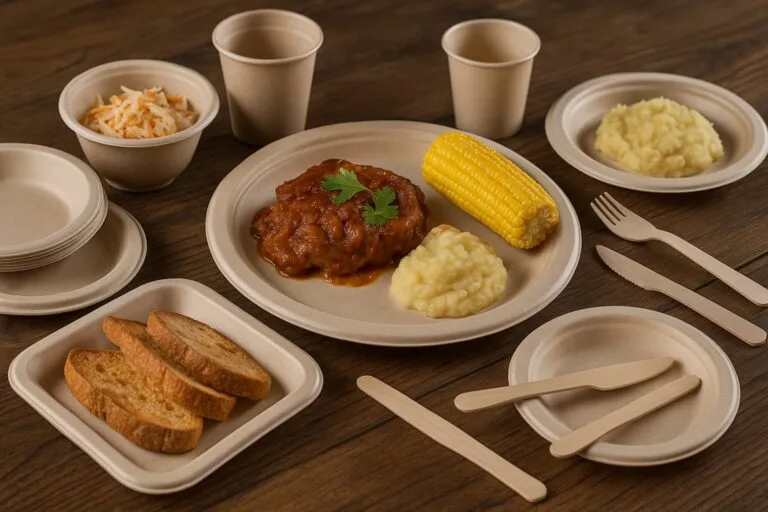
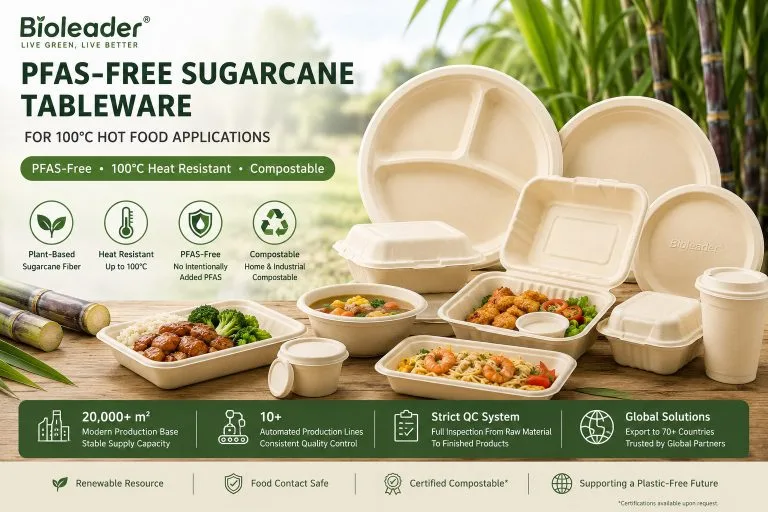
Designed with practicality in mind, our sugarcane containers are water- and oil-resistant, ensuring no leaks during transport — biodegradable plates factory. Whether serving soups, sauces, or greasy foods, these takeaway containers with lids deliver a mess-free experience. This reliable barrier against spills keeps food intact, offering convenience for both businesses and customers.

2. What materials are commonly used for takeaway trays with lids?

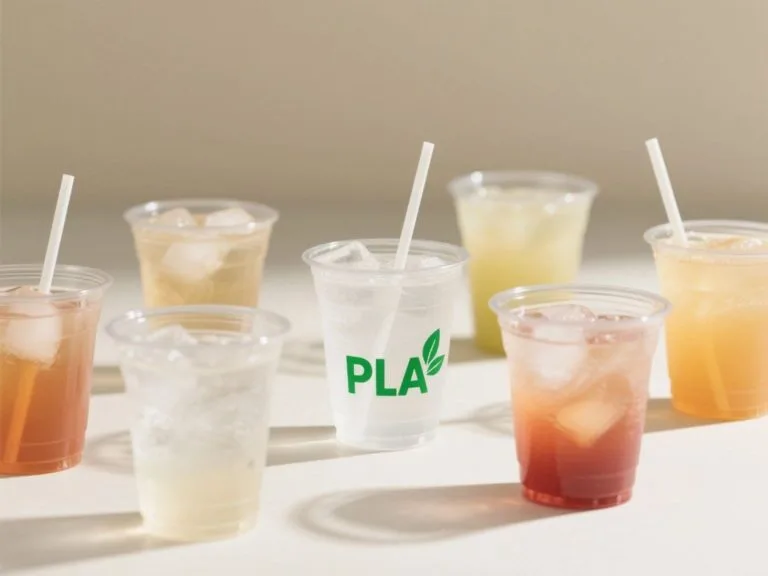
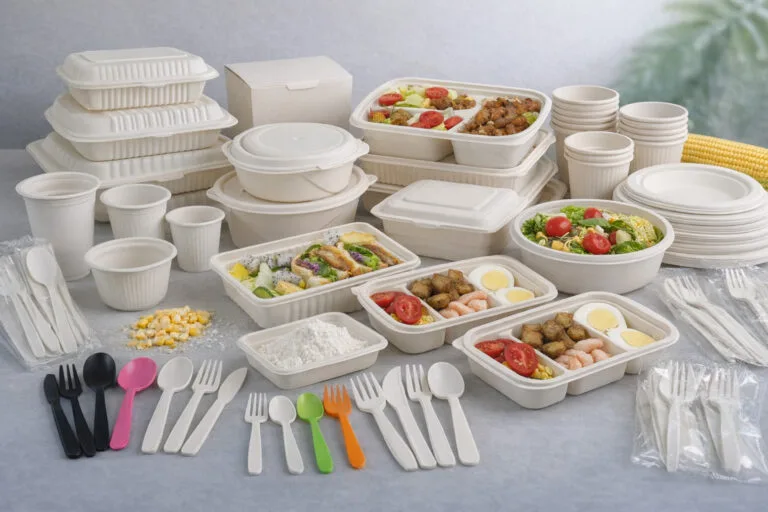
These trays are typically made from sugarcane bagasse, kraft paper, aluminum, or plastic (PP or PET). Eco-friendly versions are made from compostable materials like molded fiber or PLA, offering sustainable alternatives to plastic foam trays.

Definition and Importance

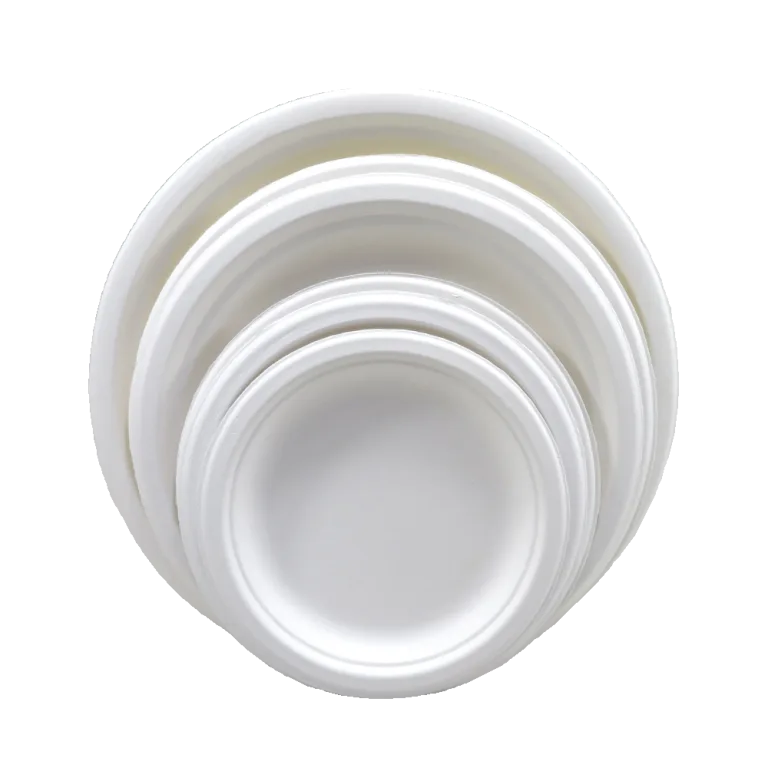
Biodegradable plates are designed to break down naturally by microorganisms, such as bacteria and fungi. Unlike traditional plastic plates, which persist in the environment for hundreds of years, these eco-friendly plates decompose within months—often under industrial composting conditions. The transformation process reduces landfill burdens and minimizes harmful residues that can leach into soil and water systems — biodegradable plates factory. This attribute makes biodegradable plates not only an environmentally responsible choice but also a crucial component in the broader strategy of sustainable waste management.

Materials Used in Biodegradable Plates

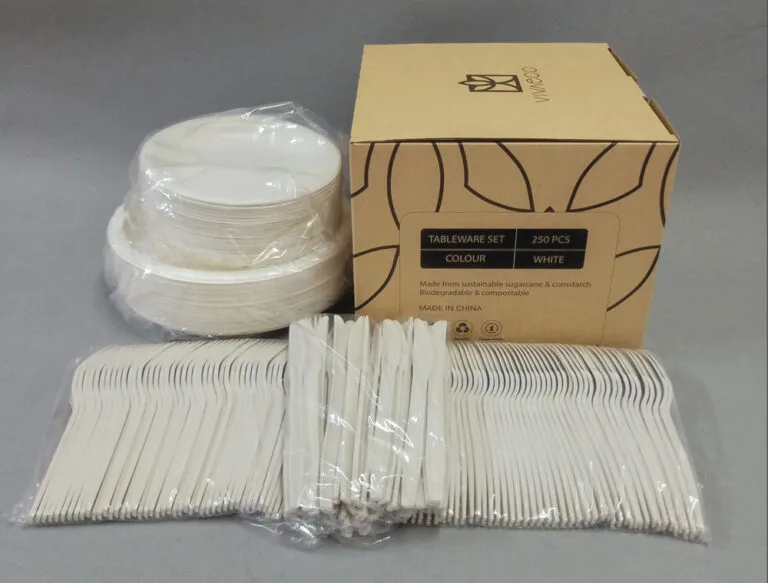
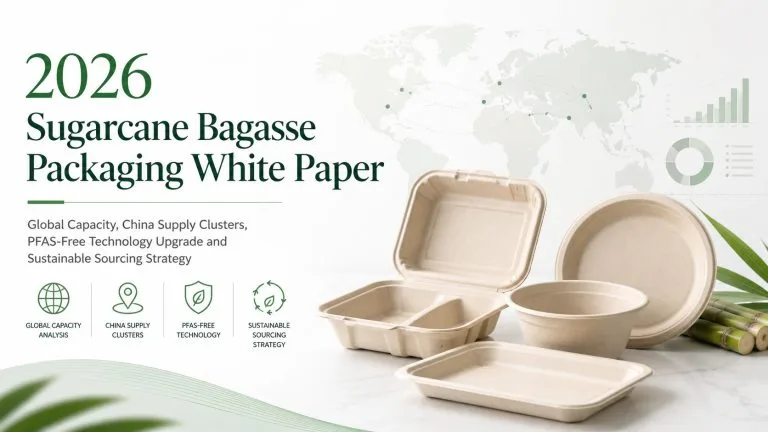
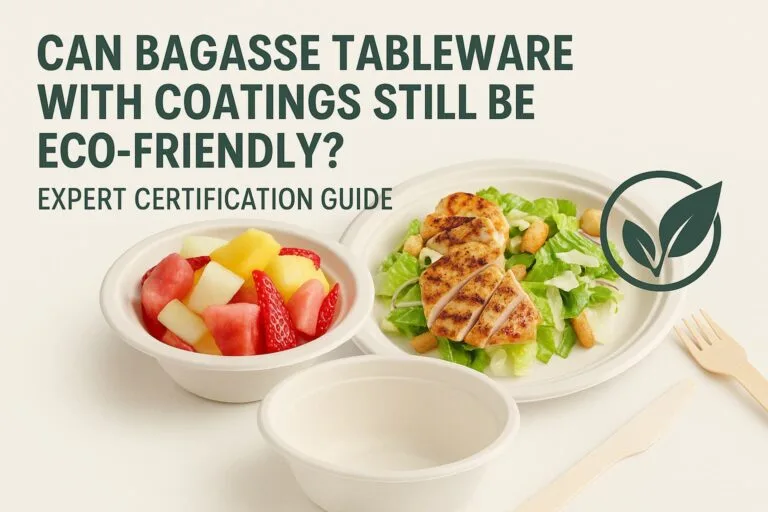
The production of biodegradable plates involves various renewable materials, each contributing unique benefits: Bagasse:A fibrous byproduct from sugarcane processing, bagasse is prized for its durability and natural compostability — biodegradable plates factory. Bagasse plates are especially popular due to their robust structure and eco-friendly credentials. Palm Leaves:Sourced from naturally fallen palm fronds, these plates are crafted without additional chemicals, maintaining a pure and rustic appeal while ensuring full biodegradability. Bamboo:Bamboo, a fast-growing renewable resource, serves as an excellent base for durable tableware that eventually decomposes without adverse environmental impacts.

Related Insights

🚀Ready to Go Green and Choose ?

Join the global movement toward zero-waste packaging.


Bioleader® offers:

  • 📦 Bulk order support & fast delivery

  • ✍️ Custom branding and OEM solutions

  • 🌍 Worldwide eco-packaging compliance

Get the Catalogue Products List  & Contact Us Now! 👉

Contact us Below

Click or drag files to this area to upload.You can upload up to 5 files.
The more details you share, the faster and more accurate our quotation will be.