Biodegradable Plastic Bowl Buy Vs Alternatives: Cost, Performance, Sustainability | Bioleader® Guides

Actionable coverage of biodegradable plastic bowl buy: eco-friendly, biodegradable, compostable materials, performance data, and compliance under EN13432 & ASTM D6400. Includes BPI/TÜV references and Food-Contact Tested guidance for safe deployment. Buyer-focused: manufacturer insights, bulk/wholesale buying playbooks, OEM/ODM customization tips, full size range selection.

Quick Summary: How to Choose Disposable Bowl Materials

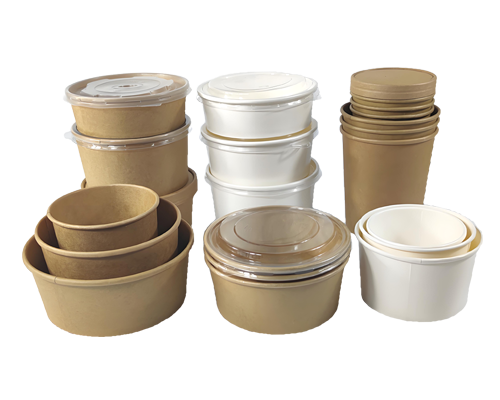
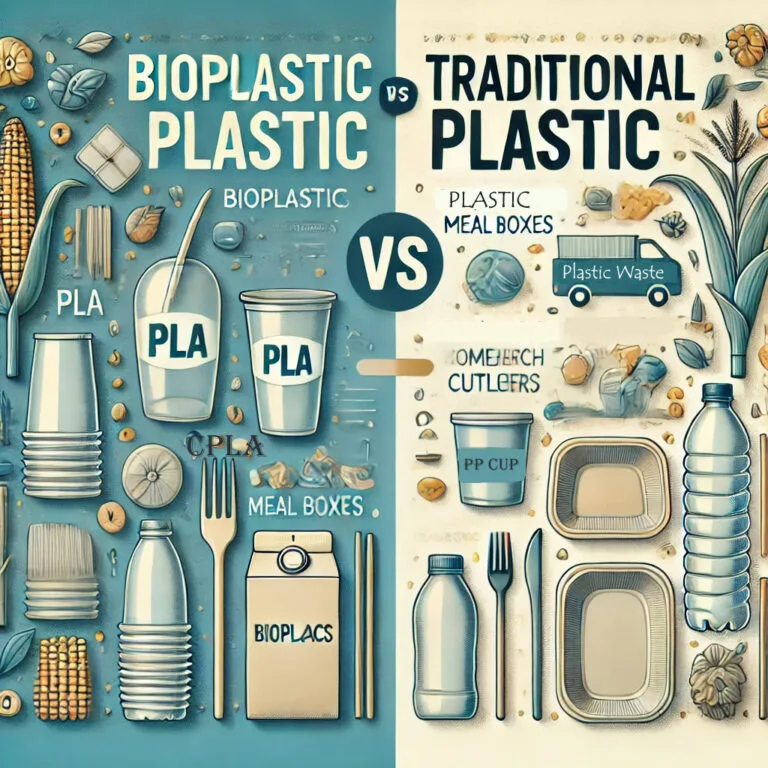
The main disposable bowl materials include standard paper, kraft paper, bamboo paper, cupstock paper, aluminum-laminated paper, sugarcane bagasse, bamboo fiber, palm leaf, wood, PLA, cornstarch-based polymers, PP, PET, polystyrene foam, and aluminum.

Best use match: paper and kraft bowls are strong for branding and light meals; bagasse works well for hot foods and takeaway meals; PLA is best for cold foods; cornstarch-based bowls depend on formula and certification; PP works for heat-resistant plastic applications; PET is mainly used for clear cold-food packaging; aluminum is useful for oven-ready meals but not microwave use.

Buyer note: Biodegradable, compostable, recyclable, microwave-safe, and PFAS-free are product-level claims. Buyers should verify coating type, material formula, food-contact reports, compostability certification, heat resistance, lid fit, and local disposal infrastructure before bulk ordering.

Recommended Products Collection:
biodegradable plastic bowl buy — Quick Summary
  • Items displayed (articles): 12
  • Last updated: 2025-02-28
  • Includes test data, compliance guides, buyer FAQs, and real-world use cases.

Editor’s Picks: Top Biodegradable Plastic Bowl Buy Guides 2026

FAQ of Bioleader's Eco-friendly Disposable Tableware

Eco Friendly, Compostable, and Biodegradable

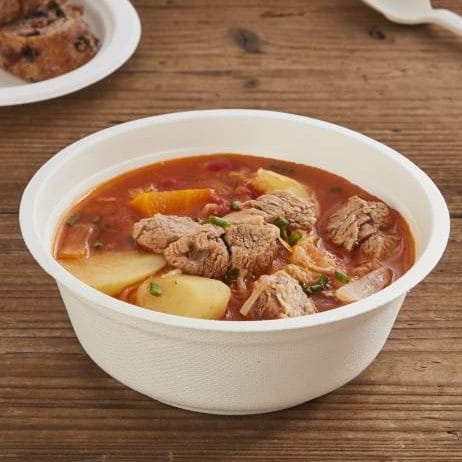
Our bagasse food trays are 100% compostable trays and biodegradable trays. They decompose naturally within a few months, reducing the burden on landfills and supporting circular waste management practices. Customers increasingly value this attribute, aligning their purchasing decisions with eco-friendly initiatives.

2. What materials are commonly used for takeaway trays with lids?

These trays are typically made from sugarcane bagasse, kraft paper, aluminum, or plastic (PP or PET) , biodegradable plastic bowl buy. Eco-friendly versions are made from compostable materials like molded fiber or PLA, offering sustainable alternatives to plastic foam trays , biodegradable plastic bowl buy.

For Takeaway, Food Packaging and Delivery

Bagasse trays serve the practical aspects of today’s food businesses, whether for takeaway, in a restaurant, or for food packaging. These disposable food trays are simple to use, effective, and give brand value by eco-friendly means for cafes, bistros, and catering of all sizes. Chinese Manufacturer and Wholesale Supply Our bagasse food trays are ideal for businesses wishing to switch to green solutions while still trying to save money, as we are a Chinese factory and manufacturer and sell them wholesale. Timely delivery and reliable food packaging have made us a desired partner for green food packaging thanks to our advanced manufacturing techniques and distribution possibilities.

1.5 Paper Laminated with Aluminum Foil

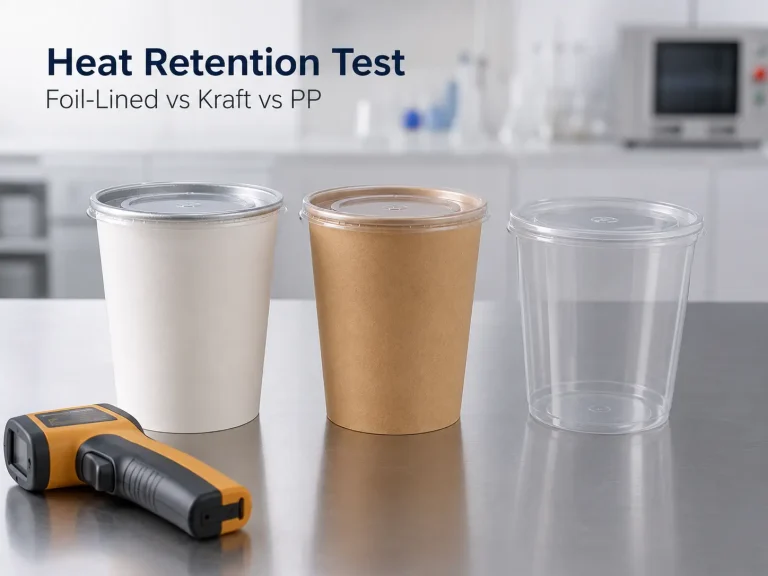
Paper laminated with aluminum foil provides superior insulation and moisture resistance. These bowls are ideal for holding greasy foods or keeping food warm. However, the aluminum foil makes them difficult to recycle. Pros: Excellent heat retention and moisture resistance Great for hot and greasy foods Insulates well to maintain food temperature Cons: Aluminum foil makes recycling challenging Not compostable due to the mixed material structure Higher cost due to additional processing   2.

1.2 Kraft Paper

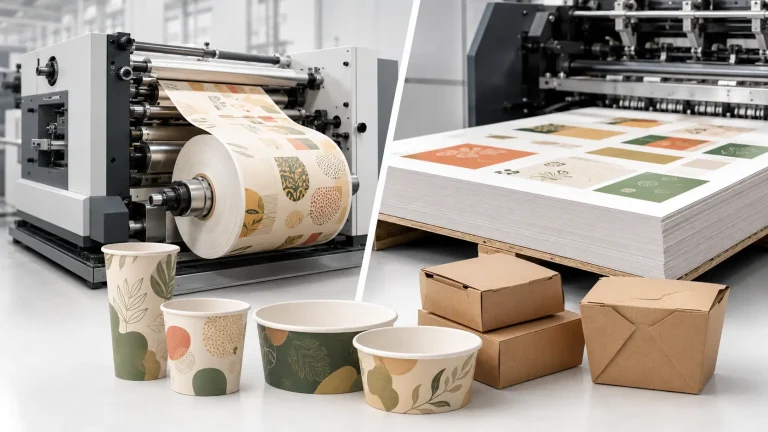
Kraft paper is made from unbleached wood pulp and is known for its strength and durability. It is typically used for takeout bowls containing heavier foods — biodegradable plastic bowl buy. Kraft paper bowls are often biodegradable and recyclable, though their environmental impact depends on the coating used. Pros: Durable and tear-resistant Often unbleached, making it more environmentally friendly than bleached alternatives Suitable for heavier, greasy foods Cons: Usually requires a plastic or wax coating to hold liquids Not always recyclable if the coating is non-compostable

Related Insights

🚀Ready to Go Green and Choose ?

Join the global movement toward zero-waste packaging.


Bioleader® offers:

  • 📦 Bulk order support & fast delivery

  • ✍️ Custom branding and OEM solutions

  • 🌍 Worldwide eco-packaging compliance

Get the Catalogue Products List  & Contact Us Now! 👉

Contact us Below

Click or drag files to this area to upload.You can upload up to 5 files.
The more details you share, the faster and more accurate our quotation will be.