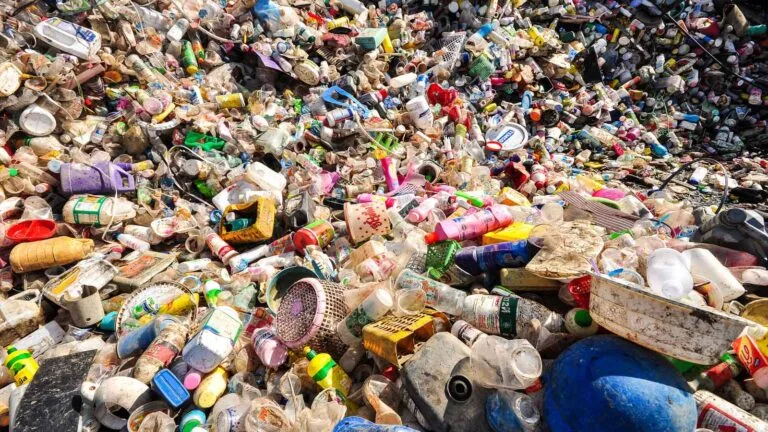
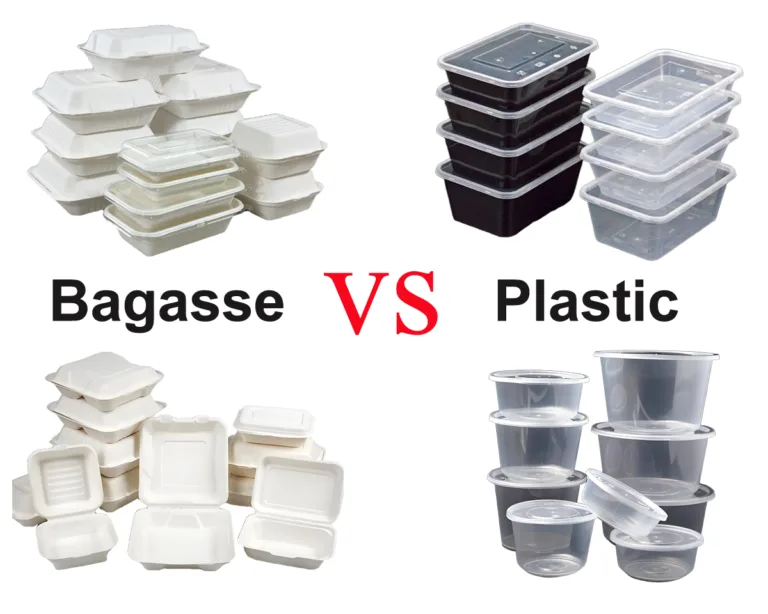
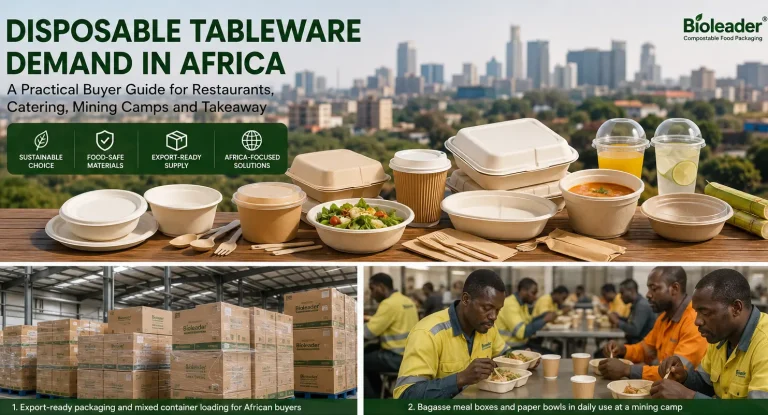
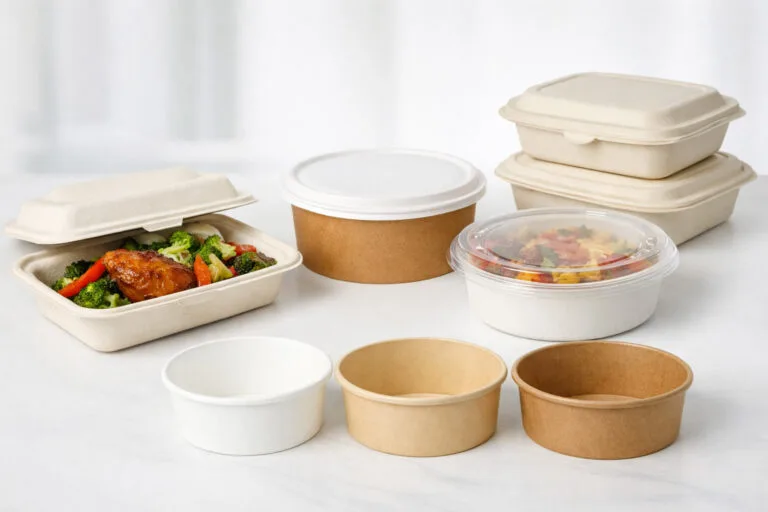
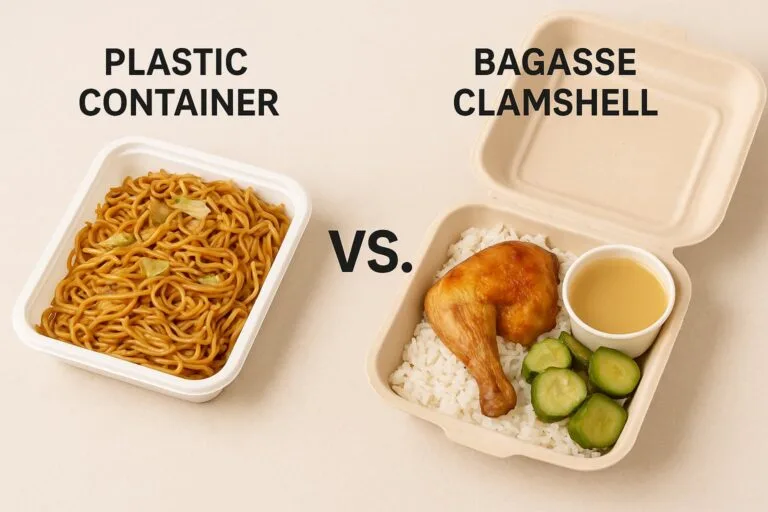
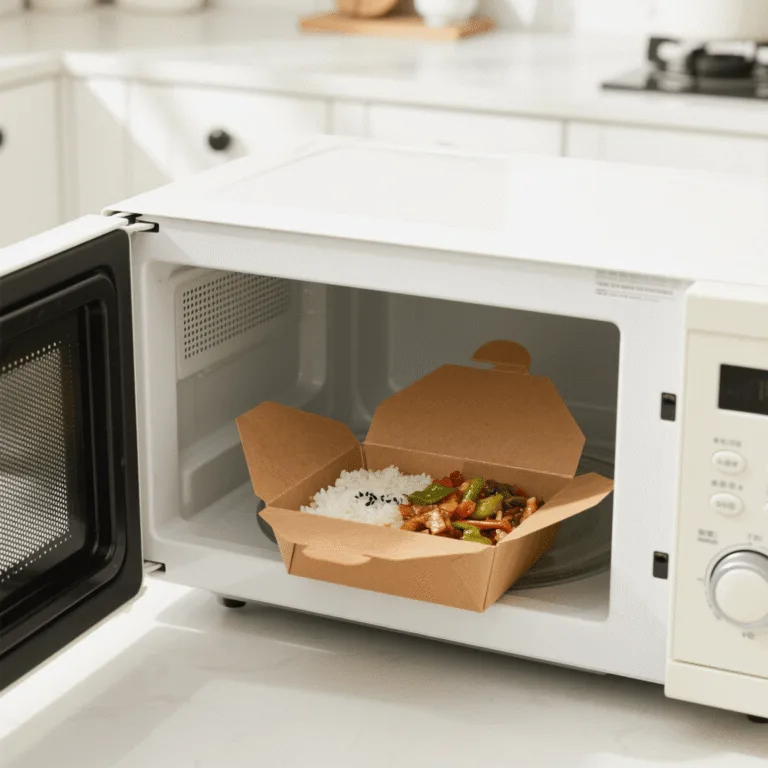
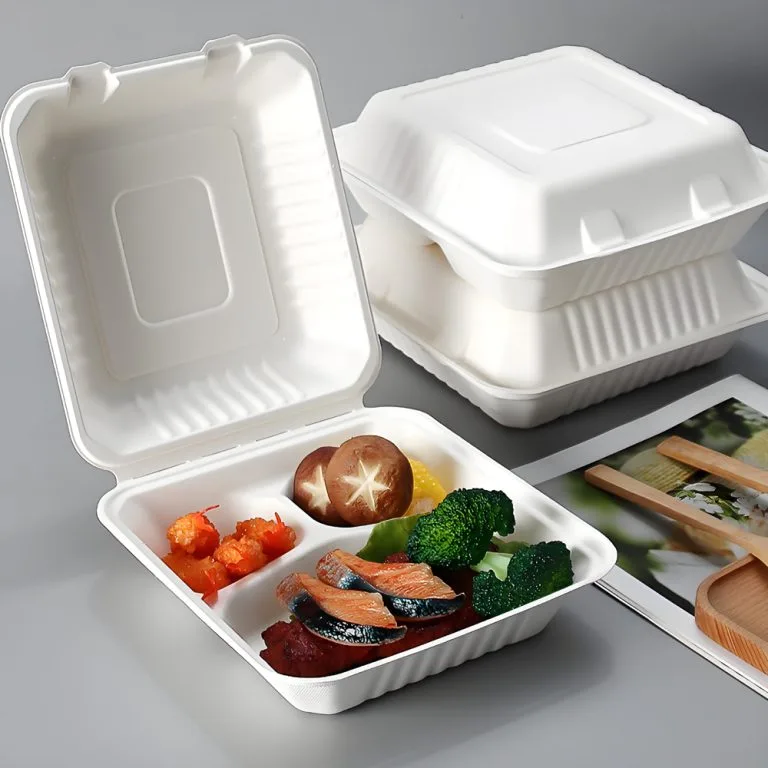
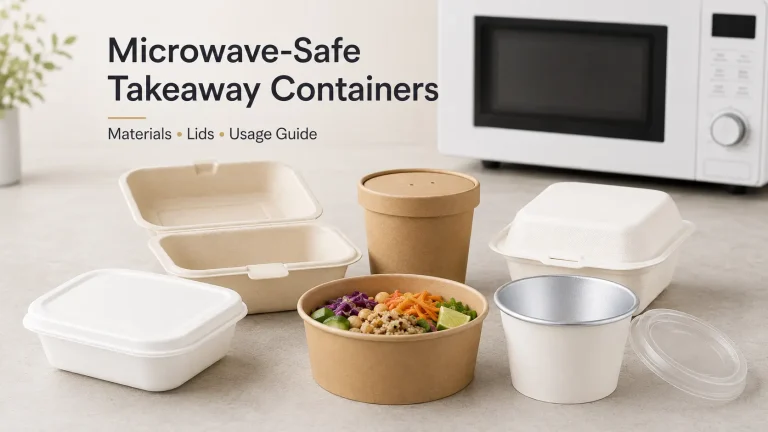
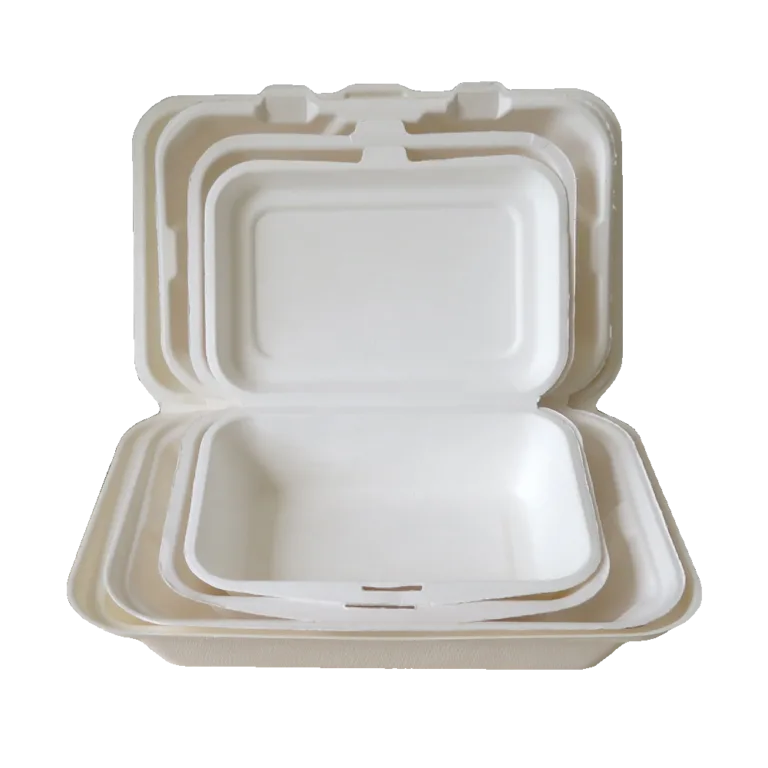
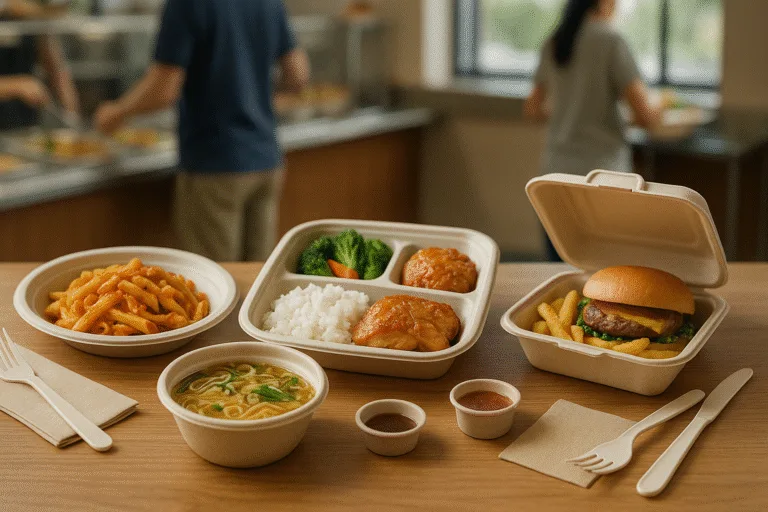
“Biodegradability of Sugarcane Bagasse-based Materials” – ResearchGate “The Environmental Impact of Plastic Packaging” – ScienceDirect “Comparison of Biodegradable and Plastic Packaging: A Lifecycle Analysis” – Journal of Sustainable Materials “Microplastic Contamination in Food Packaging” – Environmental Research Journal “The Future of Sustainable Packaging: Trends and Innovations” – Forbes “Government Regulations on Plastic Bans” – World Economic Forum “The Rise of Compostable Packaging in the Food Industry” – National Geographic { “@context”: “https://schema.org”, “@type”: “FAQPage”, “mainEntity”: [ { “@type”: “Question”, “name”: “What is bagasse, and how is it used in food packaging?”, “acceptedAnswer”: { “@type”: “Answer”, “text”: “Bagasse is the fibrous residue left after extracting juice from sugarcane. Instead of being discarded as waste, it is repurposed to create biodegradable and compostable food containers, offering a sustainable alternative to plastic packaging.” }}, { “@type”: “Question”, “name”: “Are bagasse food containers safe for hot and cold foods?”, “acceptedAnswer”: { “@type”: “Answer”, “text”: “Yes, bagasse containers are heat-resistant and safe for hot and cold foods. They can be used in microwaves and freezers without compromising their structural integrity or safety.” } }, { “@type”: “Question”, “name”: “How long does it take for a bagasse container to decompose?”, “acceptedAnswer”: { “@type”: “Answer”, “text”: “Under industrial composting conditions, bagasse containers typically decompose within 60 to 90 days. In natural environments, the breakdown time may vary depending on temperature, moisture, and microbial activity.” } }, { “@type”: “Question”, “name”: “How do bagasse containers compare to plastic in terms of cost?”, “acceptedAnswer”: { “@type”: “Answer”, “text”: “Bagasse containers are currently more expensive than plastic due to production processes and limited large-scale manufacturing.