Trends In Bagasse Tableware Wholesale: Market Insights, Innovations & FAQs | Bioleader® Guides

Actionable coverage of bagasse tableware wholesale: eco-friendly, biodegradable, compostable materials, performance data, and compliance under EN13432 & ASTM D6400. Includes BPI/TÜV references and Food-Contact Tested guidance for safe deployment. Buyer-focused: manufacturer insights, bulk/wholesale buying playbooks, OEM/ODM customization tips, full size range selection.
Quick Summary: This comprehensive guide helps restaurants, cafés, and foodservice brands select the right compostable tableware — comparing materials, performance, cost, and certifications, with data-backed insights and Bioleader® product recommendations.
bagasse tableware wholesale — Quick Summary
  • Items displayed (articles): 12
  • Last updated: 2025-10-27
  • Includes test data, compliance guides, buyer FAQs, and real-world use cases.

Editor’s Picks: Top Bagasse Tableware Wholesale Guides 2026

FAQ of Bioleader's Eco-friendly Disposable Tableware

FSC-certified Wood Paper Materials: Kraft Paper and White Cardboard Paper

Our to go bowls with lids are made from two main types of materials: Kraft paper and white cardboard paper. Kraft paper is brown and more coarse than most papers and has high toughness and some water-resistant properties which make it good for holding medium-to-heavy and medium-hot food items. Conversely, the white cardboard paper provides an aesthetic appeal even as it remains tough. Both of these materials can be recycled and are environmentally friendly – a fact that helps in the packaging design that conforms to the current green principles and yet maintains the needed standard.

Are they safe for microwave heating?

Yes, these compostable bowls can be used in the microwave to reheat the food in the same container in which it was packed.

Can you make them and put my logo on them?

Yes, there is the option of full customization including branding. Please reach out to us to discuss the possibilities of branding our bowls.

Extended Expert Insights and Trends

Industry experts agree that both bamboo and bagasse are transformative in reducing plastic waste. Research shows that using these materials improves production efficiency by around 20% in some cases, thanks to standardized processing methods , bagasse tableware wholesale. Experts note: Sustainability: Bagasse’s utilization of waste aligns with circular economy principles, while bamboo’s rapid regrowth contributes to long-term carbon sequestration. Cost vs — bagasse tableware wholesale.

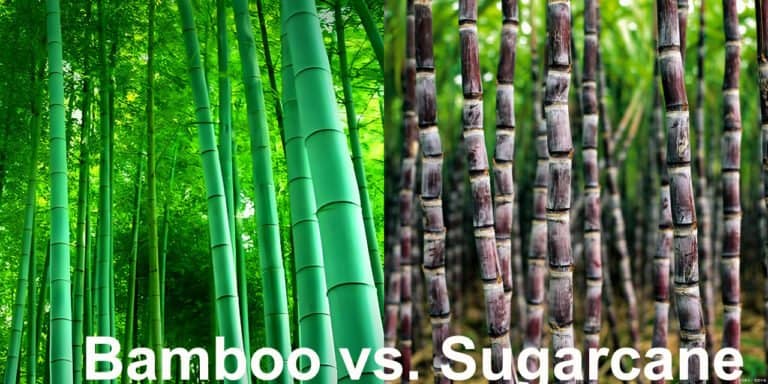
Comparison Table: Bamboo vs. Sugarcane Bagasse

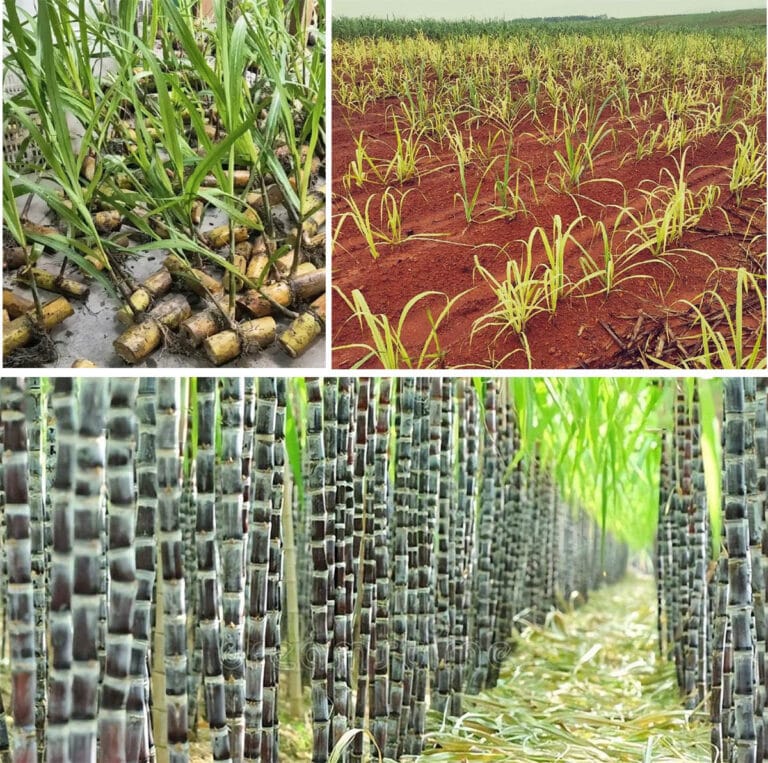
Feature Bamboo Sugarcane Bagasse Raw Material Grown specifically as a fast-renewable resource Waste byproducts from sugar extraction Growth Rate Extremely fast (up to 35 inches/day in some species) Depends on sugarcane harvest cycles Durability High strength and rigidity; reusable options Sufficient for single-use; less durable than bamboo Cost Generally higher due to processing complexities More economical and cost-effective Environmental Impact Excellent carbon sequestration, renewable Reduces waste, leverages existing byproducts Applications Cutlery, plates, bowls, packaging trays Plates, bowls, clamshell boxes, takeout containers Processing Energy-intensive pulping and molding Efficient molding using heat and pressure at sugar mills Compostability Fully compostable (if untreated) Breaks down quickly in composting environments Bamboo vs , bagasse tableware wholesale. Sugar Cane   Material Comparison: Properties and Processing

Related Insights

🚀Ready to Go Green and Choose ?

Join the global movement toward zero-waste packaging.


Bioleader® offers:

  • 📦 Bulk order support & fast delivery

  • ✍️ Custom branding and OEM solutions

  • 🌍 Worldwide eco-packaging compliance

Get the Catalogue Products List  & Contact Us Now! 👉

Contact us Below

Click or drag files to this area to upload.You can upload up to 5 files.
The more details you share, the faster and more accurate our quotation will be.