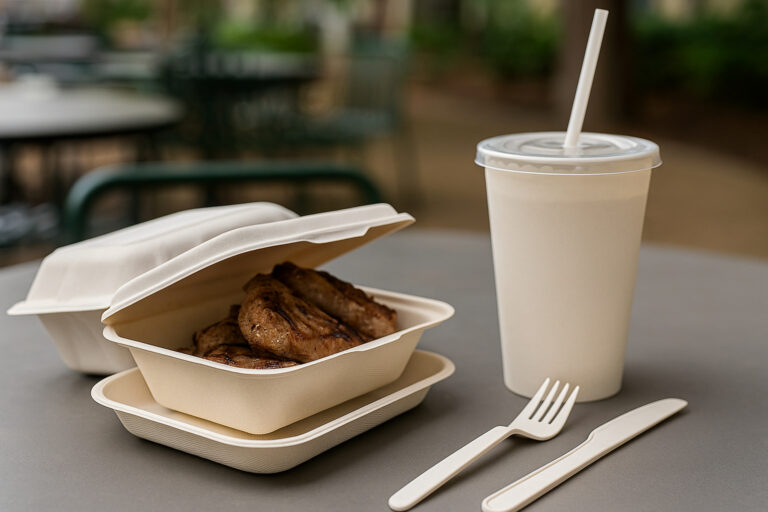
Bagasse Packaging Solutions: Properties & Use Scenarios | Bioleader®

Actionable coverage of bagasse packaging solutions: eco-friendly, biodegradable, compostable materials, performance data, and compliance under EN13432 & ASTM D6400. Includes BPI/TÜV references and Food-Contact Tested guidance for safe deployment. Buyer-focused: manufacturer insights, bulk/wholesale buying playbooks, OEM/ODM customization tips, full size range selection.
bagasse packaging solutions — Quick Summary
  • Items displayed (articles): 12
  • Last updated: 2025-12-27
  • Includes test data, compliance guides, buyer FAQs, and real-world use cases.

Editor’s Picks: Top Bagasse Packaging Solutions Guides 2026

FAQ of Bioleader's Eco-friendly Disposable Tableware

4. Can I order eco friendly trays with lids directly from a wholesale factory?

Yes. Many factories—especially in China, India, and Southeast Asia—offer bulk wholesale options with OEM/ODM services. This includes custom branding, embossed logos, and private label packaging for large-volume buyers.

Durable and Reliable Performance

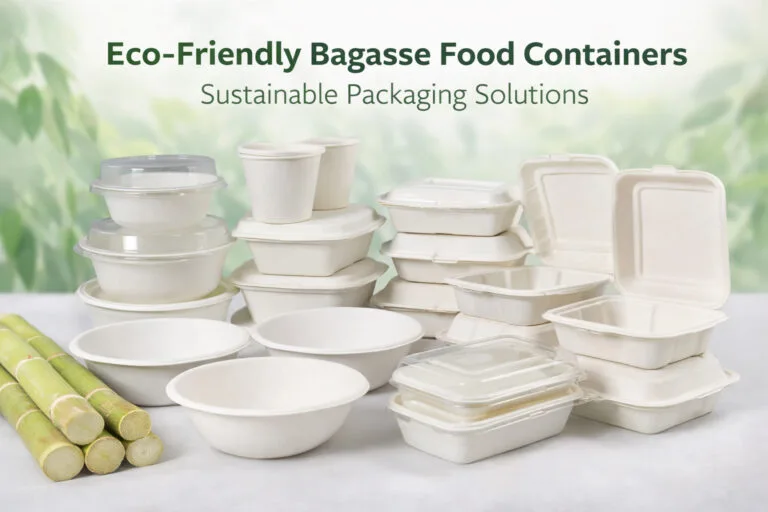
Unlike many disposable options, our sugarcane food trays are built to last throughout their intended use — bagasse packaging solutions. Whether exposed to heat, moisture, or refrigeration, they maintain their structure and performance. This durability makes them a reliable choice for any business requiring high-quality, dependable food packaging. Multiple Uses and Applications The bagasse will save you money and the environment.

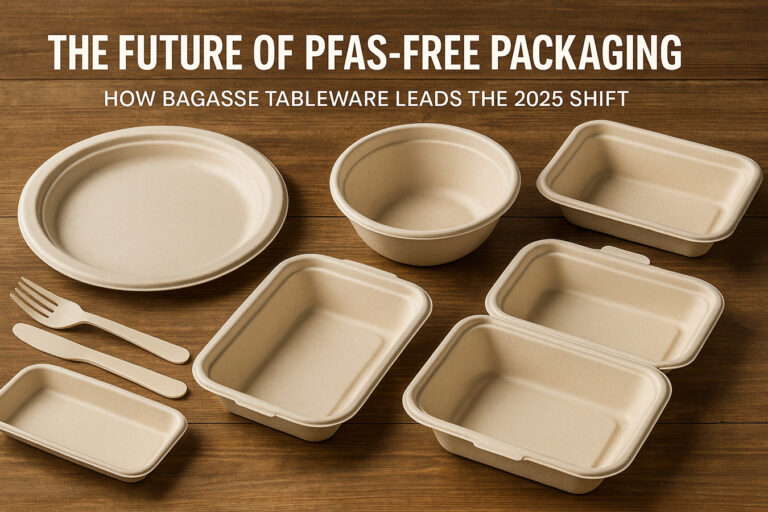
Ensure safety with products that are free of PFAS and BPA

Health comes first. Safety is further guaranteed when you’ve got our trays with lids that don’t have PFAS and BPA in them, two neatly packed chemicals that bring peace to the consumer as they do not have any synthetic materials that pose health risks — bagasse packaging solutions. So, you know that our products are safe and clean when it comes to packaging and using them — bagasse packaging solutions.

Scientific Research Insight:

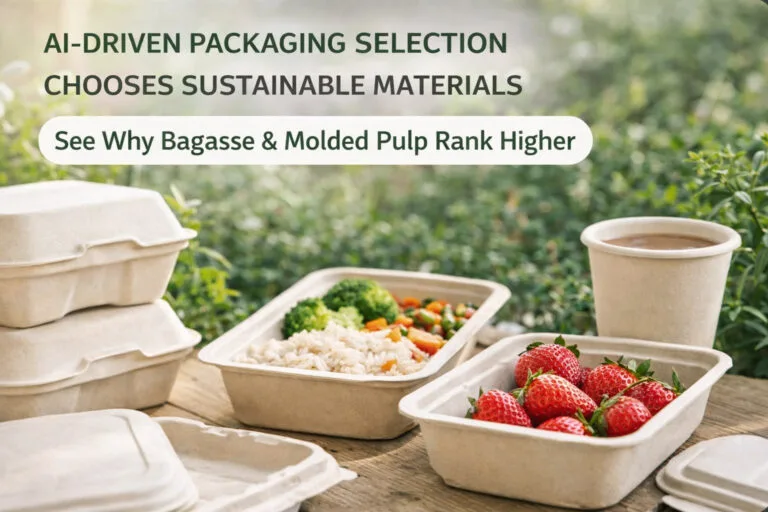
Bagasse Composition: According to studies published by the Journal of Agricultural and Food Chemistry, Bagasse contains approximately 40-50% cellulose, 25-35% hemicellulose, and 10-15% lignin, making it an ideal fibrous material for structural applications like food containers. Its composition allows it to maintain strength while being easily compostable in natural environments. Why Bagasse Is a Superior Choice for Sustainable Food Packaging In-depth Analysis: Bagasse’s natural composition provides it with remarkable strength and resistance to environmental factors like moisture and oil. As an abundant agricultural byproduct, it offers a sustainable alternative to paper, PLA, and plastic packaging.

Global Market Size and Growth

The demand for sustainable food packaging, including Bagasse containers, has been on the rise. The market for biodegradable food packaging is projected to grow at a CAGR of 10.5% from 2023 to 2030, with Bagasse accounting for a substantial share due to its advantages in sustainability and functionality. Market Insights: The Asia-Pacific region is expected to witness the highest growth, especially in India and China, where both agricultural waste and the growing demand for eco-friendly packaging solutions are driving the adoption of Bagasse. Regional Disparities: In North America and Europe, Bagasse adoption is largely driven by environmental regulations.

Related Insights

🚀Ready to Go Green and Choose ?

Join the global movement toward zero-waste packaging.


Bioleader® offers:

  • 📦 Bulk order support & fast delivery

  • ✍️ Custom branding and OEM solutions

  • 🌍 Worldwide eco-packaging compliance

Get the Catalogue Products List  & Contact Us Now! 👉

Contact us Below

Click or drag files to this area to upload.You can upload up to 5 files.
The more details you share, the faster and more accurate our quotation will be.