Trends In Bagasse In Biorefineries: Market Insights, Innovations & FAQs | Bioleader® Sustainable Packaging

Actionable coverage of Bagasse in Biorefineries: eco-friendly, biodegradable, compostable materials, performance data, and compliance under EN13432 & ASTM D6400. Includes BPI/TÜV references and Food-Contact Tested guidance for safe deployment. Buyer-focused: manufacturer insights, bulk/wholesale buying playbooks, OEM/ODM customization tips, full size range selection.
Bagasse in Biorefineries — Quick Summary
  • Items displayed (articles): 12
  • Last updated: 2025-02-08
  • Includes test data, compliance guides, buyer FAQs, and real-world use cases.

Editor’s Picks: Top Bagasse In Biorefineries Guides 2026

FAQ of Bioleader's Eco-friendly Disposable Tableware

Eco-Friendly, Compostable, and Biodegradable

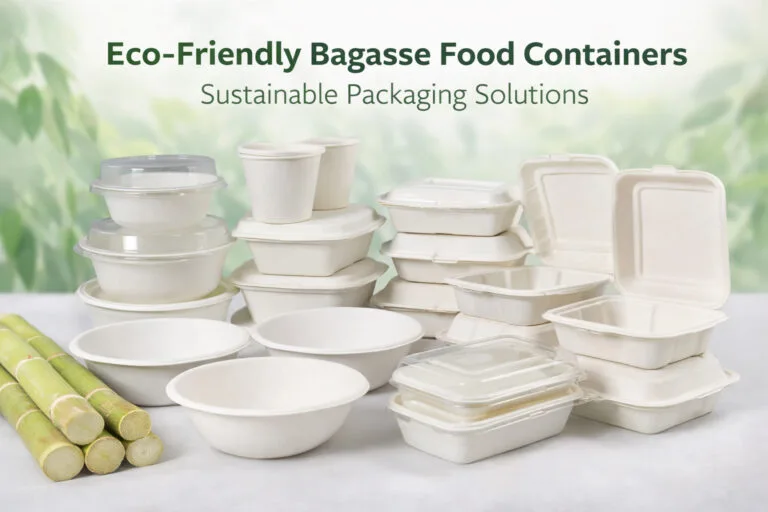
Our molded pulp trays are fully compostable and biodegradable. They naturally break down within a few months, supporting a circular economy and reducing landfill burden. This makes our sugarcane pulp trays an excellent choice for eco-conscious consumers and businesses looking to adopt sustainable practices.

Eco-Friendly and Biodegradable

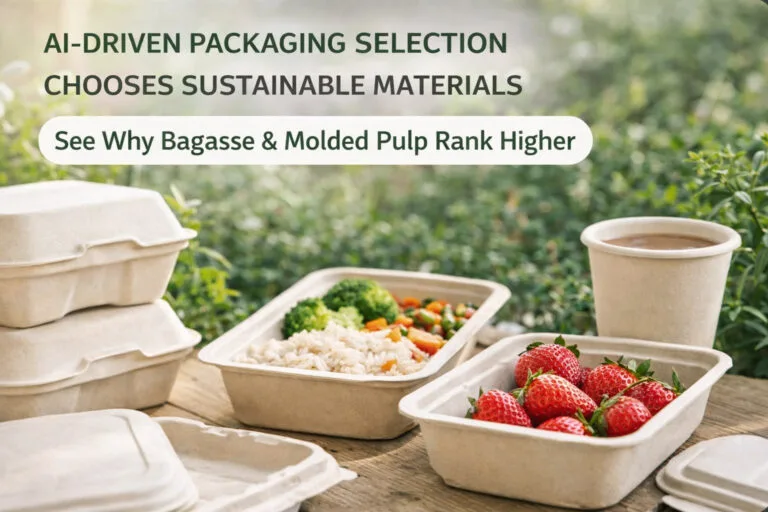
Serving as compostable food trays, our products get degraded over time when placed within activating environments, thus contributing towards minimal damage to the landfills while providing a much more environmentally friendly packaging , Bagasse in Biorefineries. These bagasse food trays are not harmful to the environment which is a major shift towards a more responsible and eco-friendly practice instead of the use of plastic trays for food service.

The Production Process: Paper Pulp Molding As Advantageous For Rigid Structures

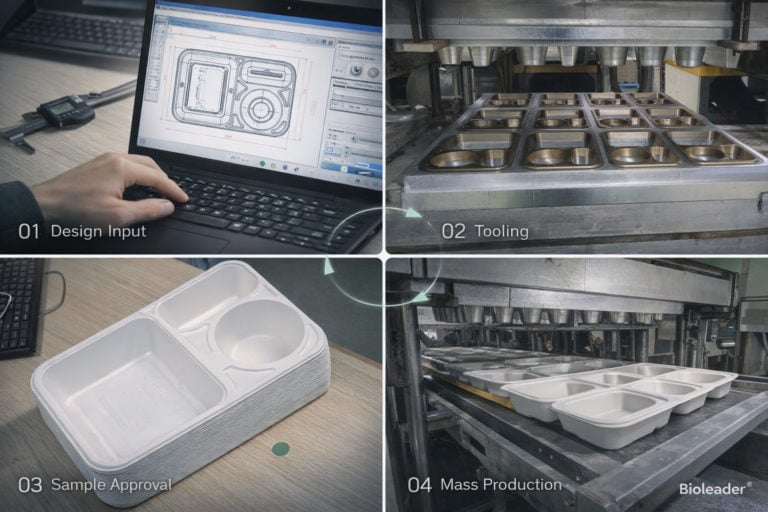
The compostable fiber bowls we manufacture are done so through the sugarcane pulp process , Bagasse in Biorefineries. This entails placing sugarcane pulp in certain molds before being subjected to vast amounts of pressure. The end product is highly durable and has the ability to retain its shape even when subjected to sauces and greases — Bagasse in Biorefineries.

What are the environmental benefits of using bagasse?

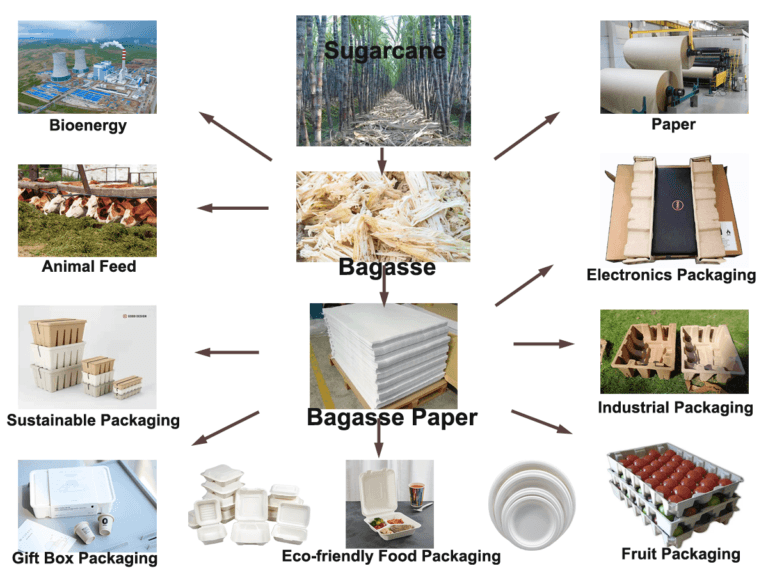
Bagasse reduces agricultural waste, lowers greenhouse gas emissions, and supports circular economy practices by transforming byproducts into value-added sustainable goods.

How is bagasse converted into energy?

Bagasse is burned in cogeneration systems at sugar mills to produce steam and electricity, reducing dependence on fossil fuels and improving energy efficiency.

Related Insights

🚀Ready to Go Green and Choose ?

Join the global movement toward zero-waste packaging.


Bioleader® offers:

  • 📦 Bulk order support & fast delivery

  • ✍️ Custom branding and OEM solutions

  • 🌍 Worldwide eco-packaging compliance

Get the Catalogue Products List  & Contact Us Now! 👉

Contact us Below

Click or drag files to this area to upload.You can upload up to 5 files.
The more details you share, the faster and more accurate our quotation will be.