Bagasse Containers Manufacturer Vs Alternatives: Cost, Performance, Sustainability | Bioleader® Sustainable Packaging

Actionable coverage of Bagasse Containers Manufacturer: eco-friendly, biodegradable, compostable materials, performance data, and compliance under EN13432 & ASTM D6400. Includes BPI/TÜV references and Food-Contact Tested guidance for safe deployment. Buyer-focused: manufacturer insights, bulk/wholesale buying playbooks, OEM/ODM customization tips, full size range selection.
Bagasse Containers Manufacturer — Quick Summary
  • Items displayed (articles): 12
  • Last updated: 2025-07-20
  • Includes test data, compliance guides, buyer FAQs, and real-world use cases.

Editor’s Picks: Top Bagasse Containers Manufacturer Guides 2026

FAQ of Bioleader's Eco-friendly Disposable Tableware

PFAS Free and BPA Free

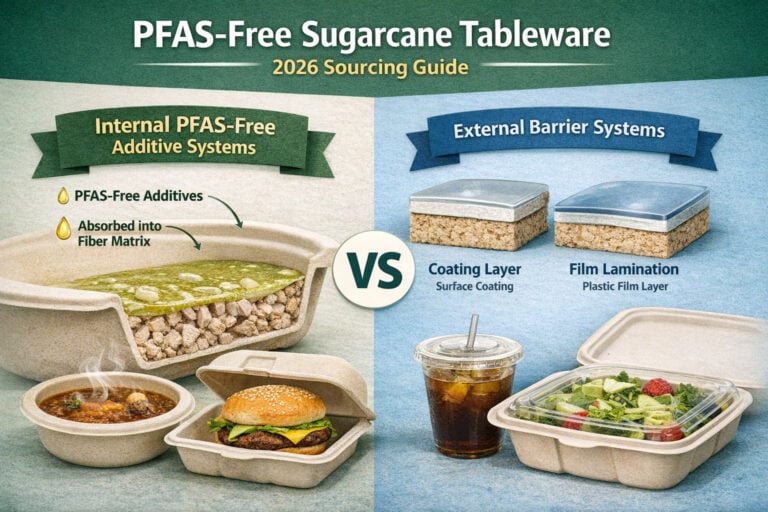
Our sugarcane food trays are free from PFAS and BPA which ensures that the food is not leached with any harmful chemicals , Bagasse Containers Manufacturer. This importance given to health and safety is what sets our compostable trays apart from a large number of disposable products found in the market. When using our trays, it is possible to consider the health and safety of clients and you are easily able to position your image as a business that cares about health.

1. What are bagasse food trays made from?

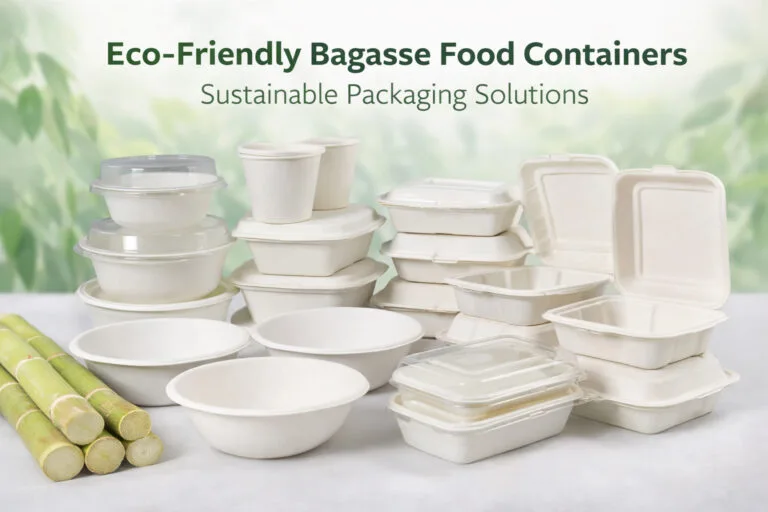
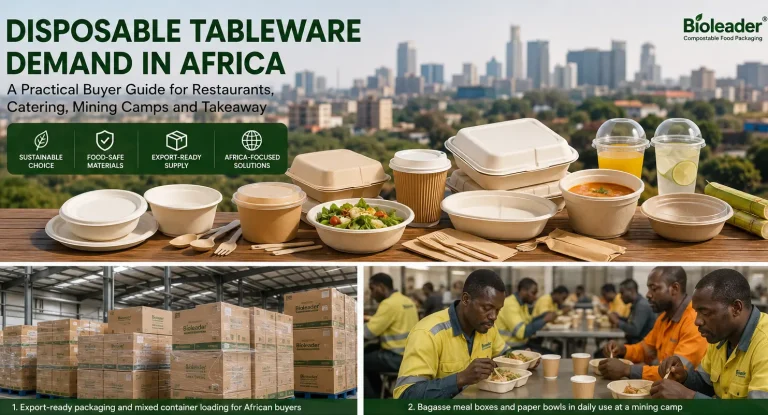
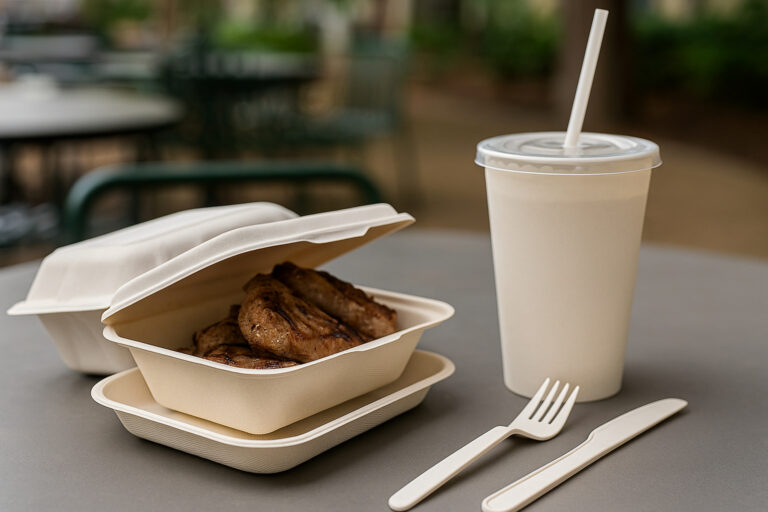
Bagasse food trays are made from the fibrous residue left after extracting juice from sugarcane. This renewable material is molded into sturdy, compostable trays, providing an eco-friendly alternative to plastic or foam trays , Bagasse Containers Manufacturer.

1. What are disposable food trays with lids typically used for?

They are widely used in foodservice settings such as takeout, meal prep, catering, and airline meals. The trays offer secure food separation and freshness, making them ideal for combo meals, bento boxes, and heat-and-serve packaging , Bagasse Containers Manufacturer.

What materials are used in biodegradable food containers?

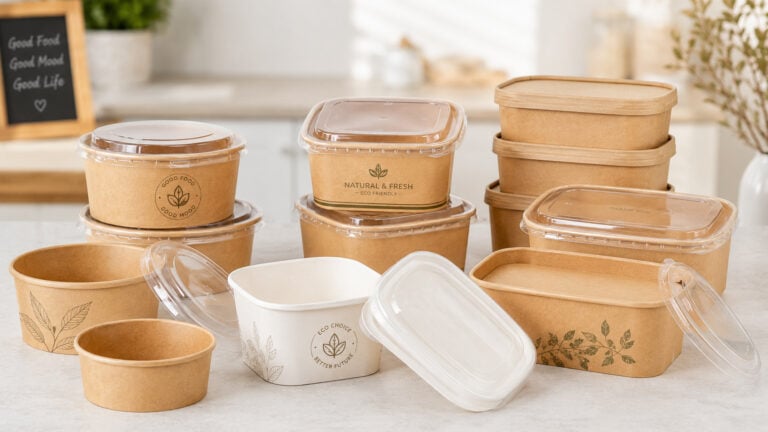
Biodegradable food containers are commonly made from sugarcane bagasse, cornstarch, bamboo, palm leaves, kraft paper, or PLA bioplastics.

1.1 Regulatory Milestone: Sweden’s Plastic Tax and Circular Economy Agenda

Sweden implemented a plastic carrier bag tax in 2020 and extended its sustainable materials mandates to all packaging sectors, including foodservice. The country has aligned its laws with the EU’s Single-Use Plastics Directive (SUP Directive), banning the sale and use of polystyrene clamshells, plastic cutlery, stirrers, straws, and more since July 2021. In 2022, the Swedish Environmental Protection Agency proposed increased Extended Producer Responsibility (EPR) for packaging waste, requiring companies to pay more for non-compostable, fossil-based materials. 📊 According to a 2023 Swedish EPA report, packaging waste per capita reached 157 kg/year—prompting stricter monitoring and a push toward biodegradable options.

Related Insights

🚀Ready to Go Green and Choose ?

Join the global movement toward zero-waste packaging.


Bioleader® offers:

  • 📦 Bulk order support & fast delivery

  • ✍️ Custom branding and OEM solutions

  • 🌍 Worldwide eco-packaging compliance

Get the Catalogue Products List  & Contact Us Now! 👉

Contact us Below

Click or drag files to this area to upload.You can upload up to 5 files.
The more details you share, the faster and more accurate our quotation will be.