


In the world of disposable tableware, paper plates are often considered an alternative to conventional plastic plates. However, many consumers are left wondering whether these paper plates are truly compostable. The answer depends on the plate’s fiber, coating, additives, and intended composting environment, so appearance alone is not enough to support the claim. This guide compares common paper plate types, compostability, biodegradability, heat-use considerations, and end-of-life limitations.
Semantic Insight: Are Paper Plates Compostable or Biodegradable?
What: Paper plates can be biodegradable or compostable depending on their material composition. Uncoated paper plates made from pure paper fibers generally break down naturally, while coated plates may resist decomposition.
Why it matters: Many consumers assume all paper plates are eco-friendly, but coatings such as plastic, PE, or wax can prevent proper breakdown and may introduce microplastics into soil or compost systems.
How it works: A compostable claim should be supported by evidence showing how the finished plate behaves under the stated composting conditions. Industrial compostability and home compostability are different claims and should not be treated as interchangeable.
Key considerations: Compostability depends on the complete plate structure—including fiber, coatings, inks, additives, and food contamination—as well as whether the product is intended for home composting or commercial/industrial composting.
Industry trend: Foodservice buyers are increasingly asking suppliers for clearer evidence behind compostable claims, especially where local regulations or waste systems distinguish industrial composting from home composting.

Types of Paper Plates
Paper plates are not a one-size-fits-all product. They come in various forms, each with unique features, materials, and environmental implications. Choosing the right plate depends on your specific needs and concerns—whether you’re hosting a party, serving a formal meal, or looking for an environmentally friendly option. Understanding the different types of paper plates available can help you make an informed decision.
1. Standard Paper Plates
- Material: Typically made from wood pulp (paperboard) and coated with a layer of wax or plastic to make them moisture-resistant.
- Use: Common for everyday use at parties, picnics, or casual dining.
- Environmental Impact: Plastic or other barrier coatings can prevent the finished plate from meeting compostability requirements and may also complicate recycling. Wax performance depends on the specific coating chemistry.

2. Coated Paper Plates
- Material: Paper plates that are coated with a thin layer of polyethylene or wax to provide grease and moisture resistance.
- Use: Often used for serving oily foods like pizza, burgers, or fried items.
- Environmental Impact: While these plates offer convenience, the coating makes them difficult to recycle or compost.

3. Compostable Paper Plates
- Material: Made from paper pulp, sugarcane (bagasse), or bamboo fibers, these plates are designed to break down in composting environments.
- Use: Ideal for environmentally conscious consumers and businesses looking to reduce their environmental footprint.
- Environmental Impact: Compostability depends on the finished structure and supporting evidence. Some products are designed for industrial composting, while home-compostable claims require separate product-specific support.
4. Bamboo Paper Plates
- Material: Made from bamboo pulp or sometimes bamboo fibers, which are compressed into plates.
- Use: Often used for eco-friendly or upscale catering events, these plates offer a natural look and durability.
- Environmental Impact: Bamboo fiber is bio-based, but the finished plate should not automatically be described as compostable. Binders, coatings, inks, and additives can change its end-of-life performance.

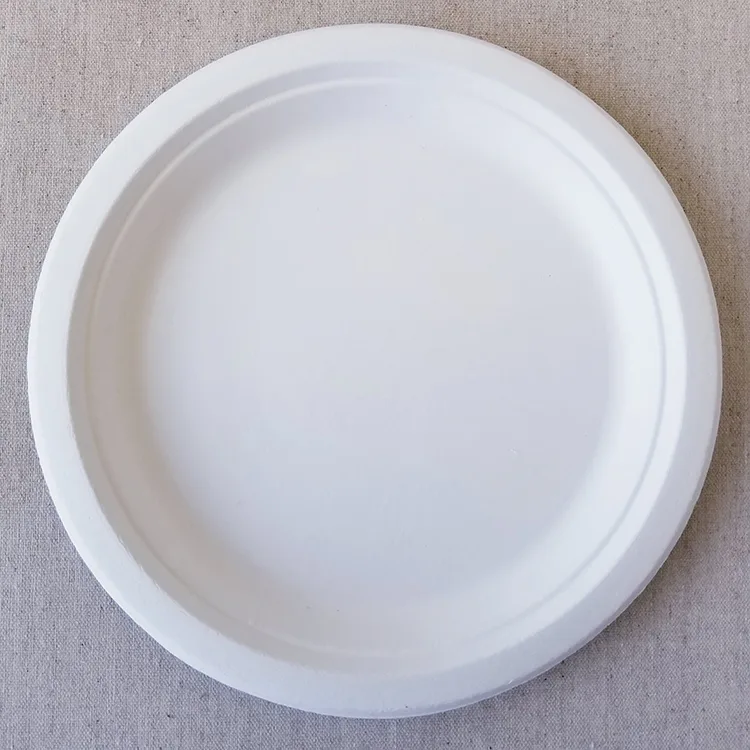
5. Sugarcane (Bagasse) Plates
- Material: Derived from the byproduct of sugarcane processing, bagasse is a fibrous material that is strong and durable.
- Use: Popular in eco-friendly foodservice settings. They are strong enough to hold hot, wet, and greasy foods.
- Environmental Impact: Bagasse provides a renewable plant-fiber base. Finished plates may be compostable when the relevant product requirements are met; recyclability depends on coatings, food contamination, collection systems, and whether local fiber-recovery facilities accept the item.

|
|

6. Recycled Paper Plates
- Material: Made from recycled paper fibers. They may or may not have a plastic or wax coating.
- Use: Designed for the environmentally conscious consumer but still offer standard durability.
- Environmental Impact: Recycled paper plates help reduce waste, though their environmental benefits are reduced if they are coated with plastic.
7. Heavy-Duty Paper Plates
- Material: These plates are made from thicker paperboard, often reinforced for added strength. They may have extra layers of coating or a sturdier structure to handle heavier foods.
- Use: Typically used for serving large meals or foods with more moisture and weight, such as steaks or large salads.
- Environmental Impact: While durable, the added coatings may affect their recyclability.
8. Printed Paper Plates
- Material: Standard paper plates with printed designs or colors, usually coated for durability.
- Use: Often used for special occasions like birthday parties, weddings, or holidays where aesthetics are important.
- Environmental Impact: Similar to standard coated paper plates, the coatings and inks may impact recyclability.
|
|


9. Eco-Friendly Paper Plates
- Material: Can include plates made from plant fibers (like cornstarch) or uncoated paper that is biodegradable.
- Use: These are marketed as an environmentally friendly alternative to standard disposable plates.
- Environmental Impact: The “eco-friendly” label alone does not establish biodegradability or compostability. Buyers should verify the actual material system, coatings, additives, and applicable end-of-life evidence.
10. Ivory Compostable Plates
- Material: These plates are typically made from a combination of renewable natural fibers such as sugarcane (bagasse), bamboo, or other plant-based materials. The term “ivory” often refers to the color of the plate, which gives it an elegant, neutral appearance, often used for more formal or upscale events.
- Use: Perfect for catering, events, and restaurants that want to offer a sustainable yet visually appealing option.
- Environmental Impact: The ivory color does not determine compostability. The finished plate may be suitable for industrial composting only when its material structure and applicable evidence support that claim; home compostability should be verified separately.
Are Paper Plates Compostable?
When it comes to compostability, not all paper plates are created equal. Fiber type matters, but the finished structure matters more. Plates made from sugarcane bagasse, bamboo, or uncoated paper may be suitable for composting, while plastic coatings, certain barrier layers, inks, binders, or additives can change the result. A product should not be described as home compostable or industrially compostable unless the claim is supported for the finished plate under the relevant conditions.
Sugarcane bagasse plates are a common molded-fiber option for foodservice because the base material comes from sugarcane processing residue and can provide useful rigidity for meals. Compostability, however, should be stated for the specific finished product and disposal environment. Buyers should verify whether the applicable evidence covers industrial composting, home composting, or neither, and whether local composting facilities accept the product.
Compostability Comparison Table
| Type of Plate | Material | High-Temperature Resistance | Durability | Biodegradability | Environmental Impact |
|---|---|---|---|---|---|
| Standard Paper Plates | Wood Pulp, Coated | Low | Low | Low | Moderate |
| Coated Paper Plates | Wood Pulp, Coated | Moderate | Moderate | Low | Low |
| Compostable Paper Plates | Sugarcane, Bamboo | Moderate | High | High | High |
| Bamboo Plates | Bamboo Fibers | Moderate | High | High | High |
| Sugarcane (Bagasse) Plates | Sugarcane Pulp | High | High | High | Very High |
| Recycled Paper Plates | Recycled Paper | Low | Low | Moderate | Moderate |
| Heavy-Duty Paper Plates | Wood Pulp, Coated | High | High | Low | Moderate |
| Printed Paper Plates | Wood Pulp, Coated | Low | Low | Low | Low |
| Eco-Friendly Paper Plates | Plant Fibers | Moderate | Moderate | High | High |
| Ivory Compostable Plates | Sugarcane, Bamboo | Moderate | High | High | High |
Are Paper Plates Biodegradable?
Biodegradability is another critical aspect when evaluating the environmental impact of paper plates. A biodegradable product is one that can break down naturally through the action of microorganisms over time. While paper plates may be biodegradable in some cases, the speed and effectiveness of the degradation process depend on the materials used and whether the plates are coated with substances like plastic or wax.
In general, uncoated paper fiber and plant fibers such as sugarcane bagasse or bamboo can biodegrade under suitable biological conditions. That does not mean every finished plate will biodegrade at the same rate or in every disposal environment. Coatings, additives, food contamination, moisture, temperature, oxygen, and the actual waste-management route all affect breakdown, so broad biodegradability claims should be qualified when those conditions are not defined.
Are Biodegradable and Compostable the Same?
Although the terms biodegradable and compostable are often used interchangeably, they are not the same.
- Biodegradable refers to a material that can break down naturally by microorganisms, but the process can take a long time and may occur in various environments, including landfills. The key issue with biodegradable items is that they may still take a significant amount of time to decompose fully, depending on factors like environmental conditions and the material’s complexity.
- Compostable means a product is intended to break down into usable compost under defined composting conditions and within the timeframe required by the applicable test method, standard, or certification scheme. Industrial composting and home composting operate under different conditions, so one claim should not be used as proof of the other.
So, while compostability is a more specific end-of-life claim than general biodegradability, the practical question is where and under what conditions the product is intended to compost. Sugarcane bagasse plates can be a suitable compostable option when the finished product has supporting evidence for the claimed composting route; buyers should not assume home compostability from the material name alone.
Are Compostable Plates Microwave Safe?
For microwave reheating, the finished plate—not the “compostable” label—determines suitability. Some sugarcane bagasse plates can be suitable for short microwave use, but buyers should verify the exact SKU, food type, heating time, and manufacturer instructions. Oven use should not be assumed unless the product is specifically designed and documented for that temperature range.
Microwave Safety Comparison Table
| Type of Plate | Material | High-Temperature Resistance | Microwave Safe | Oven Safe | Durability |
|---|---|---|---|---|---|
| Standard Paper Plates | Wood Pulp, Coated | Low | Check label/specification | Do not assume | Low |
| Coated Paper Plates | Wood Pulp, Coated | Moderate | Coating-dependent; verify | Do not assume | Moderate |
| Compostable Paper Plates | Sugarcane, Bamboo | Moderate | Product-specific; verify | Do not assume | High |
| Bamboo Plates | Bamboo Fibers | Moderate | Product-specific; verify | Do not assume | High |
| Sugarcane (Bagasse) Plates | Sugarcane Pulp | High | Often suitable for short reheating; verify SKU | Do not assume | Very High |
| Recycled Paper Plates | Recycled Paper | Low | Check label/specification | Do not assume | Moderate |
| Heavy-Duty Paper Plates | Wood Pulp, Coated | High | Check label/specification | Do not assume | High |
| Printed Paper Plates | Wood Pulp, Coated | Low | Check label/specification | Do not assume | Low |
| Eco-Friendly Paper Plates | Plant Fibers | Moderate | Product-specific; verify | Do not assume | High |
| Ivory Compostable Plates | Sugarcane, Bamboo | Moderate | Product-specific; verify | Do not assume | High |
Which Plates Are More Eco-Friendly and Sustainable?
Environmental performance depends on more than whether a plate is made from paper or plant fiber. Across foodservice packaging, eco-friendly alternatives to traditional paper and plastic plates are often compared by material alone, even though the complete product structure, food-service performance, disposal route, and local waste infrastructure all affect the outcome.
Sugarcane bagasse plates use a plant-fiber byproduct from sugar processing and are widely used for disposable foodservice. Depending on the finished formulation and supporting documentation, they may fit composting programs that accept molded fiber. They should not be marketed as universally recyclable: acceptance depends on coatings, food contamination, collection, and local fiber-recovery infrastructure.
For buyers comparing eco-friendly plates, the practical choice is to match the plate to the food, service temperature, holding time, destination-market requirements, and available end-of-life system. The same plate may have a credible composting route in one market and no practical recovery route in another.
Recommend Bioleader Sugarcane Bagasse Paper Plates Manufacturer
Bioleader® manufactures sugarcane bagasse plates for foodservice and bulk sourcing. For buyers evaluating compostable plates, the more useful check is the exact SKU: material structure, intended food use, available food-contact documentation, compostability evidence, and destination-market disposal route. Available certifications and test reports can vary by product, so the applicable documents should be reviewed before making product-specific compostability claims.

Conclusion
Not all paper plates are compostable or biodegradable in the same way. The finished structure—fiber, coating, additives, inks, and food contamination—determines whether a compostability or recyclability claim is appropriate. Sugarcane bagasse plates can be a practical option for foodservice buyers, but industrial compostability, home compostability, recyclability, microwave suitability, and compliance should each be verified as separate product-specific questions.
FAQ
1. Are all paper plates biodegradable?
Not all paper plates should carry an unqualified biodegradable claim. Uncoated paper fiber can biodegrade under suitable conditions, but coatings, additives, contamination, and the actual disposal environment can change how the finished plate breaks down.
2. Are paper plates compostable at home?
Only when the finished plate is specifically supported or labeled for home composting. Industrial or commercial compostability does not automatically mean a plate is suitable for a home compost pile.
3. What’s the difference between compostable and biodegradable paper plates?
Biodegradable describes biological breakdown, while compostable is a more specific claim tied to defined composting conditions and usable compost. Industrial composting and home composting should be treated as separate environments.
4. How long do paper plates take to decompose?
There is no single reliable decomposition time for all paper plates. The rate depends on fiber, coating, additives, food residue, moisture, temperature, oxygen, composting method, and whether the product is designed for home or industrial composting.
5. Can coated paper plates be composted?
PLA-coated plates may be industrially compostable when the finished product meets the relevant requirements. PE-lined plates are generally not treated as compostable, while wax-coated plates depend on the wax chemistry and the finished-product evidence.
6. Do paper plates leave harmful residues after decomposing?
Relevant compostability standards and certification schemes include requirements intended to control disintegration, biodegradation, and compost quality. Buyers should still verify that the evidence applies to the finished SKU and claimed composting environment.
7. How can I identify truly compostable paper plates?
Check whether a recognized certification or test report applies to the finished SKU and whether it covers industrial composting or home composting. Do not rely on “100% compostable” wording by itself; the claim should match the product structure and disposal conditions.
Compostability in Practice: What Consumers and Buyers Should Know
Practical insight: Paper appearance alone does not establish compostability. The finished plate should be evaluated for its fiber, coatings, additives, inks, and the composting environment covered by the supporting evidence.
Environmental consideration: Plastic coatings can prevent a fiber plate from following the same composting route as uncoated paper or molded fiber and may also limit recycling options.
Buyer perspective: For foodservice operators and retailers, SKU-level compostability evidence supports more defensible product claims and helps determine whether the item matches the local organics-collection system.
Decision guidance: Verify the complete material structure, the applicable certification or test report, the claimed composting environment, and local facility acceptance before relying on a compostable claim.