High-temperature Resistant Plates: Performance Overview | Bioleader® Guide

Browse articles grouped under the "High-temperature resistant plates" tag for topic-specific information and examples. The featured articles may approach the topic from different product, material, application, market, or sourcing perspectives. Check each article for its exact scope, technical data, standards, sources, and recommendations.
High-temperature resistant plates — Content Overview
  • Featured articles shown: 12
  • Directly tagged articles: 1
  • Latest tagged article update: 2025-12-13
  • Coverage, examples, and specific recommendations vary by individual article.

Editor's Picks: Top High-temperature Resistant Plates Guides 2026

FAQ of Bioleader's Eco-friendly Disposable Tableware

Do the lids fit in place as they are meant to?

Yes, the lids form a firm seal; there is no slippage nor escape of food once food is packed inside, even during transit.

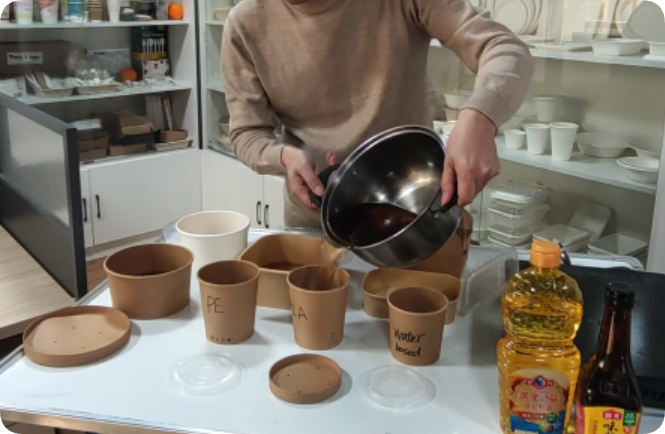
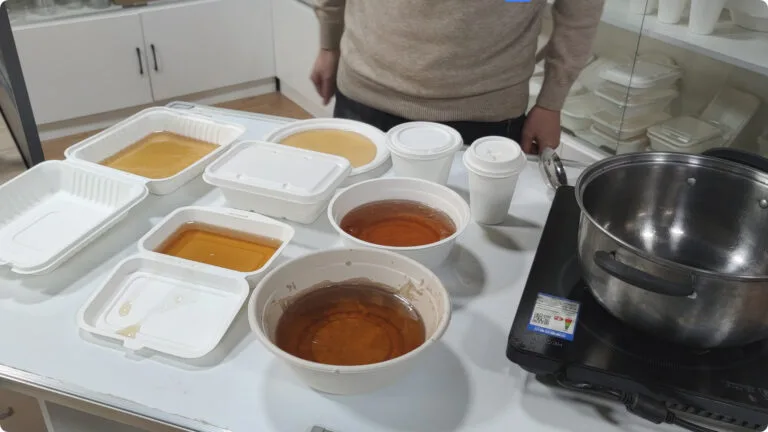
Can these bowls safely contain hot food without leaking?

Definitely — High-temperature resistant plates. These biodegradable disposable bowls are designed to hold both hot and cold food without any leakage or deformation, ensuring a mess-free experience — High-temperature resistant plates.

Can they be put in the microwave?

Yes, they can be put in a microwave even though there is no instruction to that, which makes it easier as meals can be quickly reheated in the same bowl.

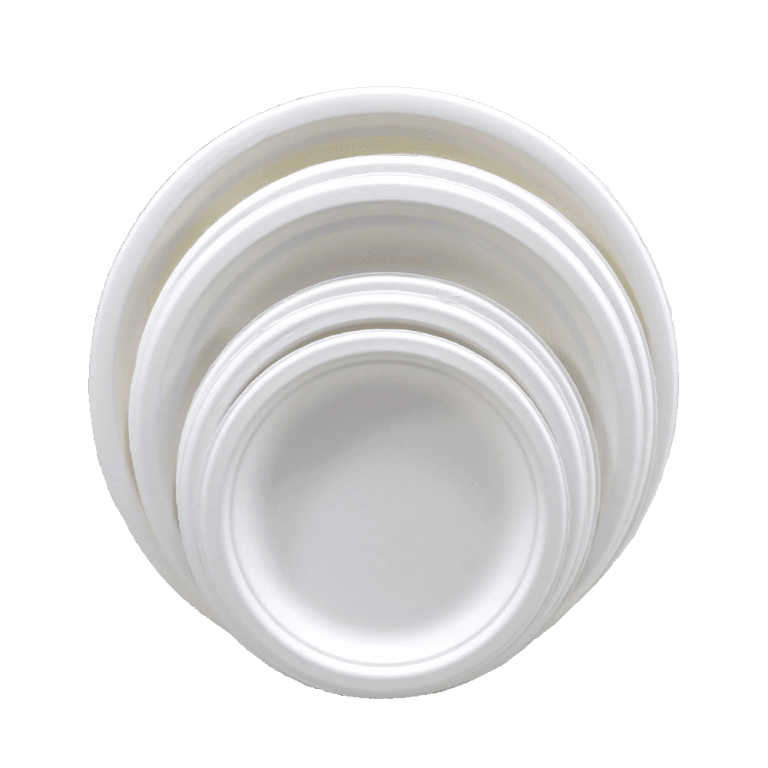
4. Bamboo Paper Plates

Material: Made from bamboo pulp or sometimes bamboo fibers, which are compressed into plates. Use: Often used for eco-friendly or upscale catering events, these plates offer a natural look and durability. Environmental Impact: 100% biodegradable and compostable, making them an excellent eco-friendly alternative — High-temperature resistant plates.

1. Standard Paper Plates

Material: Typically made from wood pulp (paperboard) and coated with a layer of wax or plastic to make them moisture-resistant. Use: Common for everyday use at parties, picnics, or casual dining. Environmental Impact: Non-biodegradable when coated with plastic. If coated with wax, they are more biodegradable but still not ideal for composting.

Related Insights

🚀Ready to Go Green and Choose ?

Join the global movement toward zero-waste packaging.


Bioleader® offers:

  • 📦 Bulk order support & fast delivery

  • ✍️ Custom branding and OEM solutions

  • 🌍 Worldwide eco-packaging compliance

Get the Catalogue Products List  & Contact Us Now! 👉

Contact Us for Quote

Click or drag files to this area to upload.You can upload up to 5 files.
The more details you share, the faster and more accurate our quotation will be.