Highlights from featured articles under this tag:


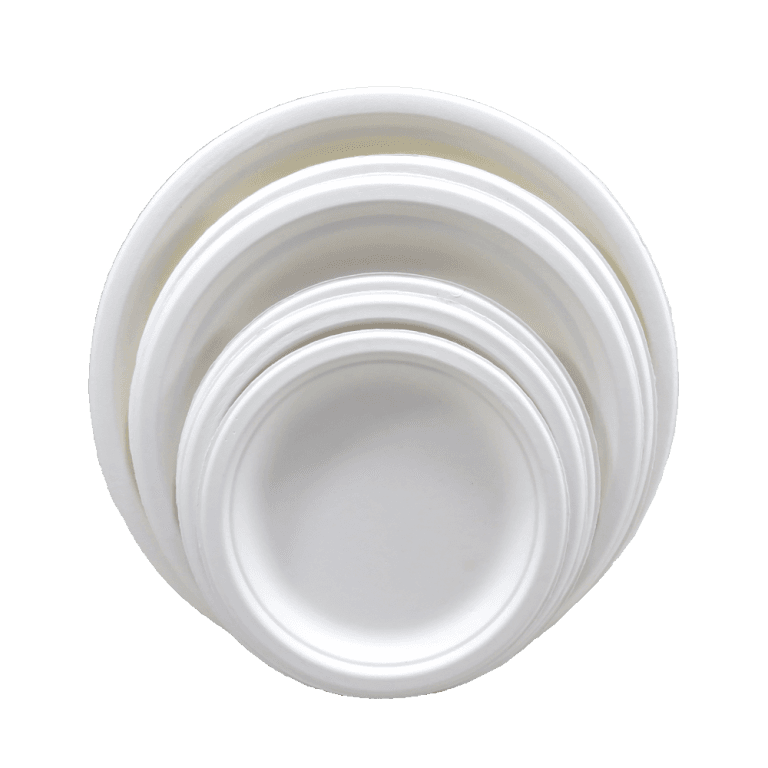
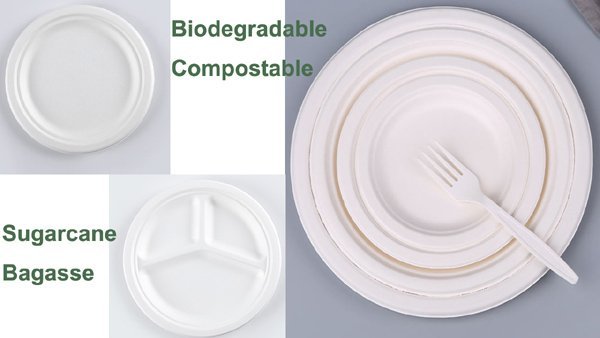
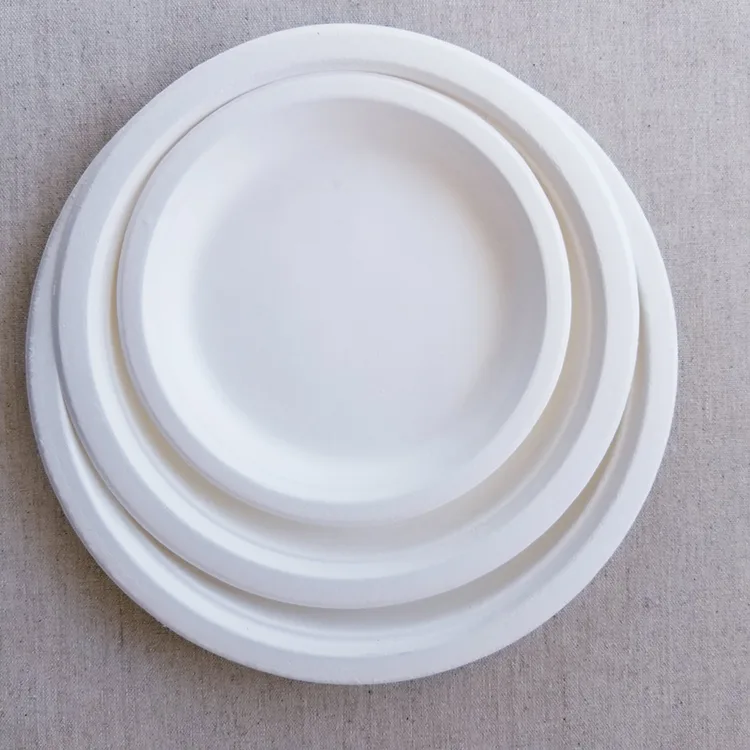
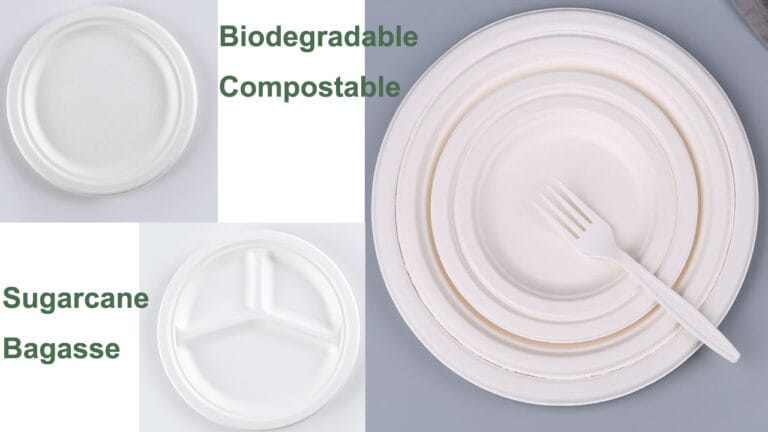
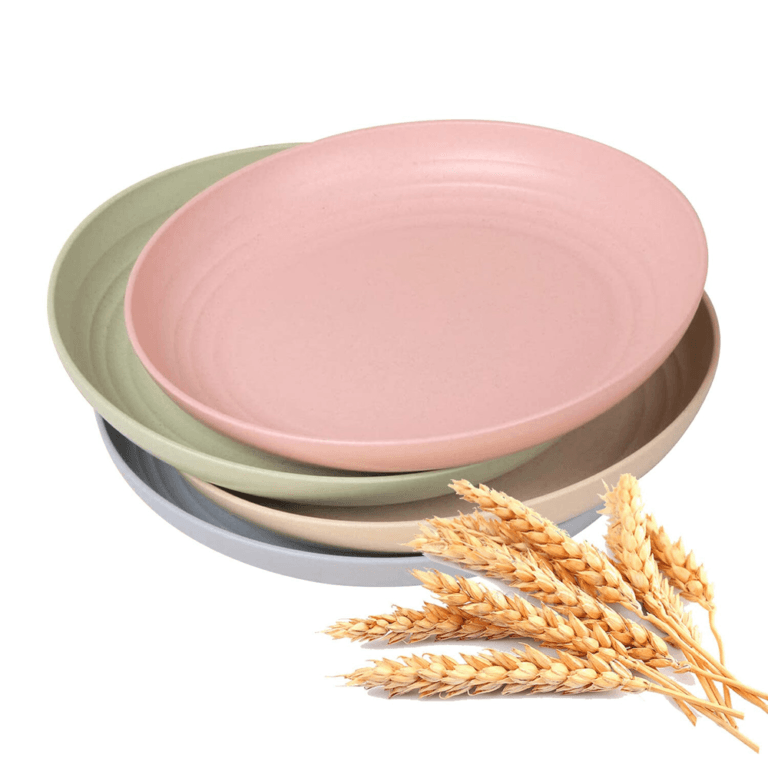
Yes, bagasse plates are biodegradable because they are made from plant fiber. However, biodegradation depends on the disposal environment. A managed composting environment is much more effective than a landfill.
Bagasse plates have a significantly lower environmental impact. They are made from renewable resources, biodegradable, and compostable, reducing landfill waste and greenhouse gas emissions. In contrast, plastic plates are derived from non-renewable resources and can take hundreds of years to decompose.
Yes, uncoated or compostable-coated paper plates made from natural fibers like bagasse or recycled paper are both biodegradable and compostable under proper conditions.
Not all paper plates should carry an unqualified biodegradable claim. Uncoated paper fiber can biodegrade under suitable conditions, but coatings, additives, contamination, and the actual disposal environment can change how the finished plate breaks down.
Biodegradable describes biological breakdown, while compostable is a more specific claim tied to defined composting conditions and usable compost. Industrial composting and home composting should be treated as separate environments.
Join the global movement toward zero-waste packaging.
Bioleader® offers:
📦 Bulk order support & fast delivery
✍️ Custom branding and OEM solutions
🌍 Worldwide eco-packaging compliance
Get the Catalogue Products List & Contact Us Now! 👉