Introduction
In a world where plastic pollution has reached alarming levels, the shift toward sustainable packaging solutions is no longer optional—it is a necessity. Among the most promising innovations in this arena are biodegradable PLA cups. While you may have seen these eco-friendly cups in coffee shops or takeout counters, there’s much more behind their development than meets the eye. Today, we explore seven surprising facts about compostable PLA cups that you likely didn’t know, revealing how they are shaping the future of eco-friendly beverage packaging.
Fact 1: PLA Cups Are Made Entirely from Renewable Plant Resources
What is PLA Exactly?
PLA, or Polylactic Acid, is a revolutionary plant-based biopolymer that offers a sustainable alternative to conventional petroleum-based plastics.
Unlike traditional plastics from finite fossil fuels, PLA cups are made from renewable agricultural resources—primarily corn starch, sugarcane, or cassava.
The production of PLA begins by extracting starches or sugars from plants. Microorganisms then ferment these carbohydrates into lactic acid. Through a process called polymerization, lactic acid molecules are linked together to form long chains, creating a versatile and compostable resin—PLA.
This resin can then be molded into various forms, including clear PLA cups, compostable PLA cups, food containers, and even biodegradable straws.
Key characteristics of PLA include:
Renewable Origin: Sourced from annually renewable crops, reducing dependency on oil.
Compostability: Under industrial composting conditions, biodegradable PLA cups can decompose into water, carbon dioxide, and organic matter within 90–180 days.
Non-Toxicity: PLA does not contain harmful substances like BPA or phthalates, making it ideal for direct food and beverage contact.
Aesthetic Appeal: Thanks to its excellent clarity and gloss, PLA cold drink cups resemble traditional plastic but carry a significantly smaller environmental footprint.
In terms of mechanical properties, PLA is rigid and has good tensile strength, comparable to PET plastics used in beverage containers. However, its heat tolerance is lower, which is why PLA cups for coffee are typically engineered differently (such as using CPLA) to withstand higher temperatures.
By opting for plant-based PLA cups, businesses and consumers are directly supporting a cleaner, greener planet, promoting eco-friendly cups that align with the principles of a circular economy.
PLA represents a remarkable shift toward packaging solutions that begin and end with nature—renewable, functional, and compostable.
Fact 2: Biodegradable PLA Cups Require Industrial Composting to Break Down
Industrial vs. Home Composting
Although compostable PLA cups are designed to break down, they need specific conditions—high temperature (58°C+), controlled humidity, and active microbial action—found in industrial composting facilities.
Progress in Composting Infrastructure
Cities like San Francisco and Amsterdam are investing heavily in industrial composting plants. These expansions are essential for optimizing the lifecycle of compostable plastic cups, ensuring they don’t end up in landfills.
With growing infrastructure, the future of easy composting for PLA cups looks increasingly promising.
Fact 3: PLA Cups Produce 60% Fewer Greenhouse Gases Than Traditional Plastics
Life Cycle Assessment Data
Studies have shown that producing PLA cold drink cups generates 60% less CO₂ emissions compared to petroleum-based plastics like PET and polystyrene.
Additional Environmental Benefits
Lower water pollution levels
Decreased dependency on crude oil extraction
Cleaner production cycles with fewer harmful by-products
Adopting eco-friendly PLA cups is a direct investment in a lower-carbon future.
Fact 4: PLA Cups Are Clear, Attractive, and Highly Functional
Why Aesthetics Matter
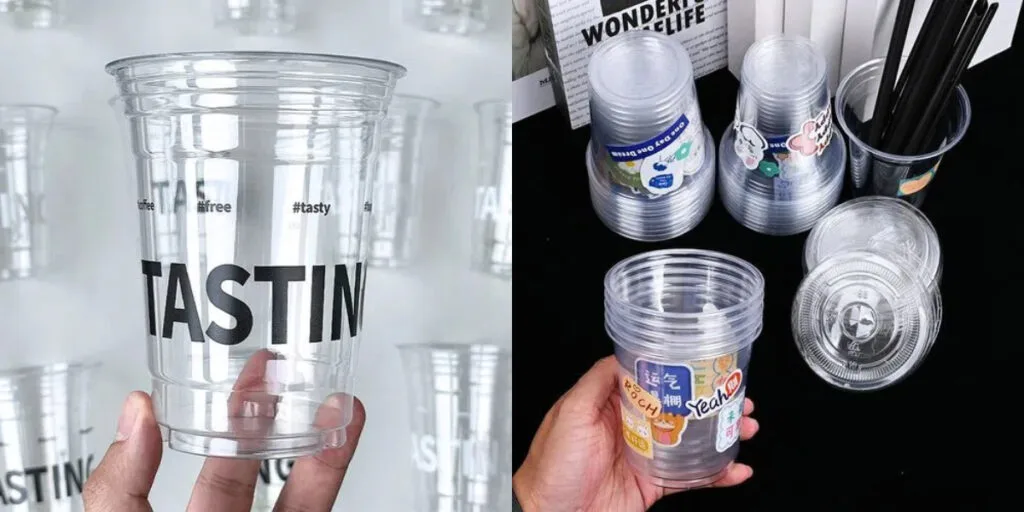
Clear PLA cups offer the same glossy transparency as traditional plastic to-go cups, making them ideal for cold beverages like smoothies, iced coffee, and juices.
PLA vs. PET Visual Comparison
Excellent clarity
Lightweight yet durable
Compostable after use
Customers appreciate the visual appeal without compromising environmental values, particularly in fast-casual foodservice and specialty coffee outlets.
Fact 5: PLA Cups Are Designed for Cold Drinks, Not Hot Beverages
Heat Sensitivity Explained
Standard biodegradable PLA cups can tolerate temperatures up to 45–60°C (113–140°F), making them unsuitable for hot coffee or tea.
Ideal Applications
Iced lattes in plastic iced coffee cups
Chilled fruit juices
Bubble tea
Smoothies
For hot drinks, manufacturers now offer CPLA cold hot cups, a heat-resistant version of PLA.
Correct application ensures the highest performance and satisfaction with PLA cups for coffee and cold drinks.
Fact 6: The Global Market for PLA Cups Is Growing Rapidly
Industry Growth Statistics
According to MarketsandMarkets, the global PLA packaging market is expected to grow at a CAGR of 15.5%, reaching over USD 7 billion by 2030.
Policy and Consumer Demand
Plastic bans in Europe, Canada, and parts of the U.S.
Rising consumer awareness for green disposable cups
Corporate sustainability commitments
The accelerated adoption of recyclable plastic cups alternatives demonstrates how market and environmental needs align.
Fact 7: PLA Cups Are Part of a Larger Green Revolution
Beyond Cups—A Whole Ecosystem
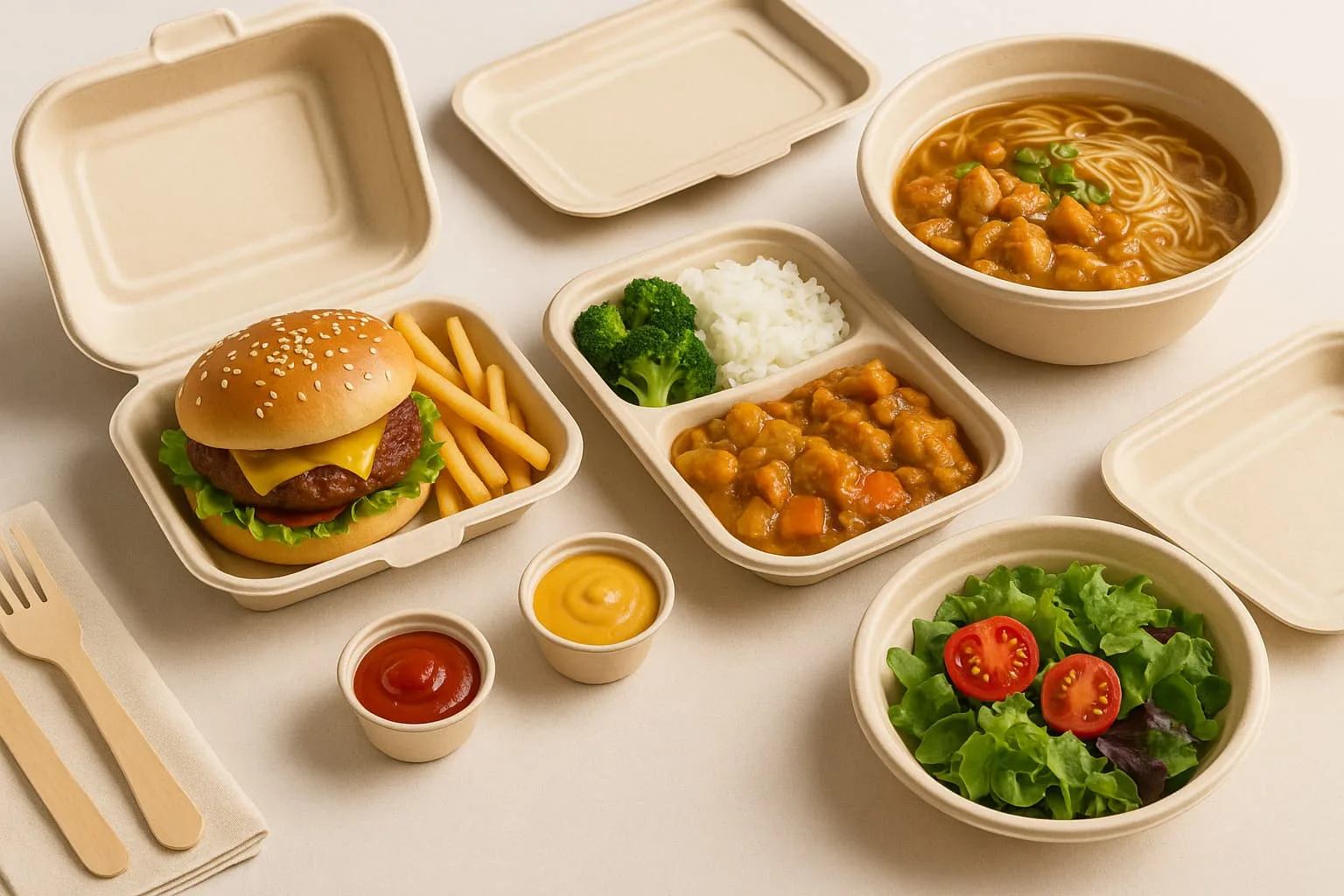
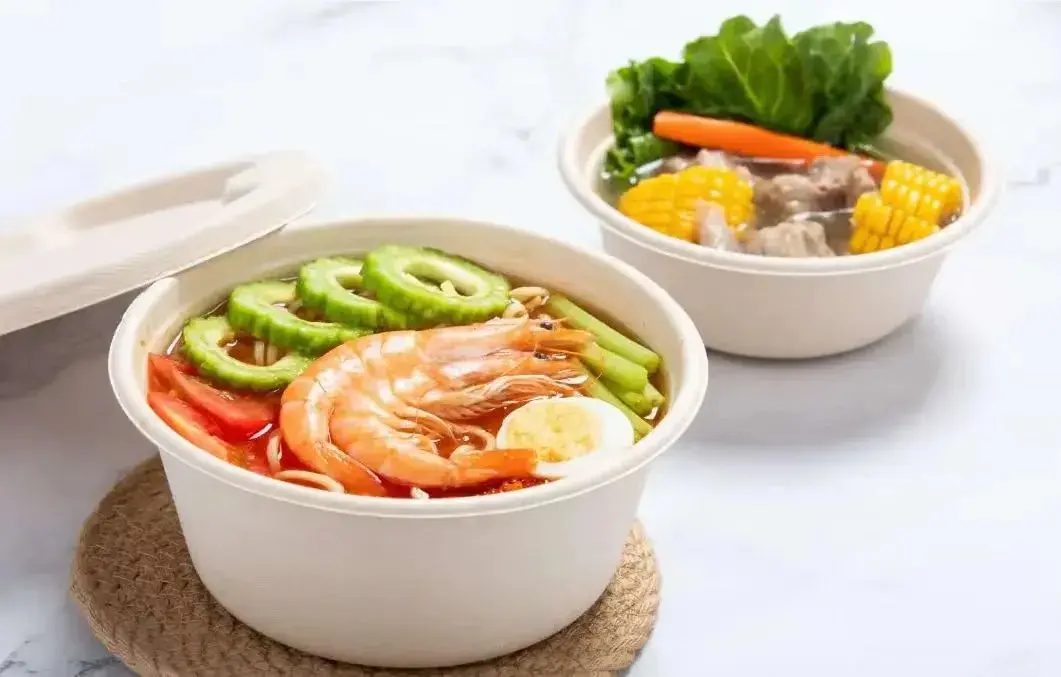
The success of PLA cold drink cups is inspiring innovations across foodservice packaging: compostable lids, straws, utensils, and bowls.
How PLA Supports a Circular Economy
Reduces landfill dependency
Returns nutrients to the soil when composted correctly
Promotes sustainable farming practices
Choosing environmentally friendly disposable cups today paves the way for a regenerative tomorrow.
Real-World Success Stories: Brands and Events Embracing PLA Cups
Starbucks and Costa Coffee Leading the Way
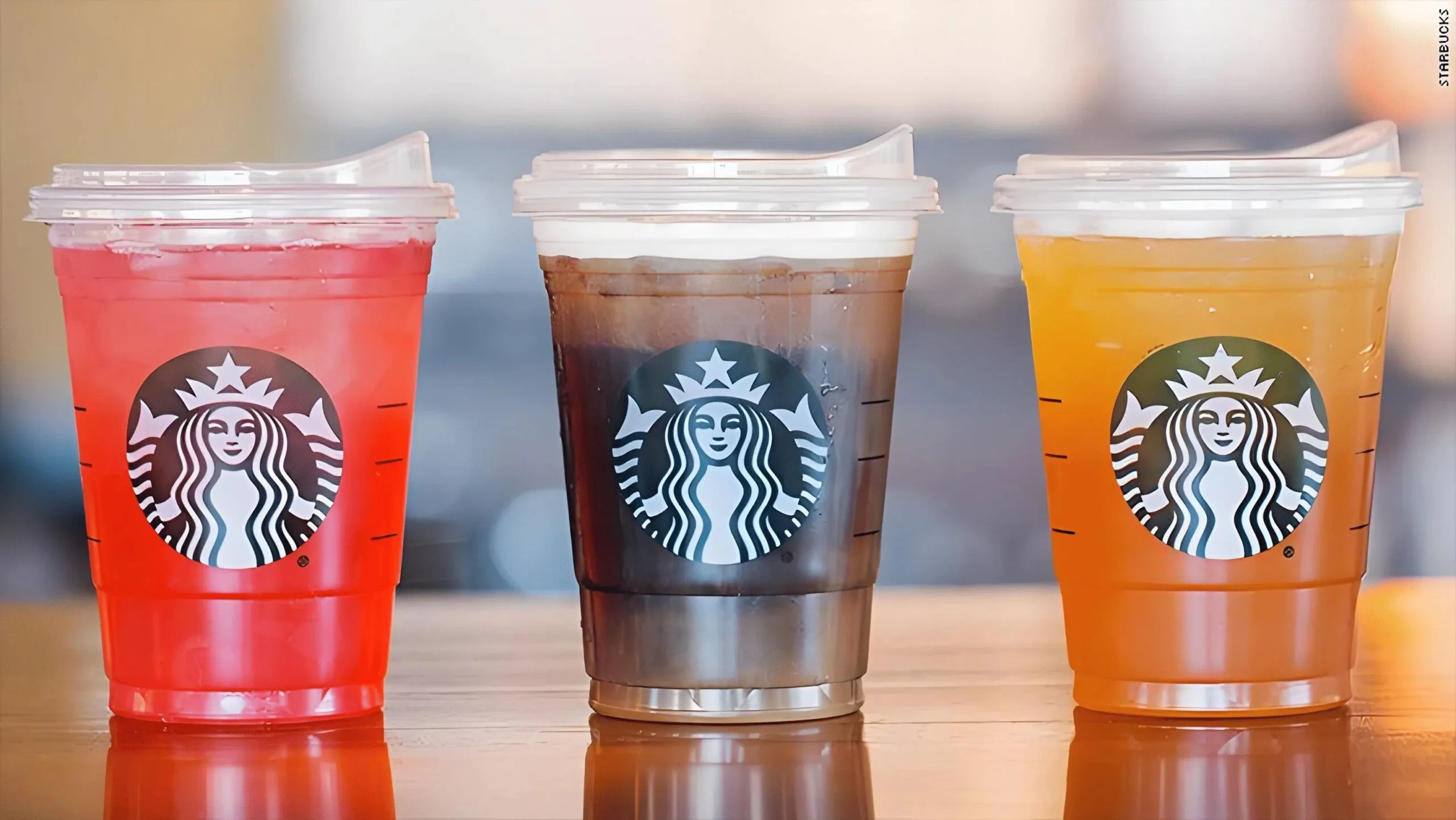
Global coffee giants like Starbucks and Costa Coffee have taken proactive steps toward reducing their environmental footprint by incorporating compostable PLA cups into their operations.
In select locations across the U.S. and Europe, Starbucks introduced plant-based PLA cold drink cups as part of their Greener Stores initiative, aimed at cutting waste and carbon emissions.
Similarly, Costa Coffee has trialed clear PLA cups for their iced beverages, showcasing how large-scale adoption is not only feasible but impactful.
Both brands are actively collaborating with local composting facilities to ensure proper end-of-life management of these cups.
Eco-Friendly Events and Festivals Making a Difference
Beyond cafes, major green events and music festivals have also embraced biodegradable PLA cups to combat single-use plastic pollution.
Festivals like Glastonbury in the UK and Lightning in a Bottle in California have successfully replaced traditional plastic to-go cups with compostable PLA options, significantly reducing their overall environmental impact.
Organizers reported that switching to green disposable cups contributed to diverting over 90% of event waste from landfills through composting and recycling programs.
These real-world practices underline the growing momentum behind PLA technology—not just as an alternative, but as the emerging standard in sustainable foodservice and event management.
Sustainability and Environmental Significance of PLA Cups
PLA cups represent a vital step forward in the pursuit of sustainable packaging solutions.
Unlike conventional plastics, which can take hundreds of years to decompose and release harmful microplastics, biodegradable PLA cups are designed to break down into natural elements within a few months under industrial composting conditions.
Their plant-based origin reduces reliance on fossil fuels, supports renewable agriculture, and lowers greenhouse gas emissions during production.
By choosing eco-friendly PLA cups, businesses and consumers contribute to reducing ocean pollution, conserving natural resources, and promoting a circular economy where products return safely to the environment after use.
Moreover, the growing adoption of compostable PLA cups in foodservice and beverage industries signals a shift toward greener business models, meeting both regulatory demands and consumer expectations for responsible environmental stewardship.
Ultimately, PLA cups offer more than convenience—they embody a commitment to a cleaner, healthier planet for future generations.
FAQ
1. What are biodegradable PLA cups made from?
PLA cups are made from polylactic acid, a bioplastic derived from renewable resources like corn starch or sugarcane, making them an eco-friendly alternative to petroleum-based plastics.
2. Are PLA cups compostable at home?
No, PLA cups require industrial composting facilities to break down efficiently. They need high heat and specific conditions not typically found in home compost bins.
3. Can PLA cups hold hot beverages?
PLA cups are designed for cold drinks only. Exposure to high temperatures can cause them to deform or leak. For hot beverages, CPLA or paper-based alternatives are recommended.
4. How long do PLA cups take to decompose?
In an industrial composting facility, PLA cups typically decompose within 90 to 180 days. In landfills or natural environments, the process is much slower.
5. Are PLA cups recyclable?
PLA cups are not recyclable through standard plastic recycling streams. They must be processed in composting facilities equipped to handle bioplastics. Always check local disposal guidelines.
Conclusion
The journey of biodegradable PLA cups reflects the broader movement toward a sustainable, circular economy.
From their renewable origins to their compostable end-of-life, these eco-friendly cups represent innovation, responsibility, and hope.
As more companies, policymakers, and consumers embrace green packaging solutions, plant-based PLA cups will continue to reshape how we drink, serve, and think about sustainability.
Choosing PLA isn’t just choosing a better cup—it’s choosing a better world.
Reference Source List
Jambeck, Jenna R., “Plastic Waste Inputs from Land into the Ocean”, Science, https://www.science.org/doi/10.1126/science.1260352
European Parliament, “Directive on Single-Use Plastics”, https://www.europarl.europa.eu
EPA, “Reducing Greenhouse Gas Emissions Through Recycling and Composting”, https://www.epa.gov
MarketsandMarkets, “Biodegradable Plastics Market Forecast”, https://www.marketsandmarkets.com
Ellen MacArthur Foundation, “The New Plastics Economy”, https://ellenmacarthurfoundation.org
Statista Research Department, “Market Value of Bioplastics Worldwide 2020–2030”, https://www.statista.com
United Nations Environment Programme (UNEP), “Single-Use Plastics: A Roadmap for Sustainability”, https://www.unep.org
Nature Communications, “Climate Benefits of Biodegradable Plastics”, https://www.nature.com/articles
Bioplastics Magazine, “Industrial Composting Facilities and Bioplastics”, https://www.bioplasticsmagazine.com
BioCycle, “Composting Infrastructure Development”, https://www.biocycle.net